

Georgian Bracket Feet
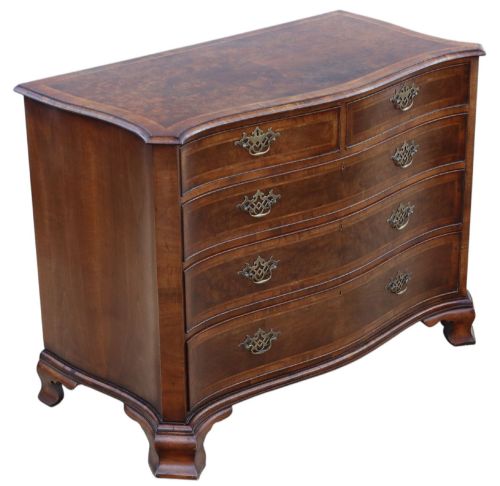
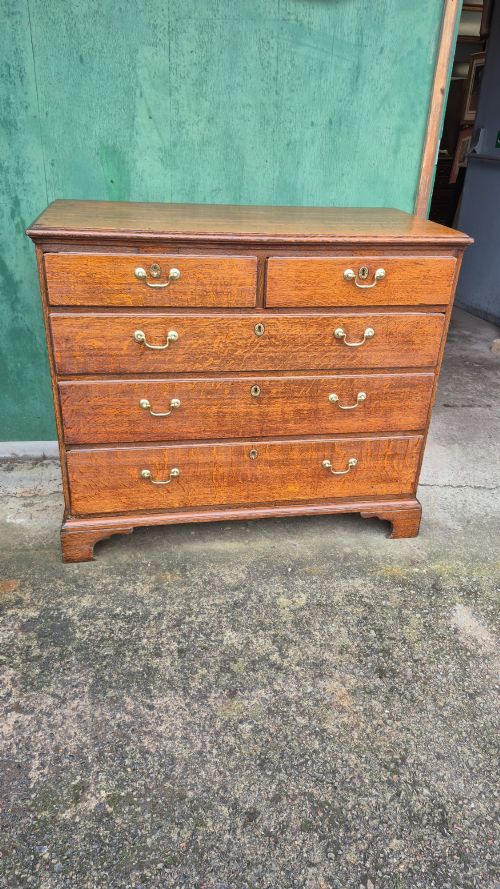
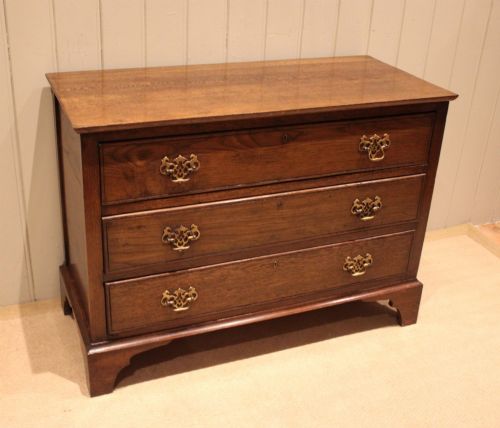
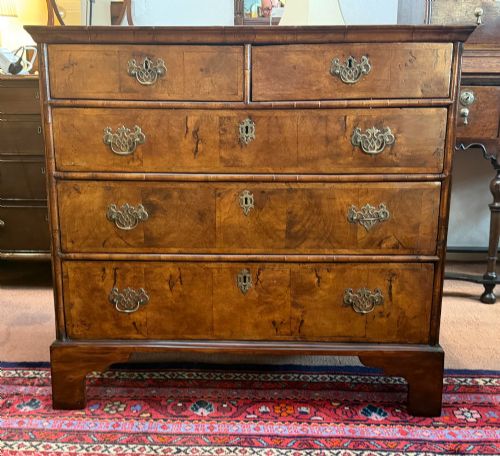
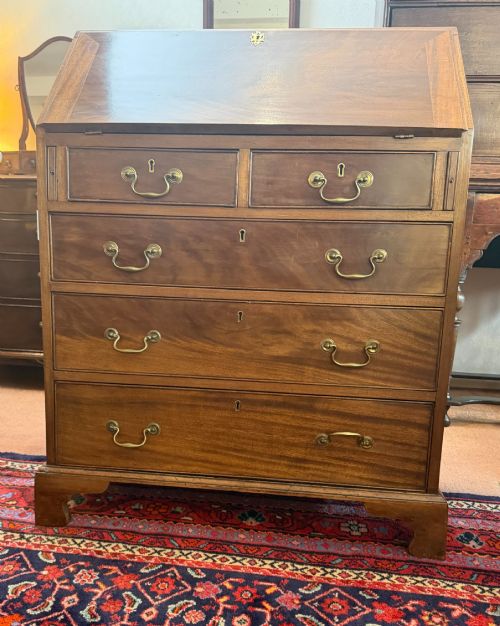
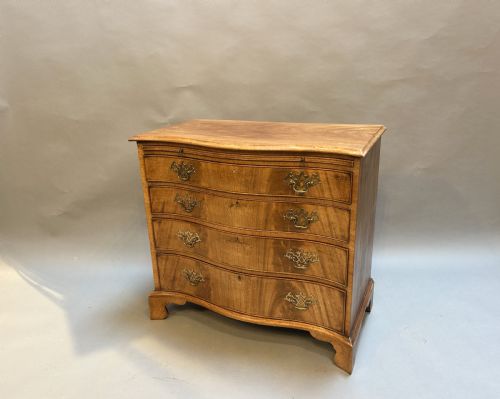
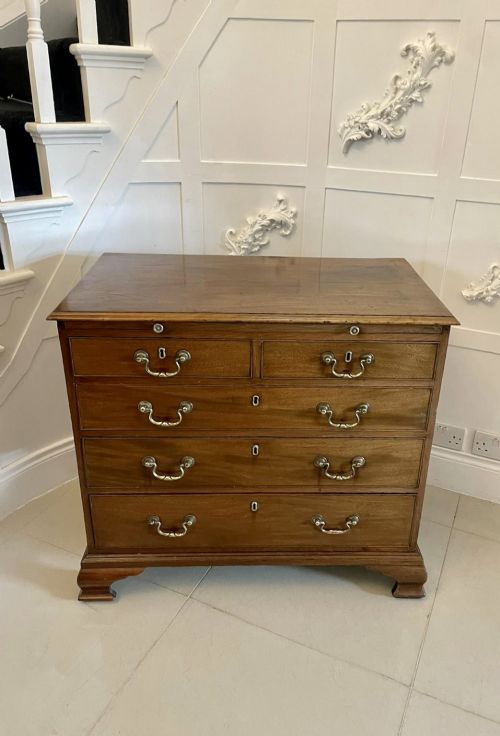
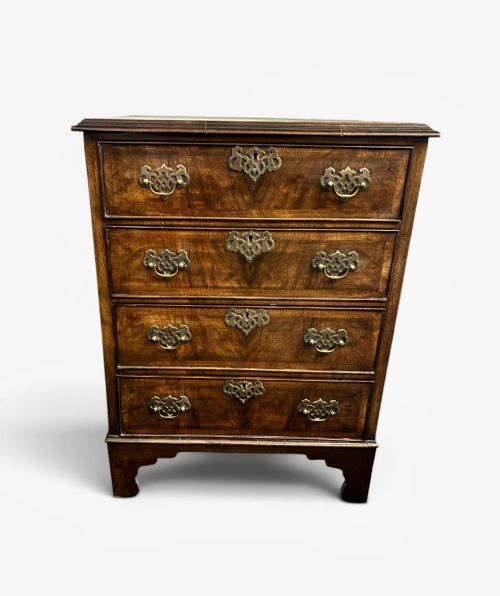
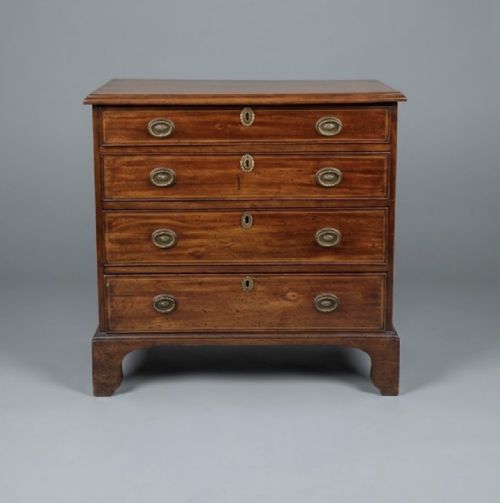
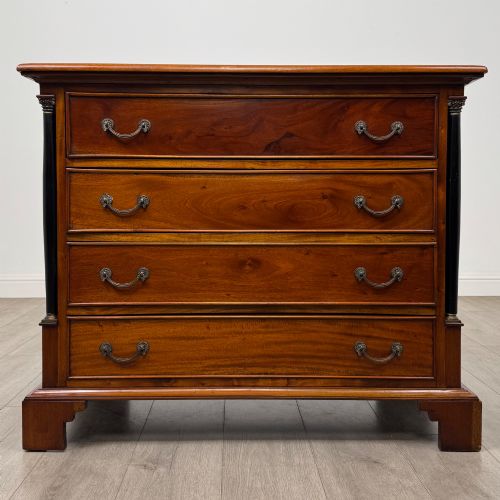
Georgian bracket feet support chests of drawers, bureaux and bookcases, anchoring case furniture with clean architectural lines.
Georgian Bracket Feet
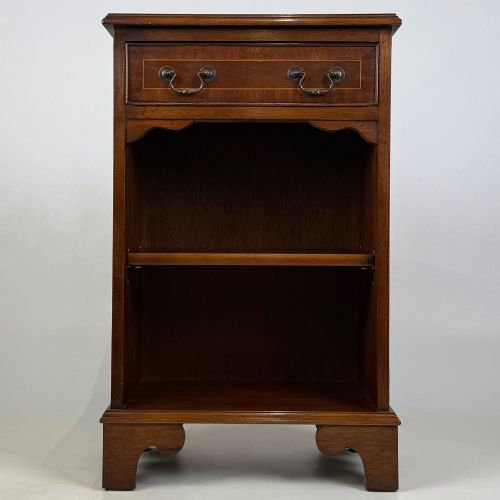
When you search for georgian bracket feet, you encounter case furniture raised off the floor on distinct corner supports rather than straight legs or a plinth base. These pieces span the eighteenth century and later revivals, taking forms such as chests of drawers, bureaux, blanket boxes and bookcases.
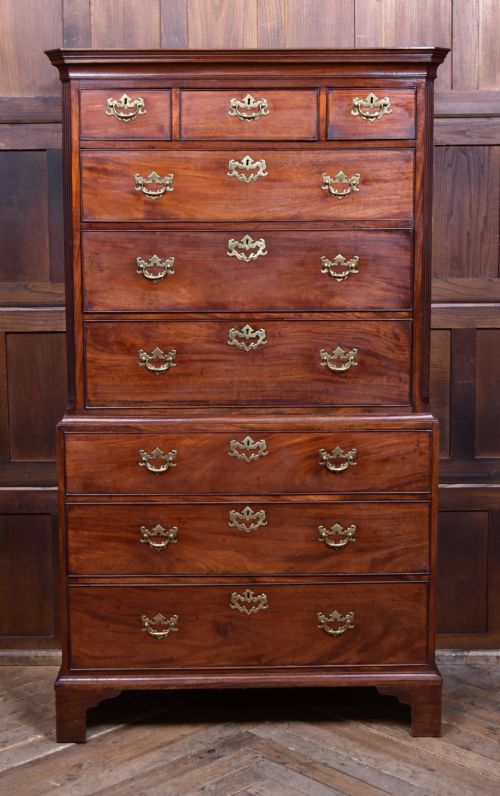
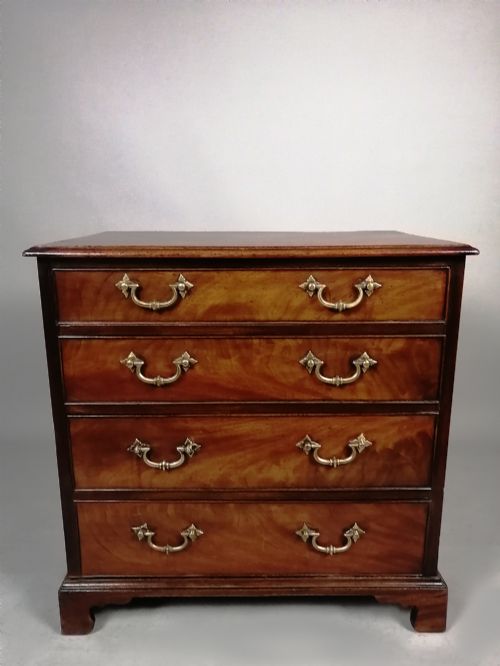
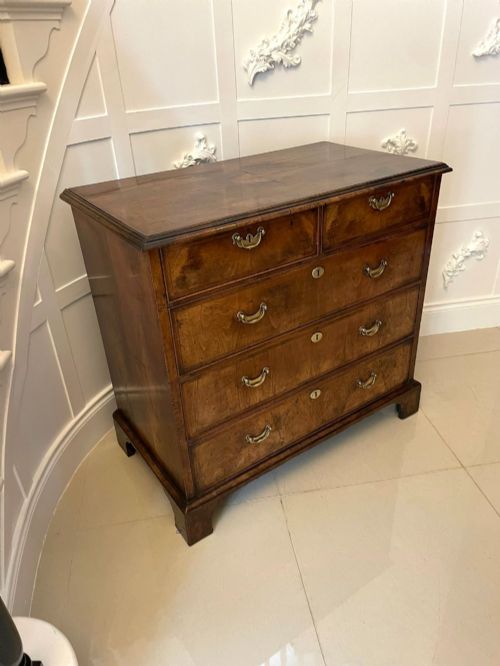
The chests of drawers on this page predominantly utilise mahogany, oak and walnut. They range from compact four-drawer examples to larger chest on chest configurations and serpentine commodes.
Alongside eighteenth-century originals, the selection includes pieces from the nineteenth and twentieth centuries built in the Georgian style. These later interpretations preserve the traditional proportions and corner bracket supports characteristic of the period.
Materials and construction
Cabinet makers constructed these pieces using solid timbers and veneers of mahogany, oak, walnut and burr walnut, frequently accented with fruitwood inlay or crossbanding. Drawer fronts and sides show period dovetailing, while secondary woods such as pine appear on internal surfaces.
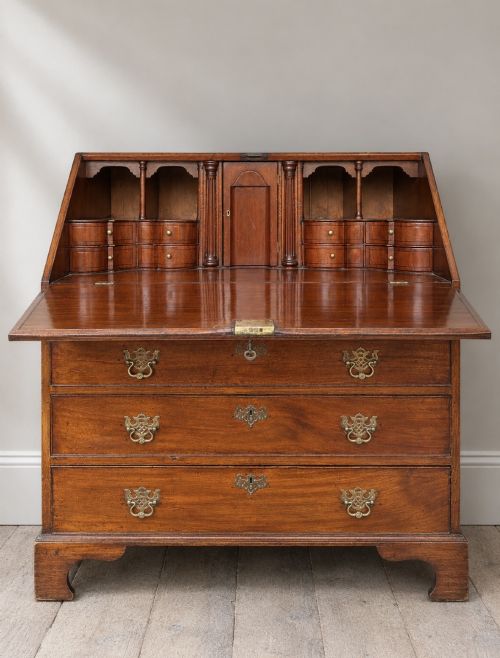
The bracket feet themselves are formed from mitred joints fixed to the lower corners of the carcase, sometimes shaped with a sweep or ogee profile. Original brass handles, escutcheons and iron hinges complete the hardware assemblies found across these items.
Object forms span chests of drawers, bureaux, blanket boxes, bookcases, bedside chests and corner cabinets.
Variations in quality
Quality in these items rests upon the selection of timber figure, such as highly grained burr walnut or figured mahogany, paired with precise cabinet making. The execution of the mitred bracket feet and the retention of original brass handles and backplates influence the standing of a piece.
Proportion and surface finish distinguish examples, with fine grain definition and minimal timber replacement marking out superior construction across desks, bookcases and chests.
J Moorcroft
The Georgian Bracket Feet Glossary
- Bracket foot
- A corner foot shaped like a bracket, supporting case furniture with a mitred joint at the corner. It provides an elevated architectural base for chests and desks.
- Serpentine
- A furniture front curving outward at the centre and inward at the sides. This contour requires skilled carpentry to shape the timber and drawers.
- Crossbanding
- A narrow strip of veneer laid across the grain direction around the border of a panel or drawer. It frames the primary wood grain for decorative contrast.
- Brushing slide
- A pull-out shelf integrated above the top drawers of a chest or bureau. It provided a surface for grooming or writing without opening the main drawers.
- Chest on chest
- A tall case furniture piece formed of a smaller upper chest stacked upon a larger lower chest. This double carcase construction maximises storage capacity.
- Bureau
- A desk featuring a sloping fall-front that opens to reveal internal pigeonholes and small drawers. It combines a writing surface with drawer storage.
Georgian Bracket Feet: Frequently Asked Questions
What is a bracket foot?
A bracket foot is a corner support used on case furniture like chests of drawers and bookcases. It consists of two pieces of wood mitred together at the corner to lift the carcase off the floor.
These supports appear in various profiles, including plain blocks, ogee curves and swept designs, providing a stable base that complements traditional cabinet proportions.
How do I identify Georgian furniture?
Georgian furniture is identified by its classical proportions, timber selection and construction methods. Pieces from this era frequently utilise solid mahogany, oak or walnut with hand-cut dovetails on the drawers.
Details such as original brass handles, bracket feet and subtle crossbanding help distinguish pieces made during the eighteenth century from later revival items.
Where were chests of drawers used?
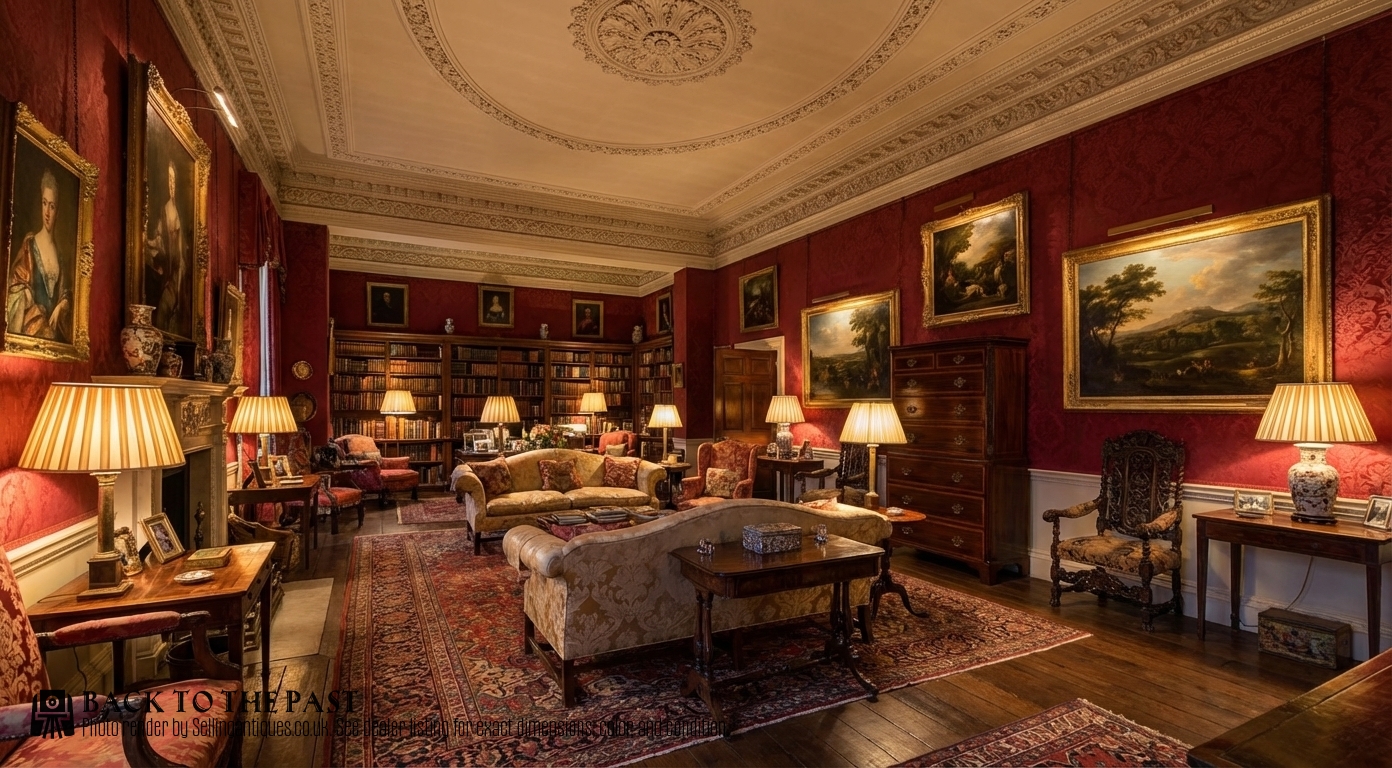
Chests of drawers were placed in bedrooms, dressing rooms and parlours to store clothing, linens and personal items. Compact versions such as bedside chests and small four-drawer models fitted into tighter spaces.
Desks and bureaux served dual purposes in studies or private rooms, combining storage drawers with a fold-down writing surface for correspondence and household accounts.
How do I care for antique wood?
Antique wood surfaces require stable environmental conditions away from direct heat sources and strong sunlight. Maintaining consistent humidity prevents timber from splitting and veneers from lifting.
Gentle dusting with a dry cloth preserves the finish, while periodic waxing nourishes the timber and maintains the natural lustre built up over centuries of use.