
Antique Scroll Arm Couch
An antique scroll arm couch brings classical elegance and deep comfort to a room, uniting nineteenth-century craftsmanship with enduring style.

Antique Scroll Arm Couch
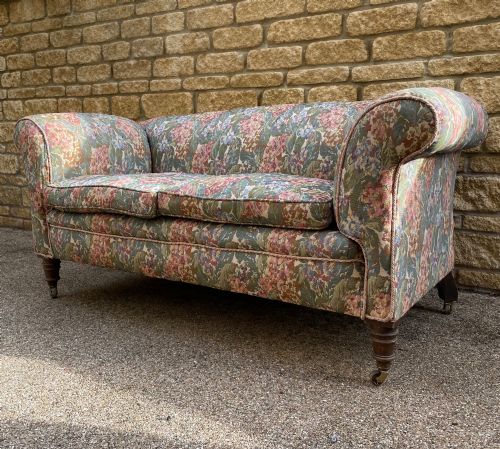
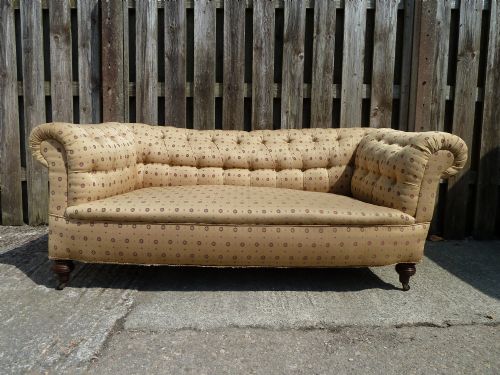
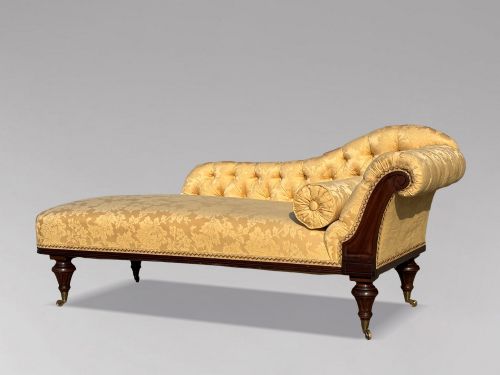
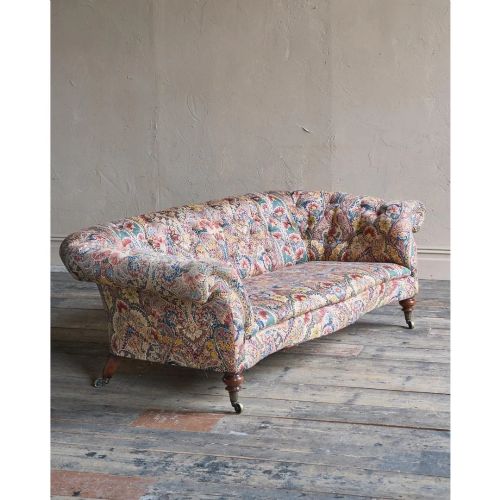
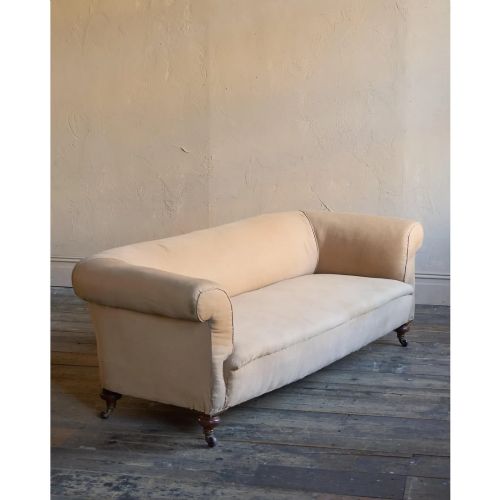
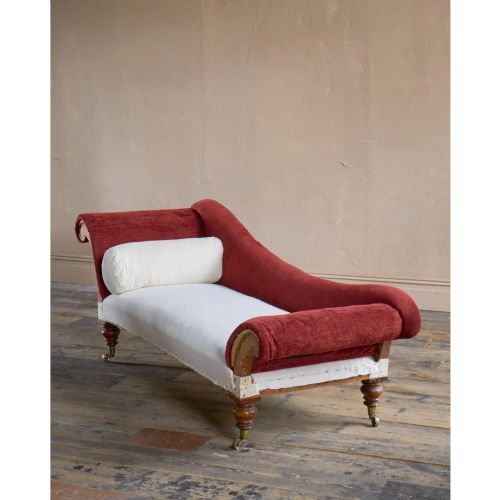
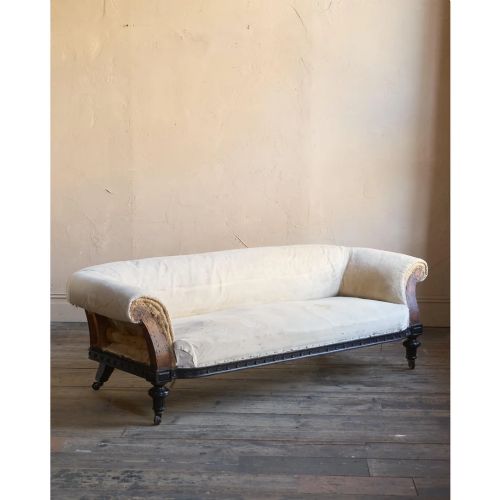
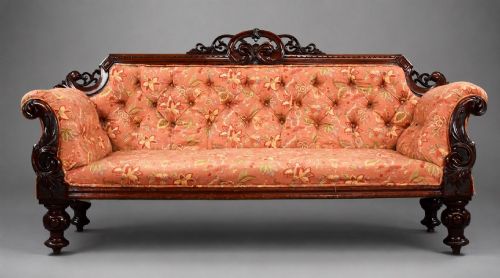
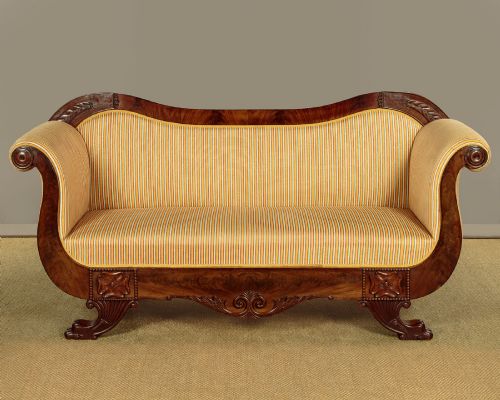
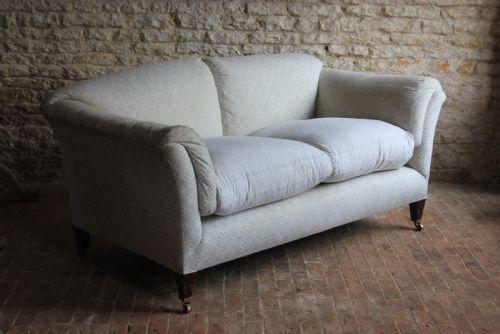
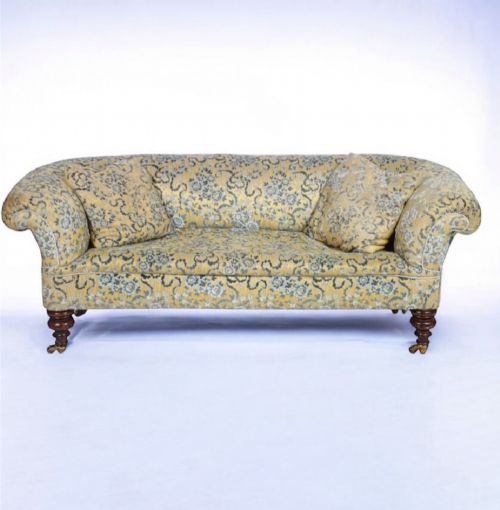
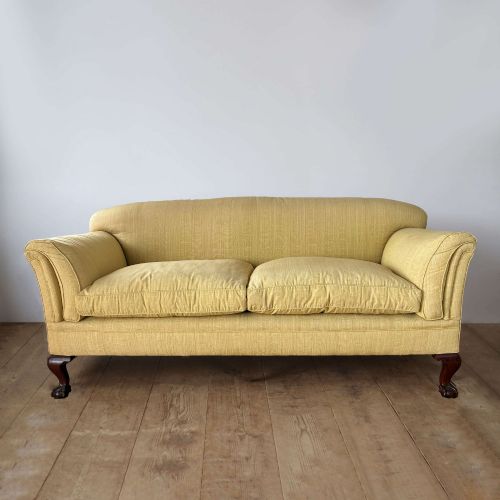
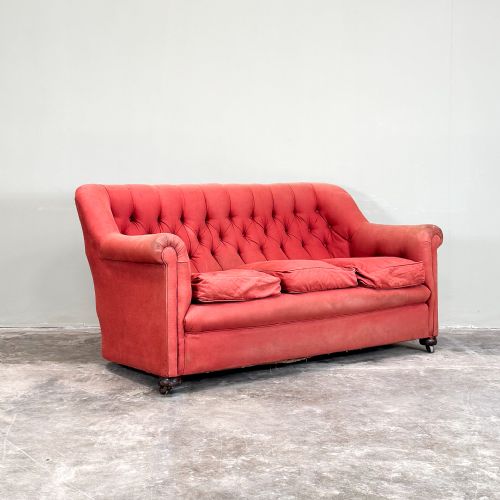
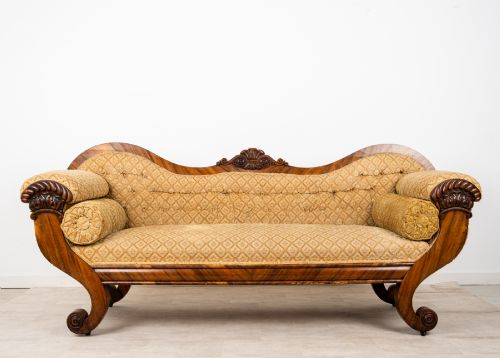
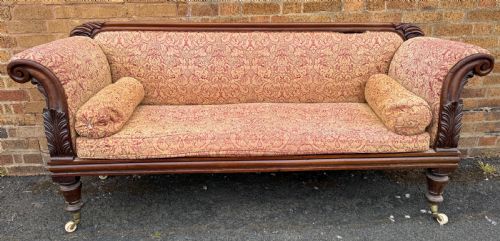
When searching for an antique scroll arm couch, buyers encounter a diverse selection of nineteenth-century seating, including nineteenth-century chaises longues, Chesterfield sofas, and scroll end settees. These pieces range across Regency, William IV, and Victorian periods, reflecting the shifting tastes of English country houses and town residences alike.
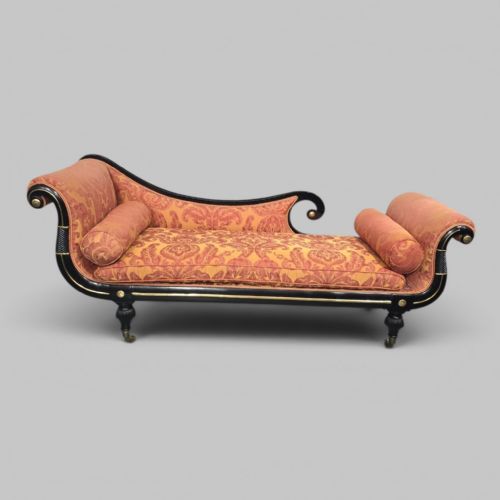
The most common examples on this page date from the Victorian era and the Regency period, often featuring prominent scrolled arms or ends. Forms vary from expansive two-seater and multi-seater sofas to daybeds and récamier-style chaises longues designed for reclining.
Makers and workshops from these eras utilised rich native and exotic timbers alongside robust framing to support generous upholstery. A buyer exploring this phrase looks for the distinctive sweeping woodwork and deep-sprung comfort characteristic of nineteenth-century seating.
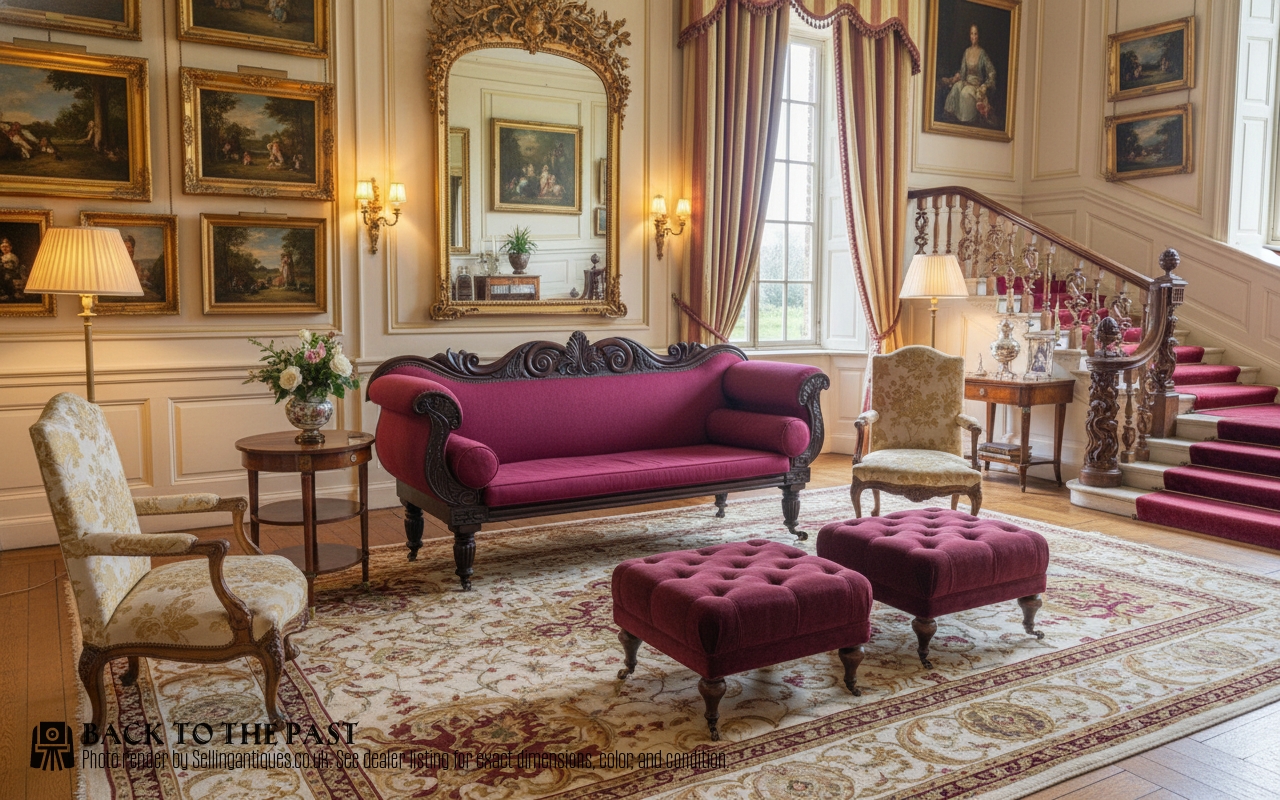
How they were made
Frames are constructed from solid timbers such as mahogany and rosewood, sometimes simulated on alternative woods, providing the structural integrity needed for sweeping scroll arms. Turnings and carved details are worked directly into the wooden framework, while brass castors frequently support the feet.
Upholstery relies on traditional stuffing materials built over a sprung base, enclosed in fabrics including velvet, damask, hessian, and leather. The integration of durable webbing and deep springs allowed makers to achieve the resilient cushioning seen on Chesterfield sofas and scroll end settees.
Antique Scroll Arm Couch Retail Price Guide 2026
Typical asking prices for scroll arm couch among the pieces listed under this phrase on Sellingantiques today, from the lower quarter to the upper quarter. They describe what is for sale here now, not the wider market.
Several pieces preserve their original castors, ready to roll across your floorboards after nearly two centuries.
What varies in quality
The calibre of an antique scroll arm couch is determined by the crispness of the timber carving and the architectural proportion of the scroll ends. Finer examples display expertly figured rosewood or mahogany veneers and fluidly shaped frames that maintain balance from every angle.
Subtlety in turning, the integration of original brass hardware, and the integrity of the underlying frame construction separate standard production pieces from workshop outputs attributed to esteemed makers like Howard and Sons or Gillows.
Howard and Sons·Holland and Sons·Gillows
The Antique Scroll Arm Couch Glossary
- Scroll end
- A sweeping, outward-curving wooden or upholstered terminal on a sofa or couch. This characteristic shape defines nineteenth-century Regency and William IV seating silhouettes.
- Chaise longue
- An upholstered couch resembling a chair with a long seat for reclining. Evidence shows these appearing in Regency and Victorian incarnations.
- Chesterfield
- A deep-tufted, upholstered sofa traditionally featuring arms and back of the same height. These robust pieces frequently appear in nineteenth-century country house settings.
- Récamier
- A type of chaise longue featuring two raised scrolled ends and an open side. Named after Madame Récamier, this form is associated with the Regency and William IV periods.
- Simulated rosewood
- A painted or stained wood finish designed to imitate the rich grain and deep colour of genuine rosewood. Cabinet makers utilised this technique on nineteenth-century frames.
Antique Scroll Arm Couch: Frequently Asked Questions
How do I distinguish Regency from Victorian pieces?
Regency pieces often exhibit cleaner classical lines, simulated or solid rosewood, and lyre shapes influenced by ancient Greek and Roman forms. Victorian examples tend to be heavier, featuring darker carved mahogany and more robust upholstery.
Examining the turning on the legs and the heft of the wooden frame helps clarify the period.
Were chaises longues used for sleeping?
Chaises longues were primarily designed for daytime resting, reading, and formal reclining rather than night-time sleeping. Their single raised end supported the head while the long seat accommodated the body.
They served as elegant additions to withdrawing rooms and large bedrooms.
Where should I place a scroll arm couch?
These couches suit principal reception rooms, studies, or large drawing rooms where their sculptural scroll arms can be viewed from multiple angles. A chaise longue works well placed perpendicular to a window or fireplace.
Allowing space around the piece highlights its nineteenth-century silhouette.