


Antique Scottish Snuff Box
When you search for an antique scottish snuff box, you enter a world of horn, silver, and agate crafted to hold ground tobacco.
Antique Scottish Snuff Box
An antique scottish snuff box is a pocket or table container designed for holding dry tobacco powder for inhalation. These objects range from simple utilitarian containers to elaborate display pieces commissioned by wealthy patrons.
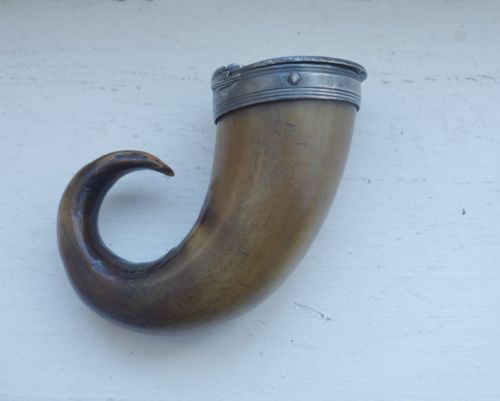
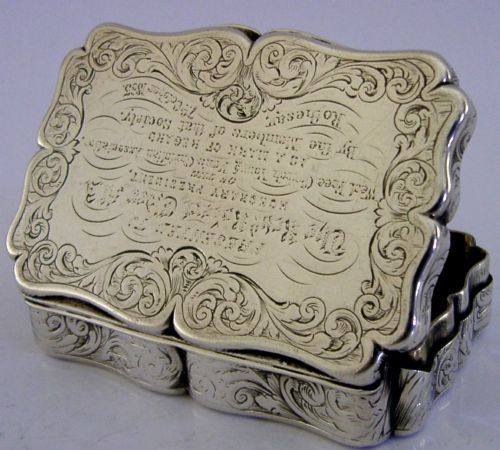
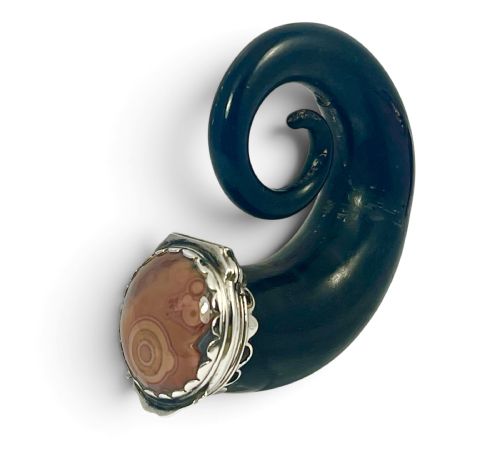
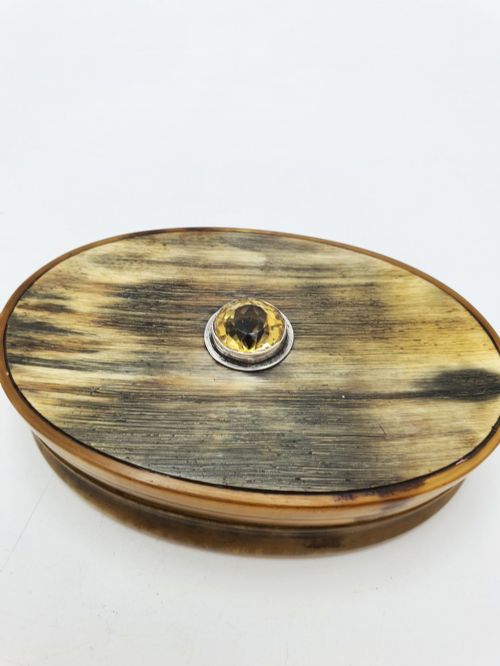
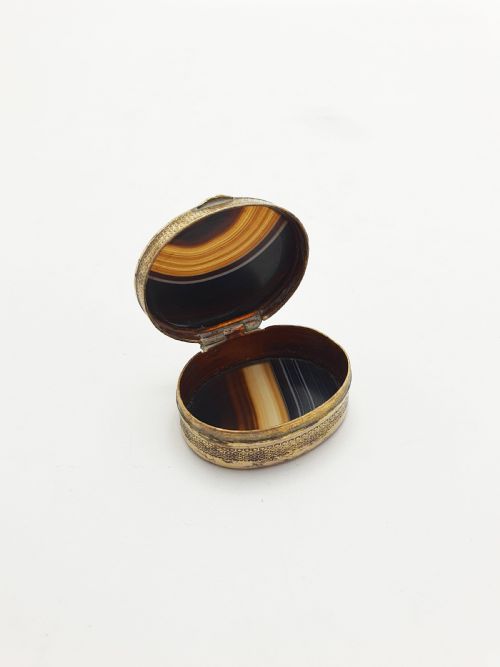
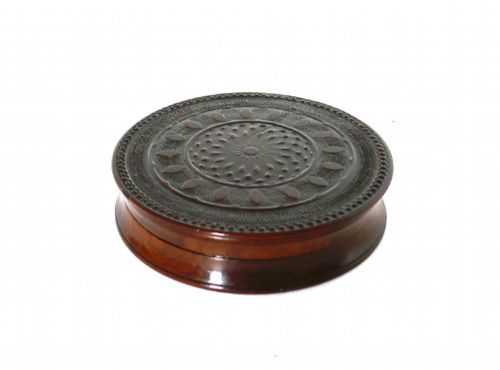
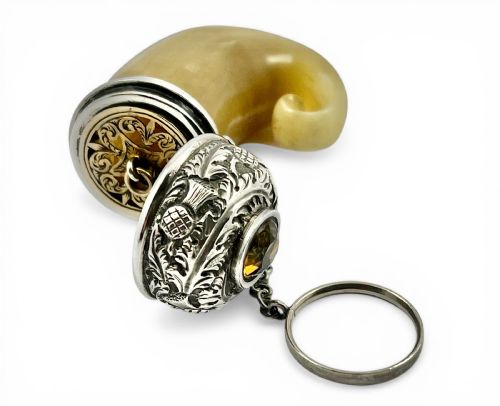
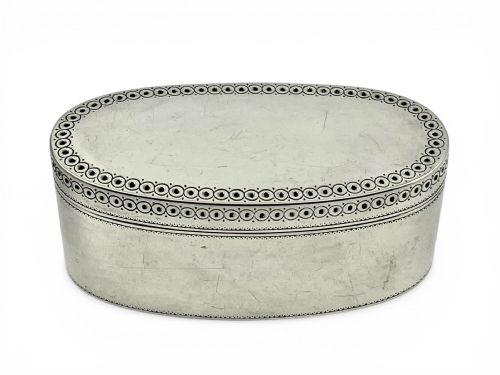
The versions most commonly met on this page include horn snuff mulls mounted in silver, treen boxes carved from laburnum or burr wood, and metal vinaigrettes inset with polished cairngorm or agate stones. They reflect both everyday rural traditions and formal urban goldsmithing across the Georgian and Victorian eras.
Makers utilised native materials such as ram horn, staghorn, and Scottish pebble stones to create objects deeply tied to regional identity. Surviving examples demonstrate how pocket containers evolved from simple folk artefacts into ornate items decorated with thistles, tartan patterns, and scenes from Robert Burns poetry.
How they were made
Makers formed horn snuff mulls by heating and pressing organic horn into curved shapes, often mounting the rims in sterling silver or pewter. Treen boxes were turned on a lathe or carved by hand from dense woods like laburnum, burr root, and birch.
Stonemasons and lapidaries cut and polished native Scottish stones such as cairngorm, citrine, and agate to fit tightly into silver or gilt brass bezels on the lids. Metalwork involved casting, chasing, and engine-turning silver or gold plates to create textured geometric patterns.
Some nineteenth-century makers carved wooden lids with characters from Robert Burns poems so owners could ponder Tam o' Shanter while taking a pinch.
What varies in quality
The quality of an antique scottish snuff box depends on the fineness of the metalwork, the clarity and polish of inset stones, and the precision of the carving. Superior pieces exhibit crisp penwork engraving and secure, tight-fitting hinges that operate smoothly.
Hilliard and Thomason·John Caw·William McNaught·David McDonald
The Antique Scottish Snuff Box Glossary
- Snuff mull
- A pocket container specifically made for holding ground tobacco, traditionally fashioned from a ram or goat horn. The natural curve of the horn dictated the final shape of the object.
- Vinaigrette
- A small hinged box fitted with an internal pierced grille, designed to hold a sponge soaked in aromatic vinegar. These containers were carried to mask unpleasant odours in public spaces.
- Treen
- Small handmade wooden objects produced by turning or carving. Collectors prize treen pieces that display interesting grain patterns or decorative penwork.
- Cairngorm
- A variety of smoky quartz found in the Cairngorm Mountains of Scotland, frequently cut and mounted into the lids of silver and horn boxes. This yellow-brown stone added local mineral colour to metalwork.
- Penwork
- A decorative technique where ink or pyrography is applied to wood or bone to create detailed miniature drawings. Examples often depict hunting scenes or literary characters.
Antique Scottish Snuff Box: Frequently Asked Questions
What is a snuff mull?
A snuff mull is a specific type of container made from animal horn used to store dry ground tobacco for nasal ingestion. They often feature metal lids and mounts.
Unlike flat rectangular boxes, mulls retain the natural organic curve of the horn from which they were shaped.
How do you date a horn box?
Dating horn boxes relies on examining the style of the metal mounts, hinges, and any accompanying hallmarks on silver or gold components. Georgian pieces tend to feature simpler mounts, while Victorian examples often incorporate intricate thistle chasing and faceted stones.
Maker marks and engraved dates on cartouches also provide clear chronological markers for specific items.
Were these boxes used by men or women?
Both men and women carried snuff containers during the eighteenth and nineteenth centuries as part of polite social etiquette. Pocket-sized boxes were easily stowed in waistcoats or small purses.
Table snuff boxes remained communal objects placed on dining or drawing-room surfaces for guests to share.
What are cairngorm stones?
Cairngorms are naturally occurring yellow-brown quartz crystals sourced from the Scottish highlands. Goldsmiths set these faceted stones into the lids of silver and horn boxes.
They served as a popular decorative gemstone that highlighted regional Scottish mineral resources.