


Antique Horn Container
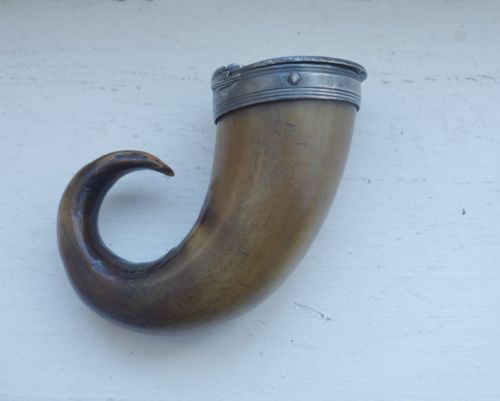
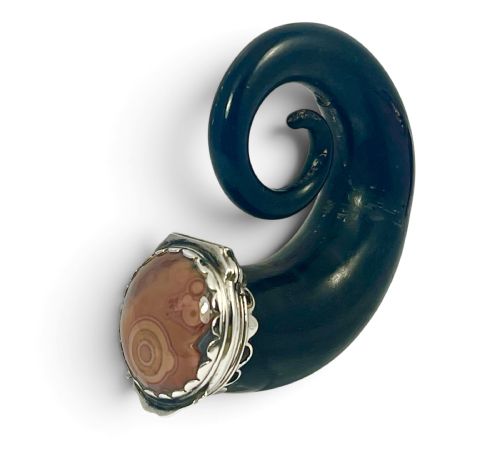
An antique horn container is a tactile piece of functional history, and these items range from Scottish snuff mulls to carved powder flasks.
Antique Horn Container
When you search for an antique horn container, you encounter a variety of utilitarian vessels fashioned from natural materials. The most common forms on this page are Scottish horn snuff mulls and powder flasks dating from the eighteenth and nineteenth centuries.
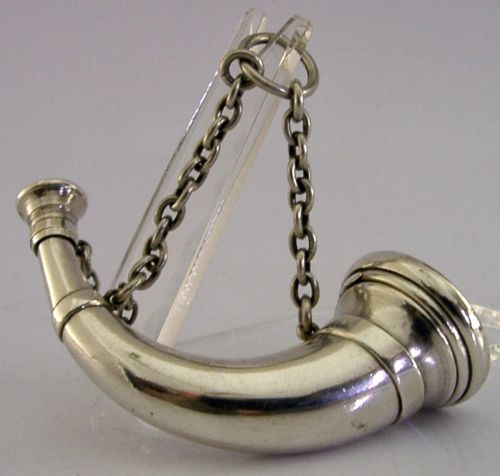
These pieces encompass Georgian and Victorian styles, alongside folk art examples and Indo-Persian designs. Functional objects like vinaigrettes and medicine containers also appear among the selections.
Makers utilised the natural qualities of horn, often mounting the vessels in silver, pewter, or other metals. The collection reflects traditional craftsmanship from diverse regions including Scotland and America.
Materials and construction
The primary material is natural horn, sometimes paired with bone, pony skin, or wood. Artisans shaped these organic materials through heat and carving.
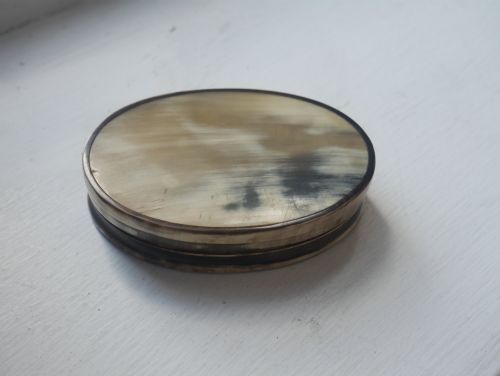
Many vessels feature metal mounts, including sterling silver, white metal, and pewter, securing the lids and hinges. Pressed horn techniques also created detailed commemorative scenes on small boxes.
One historical box preserves the memory of Napoleon's funeral procession pressed directly into the horn lid.
Assessing quality
Quality in an antique horn container rests on the crispness of the carving and the fit of any metal mounts. Silver or pewter work that integrates smoothly with the curved horn indicates superior craftsmanship.
The condition of the organic material and the complexity of the form distinguish standard utility pieces from ornate folk art examples. Surface patination and the preservation of original mounts also influence the standing of each piece.
SAMPSON MORDAN STERLING SILVER
The Antique Horn Container Glossary
- Powder Flask
- A vessel designed to hold gunpowder for firearms, frequently carved from horn or bone. They date largely from the eighteenth and nineteenth centuries.
- Vinaigrette
- A small ornamental hinge-lidded container holding a sponge soaked in aromatic vinegar. Silver mounts are typical for this form.
- Pressed Horn
- A technique where heated horn is compressed into metal dies to produce relief decoration. This method created detailed box lids depicting historical scenes.
- Folk Art
- Objects created by self-trained makers using local materials and traditional methods. These pieces often display idiosyncratic carving and decoration.
Antique Horn Container: Frequently Asked Questions
What are antique horn containers?
These objects are historical vessels made from animal horn, bone, or related organic materials, shaped for practical uses like carrying snuff or gunpowder.
The inventory includes Scottish snuff mulls, powder flasks, and small boxes created during the Georgian and Victorian eras.
How were horn containers used?
People used these containers to store and dispense substances such as snuff for personal consumption or gunpowder for firearms.
Finer versions served as social accessories, often exchanged or displayed during gatherings to signal status and regional identity.
How do I date a horn container?
Dating relies on stylistic clues, metal mounts, and manufacturing techniques characteristic of periods like the eighteenth or nineteenth century.
Inscribed dates, specific regional styles such as Scottish traditional work, and hallmarks on silver components provide further chronological context.
How should I care for horn?
Organic materials require stable environmental conditions away from direct sunlight and excessive moisture to prevent warping or cracking.
Gentle dusting with a soft cloth preserves the natural surface patination without stripping the historical finish.