
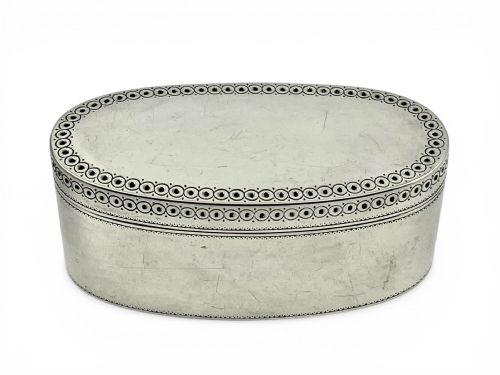


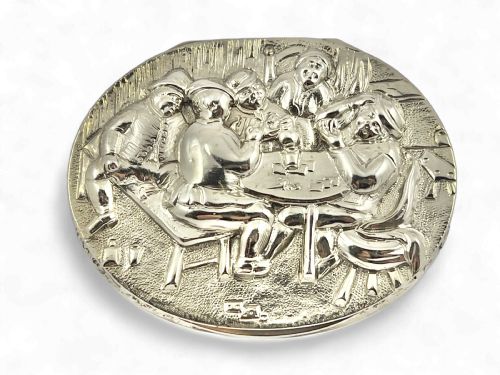


Scottish Tobacco Box
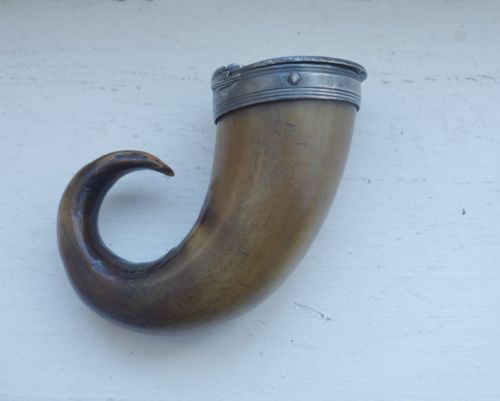
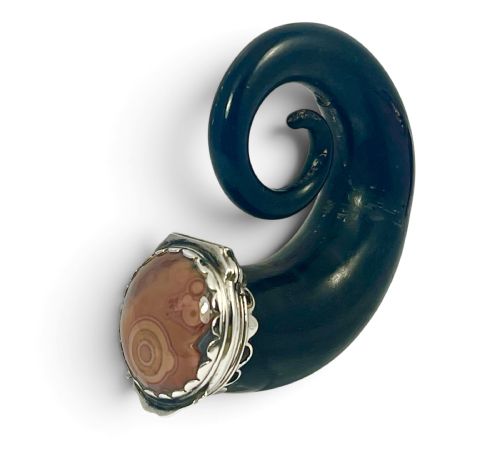
These scottish tobacco box pieces are solid pockets of history, most often found as horn and silver snuff mulls from the nineteenth century.
Scottish Tobacco Box
When you search for a scottish tobacco box, you are looking at small personal containers designed for tobacco, snuff, or cigarettes across several distinct eras. The pieces appearing here span the Georgian, Victorian, and Regency periods, alongside later twentieth century examples.
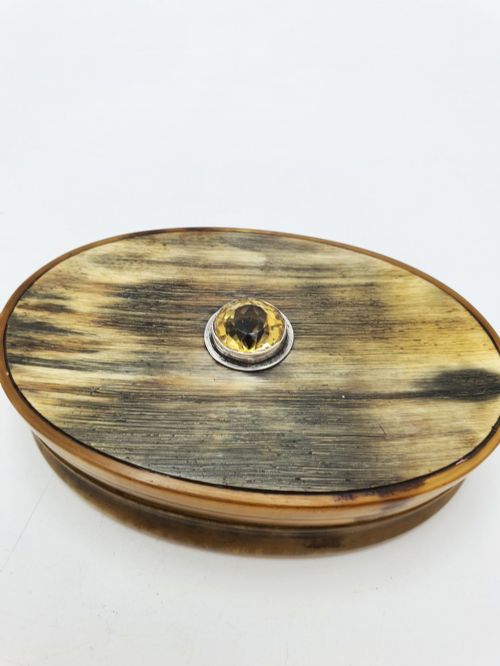
You are most likely to meet horn snuff mulls and silver boxes, often shaped for the pocket or the table. The forms range from simple horn constructions to elaborate mounted pieces set with stones and precious metals.
The regional character remains strong throughout the selection, drawing on Scottish folk art and vernacular traditions. Makers utilised local materials like horn, wood, and silver to create functional items that doubled as personal statements.
How they were made
The construction of these items relies heavily on natural materials shaped by hand. Horn and tortoiseshell provide the primary body for many mulls and boxes, manipulated through heat and pressure.
Metalwork forms the secondary component, with sterling silver, gold, pewter, and brass mounting the lids and edges. Stones such as citrine and agate are frequently set into the silver mounts as decorative focal points.
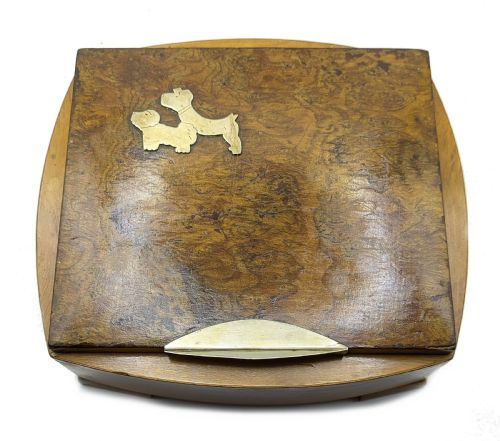
Woodwork also plays a part, utilising burr walnut, amboyna, birch, and oak. Cabinetmakers and silversmiths combined these elements using traditional joinery and metal-fitting techniques.
Listings feature periods from the Georgian era through to the Art Deco nineteen-thirties, using materials like horn, silver, agate, and amboyna.
What varies in quality
Quality in these pieces rests on the refinement of the materials and the integration of the metal mounts. The best examples display seamless joints between horn and silver, alongside well-chosen stones.
The skill of the metalwork or goldsmithing distinguishes finer boxes from standard utilitarian ones. Engraving depth and stone faceting reveal the hand of a more accomplished workshop.
The David McDonald·John Caw
The Scottish Tobacco Box Glossary
- Snuff mull
- A container specifically made for holding powdered tobacco, traditionally fashioned from a ram's horn in Scotland.
- Humidor
- A moisture-controlled box designed to keep cigars or tobacco fresh, appearing in later Edwardian and modern periods.
- Treen
- Small handmade wooden objects produced before the widespread adoption of plastics, often utilising exotic or native timbers.
- Citrine
- A transparent yellow quartz variety frequently used in Victorian silver jewellery and box mounts.
Scottish Tobacco Box: Frequently Asked Questions
How were horn snuff mulls used?
Owners carried them daily to dispense powdered tobacco for snuffing during social gatherings or quiet moments.
The natural curve of the horn made them comfortable to hold in the hand or slip into a waistcoat pocket.
How do I date a horn box?
Dating relies on the style of the silver mounts, hallmarks, and the specific construction techniques visible on the piece.
Georgian and Victorian pieces often feature distinct hallmarks or traditional Scottish folk art motifs that place them in a specific decade.
Are these boxes made of solid silver?
Many of the silver elements and boxes are made from sterling silver, often indicated by Edinburgh or Glasgow assay marks.
Some pieces combine silver mounts with organic materials like horn, tortoiseshell, or wood rather than being entirely metallic.
How should I display a wooden humidor?
Place wooden and amber boxes out of direct sunlight to prevent the natural timber and horn from drying out.
Keeping them in a stable room temperature helps preserve the integrity of the antique wood and any stone insets.