


Antique Scottish Cupboard
An antique scottish cupboard brings robust regional timber and practical storage into a room, offering genuine domestic history.
Antique Scottish Cupboard
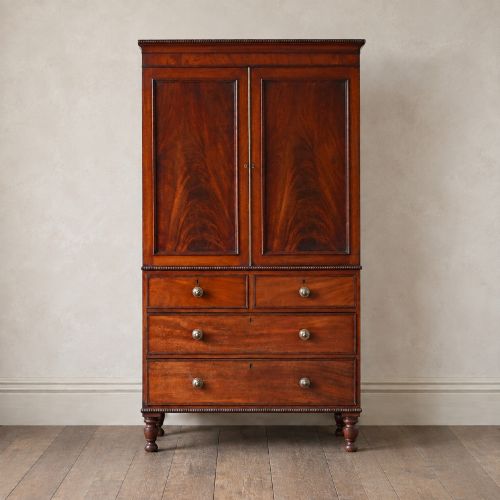
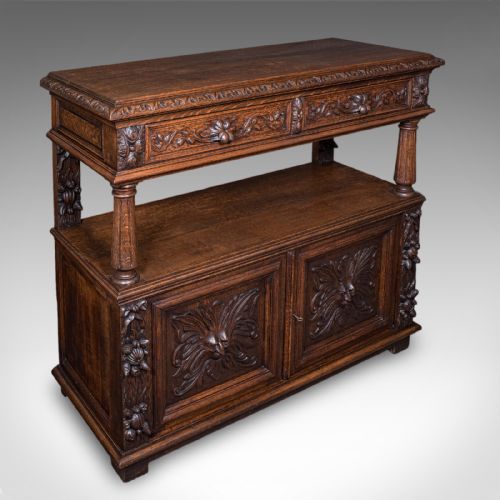
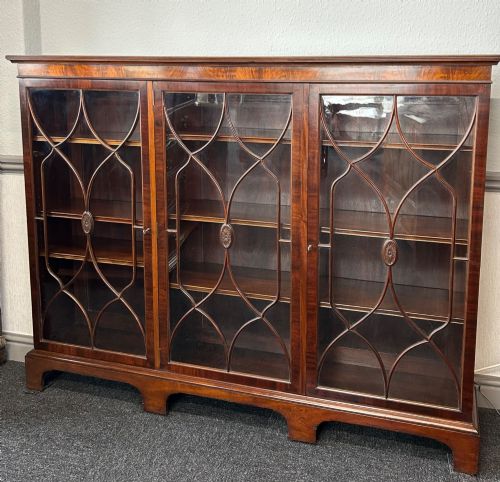
An antique scottish cupboard encompasses everything from grand mahogany linen presses and glazed bookcases to sturdy pine kitchen dressers and painted food cupboards. Buyers seeking this phrase encounter a rich variety of regional storage furniture spanning the Georgian, Victorian, and Edwardian eras.
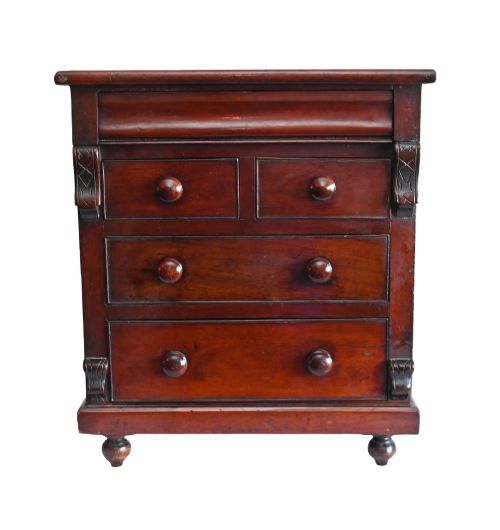
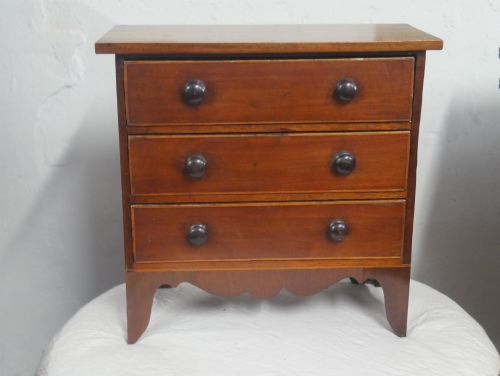
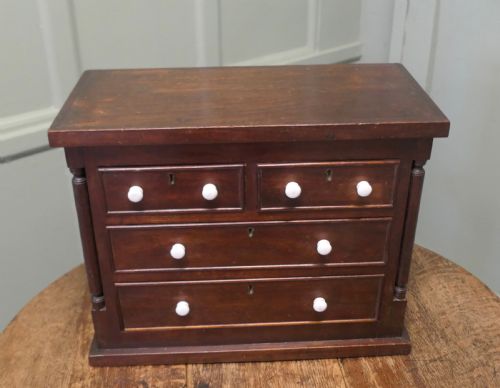
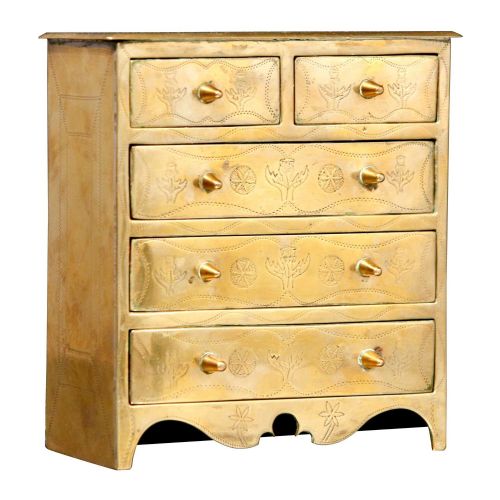
The domestic forms range from towering corner cabinets and sideboards to diminutive apprentice chests and miniature scotch chests. Pieces originating from Scottish workshops often display distinct utilitarian strength alongside refined decorative touches.
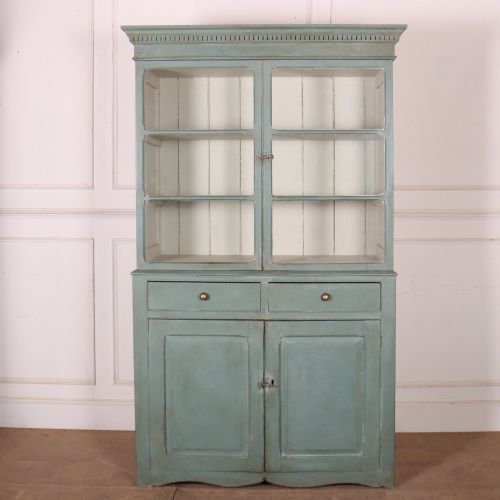
Kitchen dressers, dairy dressers, and gamekeeper's cabinets represent the more functional side of the tradition, whilst refined mahogany bookcases and walnut bureau bookcases reflect urban cabinet-making talent in centres like Glasgow and Edinburgh.
Materials and construction
Cabinet-makers working in Scotland utilised local timbers such as oak, pine, and elm alongside imported hardwoods like mahogany, walnut, and satinwood. Brass hardware, including engraved thistle motifs and handles, frequently complements the timber construction.
Surfaces often receive traditional treatments ranging from clear polishing to decorative paint finishes and scumbled surfaces. Glazed doors with timber astragals incorporate glass panels to protect books, linen, or display collections.
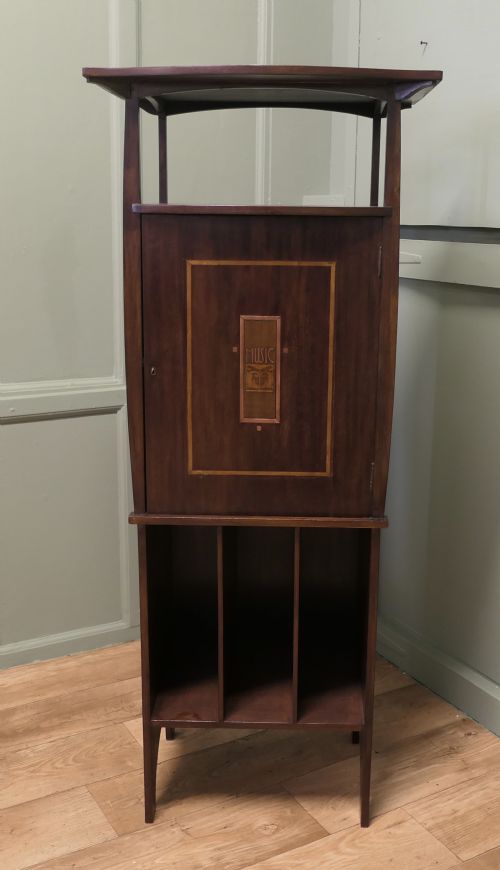
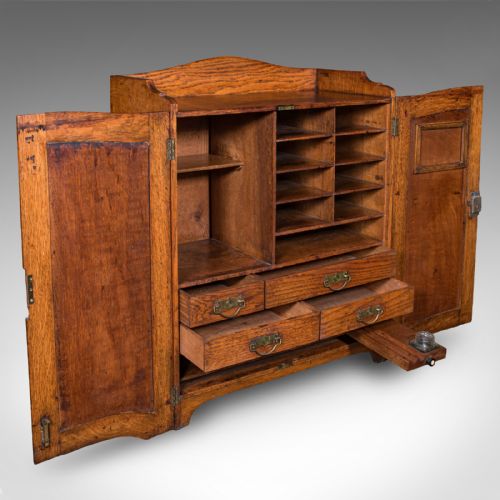
Recorded forms include glazed kitchen cabinets, music cabinets, apprentice chests, linen presses, corner cabinets, and collector's chests.
Assessing quality and character
The hierarchy of quality rests on the selection of timber, such as figured mahogany or pollard oak, and the precision of the joinery. Finer examples display meticulous attention to proportion, well-figured grain matching, and original brass fittings.
Original painted or scumbled surfaces retain historical charm and surface patina, whereas later overpainting alters the integrity of a piece. Robust construction in utilitarian pine or oak demonstrates honest regional craftsmanship rather than delicate urban polish.
GM Elwood for JS Henry·F.H. Marshall & Co Glasgow·Wylie and Lochhead·Whytock & Reid of Edinburgh·Francis Brodie·William Trotter
The Antique Scottish Cupboard Glossary
- Apprentice piece
- A small-scale item created to demonstrate skill by a worker learning a trade. These miniature chests and cabinets mirror the joinery of full-sized furniture.
- Linen press
- A tall cupboard featuring sliding trays or shelves behind doors, designed for storing textiles. Georgian and Victorian examples in mahogany or oak are common.
- Scumble
- A decorative paint technique used to imitate wood grain or create textured patterns over a base colour. It appears frequently on regional kitchen furniture.
- Astragal
- A moulding profile used to divide panes of glass within a cabinet door. These wooden bars form geometric or Gothic patterns across bookcases.
- Bureau bookcase
- A combination form featuring a sloping desk flap below glazed shelving doors. Walnut and mahogany versions often incorporate fitted interior compartments.
Antique Scottish Cupboard: Frequently Asked Questions
How do I identify a Scottish piece?
Regional identification relies on characteristic timber choices like Scots pine or figured elm, distinct vernacular forms such as dairy dressers, and construction details typical of northern workshops.
Maker attribution often points to documented Edinburgh and Glasgow firms, whilst provincial pieces reveal local traditions through painted scumbled finishes and robust proportions.
Where were these cupboards used?
These items served functional roles across various domestic and estate settings, from country kitchens and dairies to grand libraries and gamekeeper's lodges.
Larger presses and bookcases occupied formal reception rooms, whereas smaller food cupboards and nightstands met daily domestic needs in private quarters.
Are painted finishes original?
Original painted and scumbled surfaces survive on many regional kitchen dressers and food cupboards, showing authentic wear and patina accumulated over generations.
Careful examination of the paint layers reveals whether the surface decoration dates from the period of manufacture or represents a later decorative intervention.