



Antique Scientific Apparatus
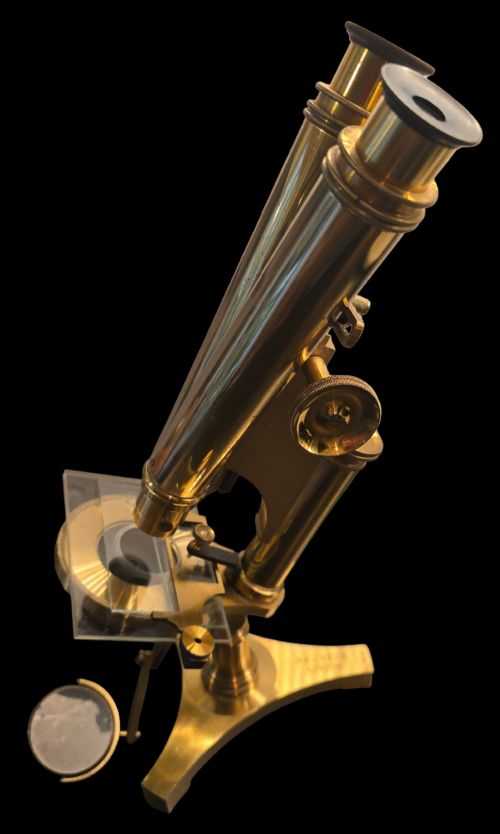
Antique scientific apparatus brings precision engineering and laboratory history into your study through instruments of brass, mahogany, and glass.
Antique Scientific Apparatus
When you search for antique scientific apparatus, you are looking at instruments and demonstration models designed for measurement, experimentation, and education across several centuries. The pieces available here span from the Georgian period through the Victorian era and into the mid-twentieth century.
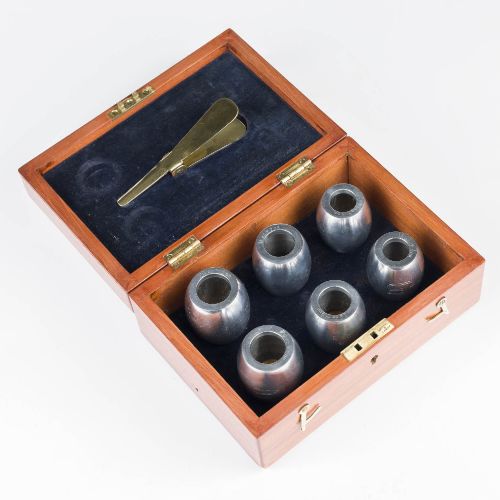
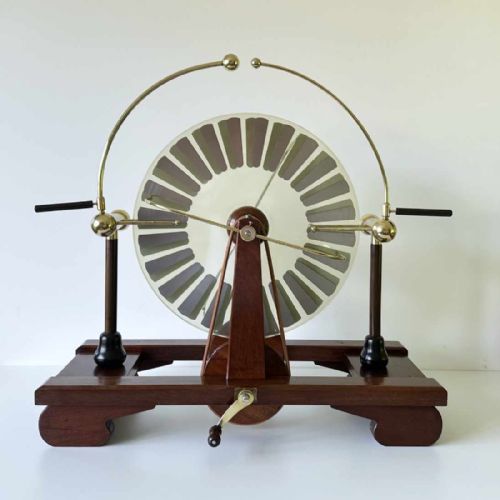
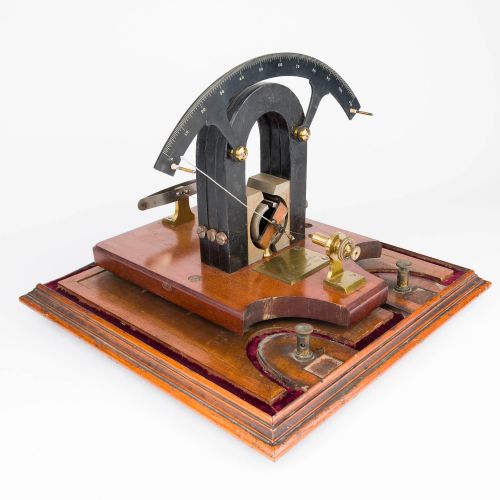
You will most commonly meet brass and mahogany instruments enclosed in fitted wooden cases, alongside larger electrical demonstration machines. These range from portable field devices like barometers and theodolites to laboratory-scale galvanometers and induction coils.
Origins vary between English makers based in London and Manchester, alongside continental workshops from Paris and Germany. Each object reflects the practical demands of nineteenth and early twentieth-century science, industry, and medical investigation.
How they were made
Metal components required precise lathe work and hand-engraving for vernier scales and maker signatures, while woodwork involved dovetailed joints and velvet-lined interiors to secure fragile lenses and needles during transit.
Antique Scientific Apparatus Retail Price Guide 2026
Typical asking prices for scientific apparatus among the pieces listed under this phrase on Sellingantiques today, from the lower quarter to the upper quarter. They describe what is for sale here now, not the wider market.
Faraday's egg experiment apparatus sits ready to demonstrate electrostatic charge.
What varies in quality
Quality in these instruments depends upon the crispness of the division engraving on brass scales and the structural integrity of the fitted wooden housing. Superior examples retain their original lacquered finishes and specialised glass components without replacement.
The reputation of the workshop dictates much of the standing, with signed instruments by established London or Parisian opticians and instrument makers showing finer tolerances in their moving parts than unmarked laboratory pieces.
De Grave Short And Co·G Adam·W And S Jones·R And J Beck·Robert Brettell Bate·Poulenc Freres·Alfred Apps·Negretti And Zambra·Goodbrands·Casella London·Watkins And Hill·Swift And Son·Thomas Harris And Son·Max Kohl·William Ladd
The Antique Scientific Apparatus Glossary
- Barograph
- A self-recording aneroid barometer that charts atmospheric pressure over time onto a rotating drum.
- Galvanometer
- An electromechanical instrument used for detecting and measuring small electric currents.
- Theodolite
- A precision optical instrument for measuring horizontal and vertical angles in surveying and navigation.
- Hygrometer
- An instrument utilised for measuring the humidity or moisture content of the atmosphere.
- Thermoscope
- An early device that indicates changes in temperature without necessarily measuring them on a standardised numerical scale.
Antique Scientific Apparatus: Frequently Asked Questions
What is an antique scientific apparatus?
These pieces are functional instruments and laboratory models built to measure physical phenomena, conduct experiments, or demonstrate scientific principles.
They reflect the technological and educational methods of the Georgian, Victorian, and Edwardian periods.
How were these instruments used?
Scientists, surveyors, physicians, and educators used them in laboratories, classrooms, and field expeditions for precise measurement and testing.
Many were built specifically for portability, housed in fitted wooden cases with specialised compartments for delicate accessories.
How do I date an instrument?
Dating relies on engraved maker signatures, address details, material choices, and the specific mechanical style of the period.
Changes in housing design from Georgian mahogany boxes to late Victorian industrial housings provide clear chronological markers.
How should I display them?
Display them on sturdy surfaces away from direct sunlight and damp environments to protect exposed brass, wood, and glass components.
Keeping cased instruments clean and allowing space for larger apparatus highlights their complex mechanical engineering.