


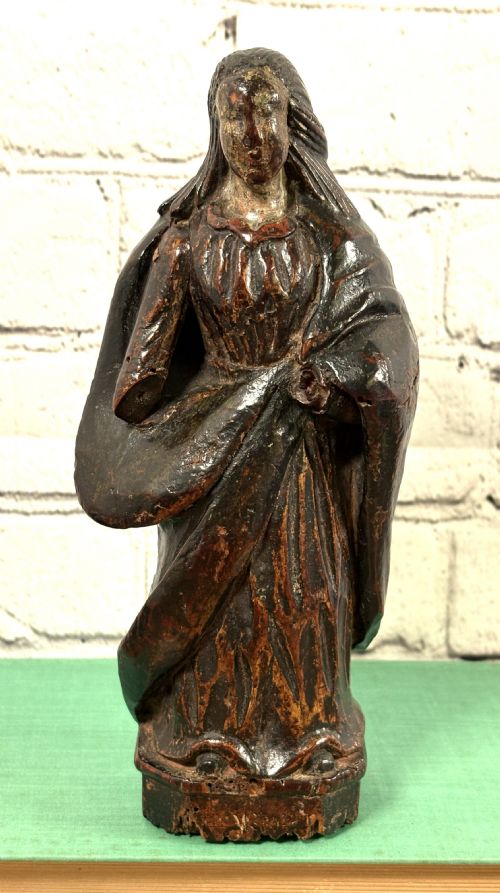


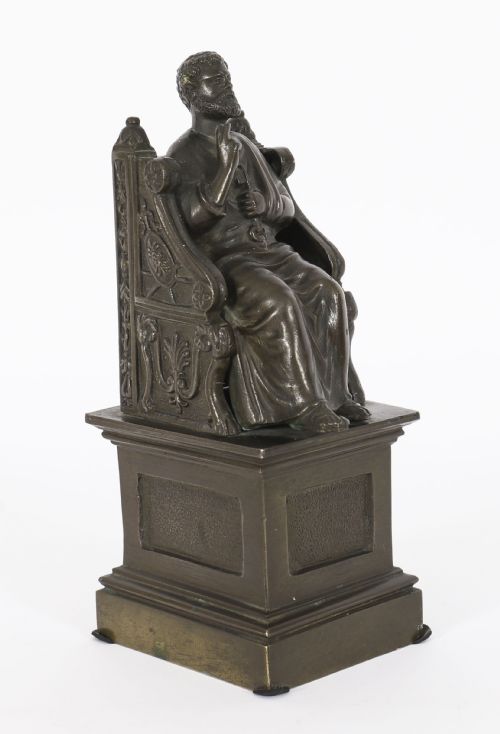

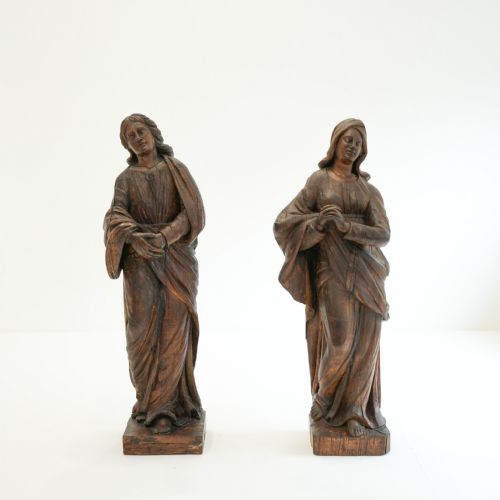


Antique Saint Statue
An antique saint statue brings devotional history and profound sculptural presence directly into a room.
Understanding the Pieces
An antique saint statue represents religious figures through centuries of European ecclesiastical art. When you search for this phrase, you encounter sacred sculptures shaped by hands long gone, carrying the quiet gravity of historic worship.
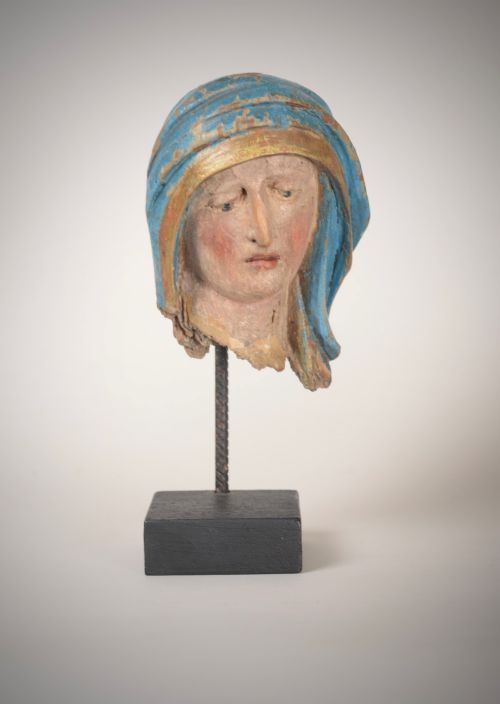
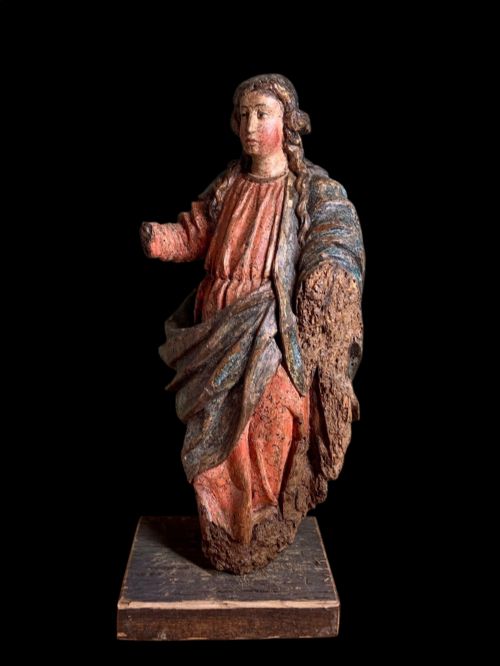
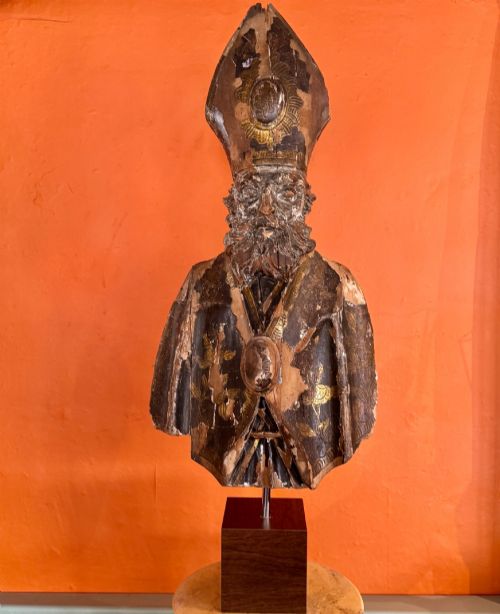
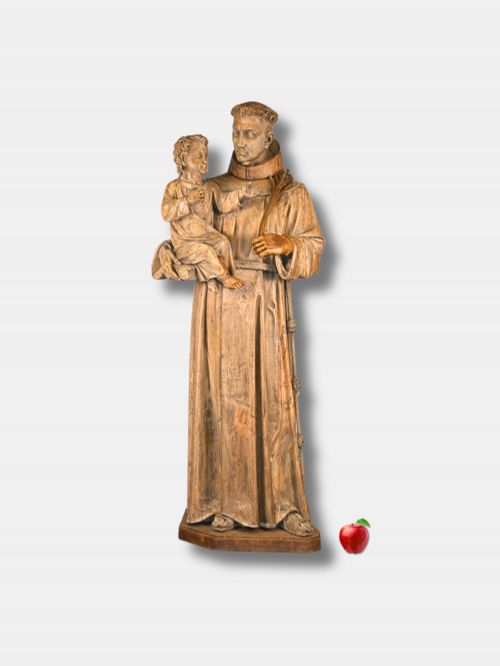
The pieces appearing here span four distinct historic eras, stretching from pre-sixteenth century works up to the eighteenth century. You are most likely to meet carved wooden figures and stone sculptures depicting bishops and holy figures.
Regional and stylistic diversity shapes these forms, moving from Gothic and Renaissance ideals into the theatrical flair of the Italian Baroque. Each object carries the specific aesthetic weight of its original ecclesiastical or architectural context.
Materials and Construction
Surface treatments elevate the carved structures through the application of gesso and gold leaf. Gilded wood finishes catch the light, echoing the ornate interiors of historic chapels and churches.
Retail Price Guide 2026
Typical UK retail prices for saint statue, calculated from the Sellingantiques database of over a million retail prices indexed since 2003. This retail price guide relies exclusively on Sellingantiques data; no external sources or auction records are used, so the figures do not describe the wider market.
Listings feature periods spanning from pre-sixteenth century stone works to eighteenth-century gilded wood.
Assessing Quality
Quality rests upon the confidence of the carving and the preservation of original surface details. Master carvers achieved fluid drapery and expressive anatomical depth that lesser workshops failed to capture.
The survival of historic gilding and gesso layers distinguishes superior examples from those stripped or heavily restored over the centuries. Material integrity and surface patination dictate the visual power of each sculpture.
The Antique Saint Statue Glossary
- Gesso
- A plaster mixture applied to wood as a smooth base for gilding and painting. It provides the foundational texture beneath gold leaf.
- Limewood
- A fine-grained hardwood favoured by historic carvers for its cooperative nature under chisels. It allows for intricate undercut details without splitting.
- Ecclesiastical
- Relates to the Christian Church or its clergy. These objects were originally made for worship spaces rather than domestic display.
- Baroque
- A stylistic period known for drama, movement, and rich ornamentation. It succeeds Renaissance restraint with emotional intensity.
Frequently Asked Questions
What is an antique saint statue?
An antique saint statue is a hand-carved sculpture depicting a holy figure, created for religious devotion and ecclesiastical settings.
These pieces range across multiple centuries, utilising materials like wood, stone, and gold leaf to portray bishops and saints.
Where were these statues placed originally?
These sculptures originally stood within churches, chapels, and monastic foundations as objects of veneration and architectural focus.
Many formed parts of altarpieces, reliquaries, or wall niches before entering private collections.
How do I date a wooden saint figure?
Dating relies upon analysing tool marks, wood species, and stylistic shifts in drapery and facial carving.
Earlier periods like the Gothic era display distinct rigidity compared to the fluid movement of later Baroque interpretations.
How should I display one at home?
Display these sculptures on stable surfaces away from direct sunlight and dramatic humidity shifts to protect old wood and gesso.
Allowing adequate space around the piece lets the historic carving and surface texture speak for themselves.