




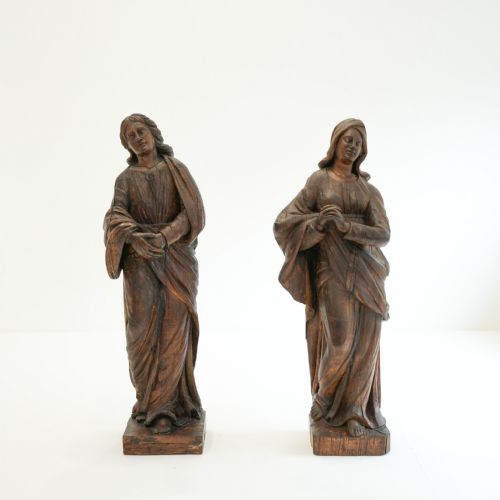


Antique Saint Sculpture Wood
These antique saint sculpture wood pieces bring centuries of devotional art into domestic spaces through carved figures.
Antique Saint Sculpture Wood
When you search for an antique saint sculpture wood piece, you encounter devotional carvings shaped from timber across several centuries. These figures range from small domestic devotional statues to church figures and architectural fragments originating from workshops across Europe.
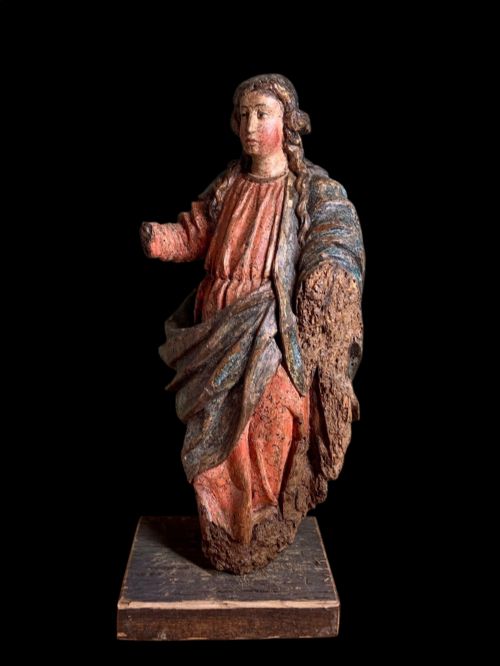
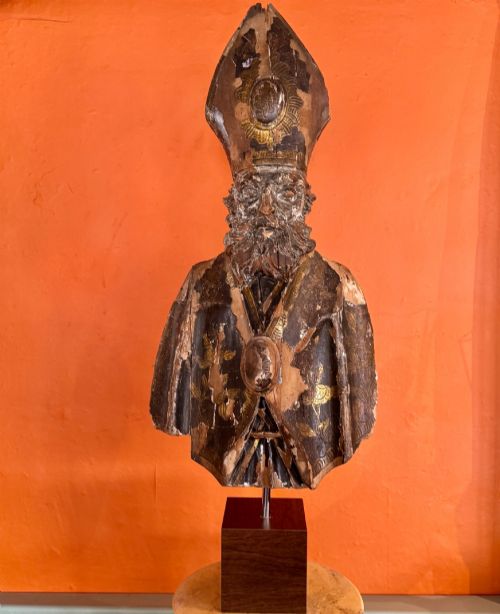
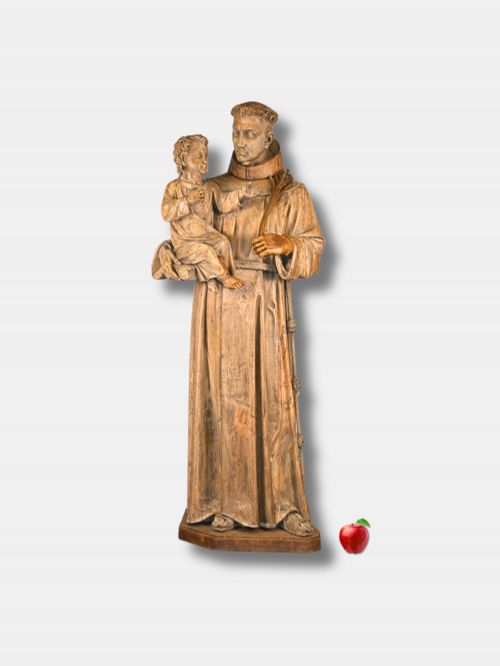
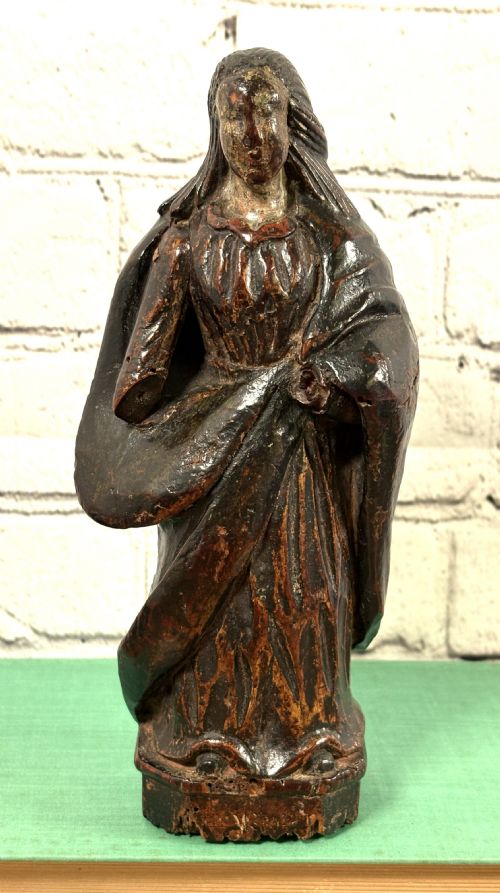
The selection includes figures carved from oak, limewood, and applewood, often finished with polychrome paint, gesso, or gold leaf. You find depictions of specific figures such as Saint Anthony, Saint Jerome, and the Virgin Mary, alongside bishops, angels, and apostles.
The most frequent examples on this page date from the sixteenth to the nineteenth centuries, spanning Gothic, Renaissance, and Baroque styles. Pieces vary from life-size statues to busts and processional figures.
How they were made
Surfaces were frequently prepared with a layer of gesso, providing a smooth ground for subsequent application of polychrome paint and gold leaf. Pigments were bound to give matte or lustrous finishes, bringing depth to vestments and flesh tones.
Materials recorded across the inventory include oak, limewood, applewood, gesso, and gold leaf.
What varies in quality
The standard of a carving depends upon the anatomy, the depth of relief in the drapery, and the sensitivity of the facial expression. Master carvers achieved fluid movement and lifelike hands, whereas provincial work can appear rigid or formulaic.
The preservation of original surface finishes significantly influences character. Pieces retaining untouched layers of early polychrome paint and gilding hold greater visual integrity than those stripped to bare wood or heavily repainted over later centuries.
Franz Keller
The Antique Saint Sculpture Wood Glossary
- Polychrome
- Decoration consisting of several colours applied to sculpture or woodwork. This finish was standard for medieval and baroque church figures to heighten realism.
- Gesso
- A plaster mixture used as a surface preparation for wood before painting or gilding. It provides a bright, smooth ground for fine detail work.
- Gilt-wood
- Timber coated with gold leaf or gold paint. This technique added luminosity and status to ecclesiastical figures.
- Limewood
- A pale, fine-grained hardwood favoured by European carvers for detailed sculpture. It cuts cleanly in all directions without splitting.
- Processional figure
- A statue carried during religious festivals or processions. These pieces often feature lightweight construction or attachment points for poles.
Antique Saint Sculpture Wood: Frequently Asked Questions
How do I identify the saint?
Attributes provide the primary clues for identification. Figures hold specific objects, wear particular vestments, or stand with associated animals.
For instance, keys denote Saint Peter, books and swords signify Saint Paul, and bishops wear mitres and hold crosiers.
Were these pieces displayed outdoors?
These sculptures were created for interior use in churches, private chapels, and domestic settings. They stood on altars, within architectural niches, or functioned as wall-mounted devotional objects.
Exposure to moisture and temperature fluctuations outdoors would rapidly damage the wood and fragile paint layers.
How should I care for wooden sculptures?
Maintain stable environmental conditions away from direct sunlight, radiators, and dampness. Excessive heat causes timber to dry and split.
Dust gently with a soft, dry brush and avoid chemical polishes or water on painted and gilded surfaces.
How can I tell the period?
Stylistic shifts and tool marks reveal the era of execution. Gothic figures show rigid drapery and elongated forms, while Baroque pieces display dynamic movement.
Examination of the timber backing, joinery methods, and the composition of the gesso layer helps confirm the age.