
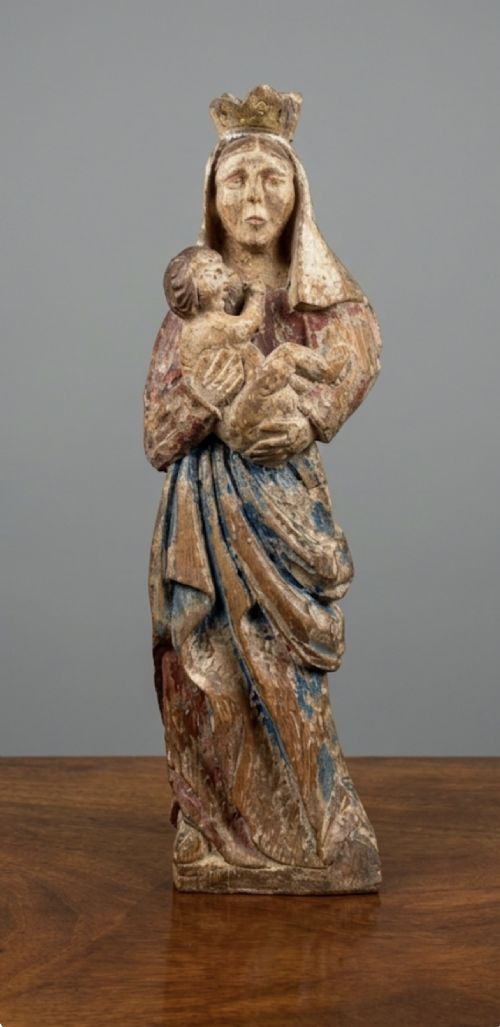


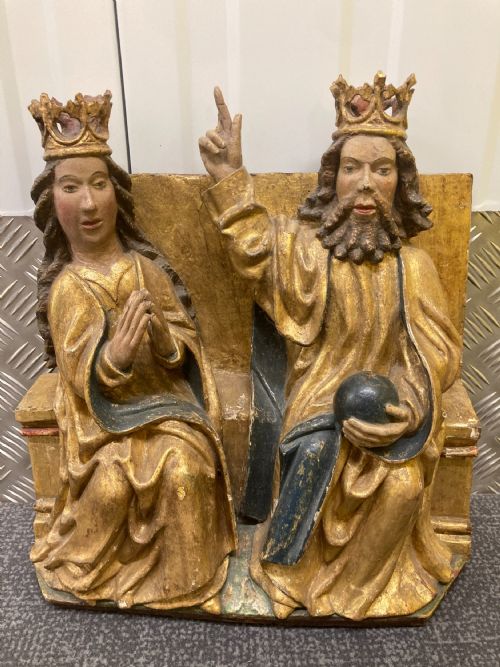


Carved Wooden Mary Statue
A carved wooden mary statue brings centuries of devotion, artistry, and sacred presence straight into a modern room.
Carved Wooden Mary Statue
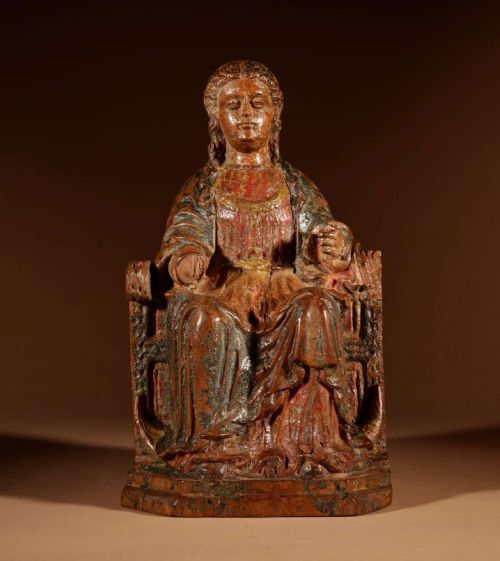
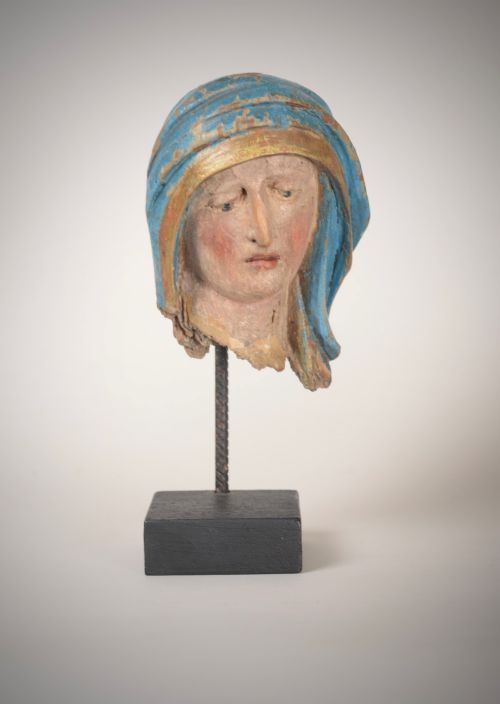
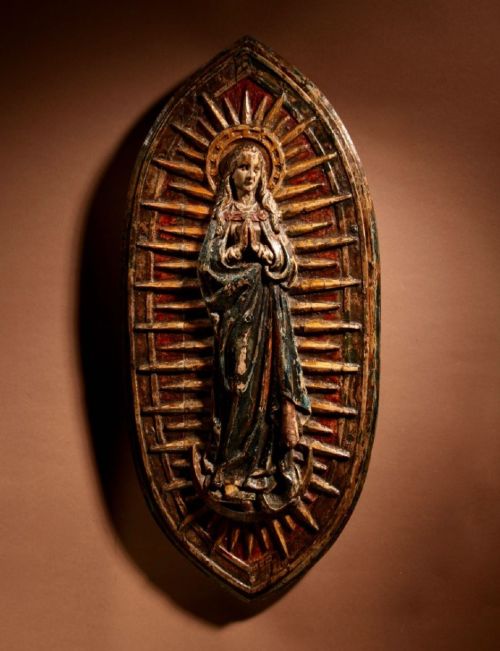
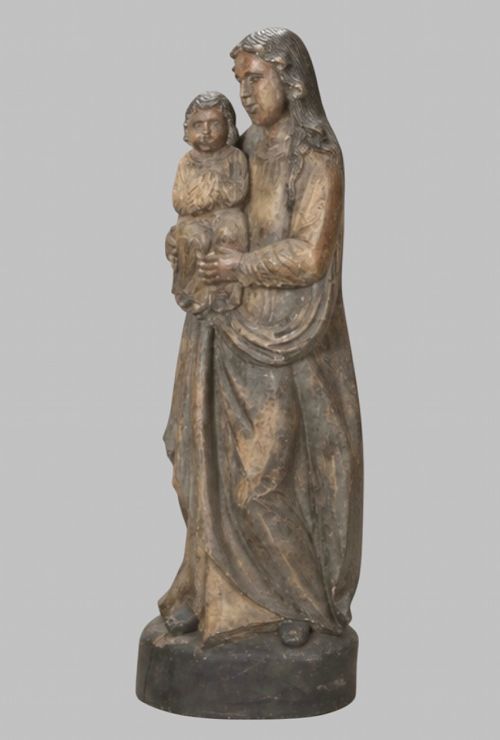
A carved wooden mary statue represents devotional figures created across European workshops from the pre-sixteenth century onward, encompassing depictions of the Madonna and child, the Pieta, and various sacred narratives.
The pieces appearing on this page span several distinct eras, from early Gothic oak panels and Renaissance walnut sculptures to later nineteenth-century interpretations in polychrome paint and olive wood.
Buyers will encounter wall sculptures, central altarpiece panels, and free-standing religious statues that reflect the changing liturgical styles of their respective centuries.
Materials and construction methods
Carvers primarily utilised regional hardwoods such as oak, walnut, applewood, and olive wood, selecting timber with dense grain capable of holding intricate detail.
Sculptors shaped these figures using gouges and chisels, working either from a single block or assembling panels for larger altarpiece components.
Listings feature oak as a predominant material alongside walnut, applewood, and olive wood across periods spanning from the pre-sixteenth century to the twentieth century.
Distinctions in craftsmanship and survival
Quality rests in the expressive power of the carving, particularly in the rendering of drapery folds, hands, and facial expressions that convey emotional depth.
The survival of original surface treatments, including traces of early polychrome paint and giltwood finishes, elevates the historical importance of a sculpture.
Structural integrity also dictates value, distinguishing untouched original panels and figures from those with extensive later restoration or replacement parts.
The Carved Wooden Mary Statue Glossary
- Polychrome
- Painted in several colours, this surface treatment brings realism and devotional warmth to carved wooden figures. It often survives only in fragments on older pieces.
- Gesso
- A plaster mixture applied to wood as a smooth base for gilding and painting. It creates an even surface that holds fine detail.
- Pieta
- A subject depicting the Virgin Mary holding the dead Christ across her lap. This theme appears frequently in European religious sculpture.
- Giltwood
- Wood that has been coated with thin sheets of gold leaf over a prepared base. It imparts a luminous, sacred quality to altarpiece elements.
- Altarpiece
- A structured artwork positioned behind an altar, often featuring carved central panels and subsidiary figures. Surviving fragments frequently circulate independently.
Carved Wooden Mary Statue: Frequently Asked Questions
How old are these statues usually?
The pieces span a wide chronological range, beginning with pre-sixteenth century Gothic carvings and extending through the Renaissance, Baroque periods, and nineteenth-century revivals. Each era brings distinct stylistic markers to the chiselwork and form.
Dates are determined by examining the tooling techniques, wood shrinkage, and stylistic conventions typical of regional European workshops at the time of creation.
Where were these figures originally displayed?
Many early works formed part of larger architectural altarpieces, church screens, or private devotional shrines in homes and chapels across Europe. Wall sculptures and freestanding figures served as focal points for prayer and contemplation.
Over the centuries, these pieces migrated from sacred ecclesiastical settings into private collections and secular interiors.
How should I clean a wooden statue?
Maintenance requires minimal intervention to protect fragile historical surfaces, particularly where original polychrome or gold leaf remains. Gentle dusting with a soft, dry brush is generally sufficient.
Avoid moisture, chemical polishes, and direct sunlight, all of which can damage aged wood and accelerate the flaking of ancient paint layers.
How do I identify different regional styles?
Regional characteristics reveal themselves through the treatment of drapery, facial types, and the choice of local timber such as olive wood in Italy or oak in Northern Europe. Gothic figures often feature linear, elongated folds, while Baroque works display dynamic movement.
Comparing the anatomy and garment styles to documented pieces from specific centuries helps pinpoint origin.