




Antique Rug
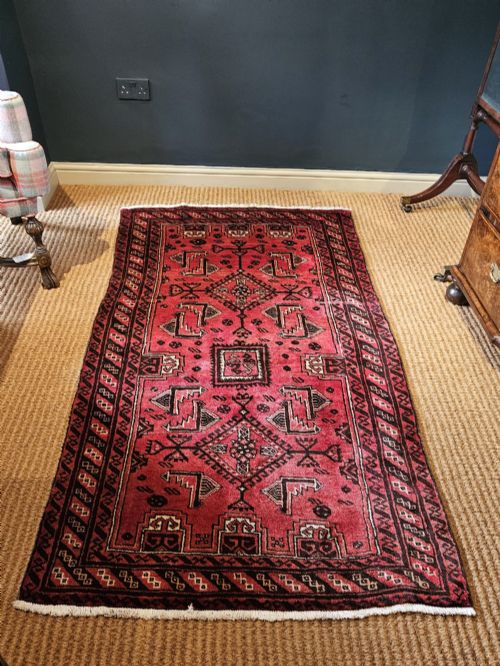
An antique rug brings texture and rich geometric design into a room, drawn from Persian, Caucasian, and Ottoman traditions.
Antique Rug
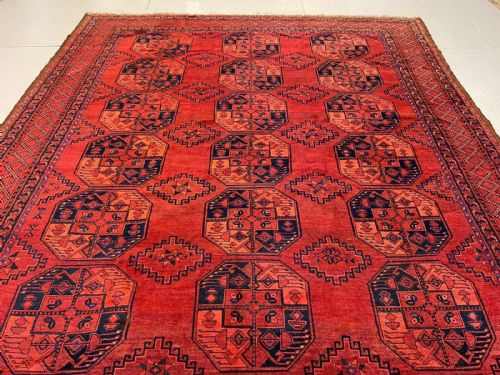
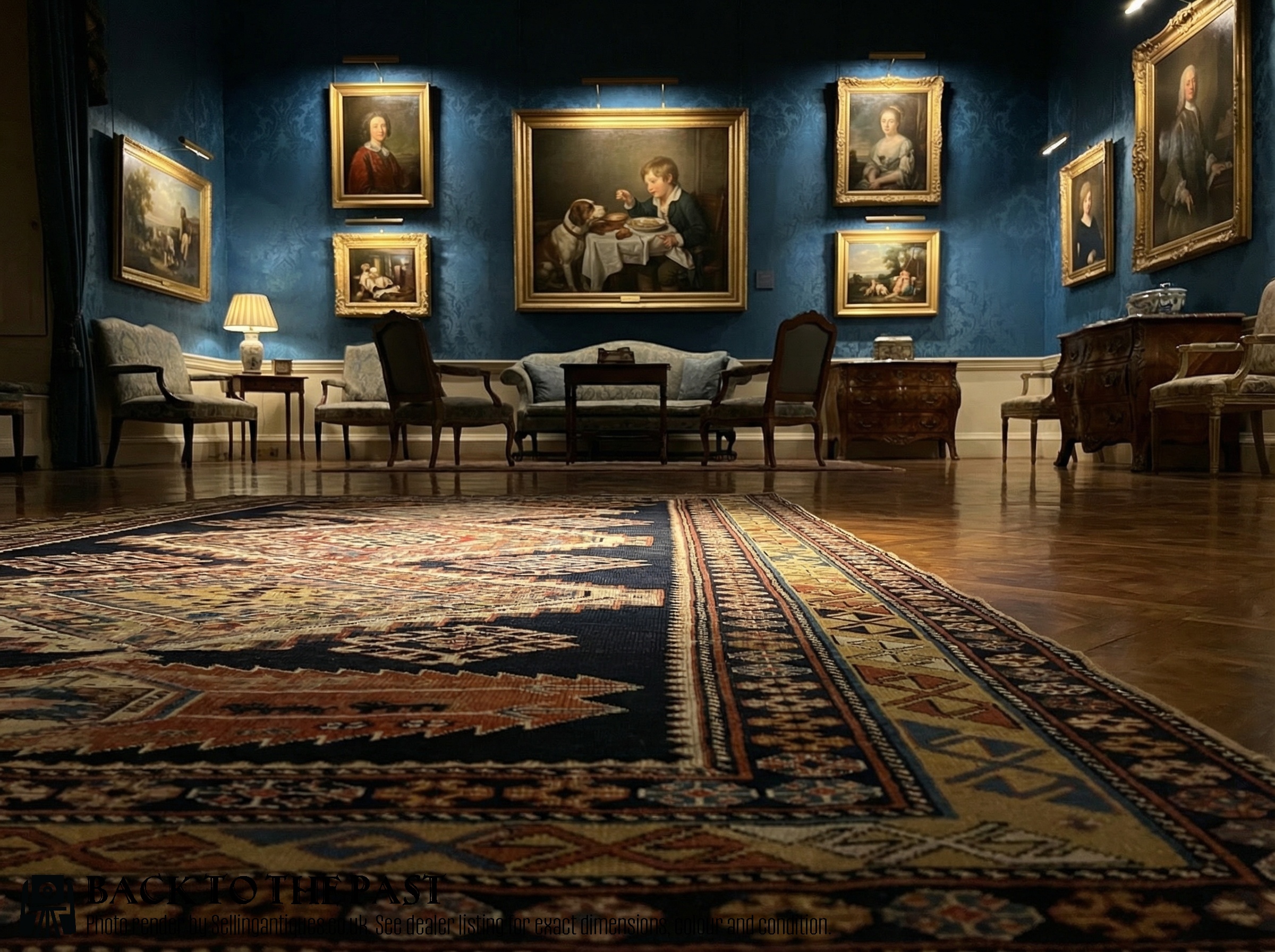
An antique rug encompasses woven floor coverings and carpets originating from regions such as Persia, the Caucasus, and Anatolia. These textiles date from the nineteenth and early twentieth centuries, reflecting distinct tribal and workshop traditions.
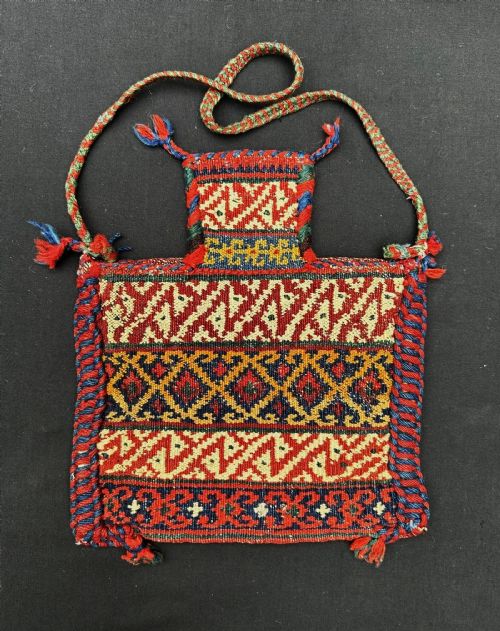
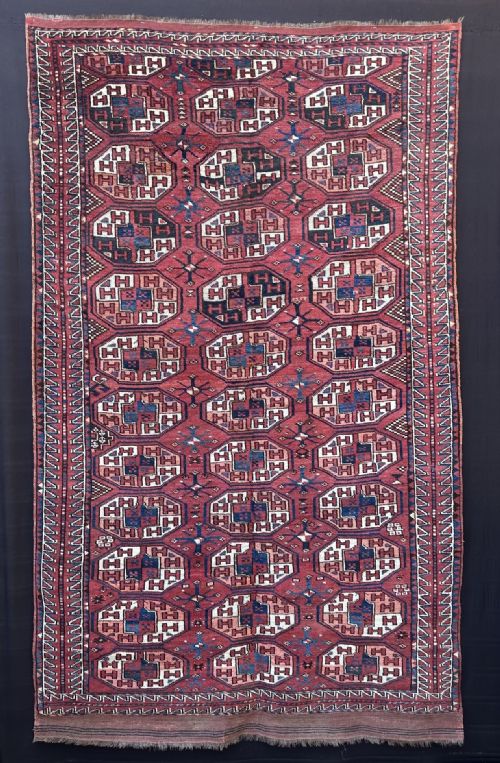
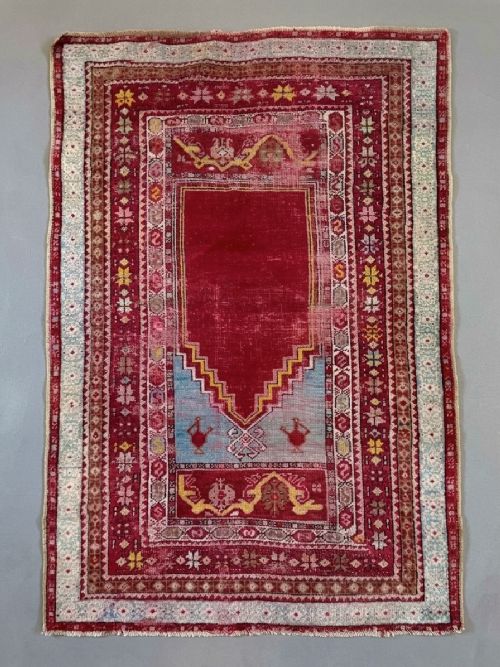
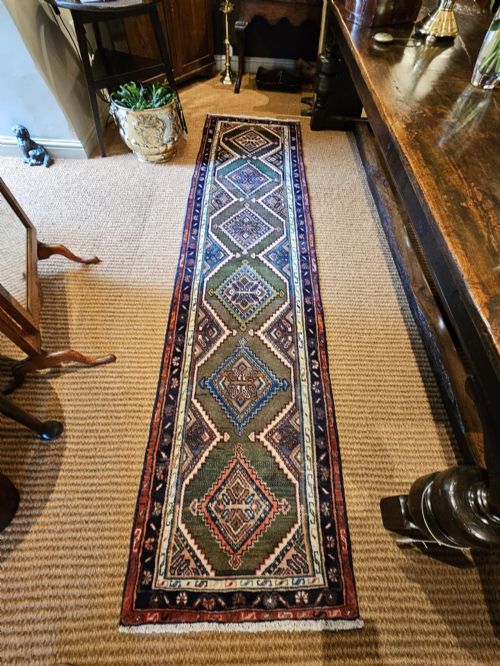
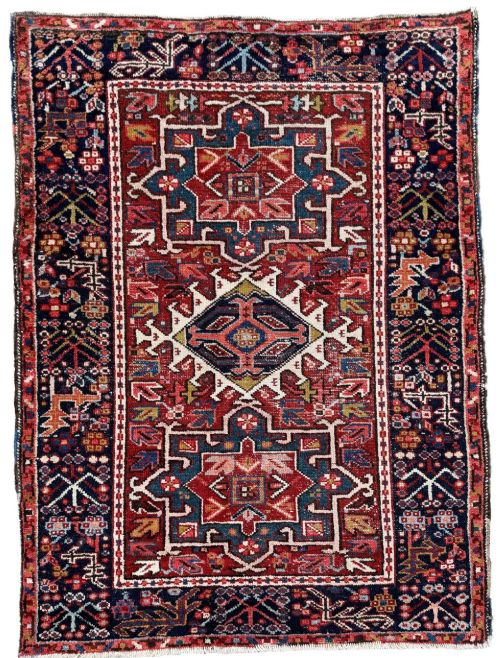
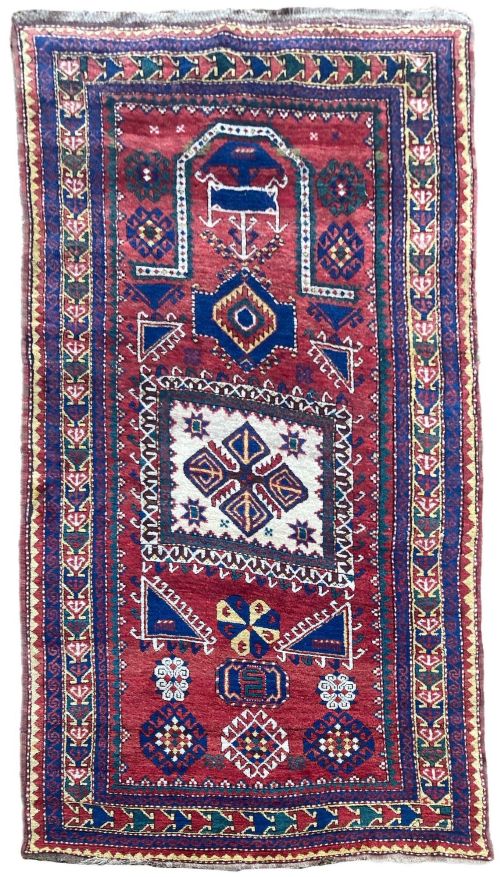
Buyers encounter varied formats, from room-sized carpets down to smaller scatter rugs, prayer rugs with distinct architectural mihrab niches, and utilitarian saddle covers. Pieces range from geometric village and tribal designs to finely detailed floral room carpets.
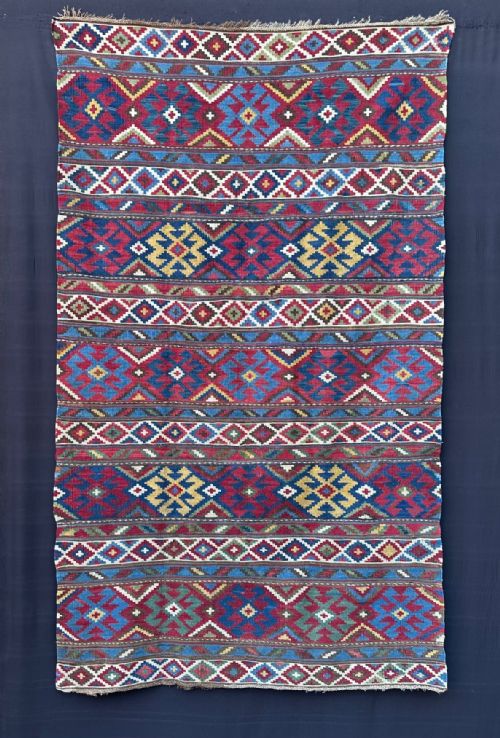
Regional groupings dominate the selection, including Caucasian pieces from Shirvan, Kazak, and Kuba, alongside Persian weaves from Sarouk, Heriz, Tabriz, and Mahal. Each origin carries a recognisable vocabulary of motifs, border systems, and colour distribution.
Materials and construction
The pieces rely primarily on wool pile knotted onto foundational warps and wefts made of wool or cotton. Structural integrity depends on the density of the knotting and the preparation of the animal fibres.
Weavers utilised natural dyestuffs derived from plants and minerals to colour the wool, yielding deep reds, indigos, and golds that soften gracefully over decades of light and use.
Antique Rug Retail Price Guide 2026
Typical asking prices for rug among the pieces listed under this phrase on Sellingantiques today, from the lower quarter to the upper quarter. They describe what is for sale here now, not the wider market.
Recorded styles encompass Persian, Caucasian, Ottoman, and regional tribal traditions.
Judging quality and character
Quality rests in the precision of the knotting, the handling of the wool, and the clarity of the design drawing. Tightly constructed foundations and saturated, well-balanced palettes distinguish superior examples from standard village work.
Condition alters the character of a piece significantly, as surface wear and low pile reveal the underlying structure without necessarily diminishing the visual impact of the design.
The Antique Rug Glossary
- Warp
- The vertical threads stretched lengthwise on the loom before knotting begins. These form the skeleton of the textile and often show at the fringe ends.
- Weft
- The horizontal threads passed across the warp lines between rows of knots to bind the structure. They dictate the rigidity and handle of the fabric.
- Mihrab
- The arched niche depicted on prayer rugs, designed to point the worshipper toward Mecca. It provides the central architectural focus of the layout.
- Sumak
- A flat-weave technique where coloured weft threads are wrapped around the warp threads without creating a knotted pile. This produces a sturdy structure with a smooth face and trailing threads on the reverse.
Antique Rug: Frequently Asked Questions
How do I clean an antique rug?
Gentle surface brushing and professional specialist dusting form the safest routine for fragile wool piles. Water saturation and harsh chemical detergents risk bleeding the natural dyes and weakening the cotton or wool foundations.
Regular rotation distributes foot traffic evenly across the surface, reducing localized wear. Keeping these textiles away from direct, harsh sunlight prevents the natural colours from fading prematurely.
Are these rugs durable enough for daily use?
Most room-sized carpets and dense village weaves handle normal walking traffic comfortably when paired with a quality underlay. The resilient nature of traditional wool pile absorbs impact effectively.
Thinner tribal rugs, saddle covers, or delicate prayer formats suit low-traffic placement or wall mounting better. Assessing the condition of the foundation threads helps determine appropriate placement in the home.
How do I tell Caucasian rugs from Persian rugs?
Caucasian weaves typically display bold, geometric medallions, sharp angles, and strong primary colours like crisp blues and reds. The overall aesthetic leans toward stark, structural tribal patterns.
Persian examples frequently incorporate curved floral vines, intricate central medallions, and softer botanical motifs. Workshops in regions such as Tabriz, Sarouk, and Heriz favoured more fluid, painterly compositions.
What is a prayer rug?
A prayer rug is a smaller format textile featuring a distinctive pointed arch or niche design known as a mihrab. Worshippers traditionally placed these on the floor during daily prayers to create a clean, dedicated space.
The directional nature of the design means the niche points toward Mecca during use. Collectors prize them for their concentrated symbolism and compact, balanced layouts.