

Antique Royal Worcester China
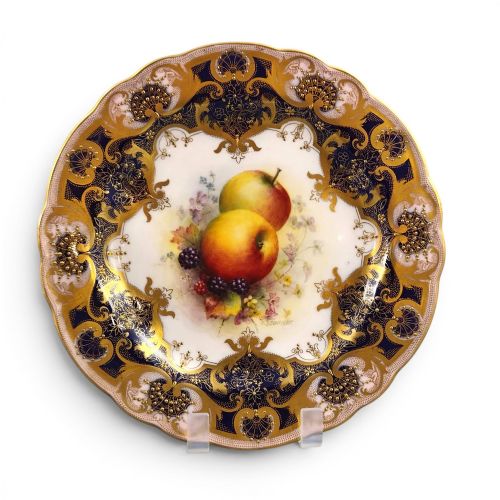
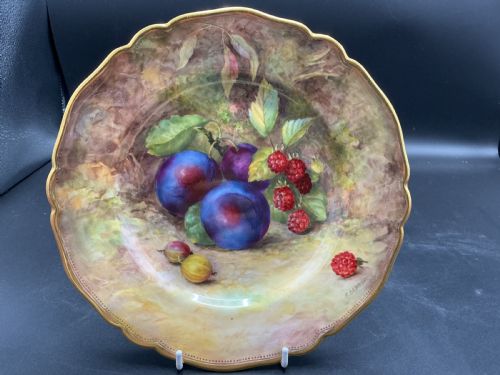
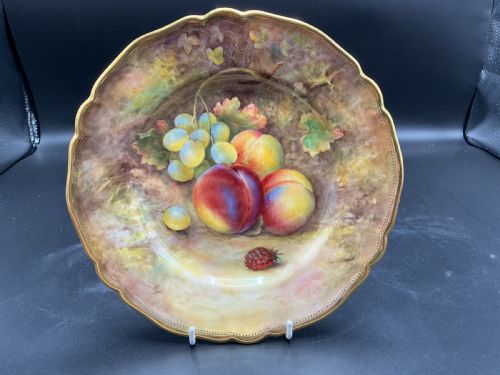
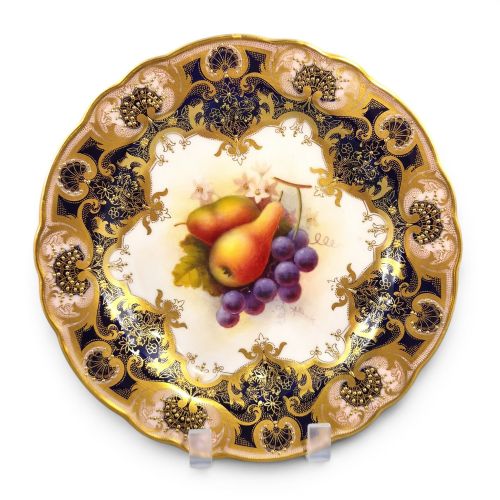
These pieces of antique royal worcester china bring hand-painted fruit, delicate gilding, and fine porcelain from the factory bench straight to the display cabinet.
Antique Royal Worcester China
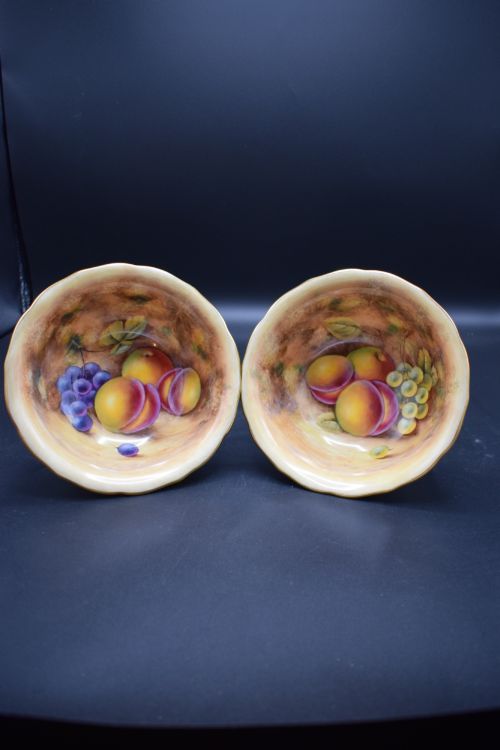
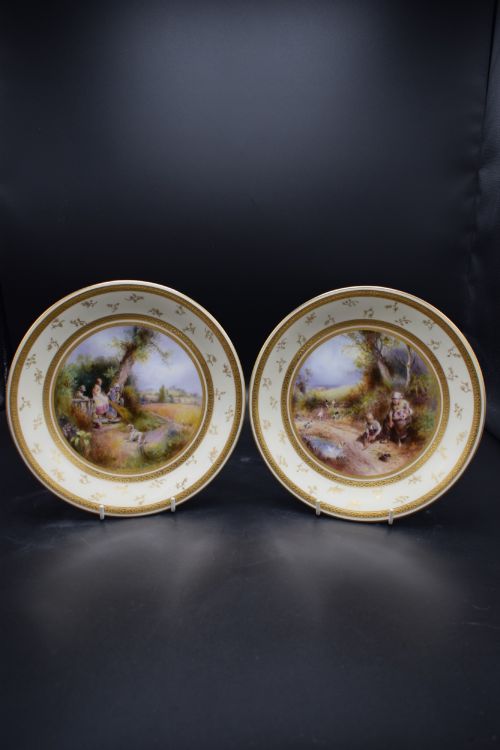
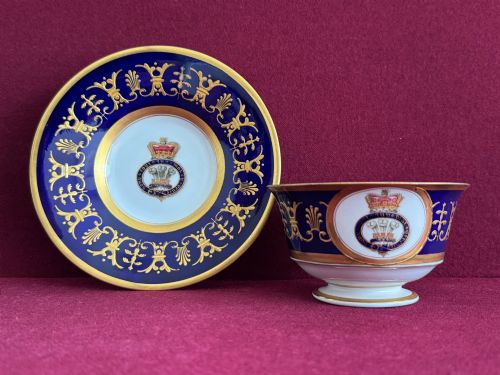
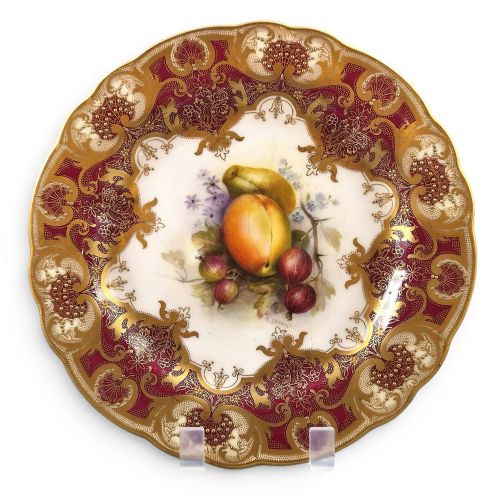
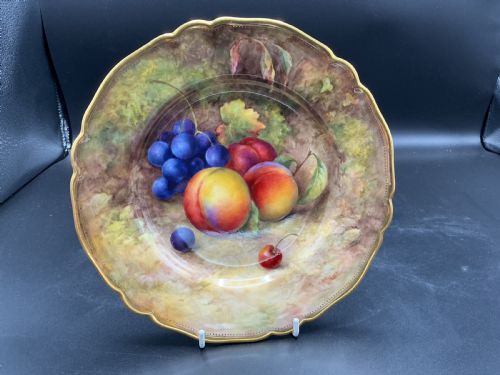
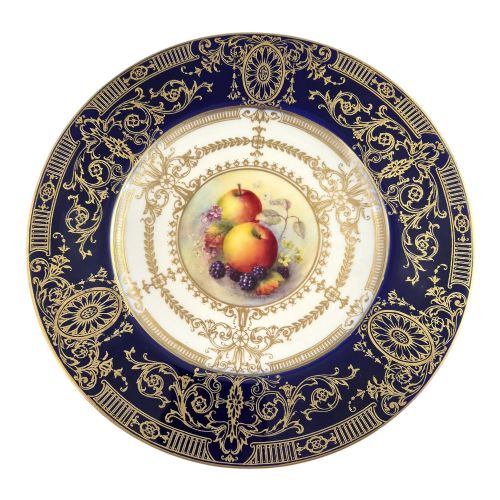
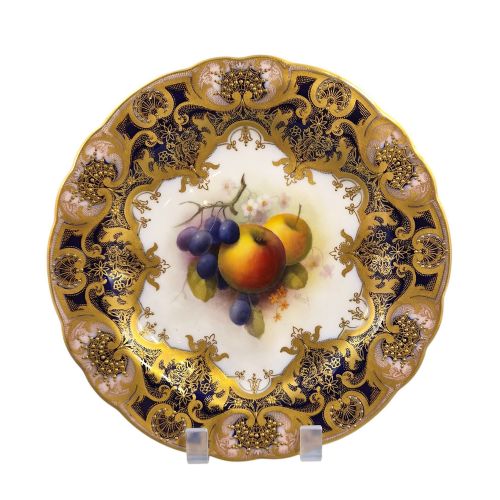
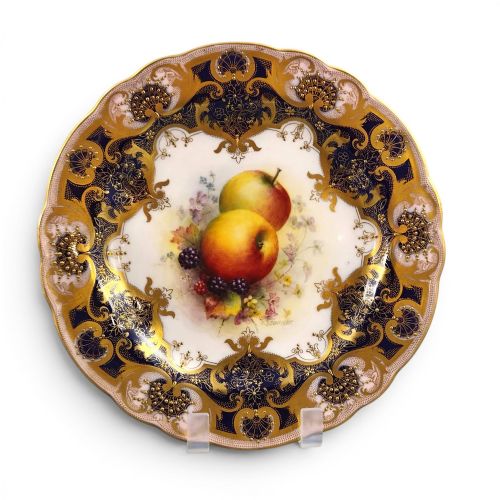
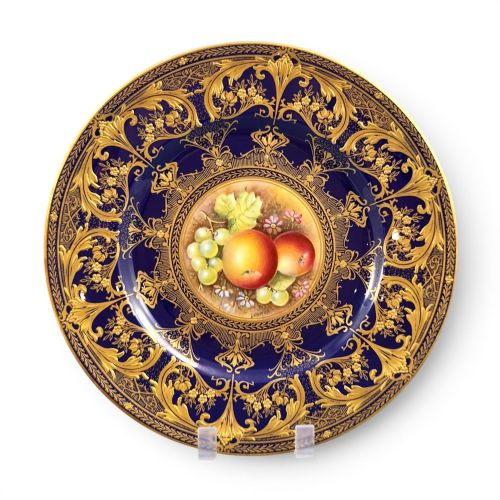
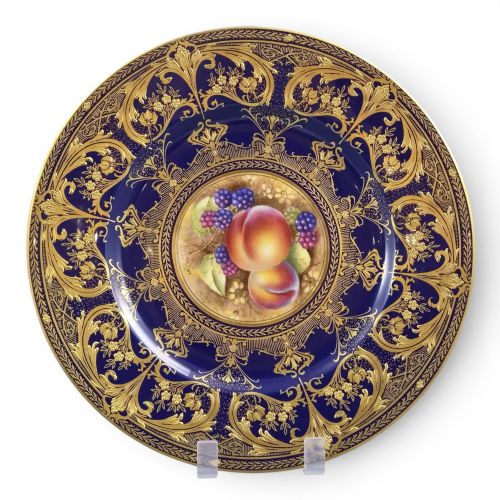
When you search for antique royal worcester china, you encounter items shaped for display, dining, and the dressing table from the late nineteenth century through the mid-twentieth century. The selection leans heavily towards cabinet plates, decorative plates, and vases painted with botanical studies or intricate fruit.
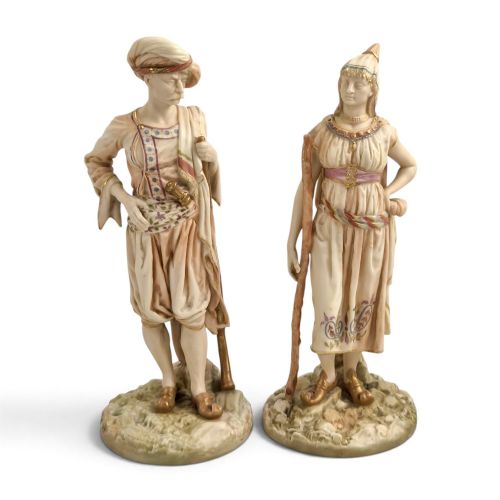
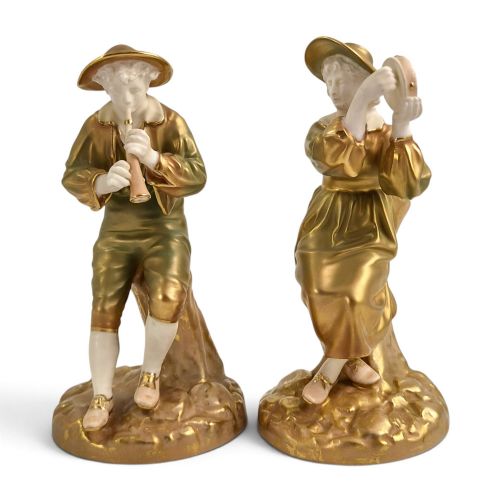
You also meet functional forms including coffee pots, tea trios, sugar bowls, dessert dishes, and figurines. Pieces span periods from the Victorian era and Edwardian years through the nineteen-twenties, thirties, forties, fifties, and sixties.
Materials and manufacture
Makers shaped these items in porcelain and fine bone china, applying white body clays before glazing and firing. Artisans then added intricate details using enamel, gold leaf, gilding, and gold gilding.
Decoration relied on skilled hand-painting, visible in signed cabinet plates and vases featuring natural subjects. Potters also employed moulded edges, such as rope edge designs, alongside blue scale grounds and tooled gilt borders.
Antique Royal Worcester China Retail Price Guide 2026
Typical asking prices for royal worcester china among the pieces listed under this phrase on Sellingantiques today, from the lower quarter to the upper quarter. They describe what is for sale here now, not the wider market.
Listings feature porcelain forms ranging from nineteen-hundred to nineteen-seventy, encompassing Edwardian, Art Deco, and mid-century traditional English styles.
Assessing quality in the porcelain
Quality rests upon the skill of the artist and the complexity of the painted subject. Signed works by notable painters command greater attention than standard factory output.
The precision of the gilding and the depth of the enamel work further divide standard production from exceptional pieces. Intricate hand-tooled gold and carefully shaded naturalistic fruit indicate superior workshop standards.
Albert Shuck·Richard Sebright·Brian Leaman·H Ayrton·Walter Powell·H Davis·Freeman·P Love·Freda Doughty·William Ricketts·Kerr and Binns·Flight Barr and Barr·Grainger and Co
The Antique Royal Worcester China Glossary
- Cabinet plate
- A decorative plate intended for display rather than dining. These often feature elaborate painted scenes.
- Bone china
- A type of soft-paste porcelain incorporating bone ash. It produces a strong, translucent white body.
- Gilding
- The application of gold leaf or gold powder to ceramic surfaces. This finish adds metallic lustre to rims and handles.
- Blush ivory
- A tinted porcelain body developed in the late nineteenth century. It mimics the warmth of human skin beneath floral transfer prints and gilding.
- Blue scale
- A patterned underglaze blue ground resembling fish scales. Worcester factories utilised this motif across various tableware items.
Antique Royal Worcester China: Frequently Asked Questions
How do I identify Royal Worcester date marks?
Factory ciphers and impressed marks beneath the glaze indicate the year of manufacture. Dots and letters around the printed crown circle reveal the specific decade.
Matching these symbols against factory records provides the precise year a piece left the kiln.
Were these painted fruit plates meant for food?
Most painted fruit plates served as ornamental cabinet items rather than functional tableware. Their intricate gilding and detailed artist signatures suited display rooms.
Some dessert dishes and soup plates saw actual dining use among wealthy households.
How should I clean antique porcelain?
Dust items gently with a dry microfiber cloth to remove everyday particles. Avoid harsh scrubbing or abrasive detergents that scratch the glaze.
Wash pieces by hand in lukewarm water with mild soap only when strictly necessary, drying them immediately.
What does blush ivory mean?
Blush ivory refers to a tinted matte cream ceramic body introduced during the Victorian period. It provided a soft background for painted flowers and gilded highlights.
This finish remains characteristic of late nineteenth and early twentieth century production.