




Antique Ceramic Coffee Pot
An antique ceramic coffee pot brings the warmth of centuries past to your table, offering both daily utility and decorative grace.
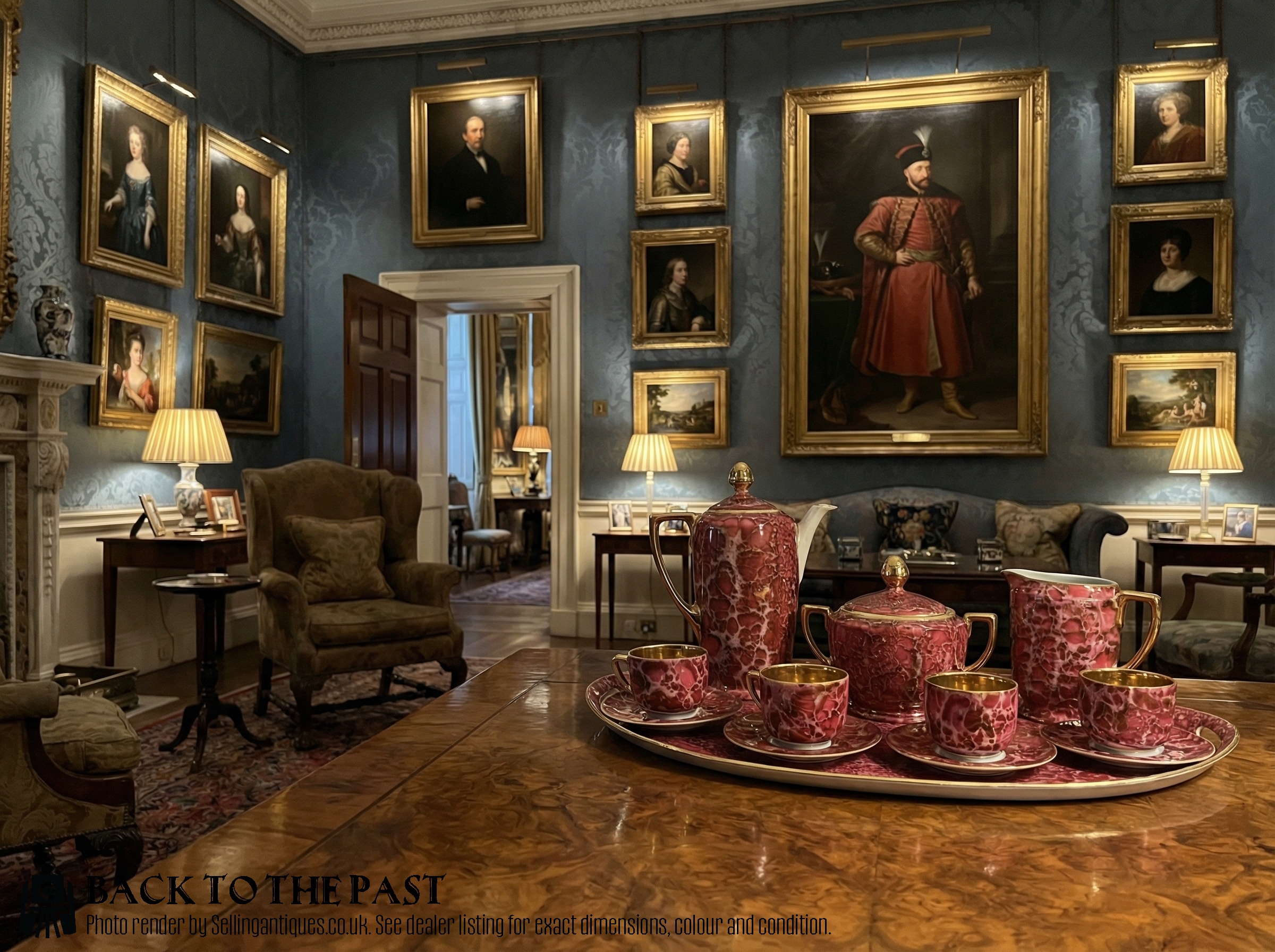
Antique Ceramic Coffee Pot
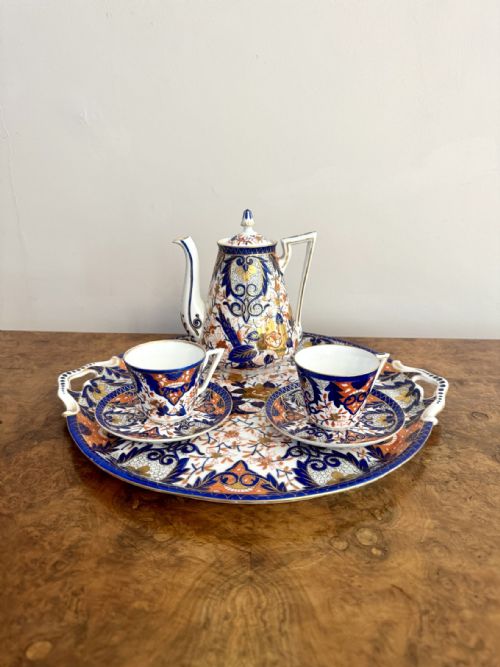
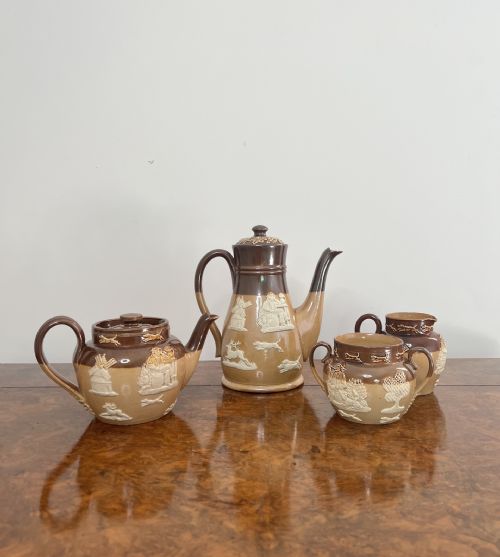
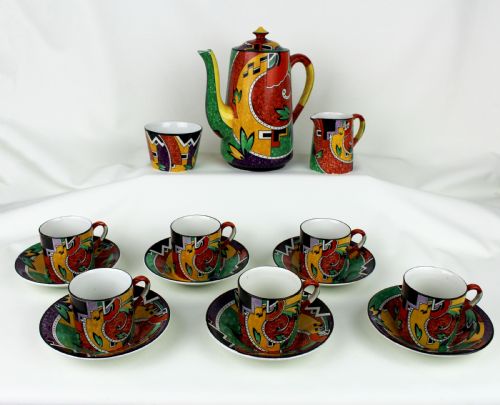
Origins stretch from traditional English fine china potteries to continental European manufacturers such as Limoges, KPM, and the Russian Imperial Porcelain Manufactory. Styles span Neoclassical, Victorian Imari, and Belle Epoque alongside vibrant hand-painted patterns.
Materials and methods of manufacture
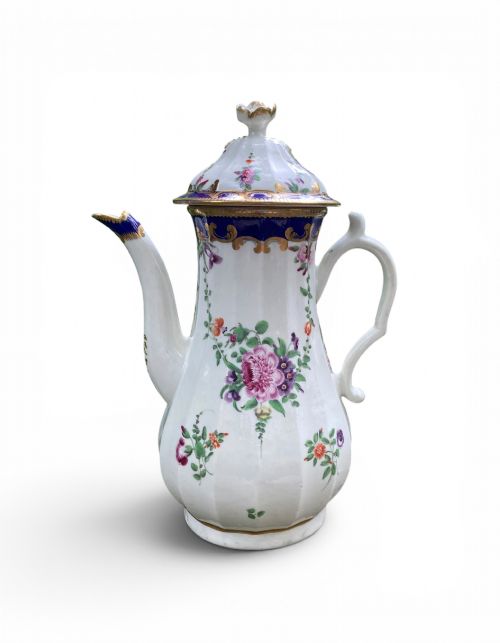
Potters shaped these vessels using fine ceramics, porcelain, earthenware, and bone china, often finishing surfaces with rich glaze and enamel layers. Kiln-firing techniques varied by period, setting the density of the paste and the stability of the body.
Decoration relied on meticulous hand-painting and gilding, frequently enhanced by applied gold leaf. Specialised techniques such as Dutch Delft faience tin-glazing and transfer printing produced distinctive multi-coloured surfaces.
Listings feature porcelain, earthenware, and bone china pieces spanning the eighteenth to the twentieth centuries.
Judging quality in ceramic coffee vessels
Quality rests on the crispness of the moulding, the fineness of the ceramic paste, and the skill evident in the hand-painting or gilding. Superior pots display balanced proportions between the spout, handle, and body.
The precision of the kiln work and the preservation of enamel and gold leaf separate standard production wares from masterworks by prominent manufactories and signed artists.
Royal Worcester·Clarice Cliff·Coalport·Ahrenfeldt and Asalvary·Russian Imperial Porcelain Manufactory·KPM·Doulton
The Antique Ceramic Coffee Pot Glossary
- Bone china
- A type of soft-paste porcelain containing bone ash, known for its high strength and milky translucency. This body became a staple of British ceramic production.
- Faience
- Tin-glazed earthenware originating in Europe, featuring an opaque white glaze that accepts painted polychrome decoration. It characterises many historical continental vessels.
- Gilt
- A thin layer of gold applied to the surface of ceramic pieces for ornamentation. It often highlights handles, rims, and painted panels.
- Enamel
- Vitreous glass fused to the ceramic body through firing, creating bright surface colours. It allows for durable pictorial scenes and geometric patterns.
- Paste
- The basic ceramic mixture used to form the body of the pot, typically classified as hard-paste or soft-paste porcelain. The composition dictates the firing temperature and weight.
Antique Ceramic Coffee Pot: Frequently Asked Questions
How do I date an antique ceramic coffee pot?
Dating relies on maker marks, ceramic bodies, and decorative styles characteristic of periods like Georgian, Victorian, or Art Deco. Examining the glaze type and base markings provides further clues.
Stylistic cues such as Neoclassical motifs or Belle Epoque palettes help narrow down the decade of manufacture.
Can I still use my antique coffee pot?
While many antique pots remain structurally sound, thermal shock from boiling water can risk fragile historical ceramic bodies. Collectors generally reserve these pieces for display or gentle service.
Hand washing without harsh detergents helps preserve delicate enamel and gold leaf decorations over time.
What is the difference between porcelain and earthenware?
Porcelain is fired at higher temperatures until vitrified, resulting in a non-porous, resonant, and often translucent body. Earthenware is a lower-fired, porous ceramic that requires a glaze to remain watertight.
Porcelain typically feels lighter and harder than traditional earthenware pots.
How should I display my coffee pot?
Display pots on stable shelving away from direct sunlight to protect delicate enamel and painted fruit or abstract scenes. Keeping lids secure and resting pots on flat surfaces prevents accidental tipping.
Grouping pots with matching cups or service elements creates an engaging historical table arrangement.