


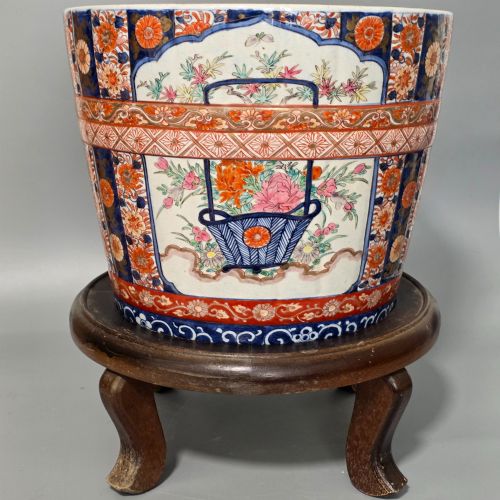


19th Century Porcelain Pot
These pieces gather the domestic and display wares known as a 19th century porcelain pot, offering useful vessels and decorative objects from diverse international kilns.
19th Century Porcelain Pot
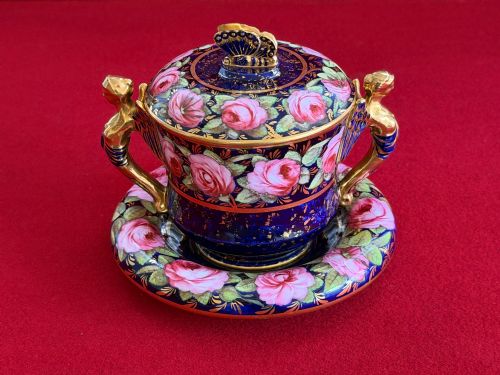
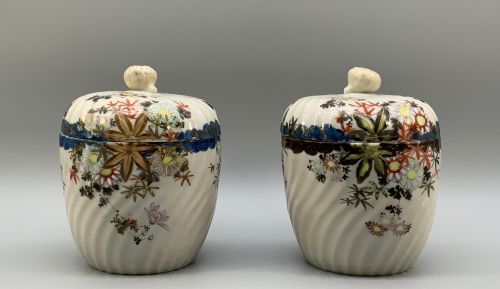
A 19th century porcelain pot encompasses a wide range of functional and ornamental vessels produced during the eighteen hundreds. The selection spans utilitarian containers such as apothecary jars, tobacco jars, and opium pots alongside larger display items including jardinières, cache pots, and ginger jars.
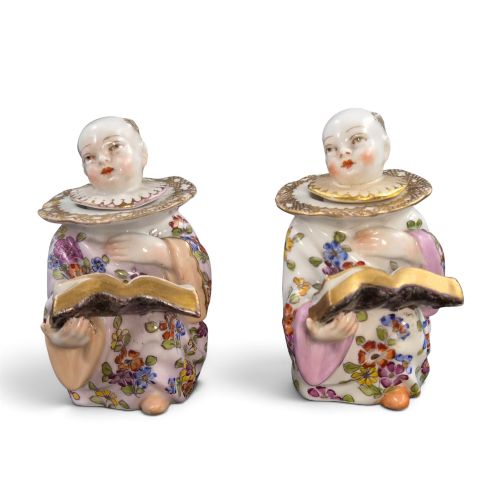
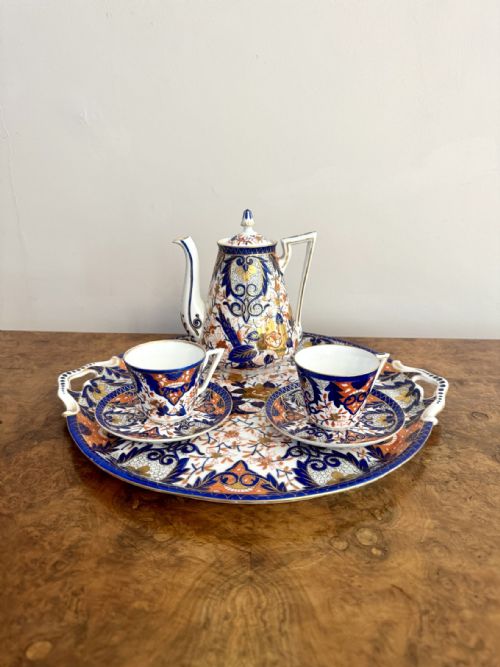
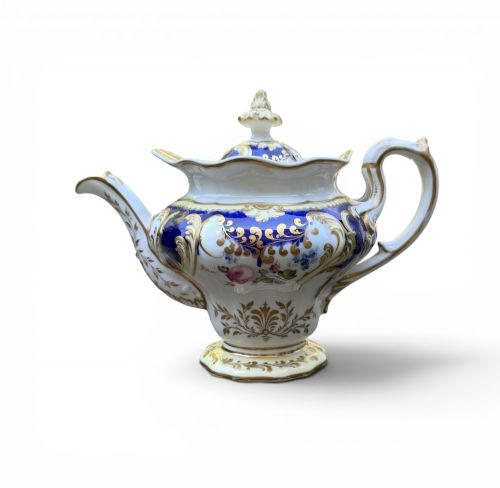
Makers across Europe and Asia shaped these forms for specific domestic uses, from tea service components to desk accessories like inkwells and brush pots. English factories produced chocolate cups and teapots, while continental kilns created intricate potpourri vases and lidded boxes.
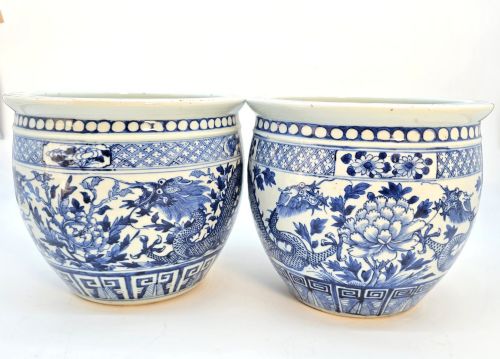
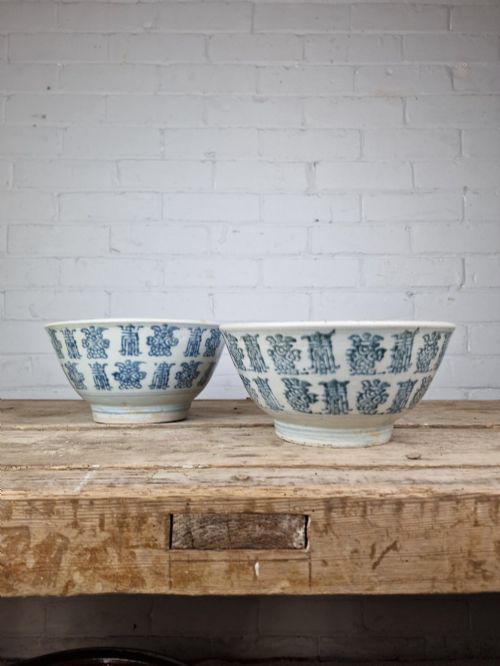
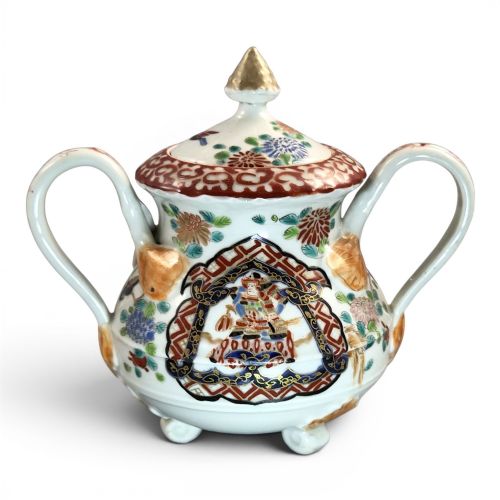
Asian exports feature prominently, particularly Chinese blue and white porcelain and Japanese Imari wares styled as planters and bowls. Buyers frequently encounter these large jardinières and lidded jars alongside English and French decorative table pieces.
How They Were Made
Potters shaped these items using fine ceramic pastes fired at high temperatures to achieve durable bodies. Many pieces incorporate cobalt underglaze decoration applied before the final glaze firing to create permanent blue designs.
Surface ornamentation often includes hand-painted enamel colours and applied gold leaf or gilding. French and English workshops frequently combined porcelain bodies with gilt bronze mounts to elevate the status of decorative lidded vessels.
Materials documented across the inventory include hard-paste porcelain, cobalt underglaze, enamel, gilt bronze, and gold leaf.
What Varies in Quality
The precision of the hand-painted detail separates standard domestic wares from exceptional studio productions. Crisp brushwork on floral panels and figures indicates skilled artisan labour, whereas routine production shows hurried or stencilled application.
The integrity of the porcelain body and the crispness of moulded relief elements dictate overall refinement. Superior examples maintain sharp definition in gilded borders and bronze mounts without blurring or excessive wear.
Spode·Edmé Samson·Barr Flight And Barr·Samuel Alcock And Co·Ahrenfeldt And Asalvary·Royal Worcester
The 19th Century Porcelain Pot Glossary
- Jardiniere
- A large decorative pot or planter designed to hold growing plants. These vessels often sit on matching stands and feature elaborate painted scenes or blue and white patterns.
- Cache pot
- An ornamental flowerpot used to conceal a plain inner plant container. These items typically lack drainage holes in the base to protect furniture surfaces.
- Imari
- A style of Japanese porcelain decorated in underglaze blue, iron red, and gold. The palette creates a dense, colourful visual field across bowls and jars.
- Famille rose
- A ceramic palette dominated by opaque pink enamel introduced during the Qing dynasty. This grouping includes detailed pictorial scenes of figures and foliage.
- Gilding
- The application of gold leaf or powdered gold paint to ceramic surfaces. Artisans utilise this technique to highlight rims, handles, and painted borders.
19th Century Porcelain Pot: Frequently Asked Questions
What is a 19th century porcelain pot used for?
These vessels served diverse practical and decorative roles in historic interiors. Many functioned as kitchen or apothecary containers, while others held plants or dried flowers.
Larger items like jardinières decorated reception rooms, whereas smaller trinket boxes and inkwells populated dressing tables and writing desks.
How do I identify Chinese export pieces?
Chinese pieces from this era frequently utilise blue and white underglaze painting or the famille rose palette. Forms include ginger jars, brush pots, and large fish bowls.
Examining the foot rim and the tone of the cobalt provides clues regarding the period of production during the Qing dynasty.
Are Japanese Imari pots marked?
Certain Japanese Imari items display kiln or artist marks on the base, such as the Fukagawa signature. Unmarked pieces remain common, identified instead by their distinct red, blue, and gilt colour scheme.
Meiji period examples often show high technical precision in both the potting and the enamel decoration.
How should I care for antique porcelain?
Gentle dusting with a soft cloth preserves the delicate enamel and gilt surfaces of these items. Avoid harsh cleaning agents that might degrade the historic glaze.
Display vessels away from direct sunlight and areas of high temperature fluctuation to protect painted details and applied metal mounts.