
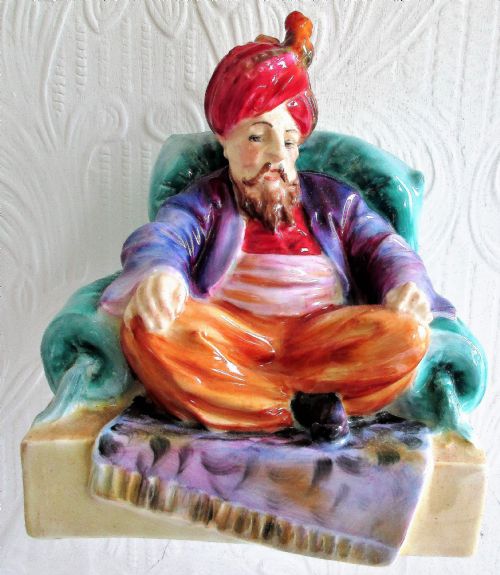


Antique Royal Statuette
An antique royal statuette captures a celebrated figure or narrative in miniature, prized for its detailed modelling and connection to notable potteries.
Antique Royal Statuette
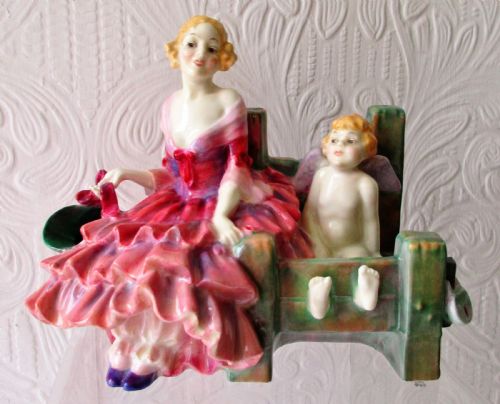
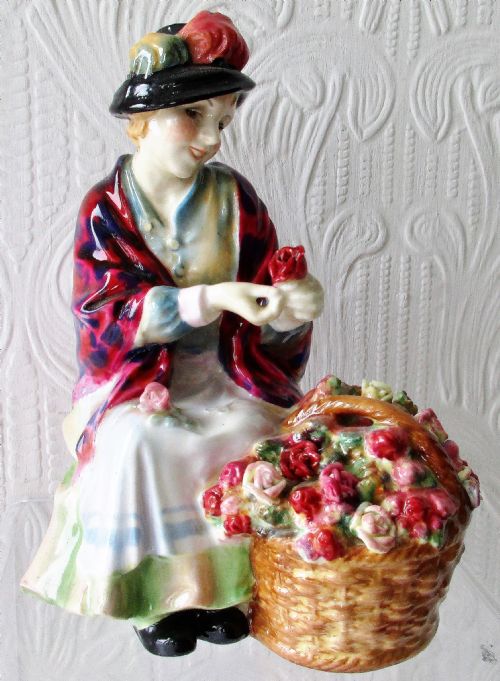
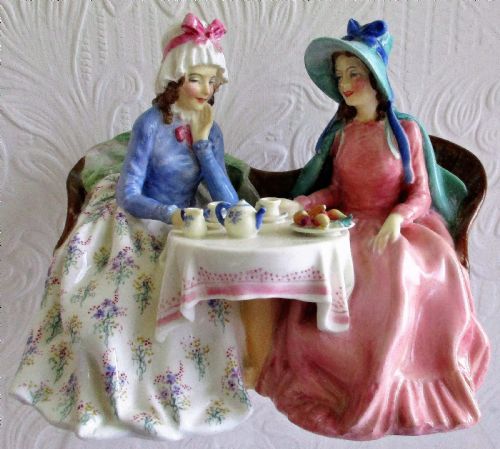
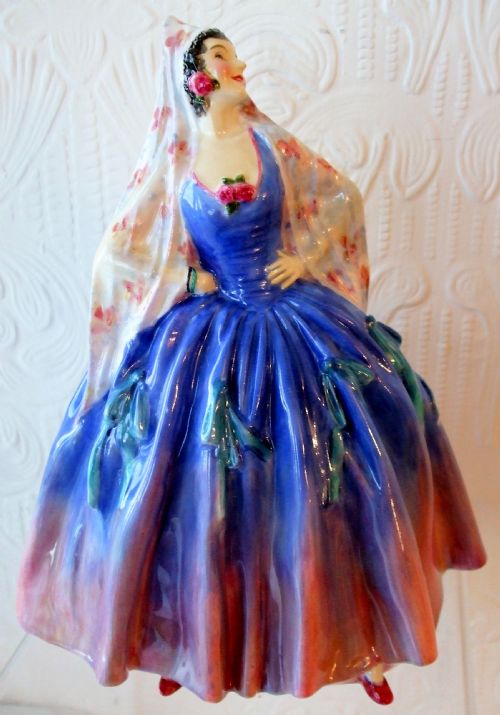
An antique royal statuette encompasses sculptural porcelain and earthenware figures produced across the nineteenth and twentieth centuries, spanning Victorian, Edwardian, and Art Deco periods. Buyers encounter a diverse range of forms, from named literary and historical subjects to classical maidens and regional craftspeople.
The selection on this page leans heavily toward glazed and blush porcelain from esteemed European manufactories, particularly Royal Worcester and Royal Dux. These pieces often depict specific characters, historical rulers, or allegorical figures mounted on naturalistic bases.
Makers working within these traditions utilised distinct stylistic vocabularies, ranging from Victorian Classical Revival and Orientalism to Rococo Revival and clean Art Deco lines. Collectors find figures ranging from small cabinet pieces to large, commanding sculptural models.
How they were made
Potters utilised fine porcelain, earthenware, and parian body compositions, shaped through detailed moulding and hand-finishing by skilled modellers. Surface decoration frequently involved hand-painting, intricate enamel work, and applied gold leaf or gilding to accentuate robes and accessories.
Specialised firing techniques achieved specific surface textures, such as the matte blush ivory finish seen on late nineteenth-century Worcester pieces or glossy coloured glazes. Bronze castings also appear, shaped through traditional metalworking methods for commemorative royal portraits.
Listings feature porcelain, earthenware, and bronze pieces spanning the Victorian, Edwardian, and Art Deco periods.
What varies in quality
Quality rests upon the crispness of the modelling and the precision of the hand-painted details, where superior examples exhibit sharp facial expressions and delicate rendering of hands and drapery. The subtlety of the colour palette, particularly in blush ivory and gilt highlights, distinguishes finer studio output from standard commercial production.
The complexity of the subject and the ambition of the composition set the tier of the piece, with multi-figure groups and sculptural elements like amphoras or musical instruments demanding higher technical skill from the potter. Impressed factory marks, model numbers, and artist signatures validate the pedigree of the modelling.
Royal Dux Bohemia·Royal Doulton·Royal Worcester·Royal Copenhagen·Royal Capodimonte
The Antique Royal Statuette Glossary
- Blush ivory
- A soft, matte cream-coloured porcelain finish pioneered by Royal Worcester in the late nineteenth century. It frequently served as a background for delicate floral and gilt decoration.
- Parian
- A fine-grained, unglazed porcelain resembling carved marble, named for Greek Paros marble. It gained popularity in the Victorian era for portrait busts and classical statuary.
- Majolica
- A heavy earthenware pottery covered with an opaque coloured glaze, often featuring vibrant naturalistic tones. This technique produced robust figures with rich surface depth.
- Figurine
- A small three-dimensional sculptural representation of a human or animal figure. These objects served primarily as decorative ornaments for interior display.
- Gilding
- The application of gold leaf or gold powder onto the surface of ceramic or bronze objects. It highlights decorative borders, garments, and architectural details.
Antique Royal Statuette: Frequently Asked Questions
What materials are these statuettes made from?
The pieces listed utilise porcelain, earthenware, and bronze as primary structural mediums. Surface finishes incorporate coloured glazes, enamel, and gold leaf.
Makers applied these materials to achieve varying textures, from the matte finish of parian ware to glossy ceramic surfaces.
How do I identify a Royal Worcester figure?
Look for factory backstamps underneath the base, which often include crescent marks, dots, or impressed numbers indicating the date of manufacture. Many pieces also bear the name of the designer or specific model titles.
Stylistic cues such as blush ivory grounds and naturalistic bases further point toward Worcester production.
What periods do these pieces come from?
The inventory spans the nineteenth and twentieth centuries, encompassing Victorian, Edwardian, and Art Deco eras. Dates range from early nineteenth-century factory pieces up to items produced around nineteen-forty.
Victorian examples often favor classical revival or orientalist themes, while later pieces adopt streamlined forms.
How should I display a porcelain statuette?
Place figures on stable, flat surfaces away from direct sunlight to preserve hand-painted enamel colours and gilt highlights. Ensure cabinets or shelves provide adequate space to view sculptural details from multiple angles.
Handle pieces firmly by their main body rather than protruding accessories like staves or hands.