

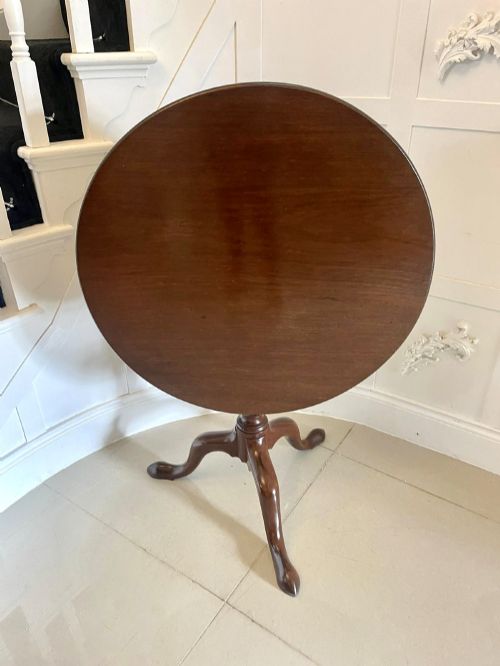
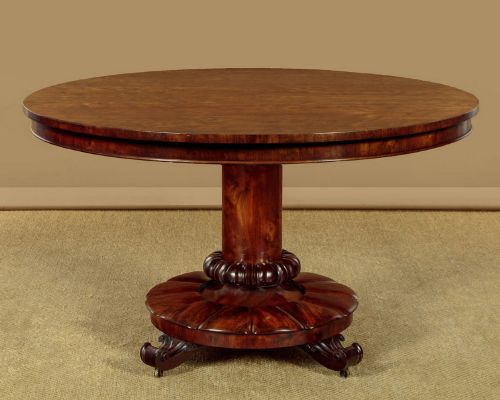
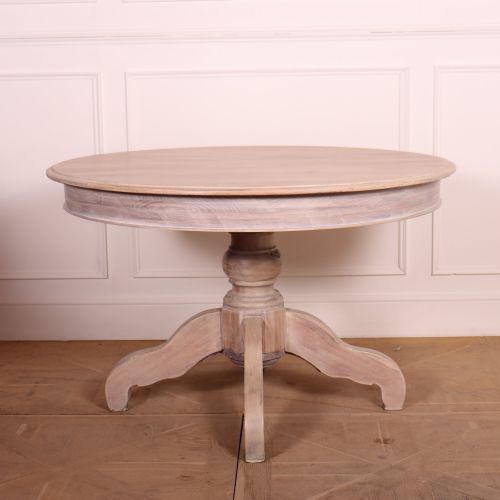
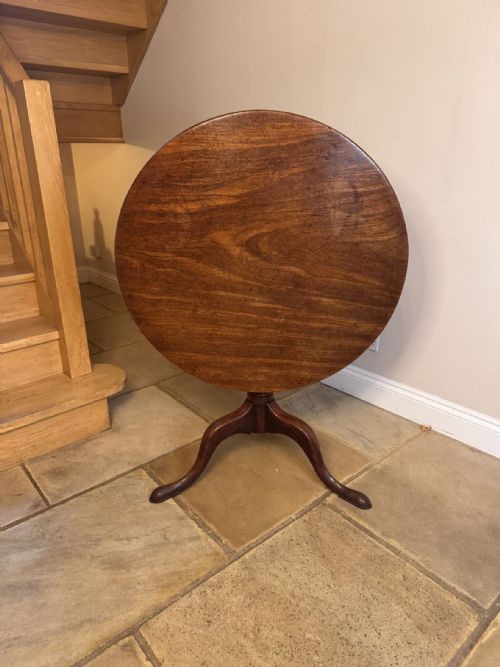
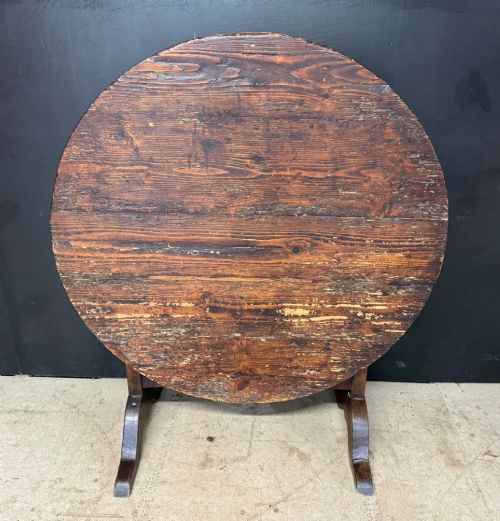
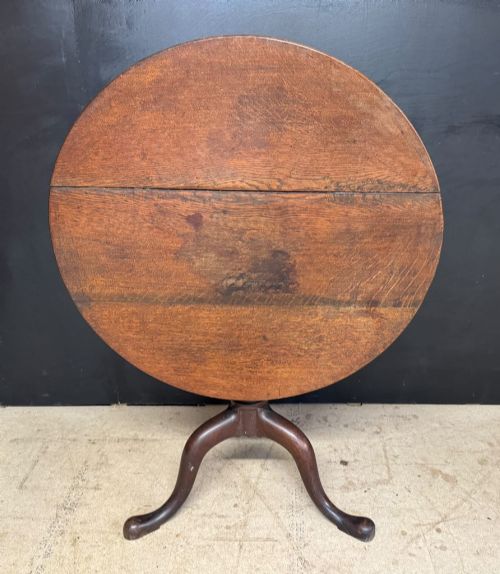
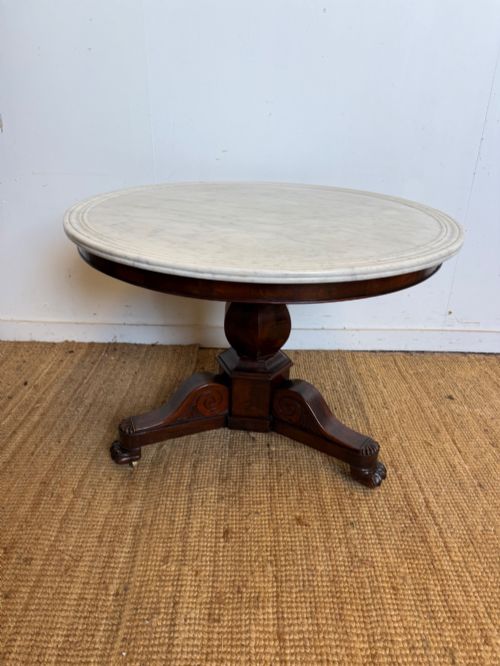
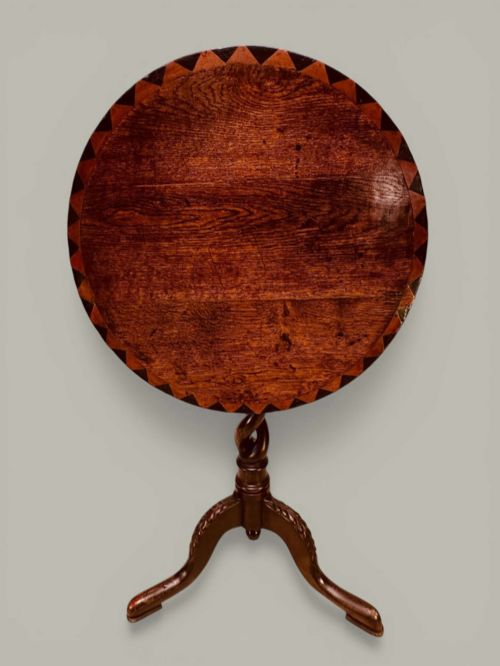
Antique Round Tilt Table
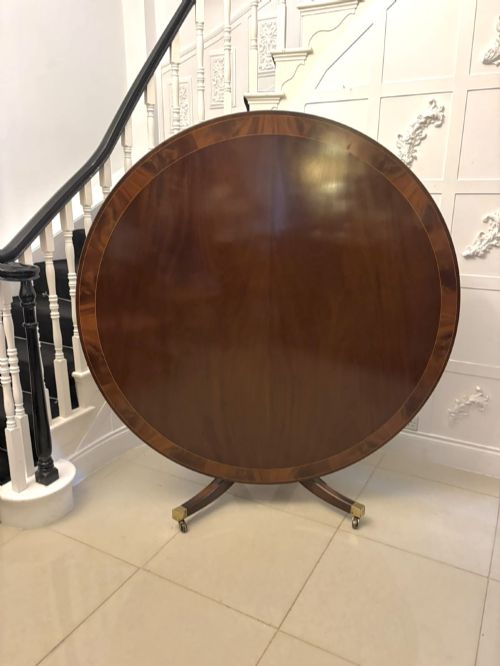
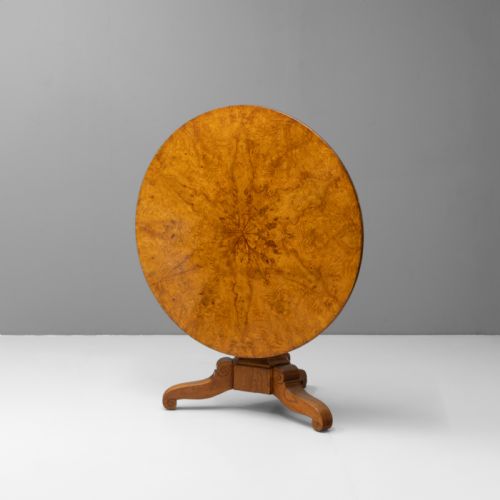
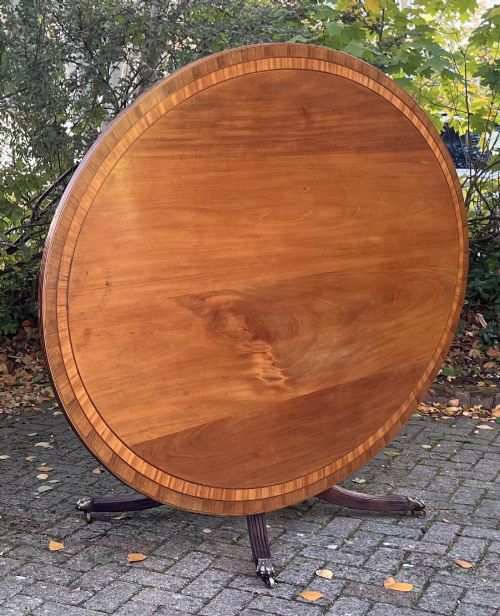
An antique round tilt table offers a clever mechanism for saving space, tipping its circular top vertically when not in use.

Antique Round Tilt Table
When you search for an antique round tilt table, you encounter versatile circular furniture spanning the Georgian, Regency, William IV and Victorian periods. These pieces serve multiple domestic functions, operating as occasional wine tables, lamp stands, breakfast tables or large dining furniture depending on their scale.
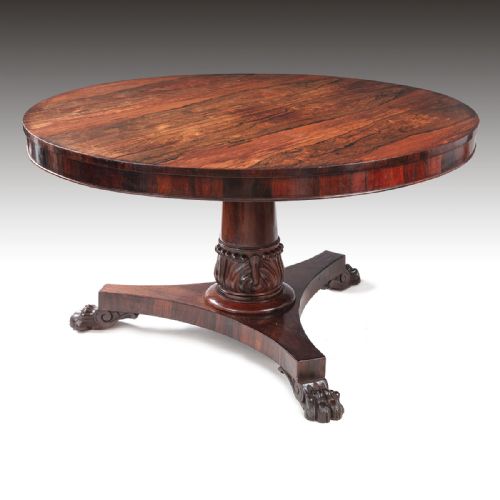
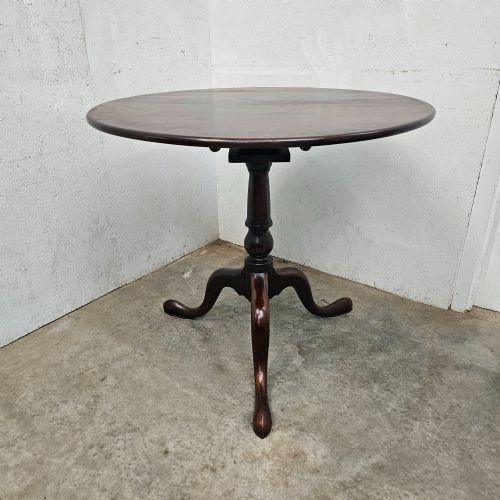
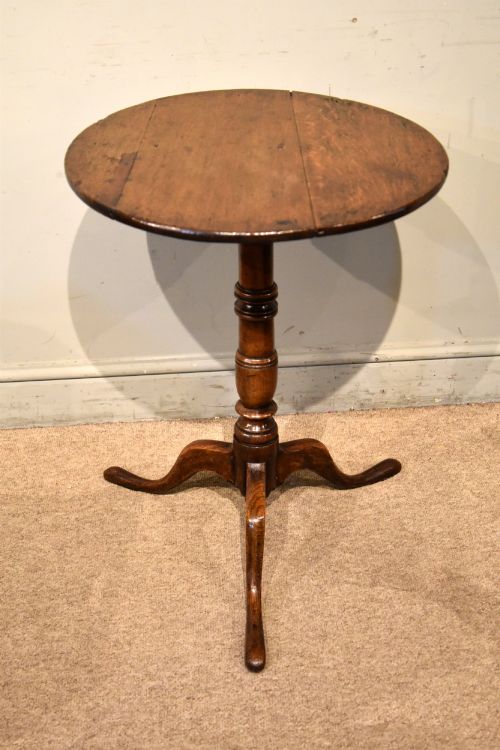
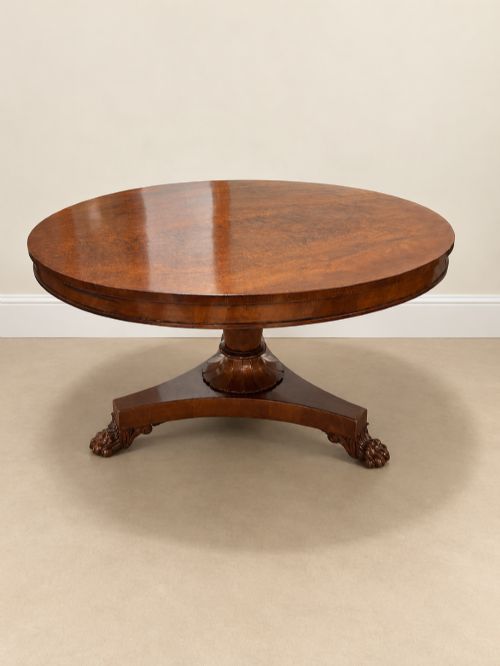
The most common formats on this page are compact tripod wine tables and substantial pillar breakfast tables. Woods such as mahogany, rosewood, walnut and oak predominate, often featuring circular timber tops supported by a single central pedestal or three splayed legs.
How they were made
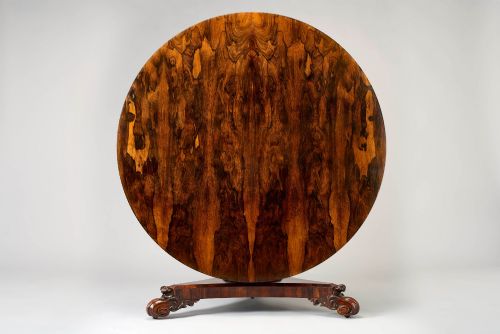
Cabinet makers utilised dense timbers like mahogany, rosewood and walnut, frequently selecting figured veneers or burr growths for the circular tops. These timber surfaces were secured to tilting mechanisms, sometimes incorporating a birdcage mounting that allowed the top to rotate as well as pivot.
Support structures typically consist of turned central pedestals resting on tripod legs or heavy triform bases, occasionally accented with brass castors or brass fittings to aid movement.
Antique Round Tilt Table Retail Price Guide 2026
Typical asking prices for round tilt table among the pieces listed under this phrase on Sellingantiques today, from the lower quarter to the upper quarter. They describe what is for sale here now, not the wider market.
Georgian dining rooms often kept these tables tipped vertically against the walls like giant wooden shields to reclaim floor space for morning exercises.
What varies in quality
The distinction between ordinary and superior pieces lies in the selection of timber and the execution of the mechanism. Finer examples display richly figured flame mahogany, burr walnut or rosewood veneers matched symmetrically across the circular top, paired with robust, smoothly functioning tilt catches.
Carving detail on the pedestal and legs also separates standard utility pieces from grander salon tables. Crisp, hand-carved foliage or acanthus motifs indicate higher workshop standards than soft, indistinct moulding.
The Antique Round Tilt Table Glossary
- Tilt-top
- A tabletop hinged to the pedestal so it can be stored vertically against a wall when not in use. This clever design preserved valuable floor space in historical rooms.
- Tripod base
- A support structure comprising three splayed legs radiating from a central pillar. It provides stable footing on uneven historical floors.
- Birdcage
- A timber framework beneath the tabletop that enables the surface to revolve independently of the tilting action. It represents a more complex piece of cabinetmaking.
- Breakfast table
- A pedestal dining table of moderate size popular during the Regency and Victorian eras. These items typically feature a circular tilting top supported by a robust pillar.
- Triform base
- A three-sided platform or foot configuration common on William IV and Regency pedestal tables. This heavy base anchors large circular dining surfaces securely.
Antique Round Tilt Table: Frequently Asked Questions
How do I use a tilt table?
Release the brass catch or wooden wedge beneath the circular top to pivot the surface into a vertical position. This allows the furniture to stand flat against a wall when floor space is needed.
When returning the top to the horizontal position, ensure the safety catch engages fully before placing any items on the surface.
What rooms suit these tables?
Smaller tripod versions function well as bedside stands, lamp tables or tea tables beside seating. Larger pedestal examples serve effectively as centre tables in hallways or intimate dining settings.
Their circular profile softens angular room layouts and provides a natural gathering point for lamps or decorative objects.
How do I date an antique tilt table?
Examine the timber species, leg profiles and under-framing construction methods. Georgian examples often feature slender mahogany tripod legs with pad feet, while Victorian versions favour heavier carved rosewood or walnut pillars.
Mechanisms also evolve over time, moving from simple wooden hinge blocks to sophisticated brass catches and birdcage mountings.
Are these tables stable?
Tripod and pedestal designs distribute weight across three or more contact points, remaining remarkably steady on level flooring. The central column places the primary load directly over the base.
Tables with birdcage mounts may exhibit slight natural movement at the pivot joint, which is standard for working antique mechanisms.