





Antique Round Parlour Table
These antique round parlour table examples span nineteenth century Victorian mahogany to French walnut pieces, bringing warmth and character to any room.
Antique Round Parlour Table
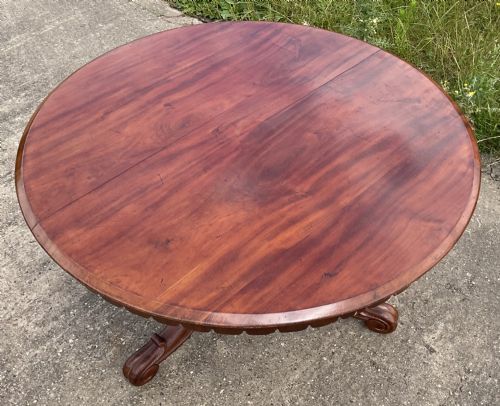
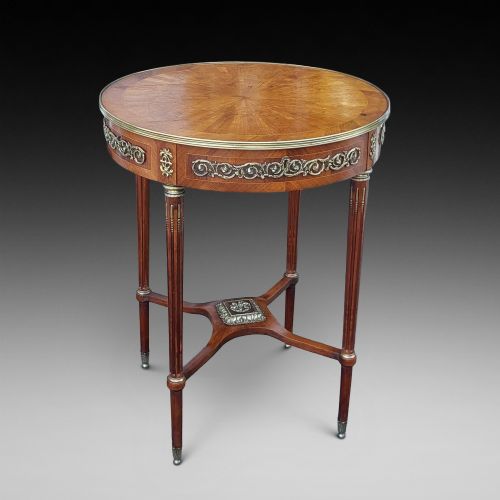
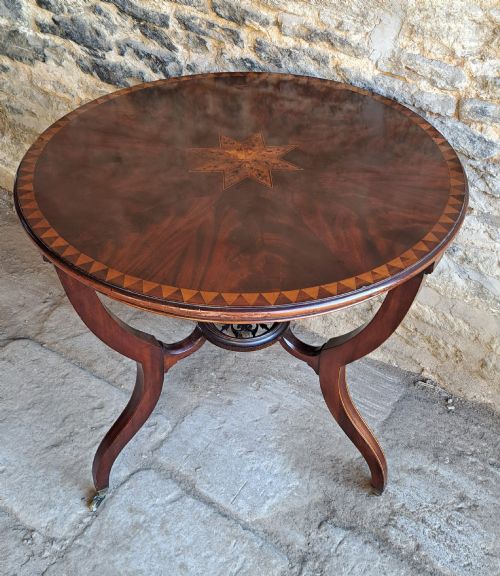
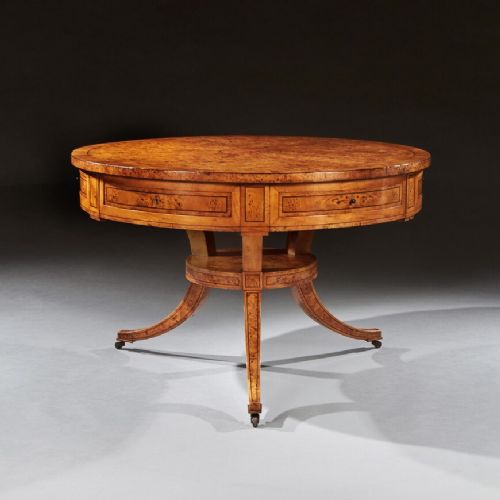
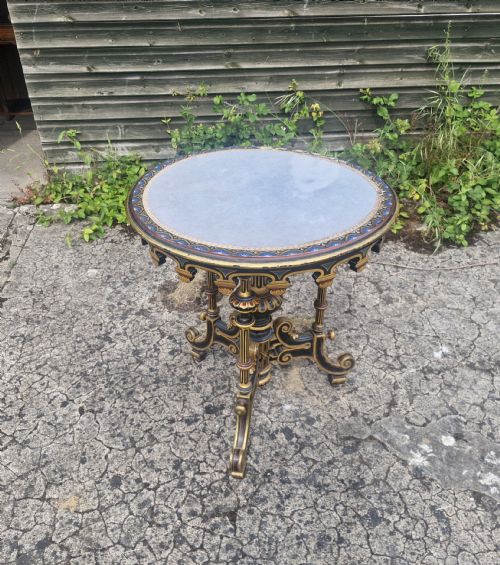
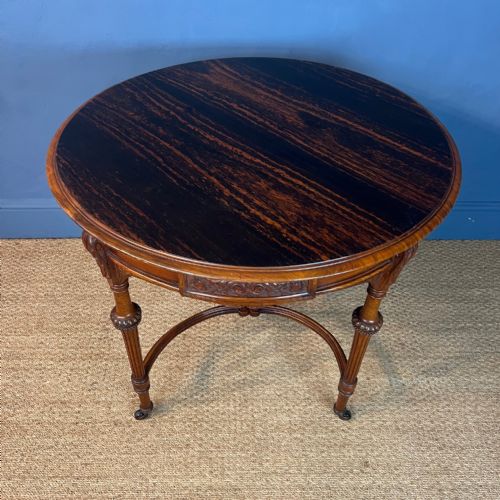
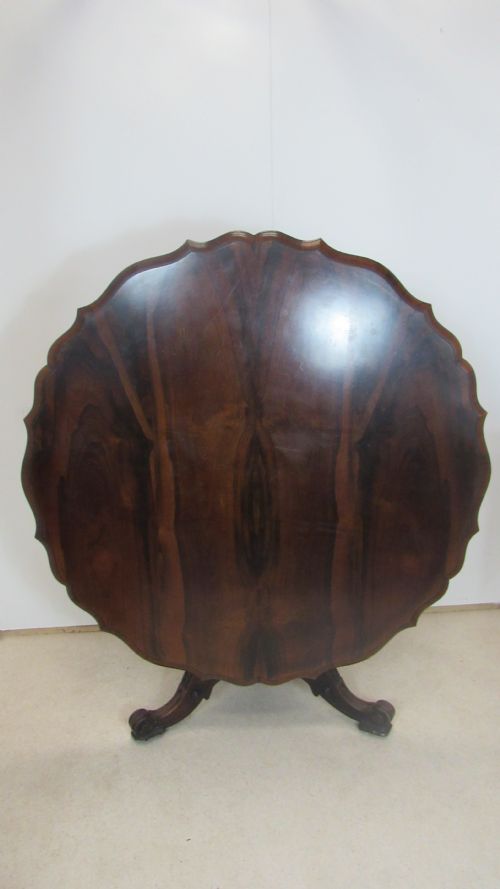
An antique round parlour table serves as a functional centrepiece or occasional surface, appearing frequently in Victorian mahogany and walnut forms across the inventory. Buyers seeking an antique round parlour table encounter circular top designs ranging from mid nineteenth century French Empire kingwood to Edwardian inlaid mahogany.
The selection encompasses centre tables, occasional tables, and coffee tables, alongside specialised formats like games tables and tarot tables. These pieces originate from various periods including the nineteenth century, Victorian era, and nineteen-twenties, showcasing diverse stylistic influences from French Chateau to Aesthetic Movement.
What varies in quality
The refinement of timber grain and the complexity of inlay work distinguish different examples within the range. Execution of marquetry, carved details, and painted decoration demonstrates the level of craftsmanship applied to each piece.
Integration of secondary materials such as marble inserts and gilt bronze or ormolu mounts influences the overall character. The distinction between standard production and exceptional work rests on the harmony of these combined elements.
Materials in these listings include mahogany, walnut, kingwood, satinwood, brass, gilt bronze, and marble across multiple centuries.
François Linke
The Antique Round Parlour Table Glossary
- Centre table
- A freestanding table designed to be viewed from all sides and placed in the middle of a room rather than against a wall.
- Ormolu
- Gilt bronze ornamentation applied to furniture, popular in French and revival styles for decorative mounts and accents.
- Marquetry
- The art and craft of applying pieces of veneer to a structure to form decorative patterns and pictures.
- Occasional table
- A small, versatile table intended for light use and easily moved about a parlour or drawing room.
- Burr walnut
- A wood figure obtained from a tree growth, valued for its swirling, intricate grain patterns on table tops.
Antique Round Parlour Table: Frequently Asked Questions
Where should I place a round parlour table?
These tables function well as central pieces in a room or as occasional surfaces beside seating. Their circular design allows for easy movement around them in smaller spaces.
Positioning them away from direct heat sources helps protect the mahogany, walnut, or rosewood timber from splitting or drying out over time.
How do I care for marble top tables?
Marble surfaces require gentle cleaning with a damp cloth and mild soap, avoiding acidic cleaners that can etch the stone. Using coasters prevents scratches and staining from liquids.
Wooden bases should be dusted regularly with a soft cloth and treated periodically with appropriate wax to maintain the finish.
What is the difference between a centre table and an occasional table?
Centre tables are traditionally built to stand independently in the middle of a room, often featuring finished detail on all sides. They serve as primary focal points in a Victorian parlour.
Occasional tables are generally smaller and lighter, designed to be moved around as needed for specific tasks or decorative displays.
How can I tell the period of a round table?
Examining the timber types, construction methods, and decorative styles provides key indicators of age. Victorian pieces often use solid mahogany or walnut with elaborate carving or inlay.
Later nineteenth and twentieth-century examples incorporate specific revival influences, such as French Empire or Aesthetic Movement details, matching the recorded design eras.