


Antique Rosewood Timepiece
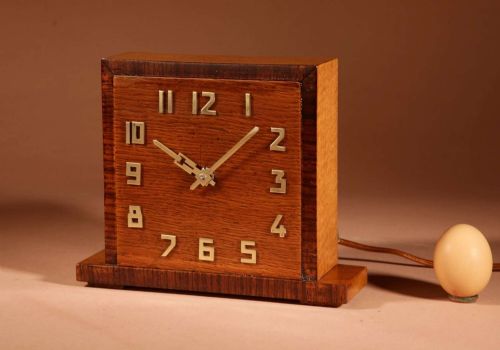
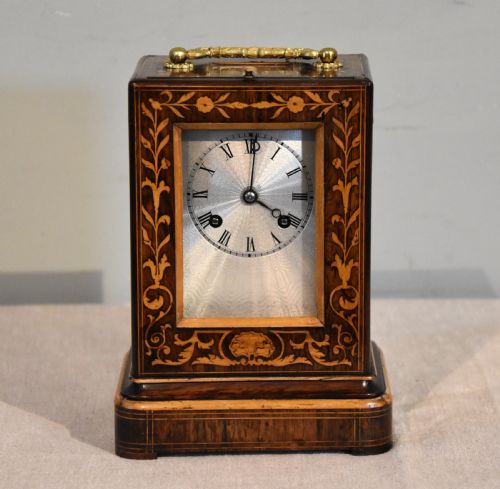
An antique rosewood timepiece brings warmth and precision to a room, offering the rich grain and deep tones characteristic of nineteenth-century horology.
Antique Rosewood Timepiece
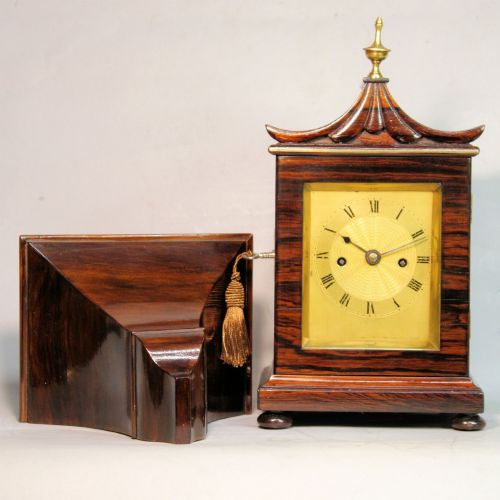
When you search for an antique rosewood timepiece, you encounter a selection of mantel clocks, wall clocks, and library clocks originating from the nineteenth century. These horological pieces range from Regency brass-inlaid examples to French portico designs and English drop-dial wall clocks.
The version you are most likely to meet on this page is a Victorian or nineteenth-century French mantel clock housed in a rich rosewood case, often featuring marquetry or ormolu mounts. Wall-mounted drop-dial and octagonal variants also appear frequently among the listings.
Makers and retailers such as Henry Marc, Kleyser of London, and Malecot of Paris represent the diverse origin of these instruments, spanning English fusee movements and continental platform escapements.
What varies in quality
Quality in these timepieces rests upon the crispness of the cabinetwork and the finesse of the timber selection, where deeply figured rosewood grain and precise boxwood or ormolu inlay elevate the visual impact. The integration of decorative elements, such as bovine cherub inlay or fine marquetry, marks the distinction between standard production and exceptional examples.
Mechanically, the refinement of the movement and the signature of a known maker, such as Arnold and Frodsham or Henry Marc, distinguish superior library and portico clocks from unsigned domestic pieces.
Listings feature nineteenth-century pieces incorporating brass, glass, enamel, ormolu, and boxwood.
Arnold and Frodsham·Henry Marc·Kleyser of London·Malecot of Paris
The Antique Rosewood Timepiece Glossary
- Fusee
- A conical pulley used in clock movements to maintain an even tension on the chain as the mainspring unwinds. This mechanism is typical of better-quality English clocks.
- Portico clock
- A distinct architectural clock style supported by columns, often featuring a central pendulum bob visible through the framework.
- Ormolu
- Gilded bronze ornamentation applied to clock cases for decorative contrast against dark rosewood surfaces.
- Platform escapement
- A self-contained escapement unit allowing portable clocks to keep accurate time without requiring a strict vertical pendulum setup.
- Drop-dial wall clock
- A timepiece featuring a circular dial above an extended wooden case, designed specifically for wall mounting in domestic or public spaces.
Antique Rosewood Timepiece: Frequently Asked Questions
How do I wind an antique rosewood timepiece?
Wind the clock gently using the appropriate key provided for the spring barrels or fusee movement, taking care not to over-wind the mechanism.
Ensure you follow the specific instructions for your clock's escapement type to maintain tension accuracy.
Where should I place a wall clock?
Hang your wall clock on a sturdy internal partition away from direct sunlight, dampness, and extreme temperature fluctuations.
Secure the case firmly to prevent vibrations from affecting the beat of the pendulum or escapement.
How do I identify the period of a rosewood clock?
Examine the style of the case, the dial materials, and any signature or stamps left by the maker on the movement backplate.
Nineteenth-century pieces often exhibit Regency, Victorian, or French Restoration design characteristics that help date their origin.
Do these clocks require professional servicing?
Periodic cleaning and oiling by a qualified horologist ensure the longevity and accurate timekeeping of mechanical movements.
Avoid attempting internal repairs yourself, as delicate brass components and springs require specialised tools.