



Antique Rosewood Nightstand
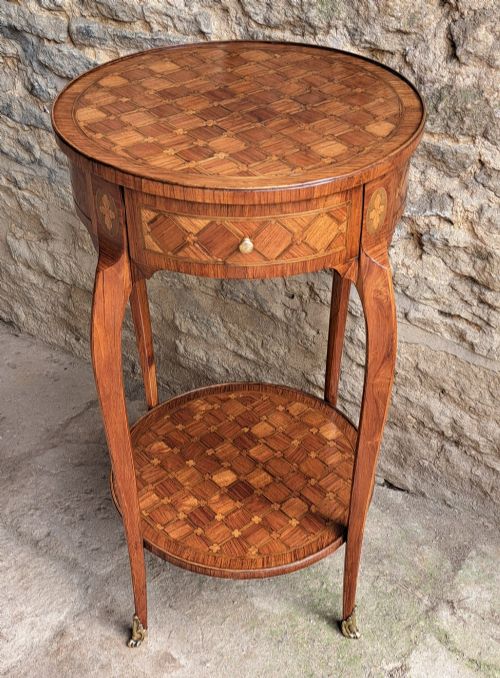
An antique rosewood nightstand brings rich dark grain and refined proportion to a bedside, offering a practical surface with distinct historical character.
Antique Rosewood Nightstand
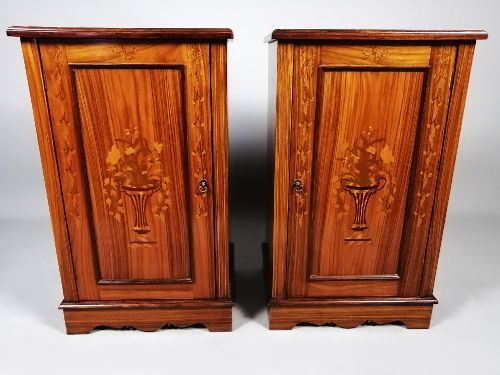
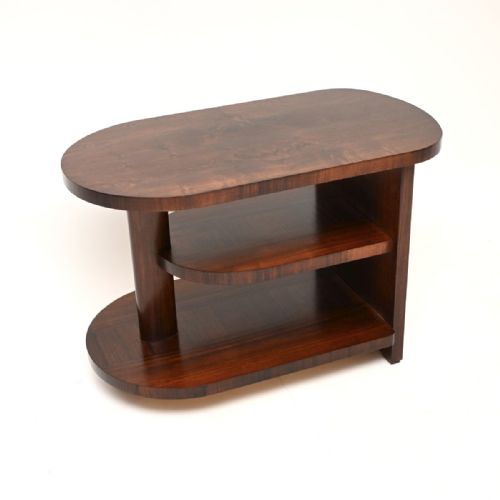
When you search for an antique rosewood nightstand, you encounter a variety of compact bedside forms designed for the bedroom. The pieces on this page span several decades, featuring Victorian, Edwardian, and Regency examples alongside French revival styles.
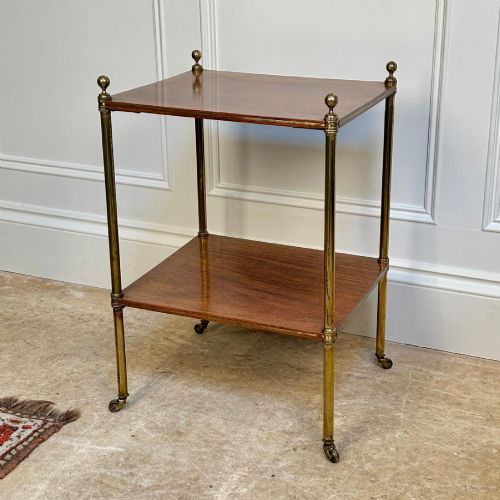
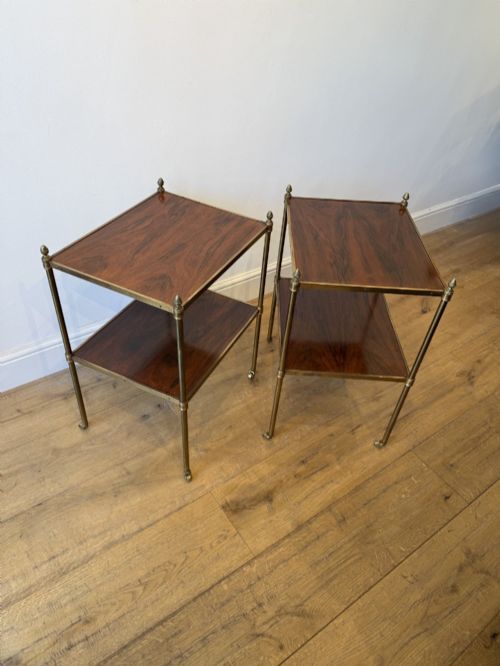
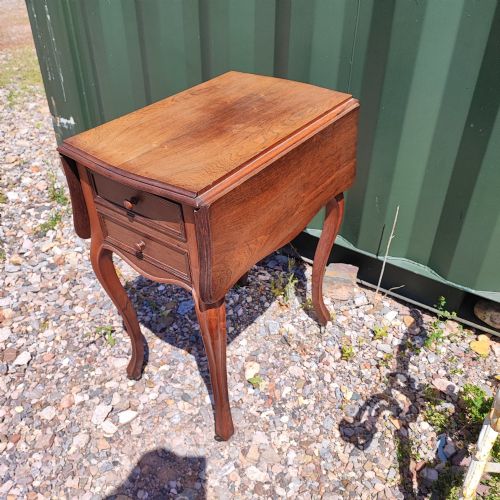
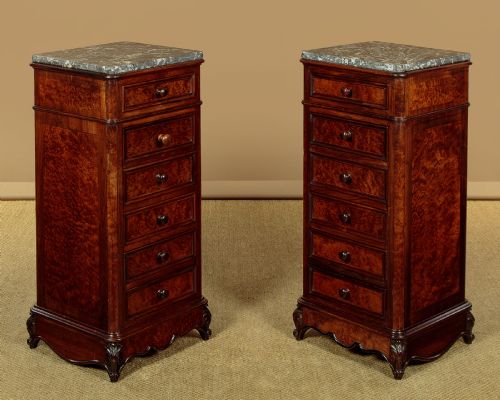
Bedside cabinets and cupboards appear frequently, often constructed as matching pairs with enclosed storage behind panelled doors. Open variants like etageres and drop leaf tables also serve adjacent to the bed, providing smaller footprints for lamps and books.
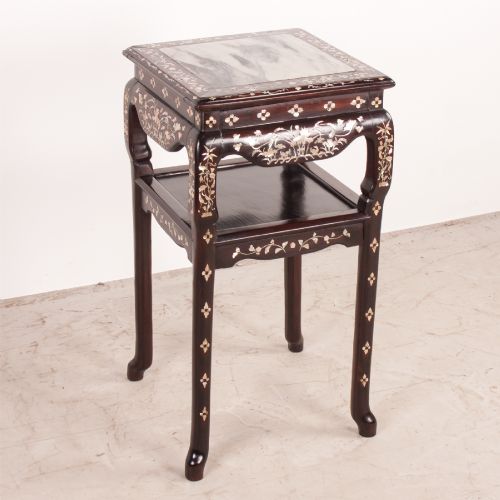
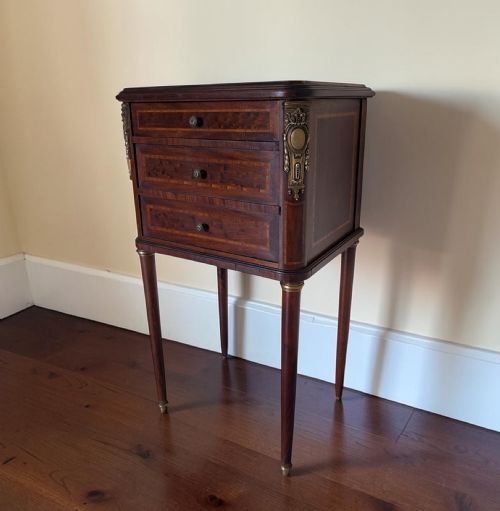
The materials extend beyond primary rosewood timber, frequently incorporating marquetry inlay, brass mounts, and contrasting woods such as satinwood and kingwood. Marble tops feature on several French revival examples, offering a durable and cool surface.
Distinguishing quality across examples
The standard of execution in the marquetry and wood inlay sets finer pieces apart from simpler domestic furniture. Crisp detailing in the floral motifs and precise contrasting timber selection indicate skilled workshop production.
The integration of original brass hardware and well-fitted marble tops influences the overall integrity of the piece. Proportions remain balanced, whether dealing with a small pedestal cupboard or a taller bedside cabinet.
Antique Rosewood Nightstand Retail Price Guide 2026
Typical asking prices for rosewood nightstand among the pieces listed under this phrase on Sellingantiques today, from the lower quarter to the upper quarter. They describe what is for sale here now, not the wider market.
Mother of pearl inlay occasionally catches the light on Chinese occasional tables, offering an unexpected texture among standard wood veneers.
Collinson and Lock·Mallett
The Antique Rosewood Nightstand Glossary
- Marquetry
- Decorative veneer work arranged in geometric or floral patterns. Craftsmen piece together various coloured woods to form pictorial designs on table tops and cabinet doors.
- Etagere
- A set of open shelves for displaying small objects. These tiered structures provide accessible storage beside seating or sleeping areas.
- Pembroke table
- A small table with hinged drop leaves on two opposing sides. Drawers are frequently incorporated into the frieze for small items.
- Ormolu
- Gilded bronze ornamentation applied to furniture. This decorative technique appears on French revival pieces from the nineteenth century.
- Kingwood
- A dense, richly figured Brazilian timber used for banding and cross-banding. Its dark violet-brown colour contrasts effectively with rosewood.
Antique Rosewood Nightstand: Frequently Asked Questions
What periods do these nightstands come from?
The pieces originate across the nineteenth and early twentieth centuries, encompassing Regency, Victorian, and Edwardian eras. French revival designs from the later nineteenth century also feature prominently.
Craftsmen during these periods utilised traditional cabinet-making methods, applying exotic veneers and intricate marquetry to standard bedroom furniture.
How were these bedside tables used originally?
Bedside cabinets and cupboards held chamber pots, nighttime water jugs, and personal items behind closed doors. Smaller etageres and drop leaf tables supported candlesticks and reading material.
Enclosed cupboards kept private belongings out of sight, while open tier designs prioritised quick access to daily essentials.
Are matching pairs common for these tables?
Many bedside cabinets and cupboards survive as matching pairs intended to flank a larger bed frame. These dual pieces share identical marquetry patterns, dimensions, and hardware.
Single tables also appear frequently, often functioning as standalone lamp tables or occasional surfaces in smaller rooms.
How do I care for rosewood furniture?
Rosewood surfaces benefit from minimal interference, requiring only a soft dry cloth to remove dust. Avoid placing wooden furniture near direct heat sources or strong sunlight to prevent timber movement.
Maintaining consistent indoor humidity protects delicate veneer work and prevents splitting in the underlying carcase.