

Antique Rosewood Display
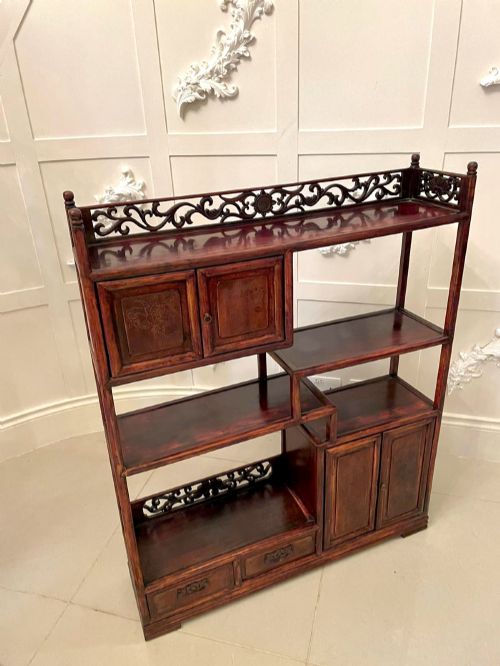
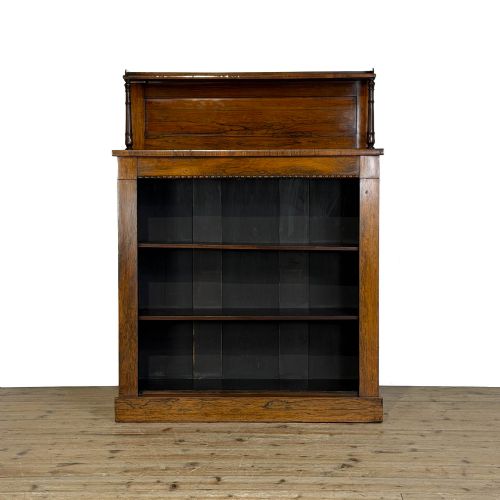
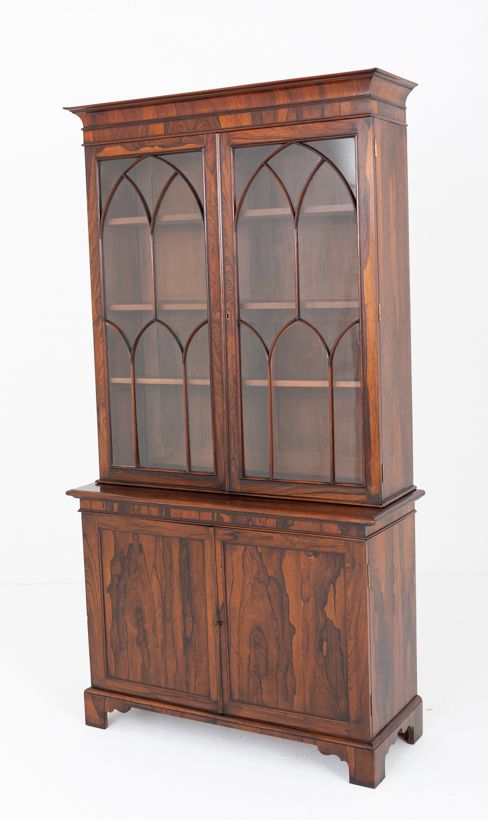
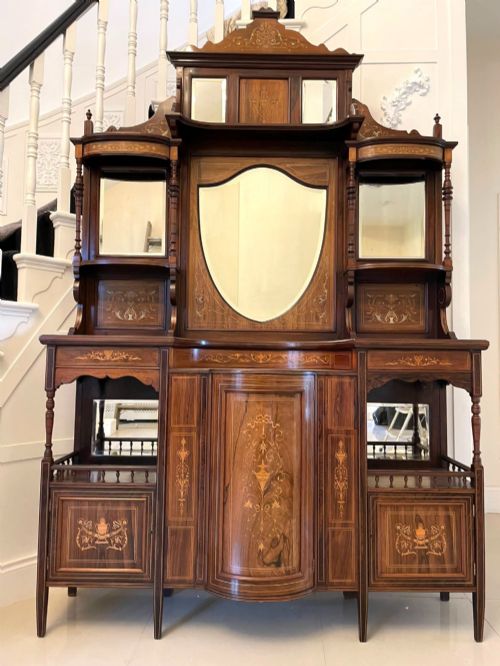
Antique rosewood display pieces bring rich grain and classical form to interiors, housing cherished books and objects with quiet dignity.
Materials and Construction
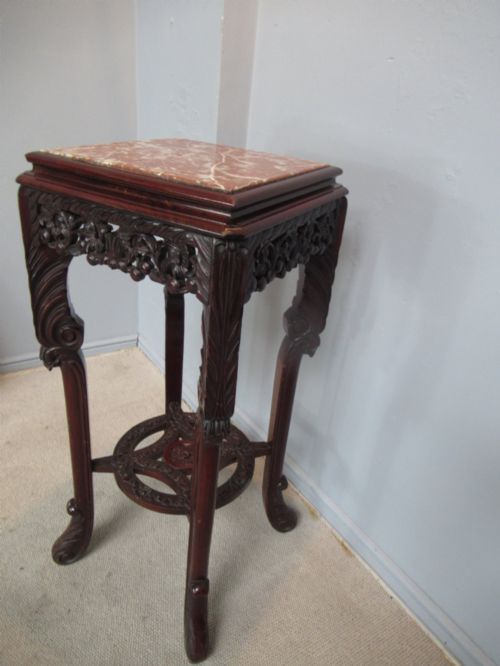
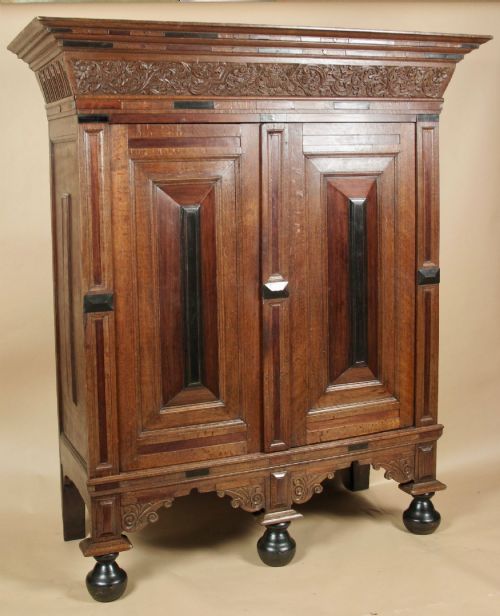
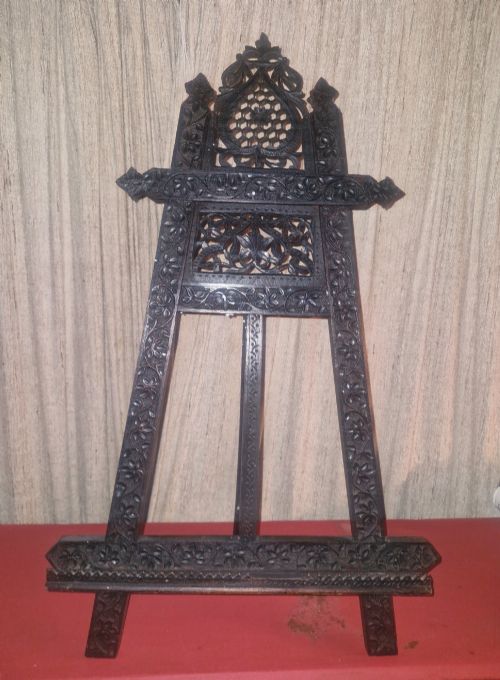
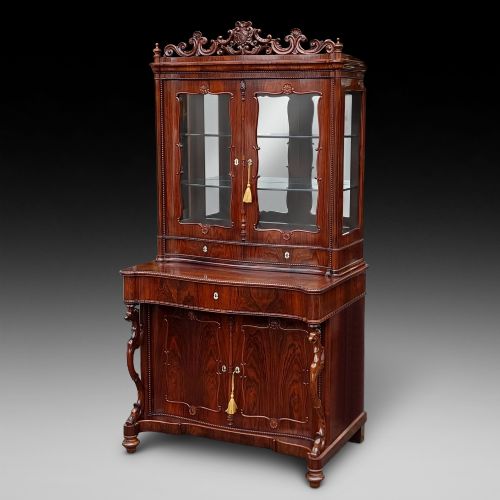
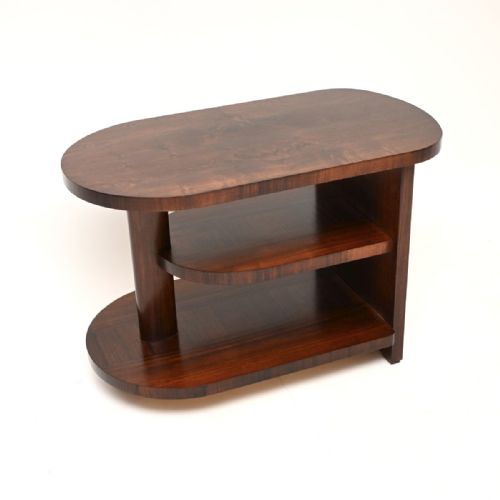
Cabinet-makers relied on rosewood for its dense character and deep reddish-brown grain, often pairing solid sections with veneers laid over secondary timbers. The material accepts fine carving and polished finishes well, giving surfaces a rich sheen that highlights the natural figuring of the wood.
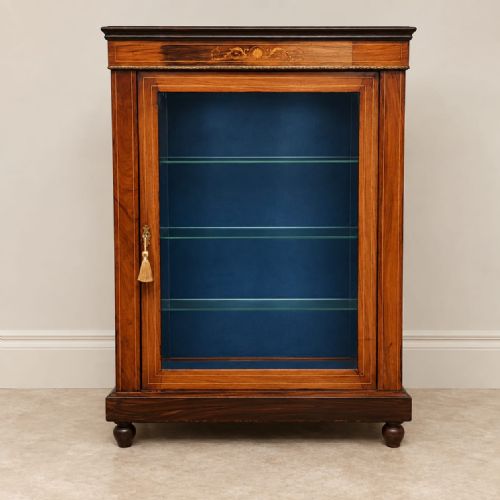
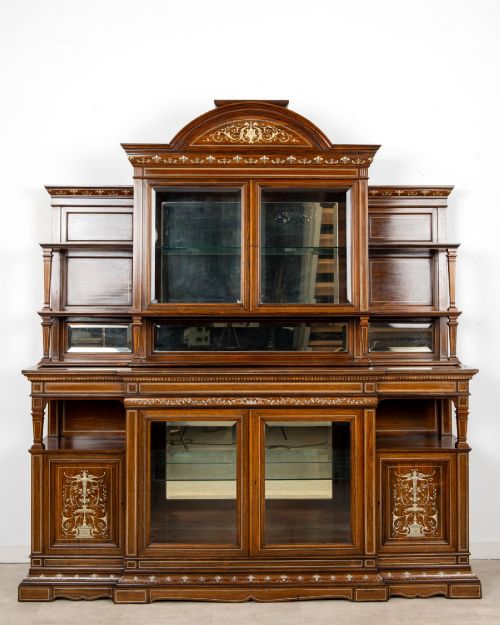
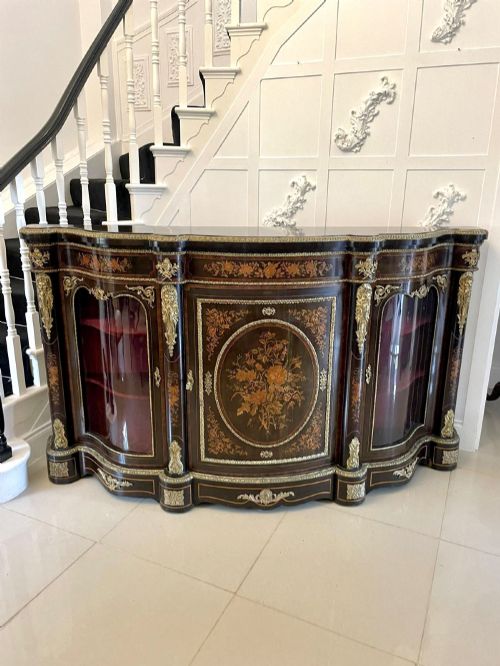
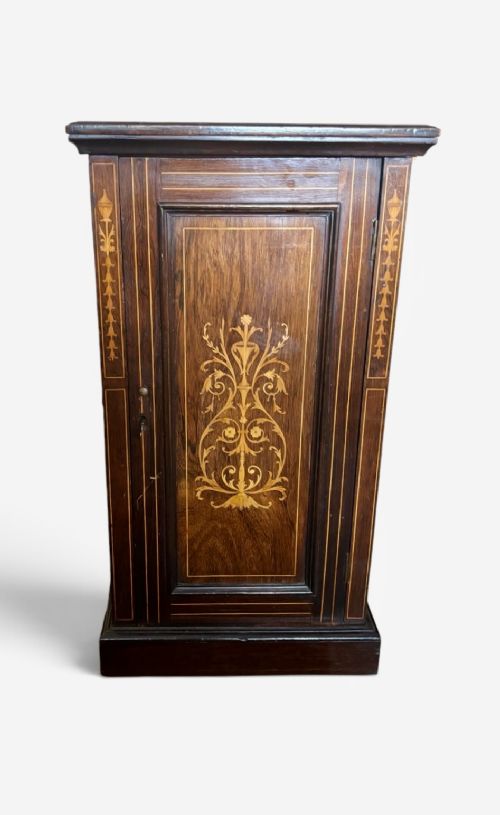
Decoration frequently incorporates contrasting elements such as satinwood and ebony inlay, brass mounts, or hand-carved floral marquetry. Glazed doors use timber frames to secure glass panes, while internal components like shelves and mirror backs enhance illumination within display compartments.
Distinctions in Standard
Quality rests in the precision of the cabinet-making, the selection of the rosewood veneer, and the integration of decorative details such as ormolu mounts and marquetry. Superior examples exhibit tightly fitted joinery, balanced grain patterns across multiple doors or panels, and original hardware.
The refinement of secondary elements, from the crispness of hand-carved foliage to the weight of cast brass fittings, separates standard utilitarian furniture from exhibition-grade pieces attributed to notable makers.
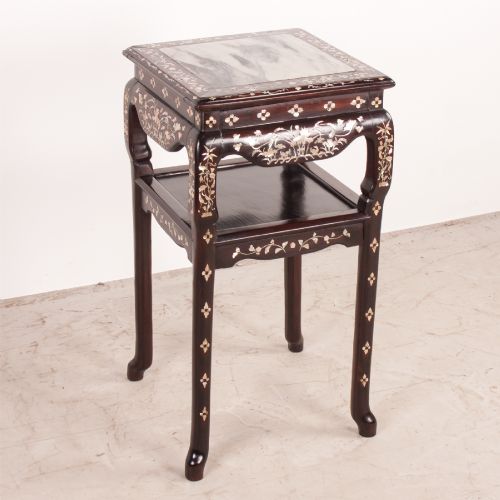
Listings feature 19th-century rosewood display furniture incorporating brass, marble, and hand-cut mother-of-pearl inlay across various international styles.
Collinson & Lock·James Winter·Gillows·François Linke
The Antique Rosewood Display Glossary
- Vitrine
- A glass-fronted cabinet designed specifically for displaying fine porcelain, art objects, or curiosities. These pieces often feature glass sides to maximise ambient light on the items within.
- Whatnot
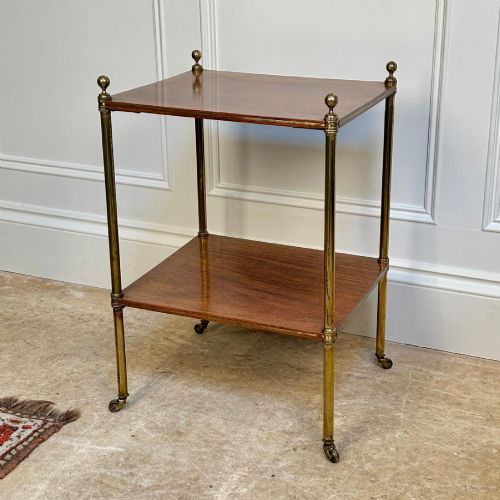
- A set of open shelves supported by slender columns or uprights, used for displaying small ornaments or books. They frequently appear in three or four tiers, sometimes incorporating a small drawer at the base.
- Pier Cabinet
- A low, upright cabinet designed to stand against the narrow section of wall between windows. Victorian iterations commonly feature glazed doors, velvet-lined interiors, and gilt-metal mounts.
- Marquetry
- Decorative patterns formed by the insertion of contrasting veneers into a primary wood surface. Cabinet-makers used floral and geometric motifs to adorn door panels and friezes.
- Credenza
- A low dining or reception room cabinet used for storage and display, often featuring central cupboards flanked by curved glass doors. The top surface provides an additional area for decorative arrangement.
Antique Rosewood Display: Frequently Asked Questions
How do I care for antique rosewood?
Rosewood benefits from stable indoor environments away from direct sunlight and heat sources, which can cause the dense timber or its underlying veneers to dry and split.
Regular dusting with a soft, dry cloth maintains the polished finish without requiring heavy wax applications that build up over time.
Were these cabinets meant for books or ornaments?
Many pieces served dual purposes depending on their internal configuration, with open or glazed shelving accommodating both leather-bound volumes and fragile ceramics.
Cabinets with glass doors and mirrored backs were explicitly built to reflect light through collected objects rather than house working libraries.
How do I distinguish Regency from Victorian styles?
Regency rosewood furniture tends to display restrained classical lines influenced by ancient Greek and Roman motifs, often incorporating brass inlay and simpler geometric forms.
Victorian pieces generally show heavier proportions, more exuberant carved ornamentation, and varied inlay techniques including floral marquetry and diverse exotic woods.
What is a chiffonier?
A chiffonier is a compact sideboard developed during the nineteenth century, typically combining enclosed lower cupboard storage with an upper shelf or tier.
They function well in modern interiors for holding table linen or serving as a low surface for lamps and decorative items.