
Antique Rose Gold
Antique rose gold brings a warm, distinctively coppery hue to jewellery and decorative items from the Victorian, Edwardian, and Art Deco periods.
Antique Rose Gold
When searching for antique rose gold, collectors encounter a wide variety of personal ornaments and functional pieces spanning the nineteenth and early twentieth centuries.
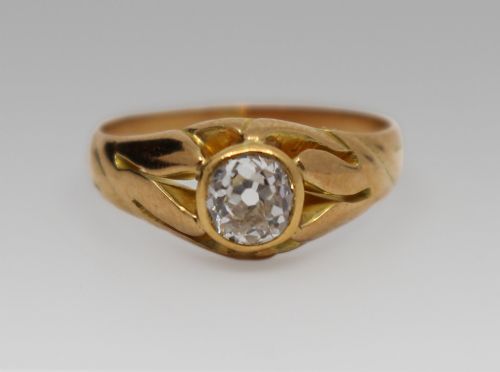
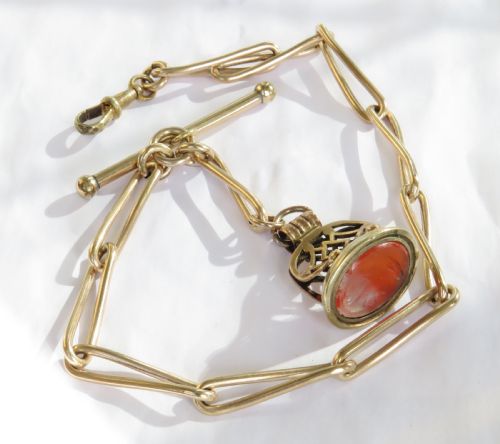
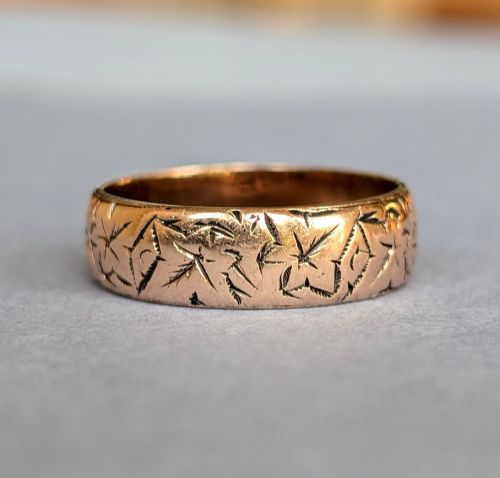
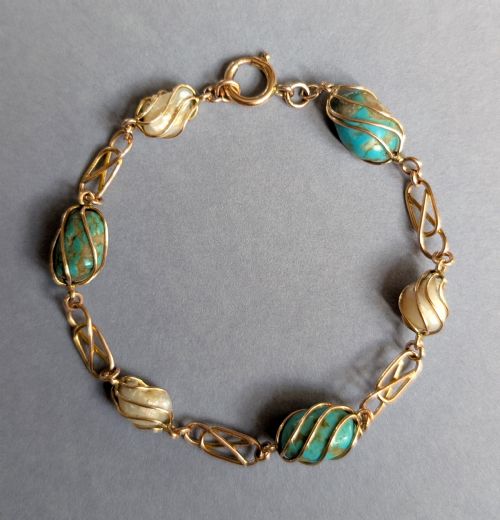
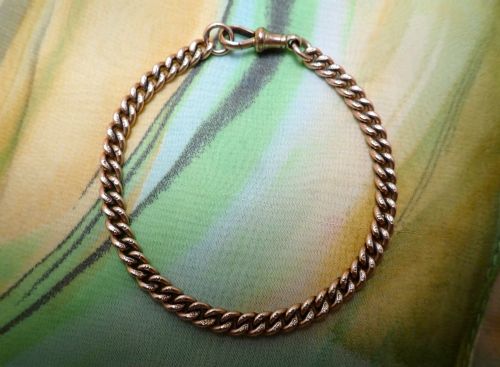
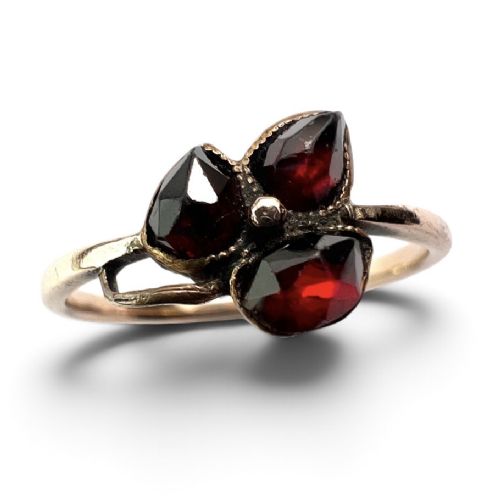
The selections on this page are dominated by wearable items, particularly heavy curb link bracelets, gate bracelets fitted with heart padlocks, long guard chains, and gem-set rings.
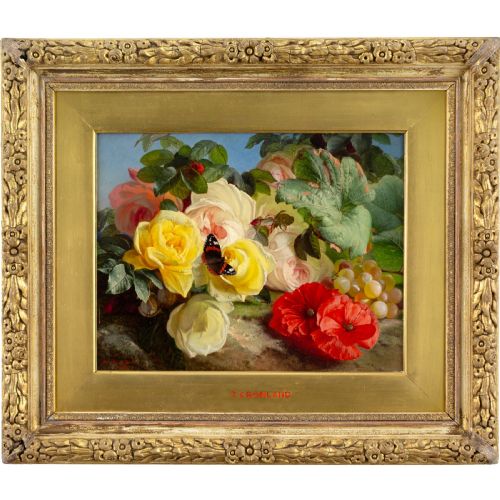
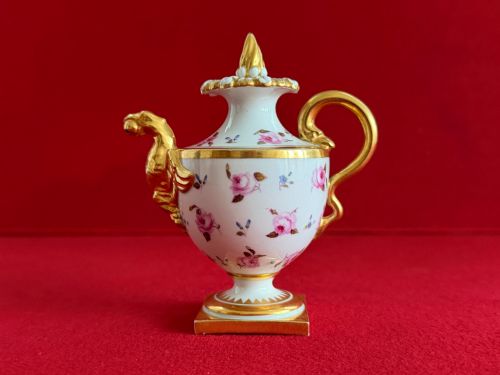
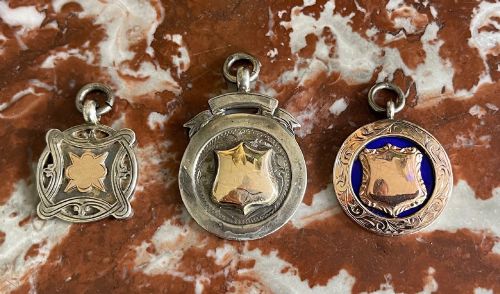
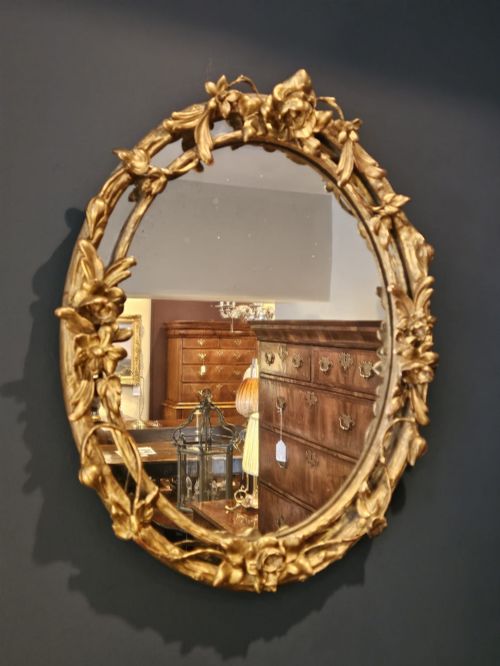
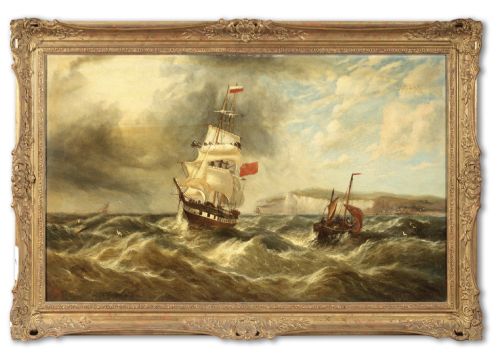
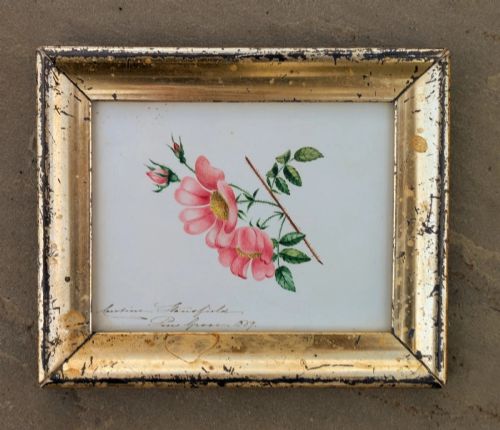
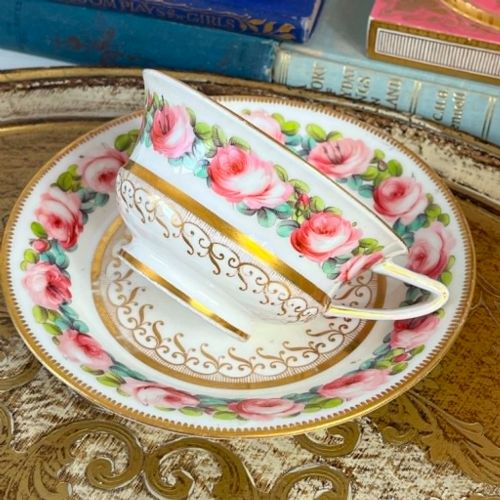
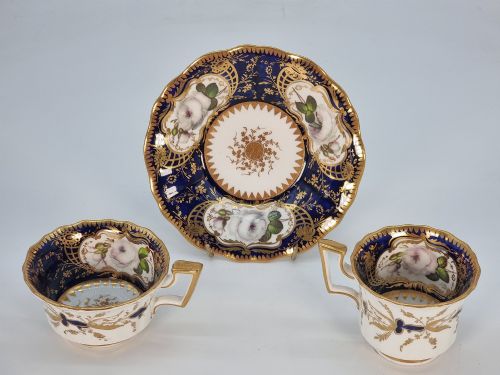
Beyond jewellery, the material occasionally appears in decorative contexts, linking personal adornment with period porcelain and paintings sharing rose motifs.
Materials and Fabrication
The metal itself relies on traditional alloying methods, combining gold with copper to achieve the characteristic pinkish tint seen across Victorian and Edwardian items.
Many structural chains and heavier bracelets utilise hollow or back-and-front constructions to provide substantial visual weight without prohibitive material costs.
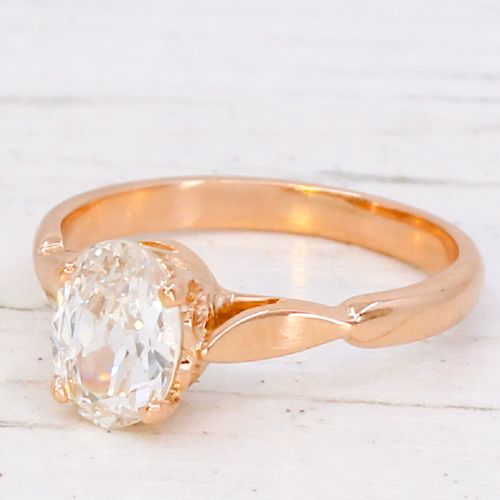
Gemstones such as turquoise, garnets, pearls, and diamonds are frequently flush-set or claw-mounted into the warm metal base, reflecting the prevailing taste of the era.
Tennis rackets served as inspiration for tiny charms, proving that Edwardian sports enthusiasts accessorised with unexpected precision.
Assessing Craftsmanship
Quality in these pieces is dictated by the crispness of hand-engraving on curb links and lockets, as well as the structural integrity of clasps and hinges.
Solid construction naturally commands greater appreciation than rolled or back-and-front alternatives, though the latter still demonstrate remarkable period skill.
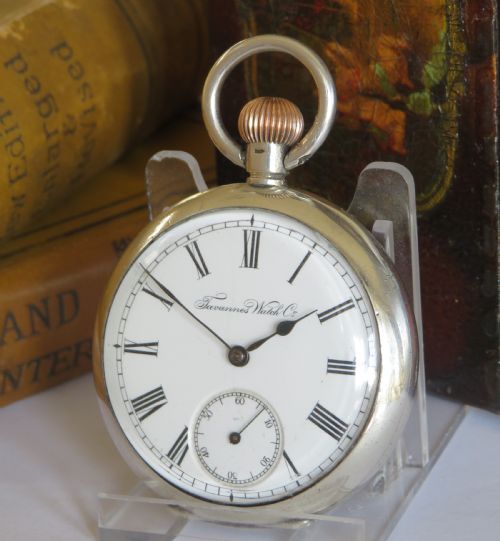
The retention of original components, such as matching T-bars on watch chains or unbroken safety chains, distinguishes superior surviving examples.
Flight Barr And Barr·John Rose·Edward Ladell·Cropp And Farr
The Antique Rose Gold Glossary
- Albert chain
- A pocket watch chain designed to be worn across a waistcoat or attached to a belt, frequently fitted with a T-bar.
- Gate bracelet
- A flexible, wide bracelet constructed from numerous parallel metal bars linked together, often finished with a padlock clasp.
- Rolled gold
- A manufacturing method where a layer of gold is mechanically bonded to a base metal core, common in watch chains.
- Guard chain
- An exceptionally long necklace chain originally utilised to secure opera glasses, pocket watches, or lorgnettes.
Antique Rose Gold: Frequently Asked Questions
How can I date my rose gold item?
Dating typically relies on hallmarks stamped into the metal, which indicate assay offices, sponsor marks, and specific date letters.
Stylistic cues, such as the robust proportions of Victorian curb links or the geometric precision of Art Deco designs, also help narrow down the period of manufacture.
Was rose gold popular in the Victorian era?
Yes, the alloy gained immense popularity during the nineteenth century, particularly for romantic tokens like heart-padlock bracelets and turquoise-set rings.
Jewellers utilised the coppery tone to complement the warm gemstones and naturalistic floral motifs favoured at the time.
What does back and front mean?
This term indicates that the exterior visible surfaces of an item, such as a locket, are made of solid gold while the internal framing uses a base metal.
This technique provided structural strength and affordability while maintaining a rich golden appearance on the outside.
How should I care for antique rose gold?
Gentle cleaning with warm soapy water and a soft cloth is usually sufficient to maintain the metal's natural lustre over time.
Harsh chemical dips should be avoided, particularly when dealing with porous gems like pearls or turquoise that are frequently mounted alongside the gold.