
Rose Gold Chain Bracelet
A rose gold chain bracelet brings a warm, coppery gleam to the wrist, offering lasting charm from the Victorian and Edwardian eras.
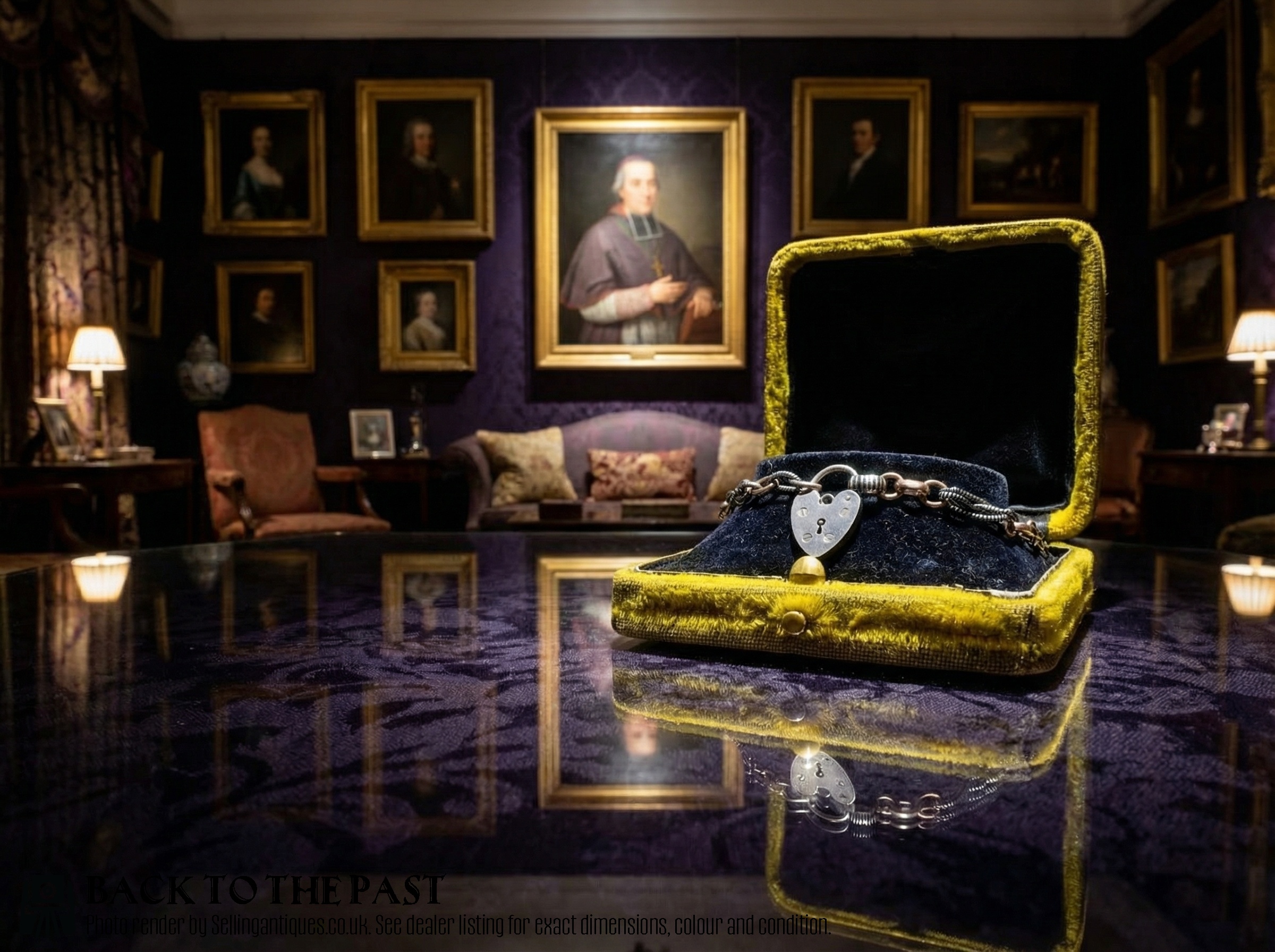
Understanding the rose gold chain bracelet
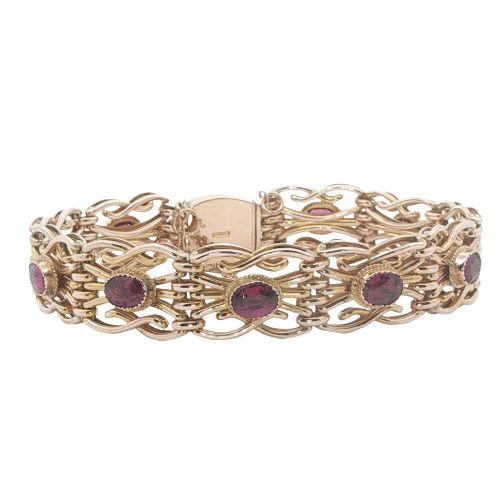
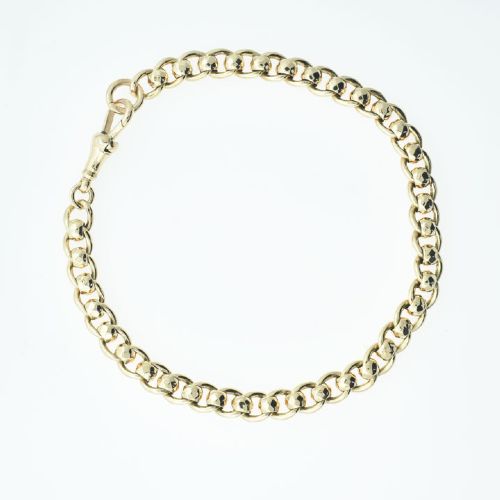
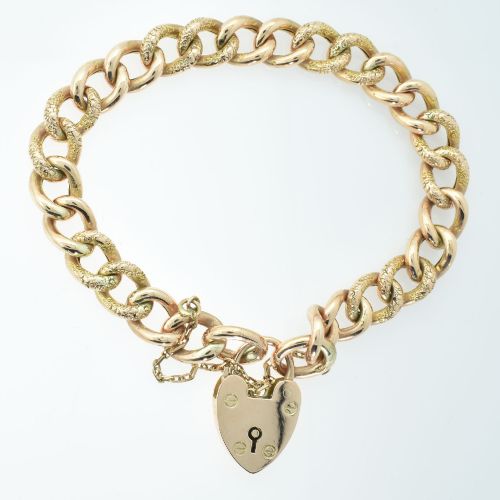
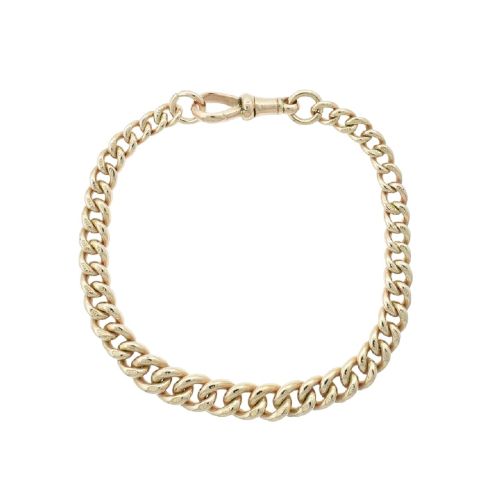
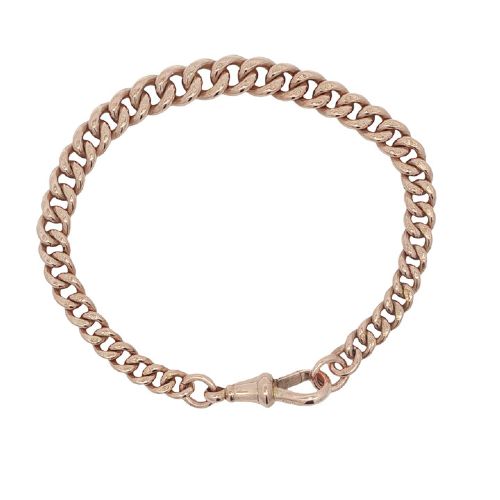
A rose gold chain bracelet represents a distinct category of antique jewellery built around interlocking links of distinctive reddish gold. When you search for a rose gold chain bracelet, you encounter sturdy link designs meant for daily wear rather than fragile display pieces. The pieces available on this page lean heavily towards curb links and fancy link formations originating from the Victorian and Edwardian periods.
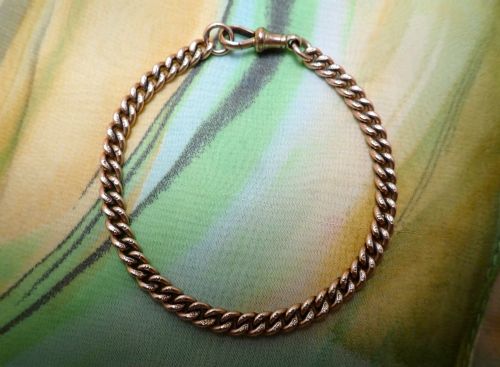
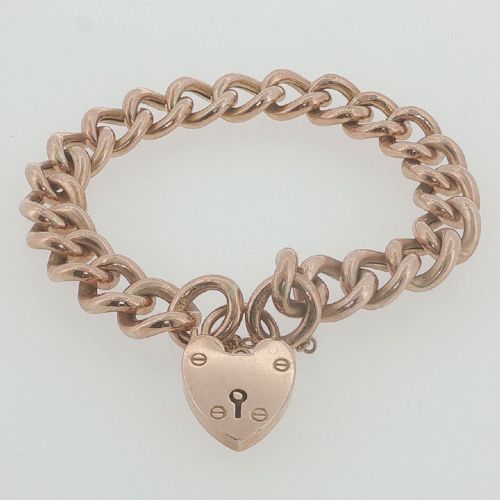
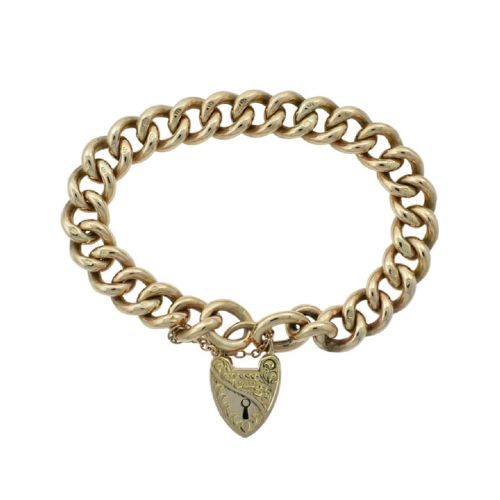
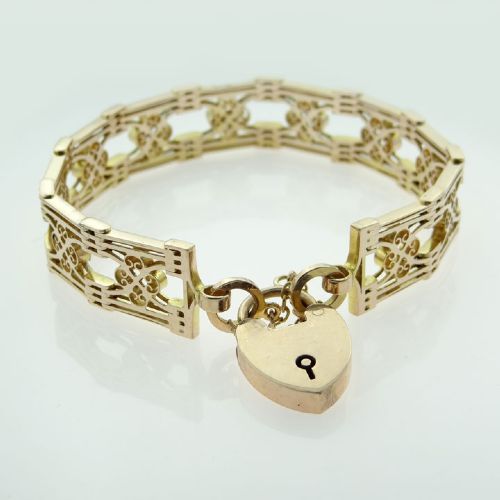
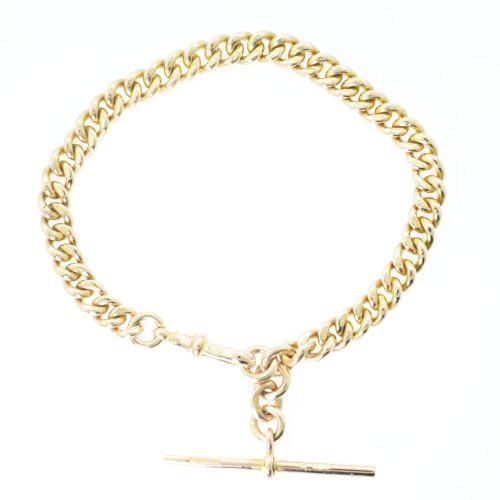
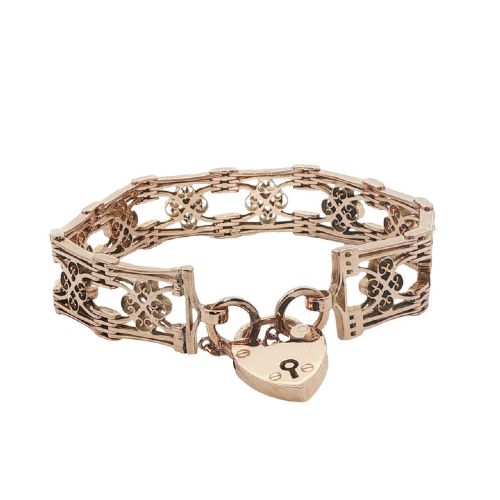
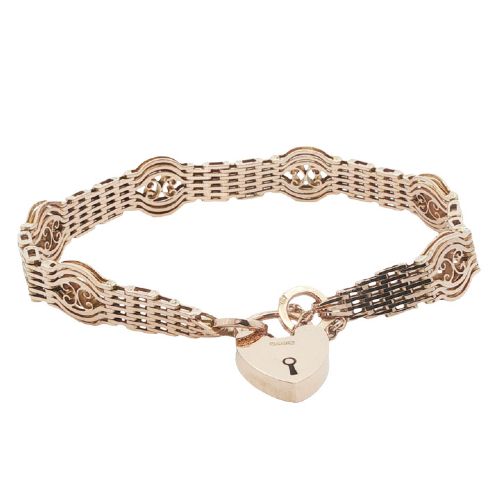
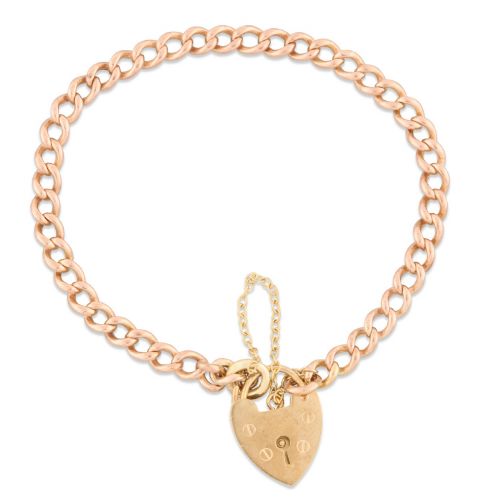
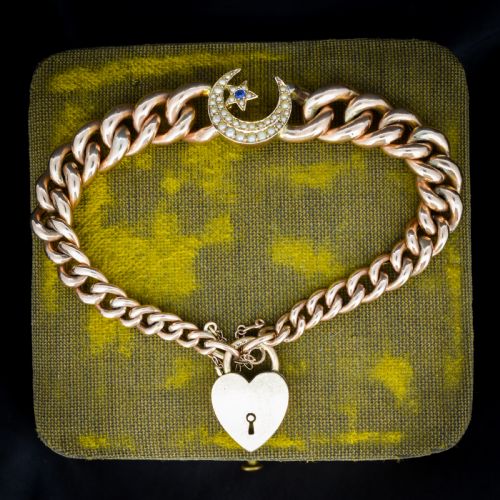
The most common formats you will meet combine robust curb links with secure fastenings such as heart padlocks, dog clips, or T-bars. Many examples hail directly from the year nineteen hundred or span the broader Edwardian and late Victorian eras. These bracelets range from slender chains to heavy, substantial bands weighing well over twenty grams.
Materials and construction
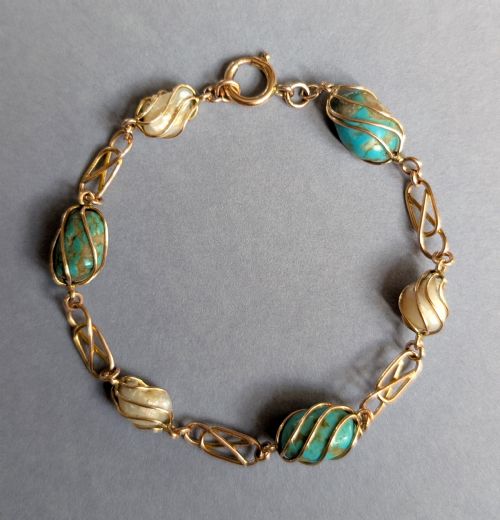
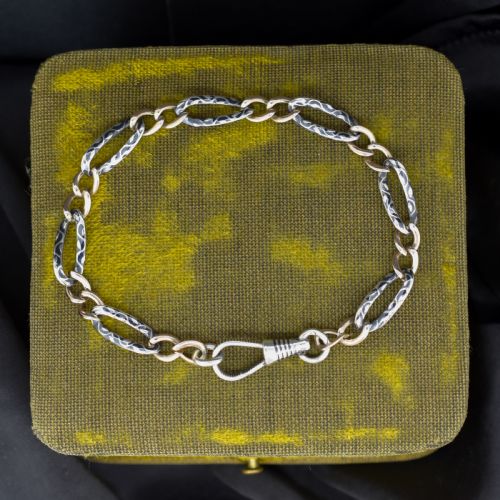
The materials recorded in these listings rely predominantly on nine carat rose gold, alongside select fifteen carat gold pieces and occasional touches of silver or niello. Goldsmiths of the period formed these metals into solid links, often hand-engraving individual sections with geometric patterns or floral motifs. Some chains incorporate varied link shapes, such as stars and bars, or feature graduated sizing along the length of the band.
Construction techniques focused heavily on durability and physical presence, resulting in weighty curb links joined securely by soldered rings. Fastening mechanisms like dog clips and heart padlocks were individually cast and fitted with working spring gates or snap closures. This meticulous assembly ensured that heavy chains could support practical use while maintaining intricate decorative details.
Retail Price Guide 2026
Typical UK retail prices for rose gold chain bracelet, calculated from the Sellingantiques database of over a million retail prices indexed since 2003. This retail price guide relies exclusively on Sellingantiques data; no external sources or auction records are used, so the figures do not describe the wider market.
Listings feature items in nine carat rose gold, fifteen carat gold, and silver, spanning the Victorian and Edwardian periods.
Factors of quality
Quality in these bracelets separates mass production from finer goldsmithing through the crispness of hand-engraving and the density of the gold. A superior piece displays deep, clear hand-chased patterns across the curb links rather than shallow or worn surface scratching. The heft of the metal also dictates the upper tier of the range, with heavier solid links offering a more substantial feel on the wrist.
Another measure of distinction lies in the complexity of the link formations and the originality of the hardware, such as matching dog clips or fully functional heart padlocks. Pieces that integrate varied link geometries, like stars and bars, or feature well-executed graduated scaling demonstrate greater artisanal ambition. The integrity of the original clasps and the consistency of the rose hue further elevate the standing of an individual piece.
The Rose Gold Chain Bracelet Glossary
- Curb chain
- A type of jewellery chain formed of interlocking flat uniform links that lie relatively flat against the skin. This classic layout provides the structural foundation for many traditional padlock bracelets.
- Dog clip
- A spring-loaded swivel fastening commonly used on watch chains and antique bracelets to secure a pendant or attach to a jump ring. It allows the wearer to clip and unclip the bracelet securely with one hand.
- Heart padlock
- A small, functional padlock shaped like a heart, frequently hung from Victorian and Edwardian charm and curb chain bracelets. These padlocks often feature detailed engraving on the front face.
- Albert chain
- A heavy watch chain traditionally worn by men in the nineteenth century, often repurposed today as a substantial wrist bracelet. They frequently include a T-bar and dog clip at either end.
Frequently Asked Questions
How do I wear a antique rose gold chain bracelet?
These bracelets work well worn alone as a statement piece or layered alongside other antique gold items on the wrist. Their substantial weight makes them comfortable for daily wear when properly secured.
Ensure the dog clip or padlock mechanism snaps firmly shut before heading out. Pairing them with contemporary minimalist pieces can also highlight their historical texture.
What periods do these bracelets come from?
The pieces listed originate primarily from the Victorian, late Victorian, and Edwardian eras, with many dating specifically around nineteen hundred. These periods defined distinct styles of heavy gold link work.
Stylistic cues like heart padlocks and hand-engraved curb links point directly to these late nineteenth and early twentieth-century origins. Hallmarks and gold carat stamps often help confirm the exact manufacturing era.
How do heart padlock bracelets fasten?
Heart padlocks on these bracelets typically operate via a small push-spring mechanism or a hinged shackle that clicks into the body of the lock. They attach securely to a designated jump ring on the chain.
While some padlocks are purely decorative, most function as the primary clasp for putting the bracelet on and taking it off. Checking the spring tension ensures the lock remains secure during wear.