



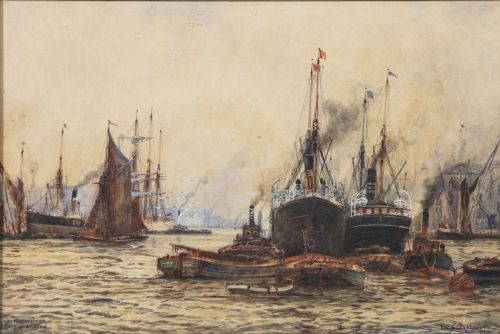
Antique River Painting
The antique river painting captures watercourses, bridges and banks across the nineteenth and twentieth centuries in oils and watercolours.
Antique River Painting
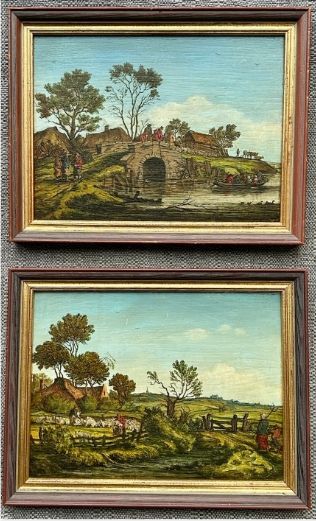
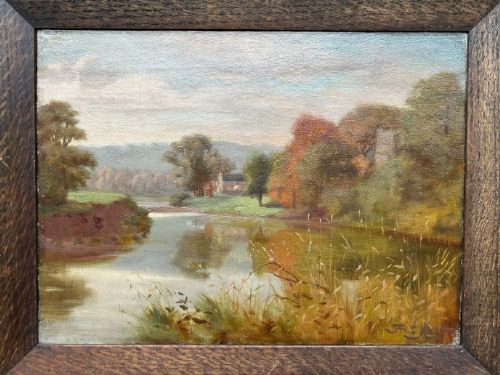
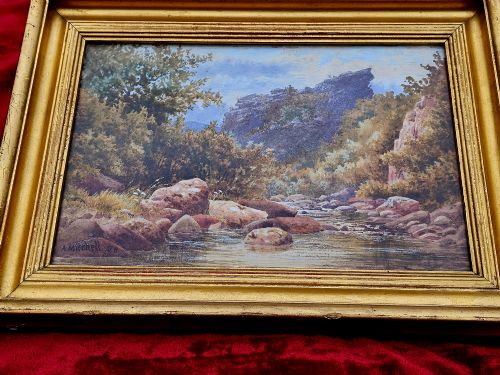
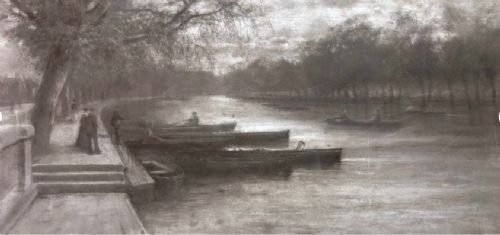
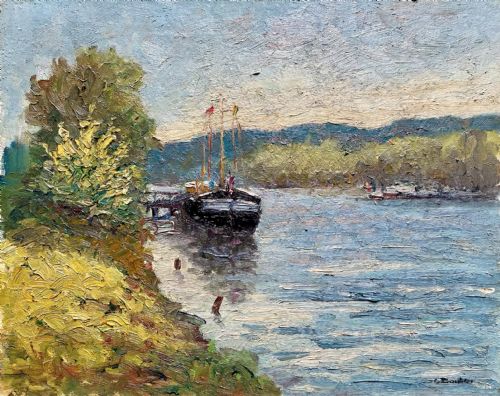
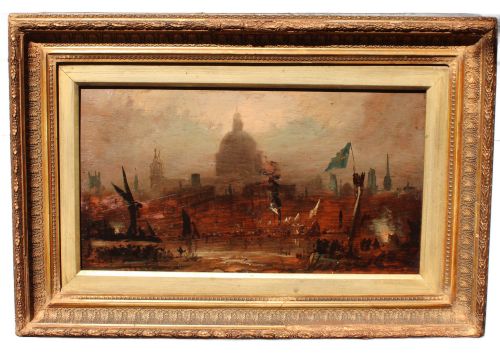
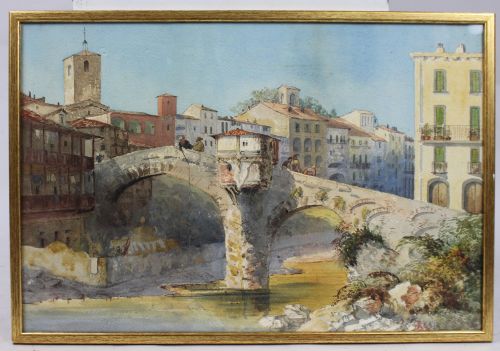
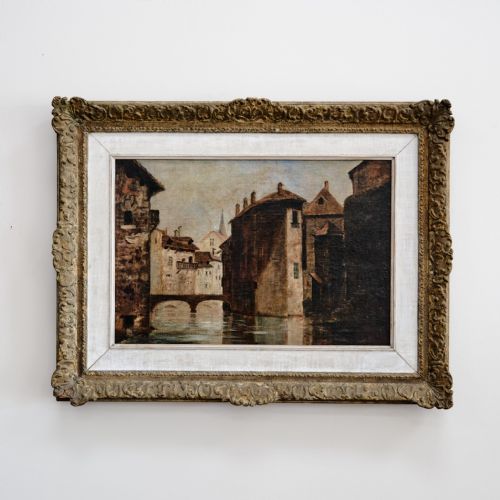
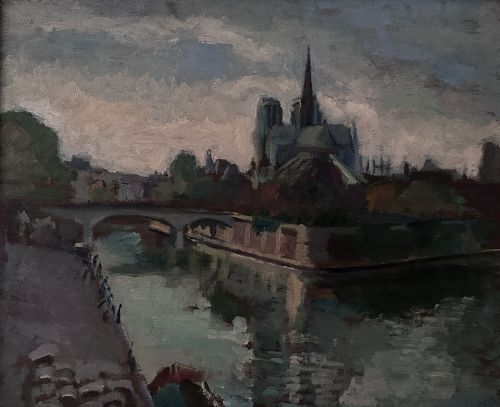
An antique river painting portrays natural waterways, urban canals and rural banks, frequently featuring figures fishing, boats moored near bridges or cattle grazing in meadows. These works emerge predominantly from the nineteenth and early twentieth centuries, spanning Victorian, Edwardian and Impressionist movements.
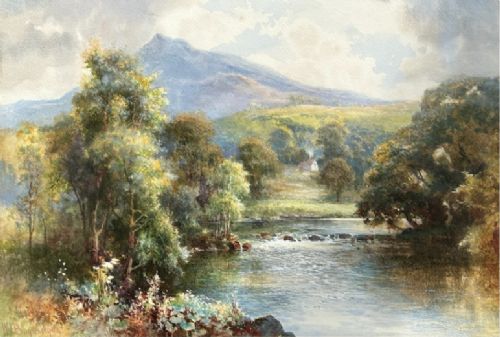
Buyers encounter oil paintings on canvas and wood panels alongside delicate watercolours on paper. Scenes range from local British views along the Thames and the Tyne to continental European waterways and pastoral Welsh and Scottish landscapes.
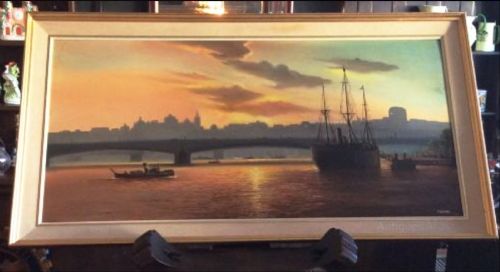
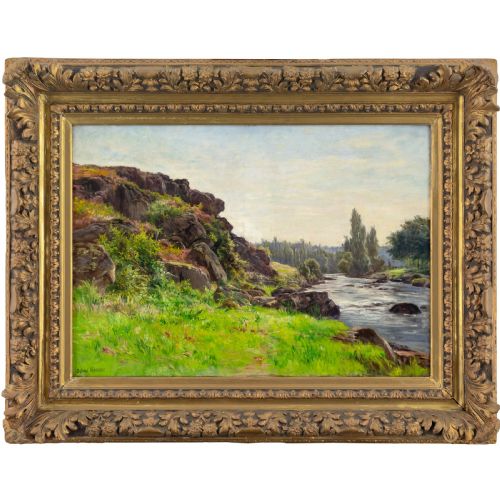
Framed watercolours and oil panels suit drawing rooms and studies alike, offering historical glimpses of vanished mills, bridges and towpaths. Works vary from intimate sketches to panoramic seascapes and moody nocturnal canal scenes.
Materials and Technique
Artists painted primarily with oil on stretched canvas, wooden panels, card or board, building rich textures and deep tones. Watercolours applied to paper capture lighter atmospheric effects, utilising washes for skies and rivers.
Gesso frames often house these works, providing ornate borders for Victorian and Edwardian canvases. Charcoal drawings on canvas or paper also appear, employing tonal contrasts to render evening light and reflections.
Antique River Painting Retail Price Guide 2026
Typical asking prices for river painting among the pieces listed under this phrase on Sellingantiques today, from the lower quarter to the upper quarter. They describe what is for sale here now, not the wider market.
Several artists hid tiny fishermen along overgrown riverbanks, daring observant buyers to spot them.
Assessing Quality
Quality rests upon the artist's command of light, shadow and water reflection. Stronger compositions handle perspective and atmospheric depth with precision, whereas weaker examples rely on formulaic foliage and static water.
The handling of pigment separates standard decorative works from fine art pieces. Subtle brushwork in oil or deft transparency in watercolour demonstrates the maker's technical capability.
George Graham·Alfred Young Nutt·Frederick Marriott·William Joseph Boyes·Gabriel Mathieu·Frank William Scargrough·Robert Thorne Waite·Francis Moltino·Willem Bos·Henri Ottmann·George Oyston·TB Hardy·Sir Alfred East·Herbert Royle·Paul Desire Trouillebert·E Brown·Robert Leslie Howey·Florence Adelina Hess·T C Hofland·Henry H Parker
The Antique River Painting Glossary
- Oil on Canvas
- Pigment mixed with drying oil applied to a woven fabric support stretched over a wooden frame. This medium allows for deep layering and rich colour blending.
- Watercolour
- A paint consisting of water-soluble pigments applied to paper. It creates luminous, translucent washes ideal for capturing shifting light on water.
- Gesso
- A plaster-like mixture applied to wood panels or frames to prepare a smooth surface for painting or gilding. It provides a durable foundation for fine detail.
- Wood Panel
- A flat wooden board used as a rigid painting support. Artists often utilised panels for smaller, detailed landscape studies.
- Impressionism
- A style focusing on accurate depiction of light and its shifting qualities. Painters captured everyday scenes with visible brush strokes.
Antique River Painting: Frequently Asked Questions
How do I date an antique river painting?
Examine the canvas preparation, framing style, and artist signatures where available. Nineteenth-century works often feature specific stretcher frame construction and handwritten inscriptions on the reverse.
Clothing styles of figures depicted along the riverbank or bridge also provide reliable clues to the decade of creation.
Where should I hang a watercolour river scene?
Watercolours require placement away from direct sunlight to prevent the pigments from fading over time. Choose an interior wall with stable ambient light.
Pairing the painting with traditional wooden furniture enhances the historic character of the room.
What is the difference between oil and watercolour river paintings?
Oil paintings utilise thick pigment bound with oil on canvas or wood, offering rich texture and deep colour saturation. Watercolours employ translucent pigments on paper, creating bright and airy compositions.
Oils generally hang without glass protection, whereas watercolours require framing under glass to safeguard the paper.
How do I identify regional British landscape scenes?
Look for titled inscriptions on the reverse of the canvas, stretcher frames, or paper mounts. Artists frequently noted specific locations such as the Thames, River Esk, or Welsh valleys.
Architectural landmarks like bridges, cathedrals, and mills depicted in the background further pinpoint the exact geography.