
Antique Religious Statue
These pieces are tangible expressions of faith, crafted in wood, bronze and ceramic to bring devotion into domestic and sacred spaces.
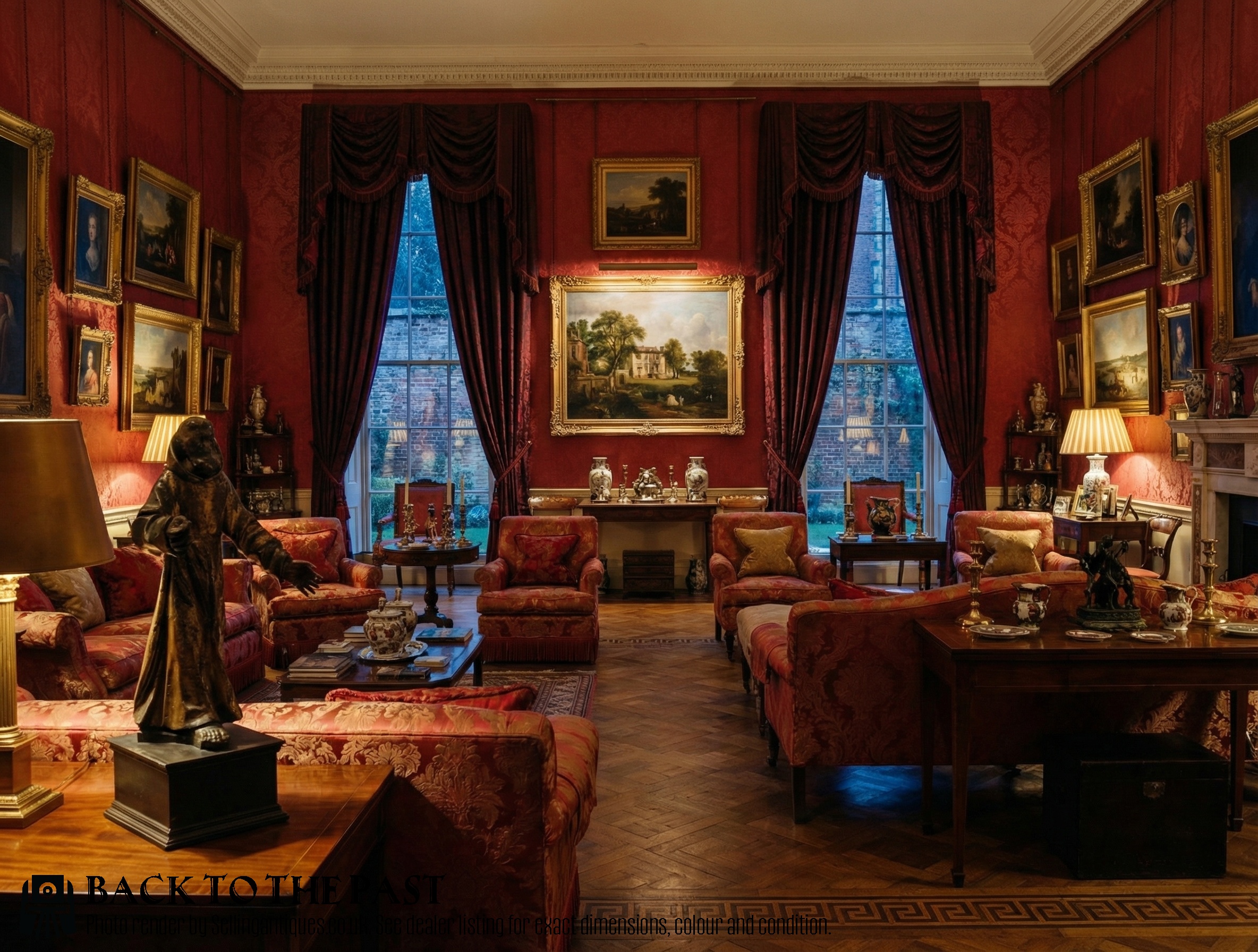
Antique Religious Statue
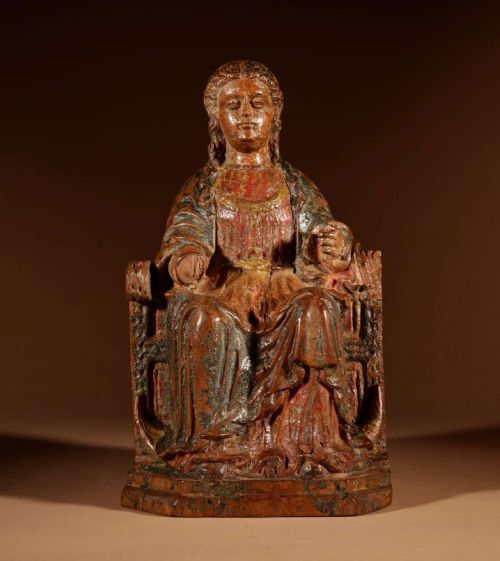
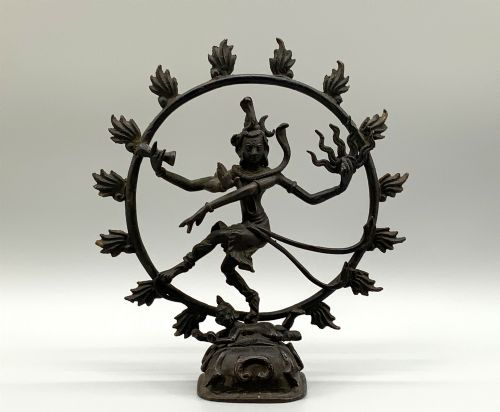
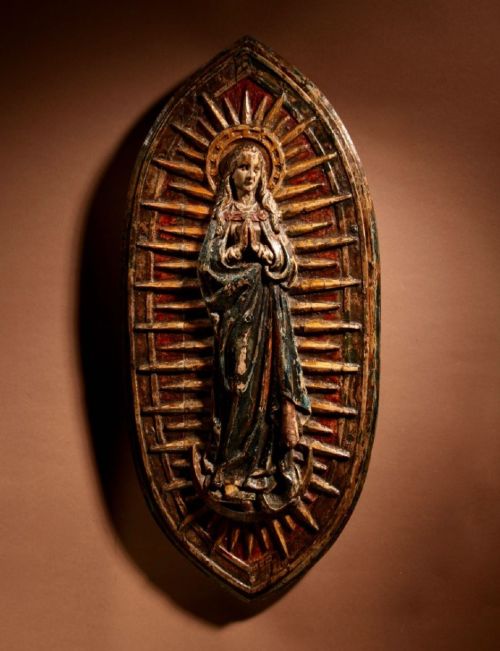
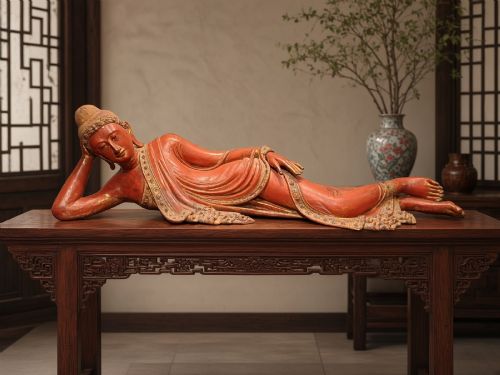
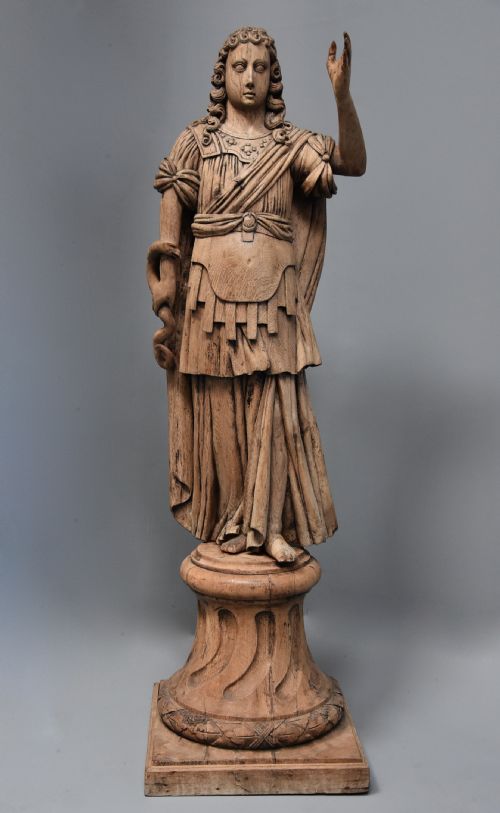
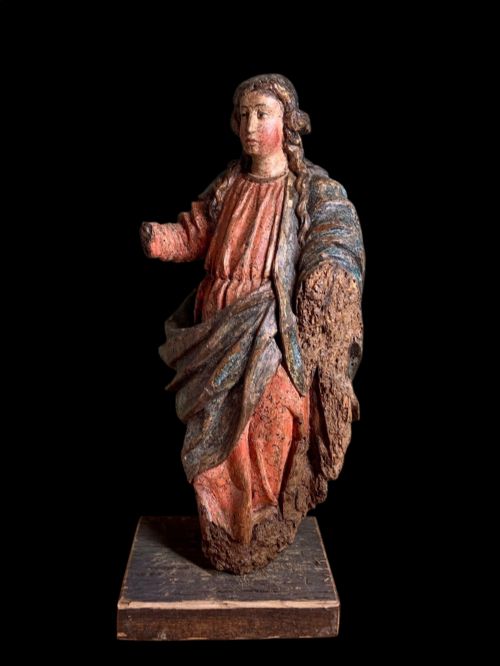
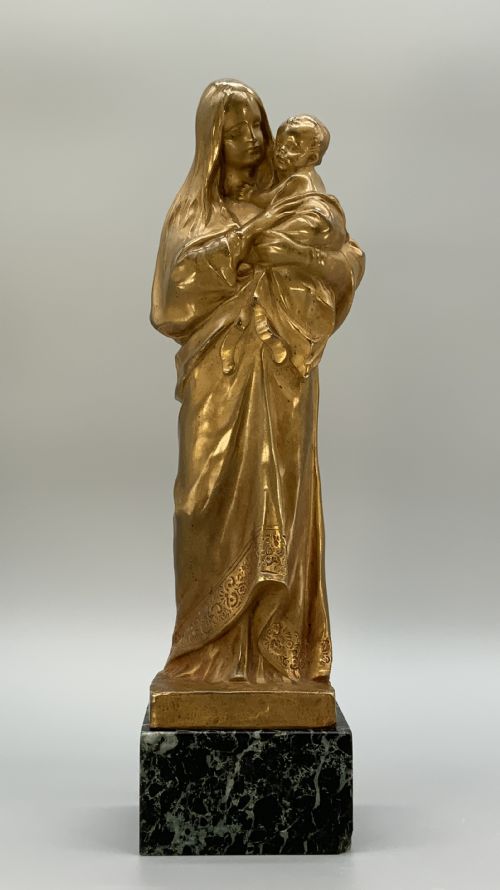
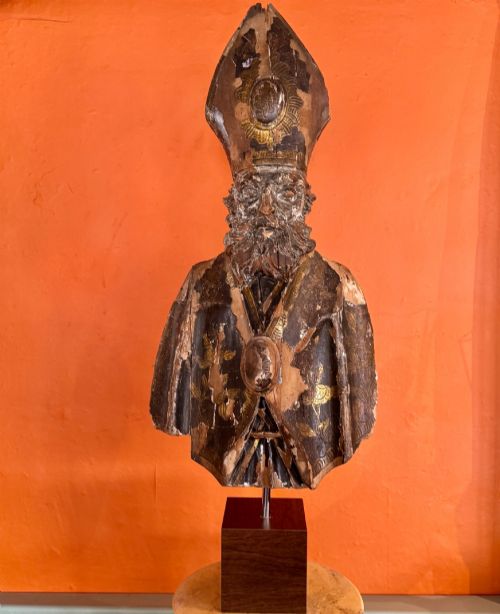
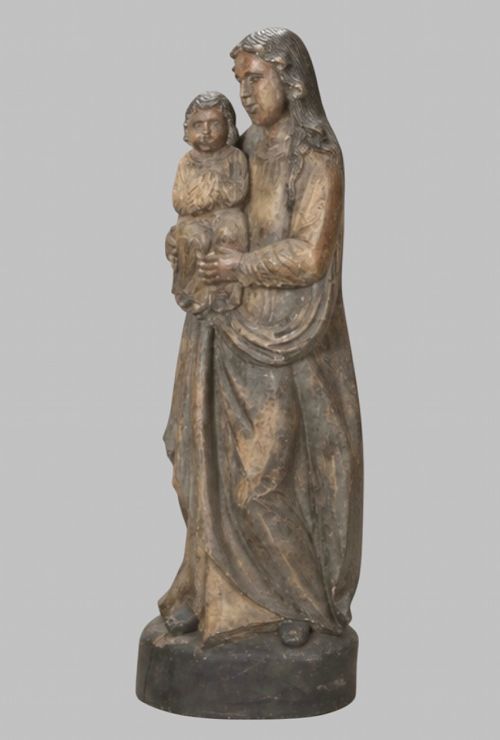
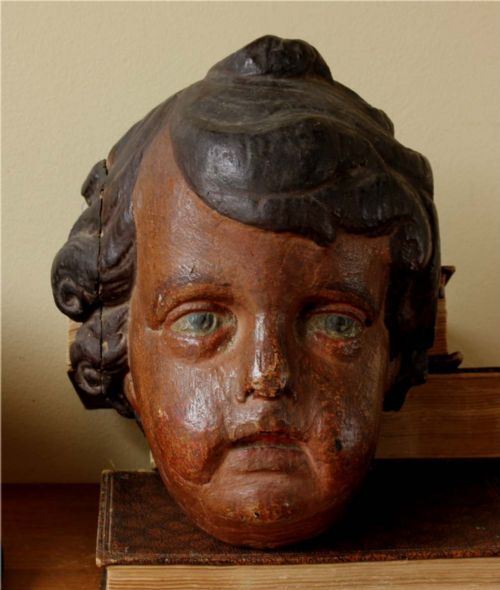
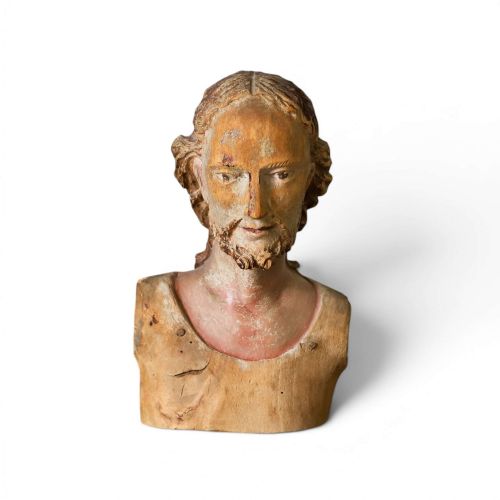
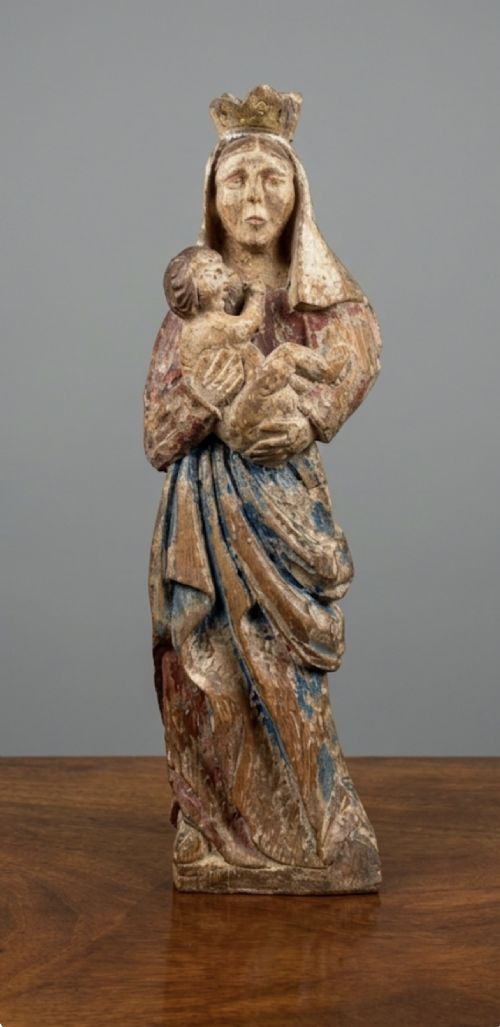
When searching for an antique religious statue, collectors examine devotional figures originating from European, Asian and British workshops spanning multiple centuries. These sculptures depict saints, deities and biblical figures carved or cast for private prayer or ecclesiastical settings.
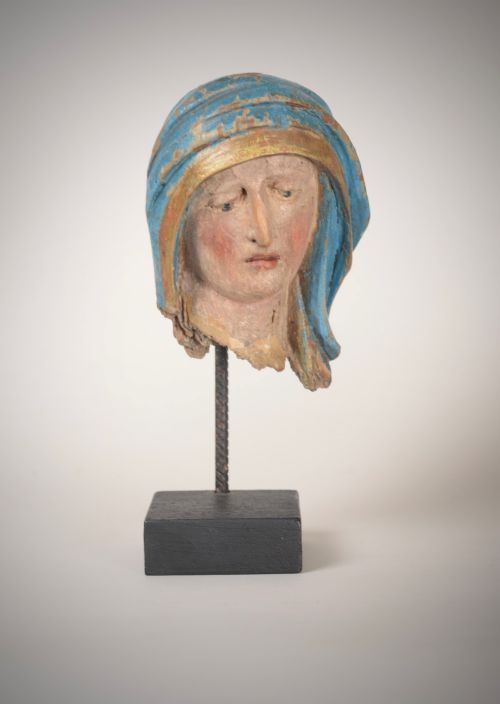
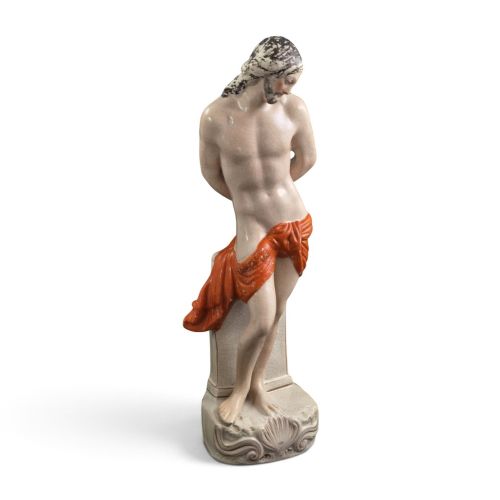
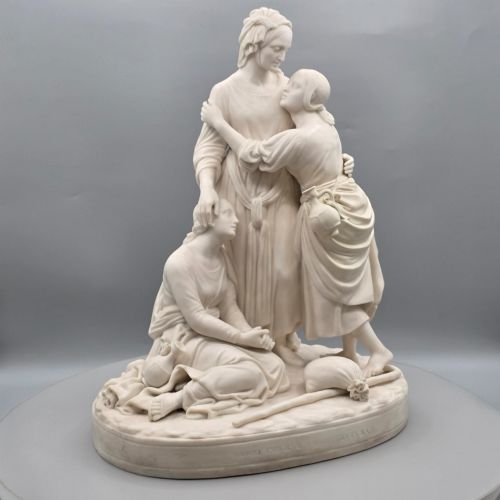
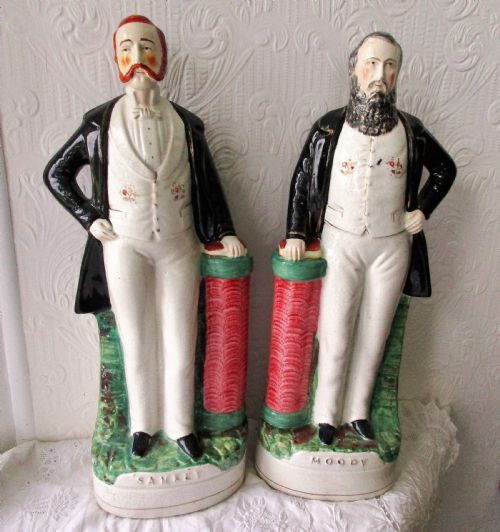
The inventory on this page draws heavily from carved wood, oak, bronze and earthenware, reflecting diverse global traditions from 16th-century panels to Victorian Staffordshire pottery. Figures range from small devotional busts to life-size representations mounted on plinths.
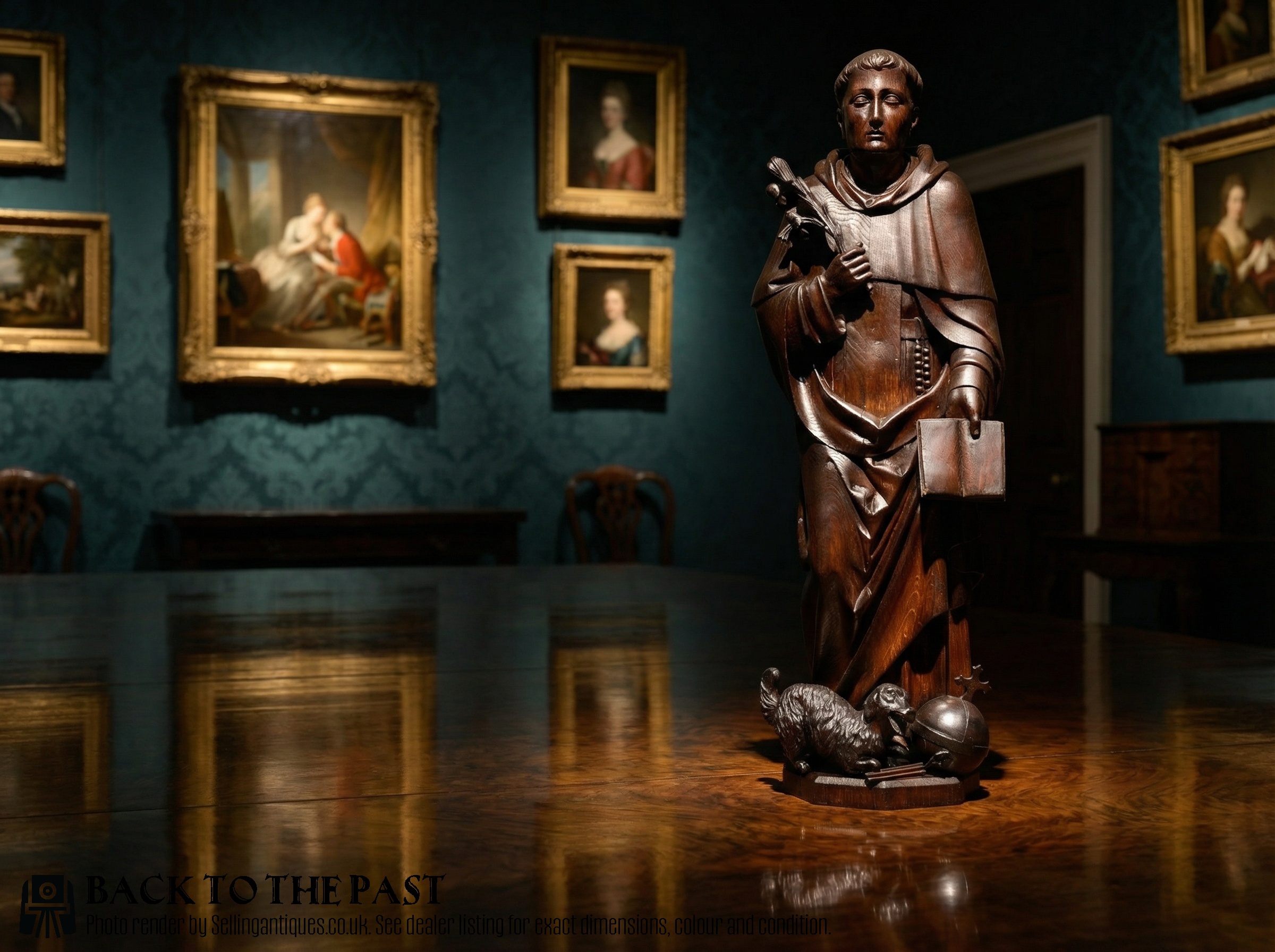
Materials and construction methods
Artisans relied on carving woods such as oak, walnut, lime, and olive wood, often applying layers of gesso, polychrome paint, or gold leaf to heighten visual impact. Bronze casting utilised patinated or gilt finishes, particularly for works produced during the 19th century.
Ceramic figures emerged through moulded earthenware and Parian body composition, capturing detailed vestments and expressions before undergoing kiln firing.
Antique Religious Statue Retail Price Guide 2026
Typical asking prices for religious statue among the pieces listed under this phrase on Sellingantiques today, from the lower quarter to the upper quarter. They describe what is for sale here now, not the wider market.
Several saints arrive ready for a wardrobe change, built with hidden wooden frameworks designed specifically for real fabric vestments.
Distinctions in standard and execution
Quality rests upon the anatomical precision of the carving, the subtlety of facial expression, and the survival of original polychrome paint or gilding. Master carvers imparted depth to drapery folds and naturalism to hands and hair.
Pieces showing later overpainting or significant timber shrinkage splits differ from those retaining their primary surface decoration, altering the integrity of the object.
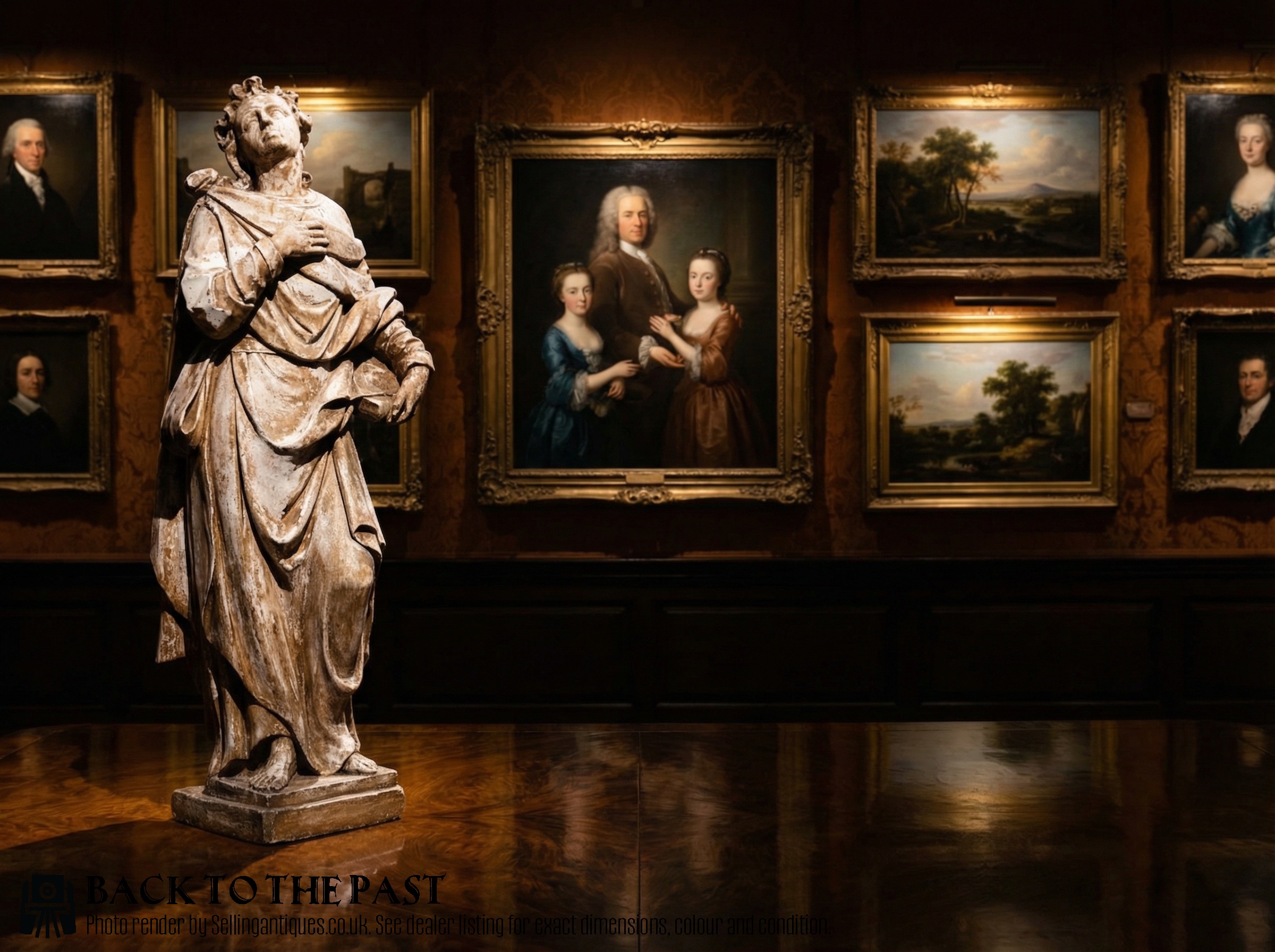
Hans Müller·George Kemper·Minton
The Antique Religious Statue Glossary
- Polychrome
- Decoration applied in several colours to wood, stone or terracotta surfaces. This technique defined many European devotional figures.
- Gesso
- A white paint mixture consisting of a binder mixed with chalk, gypsum or pigment. It served as a smooth preparation base for gilding.
- Capipote
- A Spanish devotional figure with a carved head and hands attached to a framework body designed for dressing in real textiles.
- Parian
- A fine white porcelain resembling marble, developed in Victorian Britain for sculptural groups and portrait figures.
- Giltwood
- Timber treated with gold leaf or gold paint applied over a prepared ground. It added luminosity to altarpieces and church furnishings.
Antique Religious Statue: Frequently Asked Questions
How were antique religious statues used?
These statues functioned primarily as focal points for prayer, meditation, and veneration within churches, domestic shrines, and monastic cells. Owners directed their daily devotions toward these figures, seeking intercession or spiritual protection.
Larger life-size pieces often stood in niches or formed parts of elaborate altarpieces, while smaller portable statues accompanied travellers or served private family worship.
How can I tell the period of a wooden carving?
Dating relies upon tool marks left by the artisan, the choice of timber species, and the style of the carving and drapery. Earlier 16th-century pieces often display Gothic or Renaissance architectural influences and heavy adze marks.
Later 18th and 19th-century works incorporate Baroque flourishes or revival styles, accompanied by the specific ageing patterns and oxidation of the underlying wood.
How do I care for a polychrome wooden figure?
Maintain stable indoor humidity levels and keep wooden sculptures away from direct heat sources and strong sunlight. Sudden environmental changes cause timber to warp and fragile gesso or paint layers to flake.
Dust the surface gently with a soft, dry brush, avoiding water, chemical cleaners, or polishes that might degrade historic pigments.
What is the difference between a santos and an icon?
A santos is a three-dimensional carved or moulded sculpture representing a saint or divine figure, common in Catholic traditions. Icons are traditionally two-dimensional painted wooden panels.
While both serve devotional functions, santos engage the viewer through physical form, posture, and applied garments rather than flattened perspective and pigment.