


Antique Religious Pottery
Antique religious pottery brings centuries of devotion into the home through glazed earthenware, porcelain, and Delft figures.
Antique Religious Pottery
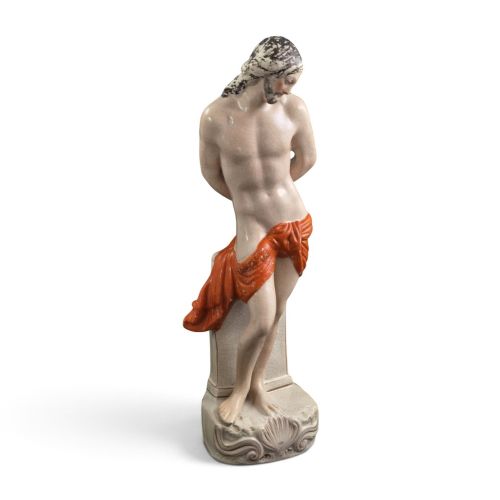
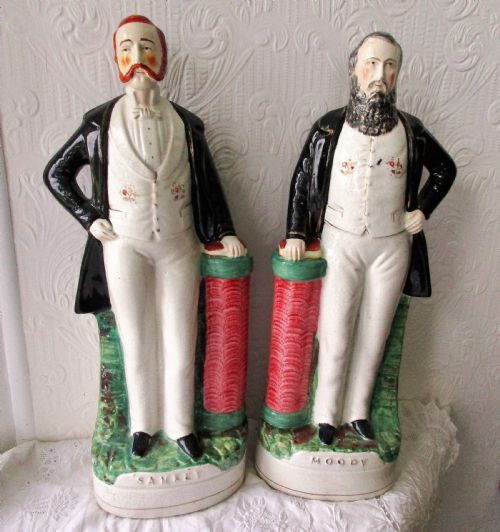
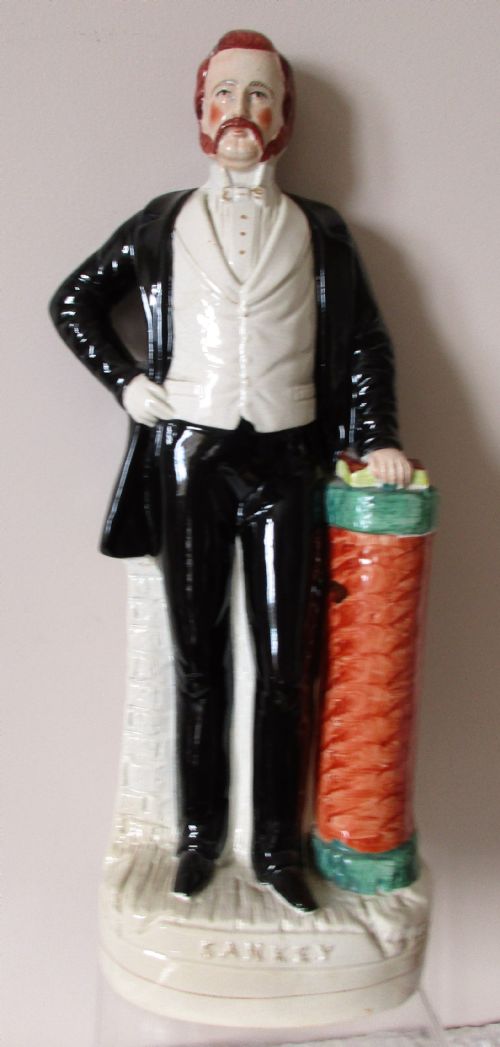
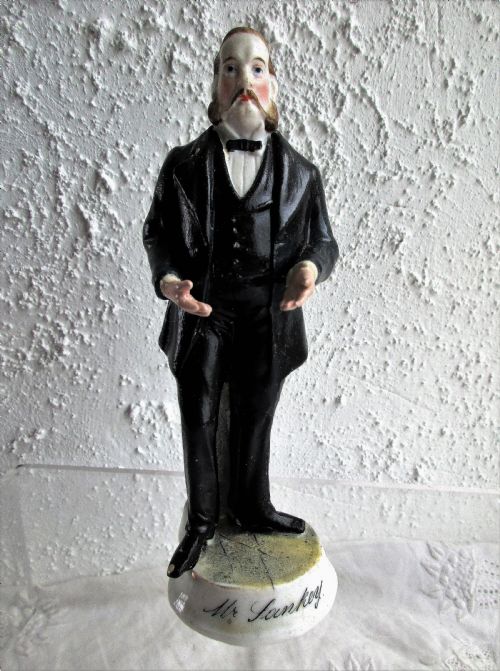
Antique religious pottery encompasses a varied selection of devotional ceramics, ranging from Victorian Staffordshire earthenware figures to 18th century Dutch polychrome Delft and delicate porcelain portrait pieces. Buyers seeking antique religious pottery will frequently encounter Staffordshire figures depicting biblical scenes or notable evangelists, alongside commemorative portrait pieces like those dedicated to Moody and Sankey.
The selection extends beyond standard figures to include specialised devotional objects such as ceramic wall plaques of the Madonna with Child, holy water stoups, crucifixion plates in creamware, and glazed candlesticks. Examples span multiple periods and regions, reaching from Georgian and Victorian English workshops to 18th century European items and Meiji period Satsuma moriage vases adorned with heavy gilt and religious panels.
Most pieces serve a decorative or commemorative function within domestic spaces, preserving sacred narratives and historical figures in clay and porcelain. Whether looking at a kneeling bishop candlestick holder or an Abraham offering up Isaac group, each item reflects the theological and cultural priorities of its period of manufacture.
How they were made
Makers utilised various clay bodies, predominantly earthenware, creamware, and porcelain, shaping them into figures and vessels before applying specialised surface treatments. Lead glaze and tin glaze provided protective and glossy coatings, often working alongside applied pigment and enamel to bring colour and detail to the finished objects.
Potters employed moulding and hand-finishing techniques to create figures, plaques, and candlesticks, subsequently firing the pieces in kilns to set the body and fix the glazes. In more elaborate works, such as Meiji period Satsuma vases, heavy gilt application and intricate moriage relief work added textural and metallic depth to the religious panels.
Listings feature items from the 18th Century, 19th Century, Victorian period, and Meiji period, utilising earthenware, porcelain, creamware, and tin glaze.
What varies in quality
The sophistication of the form and the preservation of delicate surface elements, such as gilt highlights and relief decorations, distinguish superior pieces. Items that retain their original pigments and structural integrity across centuries demonstrate the enduring standard of their original production.
Staffordshire·Leeds
The Antique Religious Pottery Glossary
- Earthenware
- A porous pottery body fired at lower temperatures, commonly used for Victorian figures and Staffordshire productions. It requires a glaze to become impermeable to liquids.
- Tin Glaze
- An opaque white glaze containing tin oxide, providing a smooth surface for painted decoration on Dutch and European ceramics. This technique characterises traditional Delftware production.
- Creamware
- A refined earthenware developed in England during the 18th century, noted for its pale yellowish cream colour and smooth lead-glazed surface. Leeds was a prominent centre for its manufacture.
- Moriage
- A Japanese decorative technique where slip is applied in raised dots or lines to create textured relief patterns, frequently seen on Satsuma export wares. It adds a tangible, three-dimensional quality to surface panels.
- Holy Water Stoup
- A small vessel designed to hold holy water, usually mounted on a wall for devotional use in domestic or ecclesiastical settings. Examples are fashioned from ceramic materials during the Victorian era.
Antique Religious Pottery: Frequently Asked Questions
What periods do these pieces date from?
The pieces span from the 18th century through the Victorian era and into the Meiji period around 1900. Evidence includes Georgian items, 18th century Dutch and European pieces, and mid to late 19th century Staffordshire production.
Specific dates within the titles point to around 1750 for creamware plates, 1830 for figurative groups, and 1860 for Victorian earthenware figures.
How were religious figures used?
Devotional ceramics served both private religious observance and domestic decoration within homes and institutions. Objects like wall plaques, holy water stoups, and crucifixion plates supported personal prayer and contemplation.
Portrait figures and commemorative pieces depicting evangelists or biblical narratives also reflected the religious culture and prominent figures of the Victorian period.
What materials are commonly found?
Makers relied on earthenware, porcelain, and creamware as the primary ceramic bodies for these devotional objects. Surfaces were finished with lead glaze, tin glaze, enamel, and pigment to add colour and protection.
Some Asian export pieces incorporated heavy gilt and specialised relief work over traditional ceramic bases.
How do I identify Staffordshire pottery?
Staffordshire pieces from this category typically take the form of earthenware figures, portrait groups, and holy water stoups dating to the 19th century. They often feature hand-painted details and character names or biblical subjects inscribed on the base or front.
The making style reflects regional English potting traditions geared toward popular religious and moral themes of the Victorian age.