


Georgian Pottery Tableware
Georgian pottery tableware brings practical elegance to the table, uniting crisp creamware and bold transfer-printed earthenware from the eighteenth and early nineteenth centuries.
Georgian Pottery Tableware
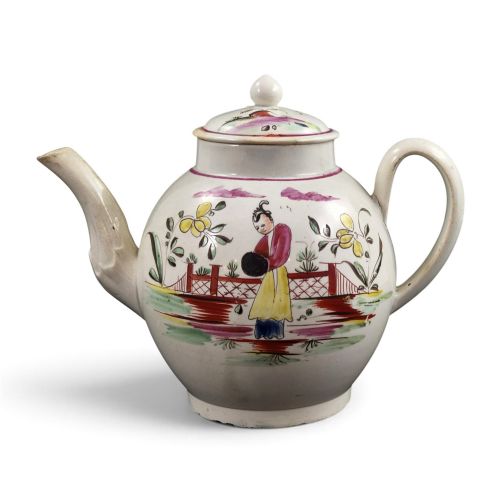
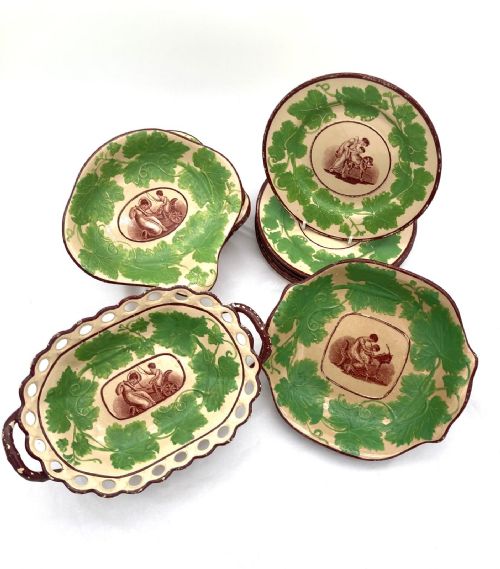
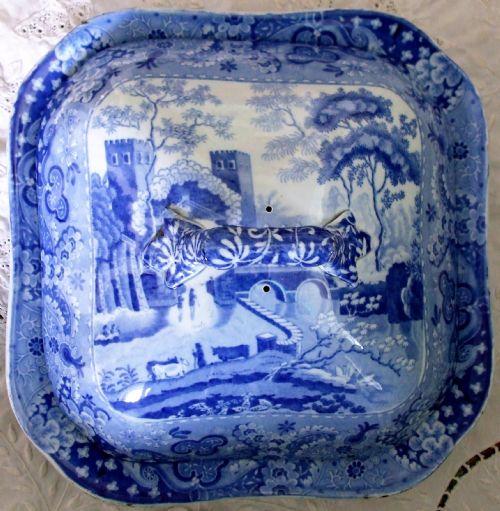
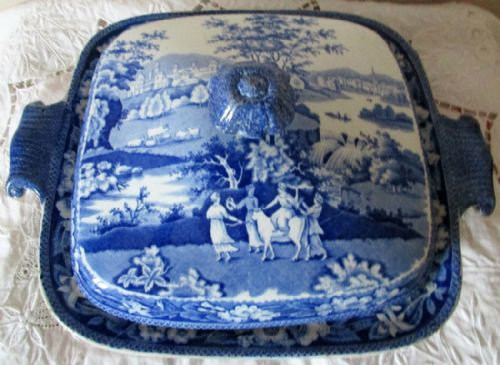
When you search for georgian pottery tableware, you encounter a robust mix of creamware, pearlware, and transfer-printed earthenware designed for dining and display. The selection spans utilitarian vessels like vegetable tureens and pudding bowls alongside decorative plates and full dessert services.
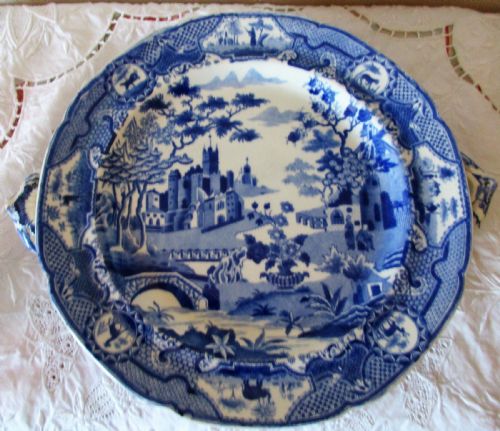
Most pieces date from the eighteenth and nineteenth centuries, capturing the stylistic transition from restrained neoclassical creamware to vibrant blue and white transfer-printed scenes. You are likely to meet soup tureens, armorial plates, and scenic platters bearing named patterns such as Gothic Castle and Europa.
Originating from major English potteries, these items reflect the domestic routines and formal dining habits of the period. The range includes modest child's plates as well as extensive armorial dinner services intended for grand households.
What varies in quality
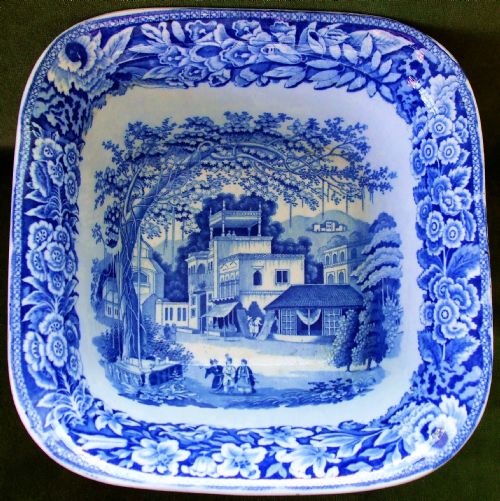
The clarity and crispness of the underglaze transfer printing separate standard domestic wares from superior examples, where every detail of the engraved pattern remains sharp. Hand-painted enamelling and the sparing use of gold leaf introduce another tier of distinction, depending on the steadiness and skill of the brushwork.
Completeness and uniformity across a set heavily influence overall standard, particularly when matching dinner plates or dessert services produced decades ago. The refinement of the underlying creamware or pearlware body, free from excessive kiln distortion, marks the work of premier potteries.
A tiny Royal Navy officers mess bowl from the early nineteenth century survives to tell tales of toast and tea at sea.
Wedgwood·Spode·J. & R. Riley·J. & R. Clews·William Adams·Masons
The Georgian Pottery Tableware Glossary
- Creamware
- A fine earthenware developed in the eighteenth century with a warm, pale yellow or ivory cream glaze. It became a staple of British dining tables due to its durability and clean appearance.
- Pearlware
- An improved earthenware introduced in the late eighteenth century featuring a bluish glaze pooled in crevices to mimic Chinese porcelain. It served as the primary canvas for many blue and white transfer-printed patterns.
- Transfer printing
- A decoration technique where an engraved copper plate transfers a design onto paper, which is then pressed onto the ceramic body before glazing. This method allowed intricate pastoral and architectural scenes to be reproduced rapidly.
- Armorial
- A ceramic design featuring a family coat of arms or crest painted or printed onto the surface. Such pieces were custom-ordered by landed families for their private dining rooms.
- Tureen
- A deep covered serving vessel used for soup, sauce, or vegetables at the table. Georgian examples often feature moulded handles and matching stands.
Georgian Pottery Tableware: Frequently Asked Questions
What is creamware?
Creamware is a refined earthenware body developed in Staffordshire during the eighteenth century, celebrated for its warm ivory tone and light weight.
It revolutionised dining tables by offering an affordable alternative to porcelain that was still durable enough for everyday use.
How do I date pearlware?
Pearlware is generally dated from the late eighteenth century through the early nineteenth century, identified by its characteristic bluish glaze pooling around rims and handles.
Makers often paired this body with blue and white transfer prints depicting romantic or oriental landscapes.
What are transfer prints?
Transfer printing is a technique where an inked copperplate impression is transferred via tissue paper onto the fired ceramic surface.
This innovation allowed potteries to decorate plates and tureens with complex architectural scenes and botanical borders with great consistency.