

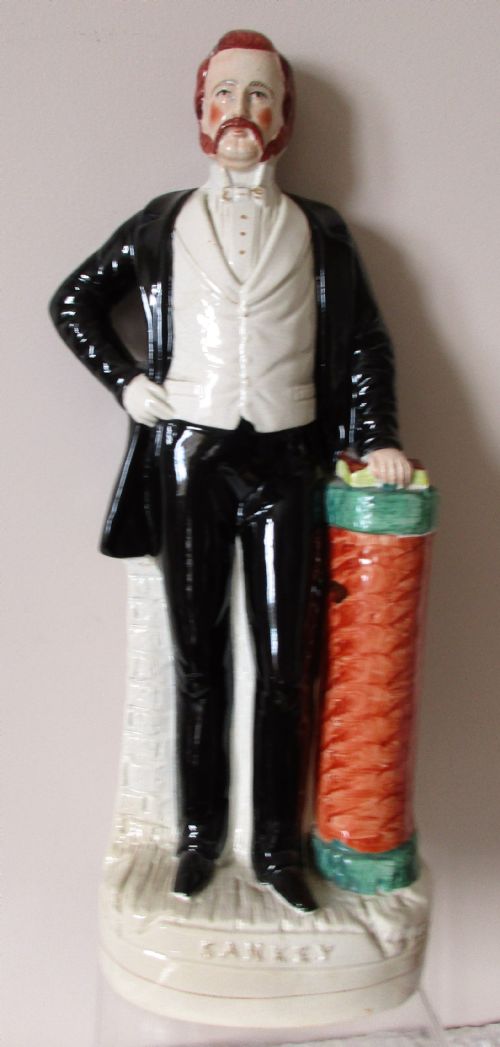


Antique Religious Ceramic
These antique religious ceramic pieces span centuries of devotional craft, offering enduring spiritual and artistic heritage for your home.
Antique Religious Ceramic
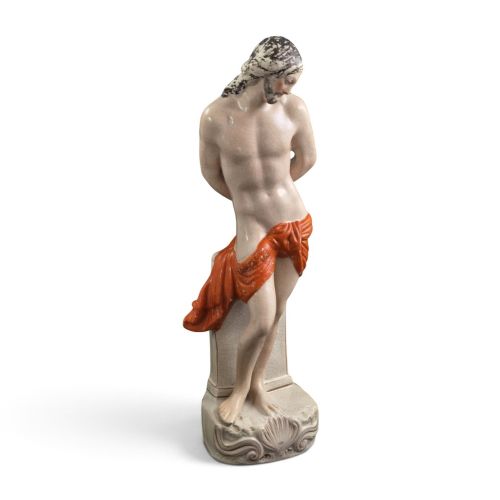
When you search for antique religious ceramic, you encounter objects dedicated to faith, ranging from Staffordshire figures to Delft plaques. These items reflect centuries of Christian devotion across Britain and continental Europe.
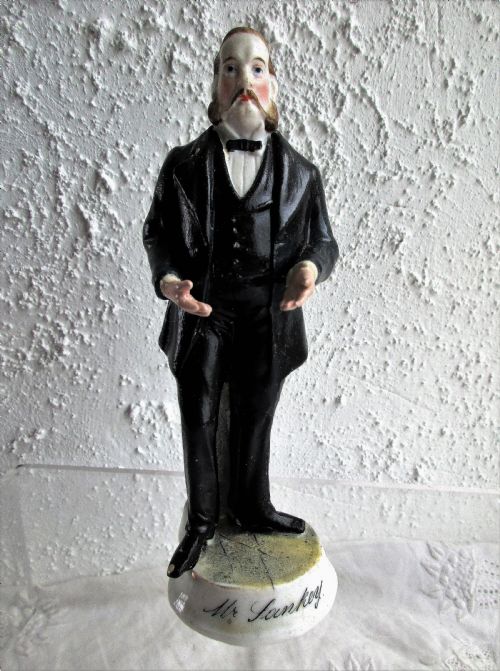
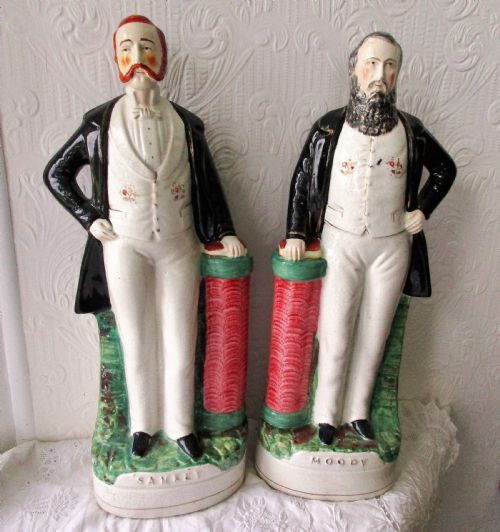
You are most likely to meet figures of saints, biblical scenes, and portrait pieces from the Victorian era alongside eighteenth-century Dutch and English examples. These items include wall plaques, devotional figures, and hand-painted porcelain pieces.
Materials and production methods
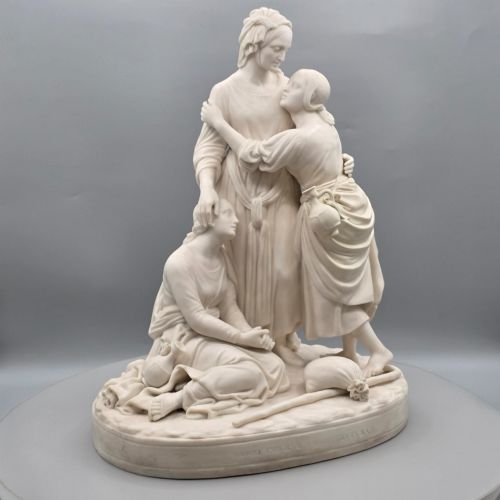
Potters shaped these objects using earthenware, porcelain, terracotta, and Parian ware, applying lead and tin glazes to seal the surfaces. Enamel and hand-painted pigments added colour and detail to plaques and figures.
Factories like Minton and Royal Worcester utilised specialised moulds and casting techniques, whilst earlier makers relied on direct hand-forming and Delft firing methods. Gilt embellishments and polychrome finishes completed the decoration before final firing.
Antique Religious Ceramic Retail Price Guide 2026
Typical asking prices for religious ceramic among the pieces listed under this phrase on Sellingantiques today, from the lower quarter to the upper quarter. They describe what is for sale here now, not the wider market.
Listings demonstrate pieces spanning from the mid-eighteenth century to the early twentieth century, utilising earthenware, porcelain, and terracotta.
Judging the quality
The depth of the glaze application and the preservation of original polychrome or gilt details distinguish finer works. Masterpieces from known manufacturers exhibit a greater refinement in both form and surface decoration.
Minton·Royal Worcester·George Kemper
The Antique Religious Ceramic Glossary
- Parian ware
- A fine-grained porcelain biscuit developed to imitate carved marble. It gained popularity in the nineteenth century for classical and religious busts.
- Tin glaze
- An opaque white glaze opacified with tin oxide, providing a smooth surface for painting. It was widely utilised in Dutch Delftware production.
- Polychrome
- Decoration employing several colours on a single ceramic surface. This technique brought vibrancy to eighteenth-century plaques and figurines.
- Holy water stoup
- A small receptacle for holy water, often hung near a doorway for private devotional use. These vessels appeared in various ceramic forms during the Victorian period.
Antique Religious Ceramic: Frequently Asked Questions
How were these ceramic pieces used?
These items served as foci for private prayer, domestic devotion, and moral instruction within the home.
Owners placed plaques on walls and figurines on mantelpieces to inspire contemplation and display religious allegiance.
How do I clean antique ceramics safely?
Dust surfaces gently with a soft, dry brush to prevent the accumulation of dirt without risking the glaze.
Avoid liquid cleaners and immersion in water, particularly on pieces with delicate enamel or gilt highlights.
How can I distinguish eighteenth-century pieces?
Examine the weight, body composition, and glaze characteristics to identify earlier earthenware and Delft production.
Earlier objects often display thinner potting and characteristic crazing within the tin or lead glazes.
Where were these devotional ceramics displayed?
Families placed them in living spaces, private chambers, and sometimes entryways for daily spiritual reflection.
Larger groups and wall plaques occupied prominent positions in Victorian and Georgian parlours.