

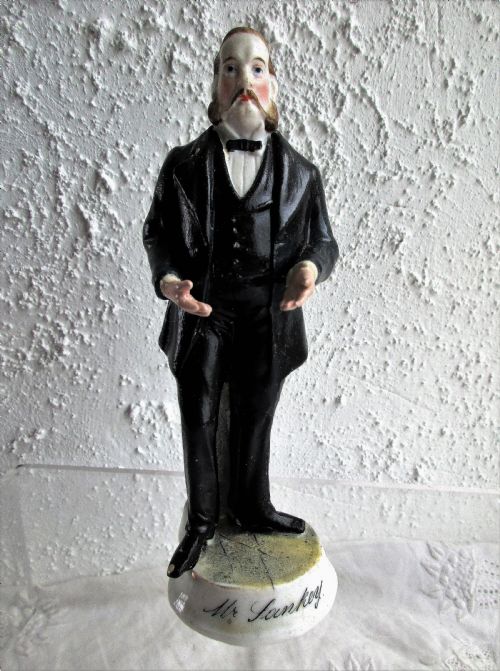


Victorian Portrait Figurine
A victorian portrait figurine captures historical figures, royals and literary characters in ceramic, bronze and marble.
Victorian Portrait Figurine
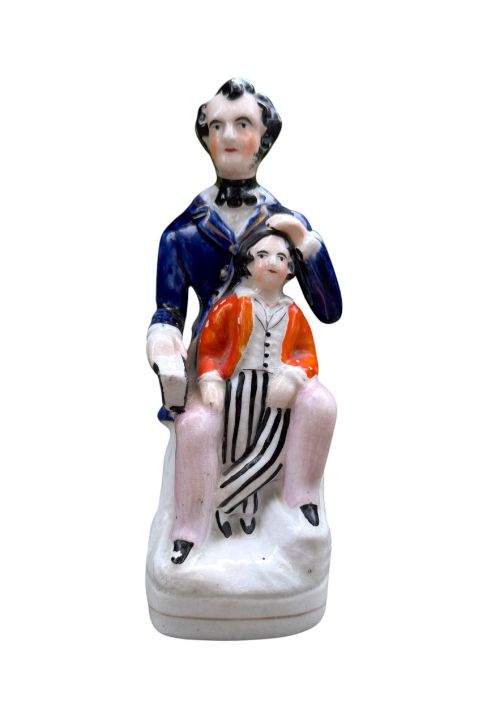
A victorian portrait figurine represents specific public figures, literary characters and royals from the nineteenth century. These pieces include Staffordshire earthenware pottery, porcelain and metal or stone busts.
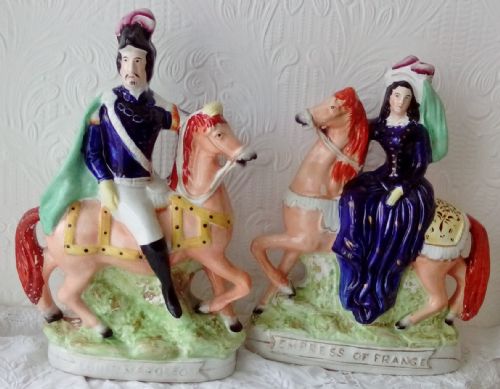
Makers recorded historical and political figures such as Queen Victoria, Lord Shaftesbury and military commanders in ceramic form for domestic display. Pairs and groups depicting royal marriages or alliances also appear frequently in this category.
Materials and construction
Pottery figures utilise earthenware and porcelain shaped with moulds, then finished with glaze, enamel paint and gilt details. Metal sculptures employ bronze, cast iron and enamel, whilst stone pieces rely on marble and alabaster.
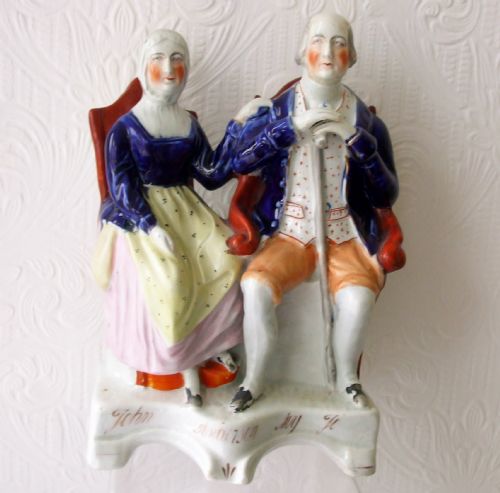
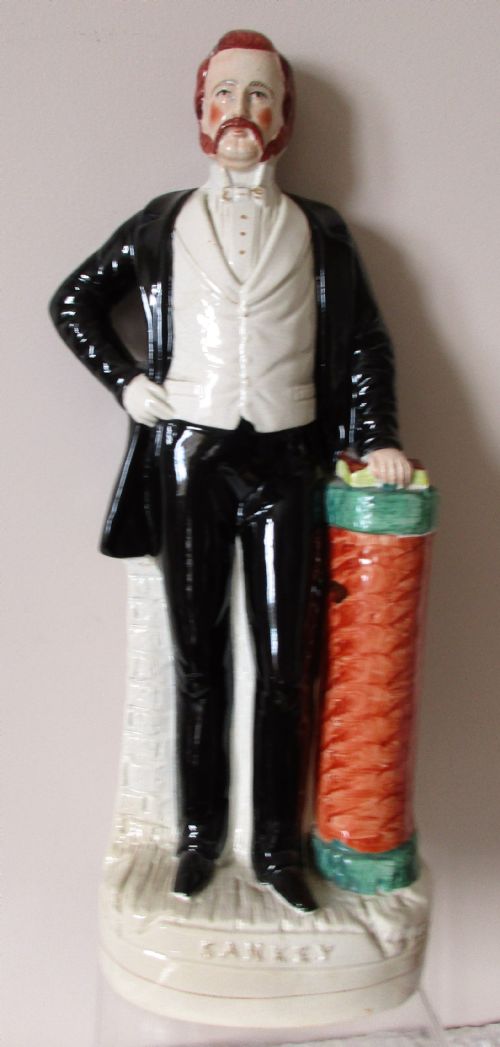
Moulded ceramic pieces often display hand-painted touches to robes, faces and lettering on the bases. Bronze and marble sculptures involve casting or carving techniques executed by named artists and sculptors.
Queen Victoria shares shelf space here with Oliver Cromwell, Robin Hood and nineteenth-century evangelists.
Assessing the work
Quality rests in the crispness of the modelling and the accuracy of the likeness to the original subject. Well-modelled facial expressions and clear hand-painted lettering distinguish superior portrait pieces from standard production.
Materials also divide the range, with finely carved alabaster and detailed bronze casts representing a different tier of craftsmanship compared to standard earthenware pottery.
Jean Jules Salmson·Sir Thomas Brock
The Victorian Portrait Figurine Glossary
- Flatback
- A ceramic figure designed with an unglazed or plain back intended to stand against a wall.
- Staffordshire pottery
- Earthenware manufactured in the pottery districts of Staffordshire during the nineteenth century.
- Portrait bust
- A sculpture representing a person's head, shoulders and chest in materials such as bronze or marble.
- Earthenware
- Porous pottery fired at lower temperatures and coated with a glaze for a smooth surface.
Victorian Portrait Figurine: Frequently Asked Questions
What subjects appear on these figures?
These pieces portray monarchs, politicians, religious figures, military commanders and literary characters from the nineteenth century.
Subjects range from British royalty such as Queen Victoria to international leaders, evangelists and theatrical performers.
How were ceramic figures displayed?
Pottery figures were typically placed on mantelpieces, sideboards and shelves within middle-class Victorian homes.
Flatback designs allowed the figures to sit flush against drawing room walls.
How do I identify the subject?
Many ceramic examples include painted names or titles directly on the base or plinth.
Clothing, regalia and accompanying text often provide clues to historical events or political alliances.
What materials were used?
Makers utilised Staffordshire earthenware, porcelain, bronze, marble, alabaster and cast iron.
Ceramic pieces feature glaze and enamel paint, whilst metal and stone versions involve casting and carving.