





Black Glazed Ceramic Figure
These black glazed ceramic figure examples range from Staffordshire dogs to Japanese Sumida Gawa mugs, offering rich sculptural presence for your cabinet.
Black Glazed Ceramic Figure
A black glazed ceramic figure brings together diverse regional traditions, spanning English Staffordshire pottery, Japanese Sumida Gawa wares, and French faience. You will encounter nineteenth century portrait figures, animal groups, and mythological subjects among these listings.
The nineteenth century represents the core period for these pieces, particularly through Staffordshire portrait figures and spaniel dogs alongside Meiji period Japanese ceramics. European and Asian workshops each approached the sculptural form through distinct local glazing traditions.
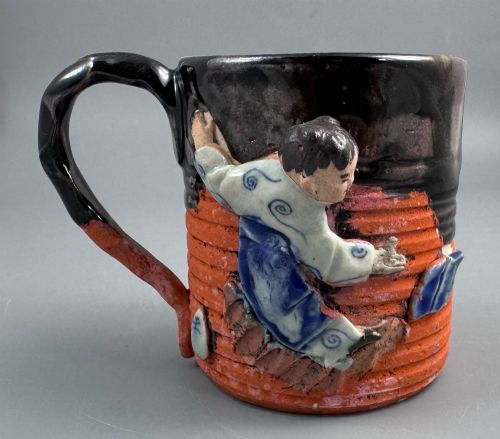
Formats vary from domestic decorative objects and figural pitchers to functional mugs and saucers with applied figures. Staffordshire dogs and portrait subjects dominate the English selections, while Japanese pieces showcase intricate applied sages and immortals.
Materials and manufacture
Potters utilised earthenware, stoneware, and terracotta as the primary clay bodies for these sculptural objects. These materials were shaped either by hand or moulded before receiving their characteristic surface treatments.
Glaze and enamel application defined the final appearance, creating deep surface sheens and coloured highlights. Japanese Sumida Gawa pieces often feature distinctive poured or dripped glaze effects over textured surfaces.
Black Glazed Ceramic Figure Retail Price Guide 2026
Typical asking prices for black glazed ceramic figure among the pieces listed under this phrase on Sellingantiques today, from the lower quarter to the upper quarter. They describe what is for sale here now, not the wider market.
Some nineteenth century dogs wear expressions of such profound melancholy they could soften the hardest Victorian heart.
Judging quality
The harmony between the glaze finish and the underlying sculptural form dictates visual success. Hand-modelled details and careful placement of applied figures elevate the standing of individual pieces.
Ishiguro Kōko·Inoue Ryōsai Workshop·Beswick
The Black Glazed Ceramic Figure Glossary
- Earthenware
- Porous pottery fired at lower temperatures, commonly used for traditional Staffordshire figures and domestic vessels. It requires a glaze to achieve water resistance.
- Stoneware
- Dense, vitrified ceramic fired at higher temperatures, offering greater durability and strength. It forms the robust body for various historic mugs and utilitarian wares.
- Terracotta
- Unglazed or lightly glazed brownish-red earthenware used for sculptural modelling. The term translates directly from Italian as cooked earth.
- Enamel
- Opaque vitreous composition fused to the ceramic surface during firing to add surface colour. It provides vibrant decorative detail on porcelain and pottery figures.
- Glaze
- Glassy protective coating bonded to the ceramic body through heat. It seals the porous clay and determines the surface sheen and colour.
Black Glazed Ceramic Figure: Frequently Asked Questions
What are Staffordshire portrait figures?
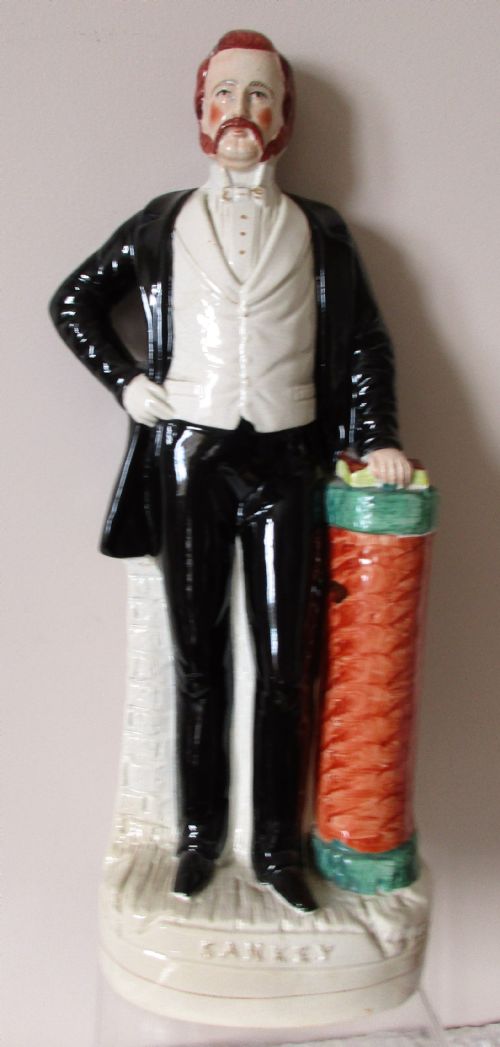
Staffordshire portrait figures are nineteenth century earthenware sculptures depicting notable personalities, performers, or everyday characters of the era. They were produced primarily for mantelpiece display in modest British homes.
These pieces capture Victorian popular culture through stylised modelling and hand-painted enamel details. They remain accessible entry points for collectors of historic British ceramics.
How do I identify Sumida Gawa pottery?
Sumida Gawa pottery originates from the banks of the Sumida River in Tokyo, dating largely to the Meiji and Taisho periods. It is instantly recognisable by its heavy, dripped glazes and distinct applied figures in high relief.
Potters such as Inoue Ryosai and Ishiguro Koko produced these characterful wares for both domestic and export markets. The textured surfaces often leave parts of the raw clay exposed beneath dramatic, uneven glaze flows.
Where should I display ceramic figures?
Ceramic figures require stable, well-lit surfaces away from direct sunlight and heavy foot traffic vibrations. Enclosed display cabinets or sturdy mantelpieces provide secure environments that protect delicate projections from accidental knocks.
Ensure the display location maintains consistent indoor humidity levels to safeguard historic earthenware and glaze surfaces. Proper spacing allows individual pieces to be appreciated from multiple angles without visual clutter.
How are period figures dated?
Dating relies upon stylistic markers, costume details, manufacturing techniques, and any accompanying maker marks or signatures. Nineteenth century Staffordshire pieces often reflect contemporary political events or popular theatre.
Japanese Meiji period wares can frequently be attributed through workshop signatures and characteristic glaze chemistries. Comparing potting styles with dated archival examples helps narrow the production window.