


Antique Relief Cameos
These antique relief cameos bring classical profiles and mythological scenes into focus, offering wearable history and decorative wall art carved with exceptional detail.
Antique Relief Cameos
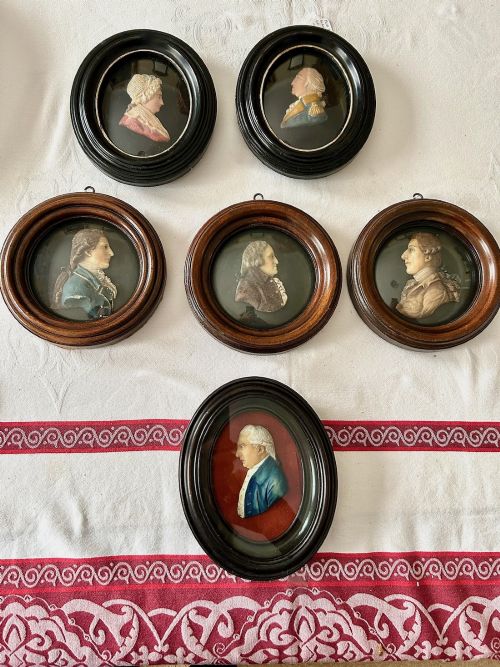
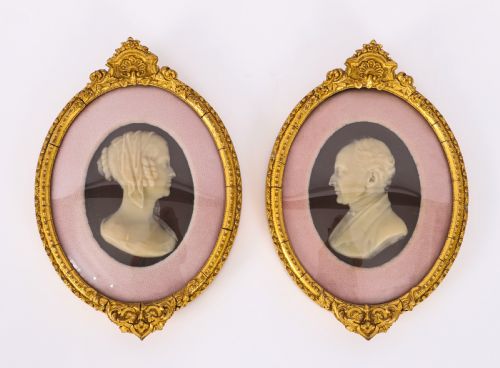
When you search for antique relief cameos, you encounter a diverse range of items including shell and lava cameo brooches mounted in gold or silver, alongside framed wall plaques and portrait miniatures.
The pieces appearing on this page span the 18th, 19th, and early 20th centuries, reflecting Neoclassical and Victorian tastes influenced by European travel and classical revivalism.
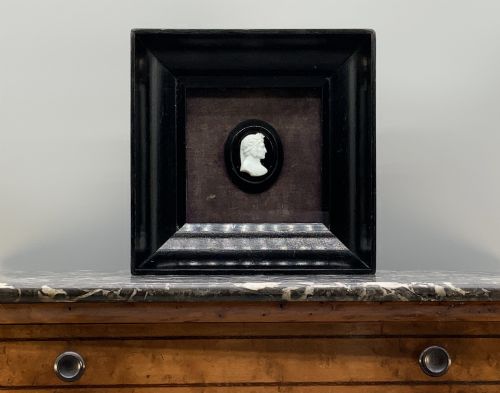
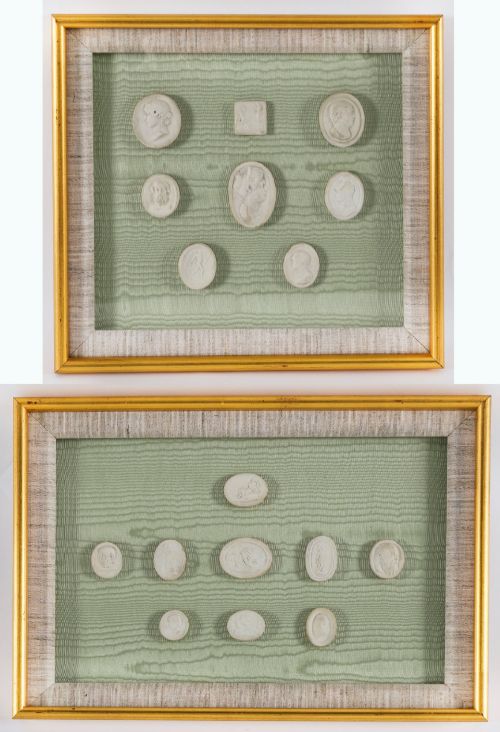
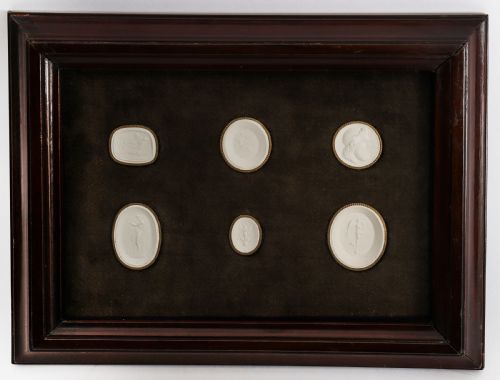
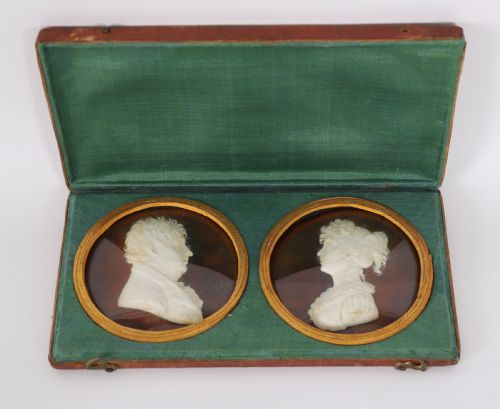
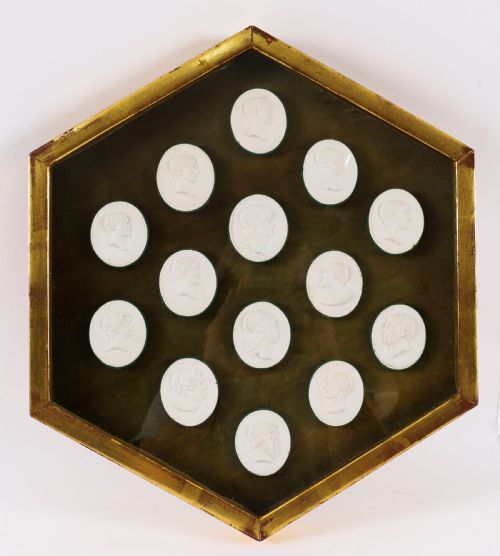
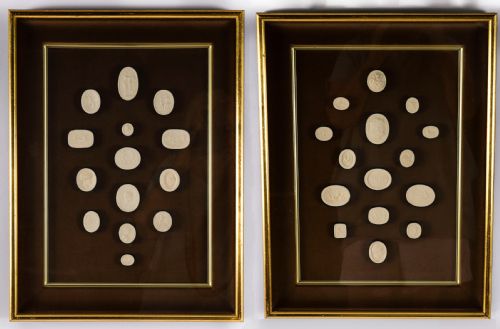
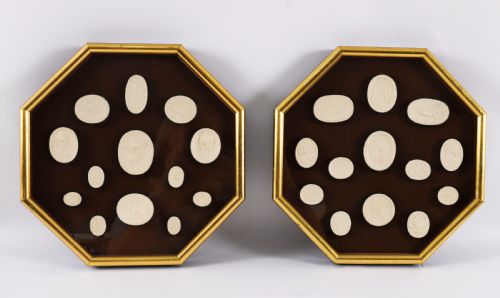
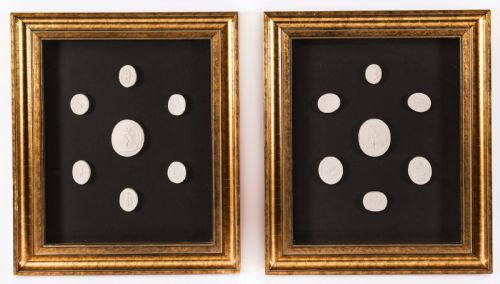
Formats vary from individual wearable jewellery such as earrings and brooches to larger table-top shell pieces, framed collections of plaster intaglios, and carved marble or mahogany profile plaques.
How they were made
Carvers utilised natural materials such as conch shell, lava stone, ivory, and marble, taking advantage of layered colours to create high-contrast relief profiles against darker backgrounds.
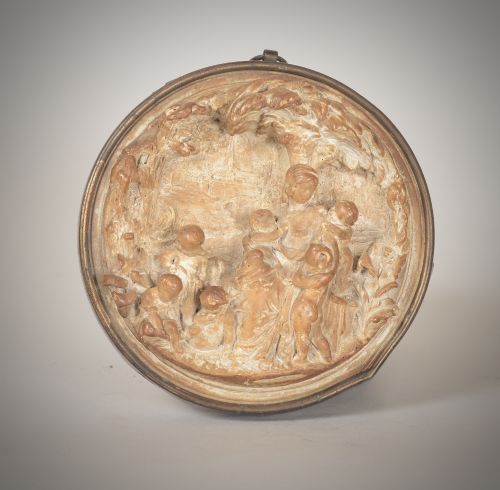
Other works were cast using plaster, wax, or glass, often arranged in framed sets or mounted upon velvet and fabric within giltwood or wood boxes.
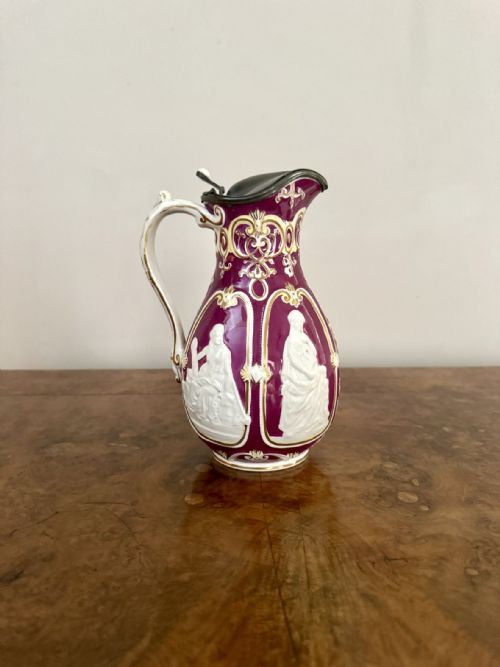
Metalwork mounts in gold, silver, and pinchbeck secure the wearable pieces, while specialised techniques such as pate sur pate and cameo glass layering define the ceramic and glass vases and plaques.
Listings feature 19th-century Grand Tour plaster intaglios, shell cameo brooches, and Wedgwood jasperware alongside 18th-century marble profile plaques.
What varies in quality
Material selection dictates much of the value, with evenly coloured shell layers, unblemished lava stone, and finely grained marble achieving greater definition and visual impact.
The skill of the maker or studio, the intricacy of the surrounding precious metal mount, and the preservation of the original framing elements elevate certain pieces above standard production.
Giovanni Liberotti·Pietro Bracci·R Pernice·Paul Nicholas for D'Argental
The Antique Relief Cameos Glossary
- Intaglio
- A gem or gemstone carved in incuse so that the design sinks below the surface, contrasting with a cameo where the design is raised in relief. These were often collected during the Grand Tour and framed in sets.
- Pate sur pate
- A ceramic decorating technique where liquid clay is painted in successive layers onto a body to create a low-relief cameo effect. This method was notably utilised by factories such as Minton.
- Grand Tour
- A cultural journey of Europe undertaken by wealthy young men in the 18th and 19th centuries, resulting in the collection of souvenir carved plaques, plaster casts, and intaglios.
- Pinchbeck
- An alloy of copper and zinc developed to imitate gold, commonly used for mounting Victorian brooches and jewellery.
- Cameo glass
- A form of art glass created by fusing layers of different colours together and then carving or etching away the exterior layers to reveal the design in high relief.
Antique Relief Cameos: Frequently Asked Questions
What are antique relief cameos made from?
These pieces are carved from natural materials including conch shell, lava stone, ivory, and marble, while others utilise cast plaster, wax, or layered glass.
Craftsmen also mounted smaller wearable cameos in gold, silver, and pinchbeck frames.
How were grand tour cameos used?
Travellers collected framed plaster casts, intaglios, and carved profile plaques as educational and aesthetic souvenirs of their travels through Italy and Europe.
They were displayed in libraries and cabinets of curiosity to demonstrate classical learning and refined taste.
How do you date shell and lava cameos?
Dating relies on the style of the carving, the subjects depicted, and the construction of the metal mounts and frames.
Victorian pieces often feature specific clasp types and secure subjects influenced by Neoclassical revivals and archaeological discoveries.