



Classical Plaster Cameos
Classical plaster cameos are miniature relief sculptures collected on travels, offering a refined snapshot of antique mythology and portraiture for your wall.
Classical Plaster Cameos
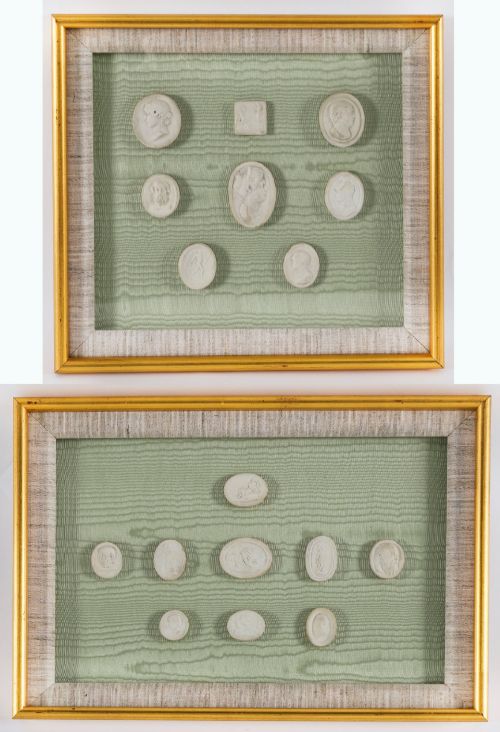
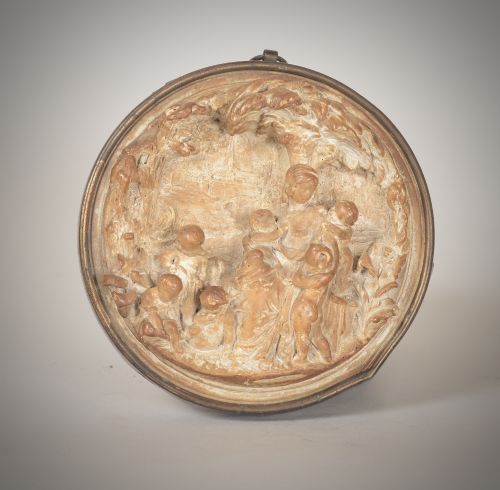
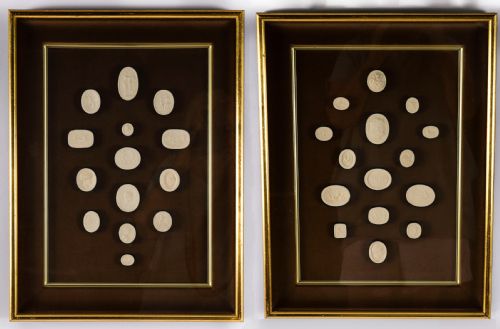
Classical plaster cameos represent the sculptural reliefs and intaglios brought home by travellers undertaking the Grand Tour across Europe. You are most likely to encounter framed sets and panels dating from the 19th century, often arranged together in bespoke wall art.
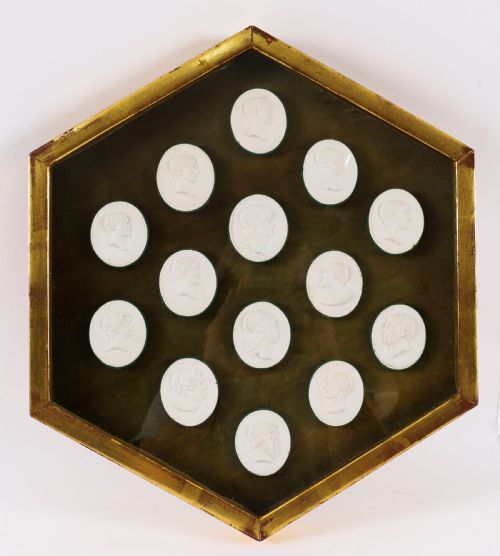
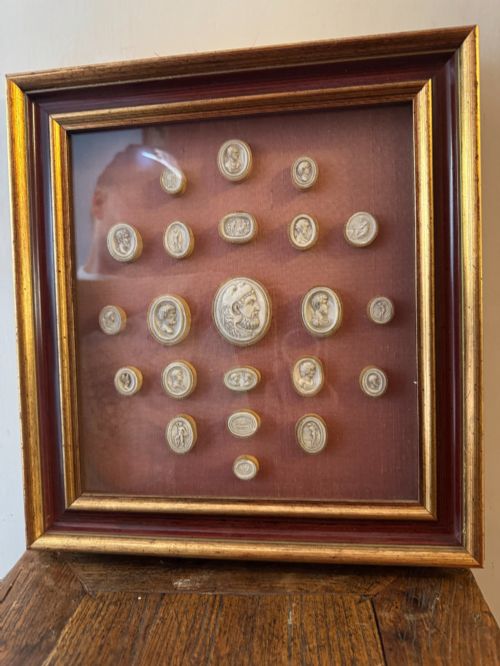
These decorative objects draw heavily on Neoclassical taste, capturing classical busts, mythological scenes and antique gems in miniature. The surviving pieces take forms ranging from single wall plaques to substantial framed collections containing dozens of individual gypsum casts.
How they were made
The makers formed these detailed reliefs using fine plaster and gypsum, pouring the material into moulds taken from ancient carved gems and intaglios. This technique preserved the intricate details of classical profiles and iconography at a fraction of the original carved gemstone's cost.
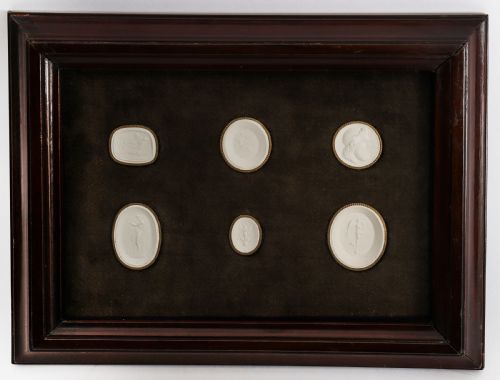
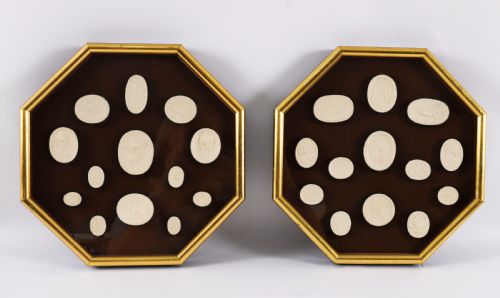
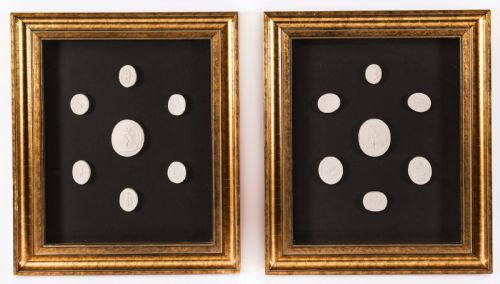
Finished casts were set against backgrounds of velvet or fabric to accentuate the bright white plaster. These assemblies were then housed in wood frames, frequently enhanced with giltwood, gold leaf or glass protection.
Travellers occasionally brought home entire portable pantheons neatly tucked into velvet-lined boxes disguised as leather-bound books.
What varies in quality
The presentation significantly elevates the piece, distinguishing massed tourist souvenirs from exceptional commissions. Uniformity of the arrangement, the choice of backing fabric, and the craftsmanship of the giltwood or wood framing separate standard panels from masterworks.
Giovanni Liberotti·Pietro Bracci
The Classical Plaster Cameos Glossary
- Intaglio
- An engraved gem or cast where the design is sunken below the surface, allowing it to produce a raised relief impression. These formed the primary basis for plaster casts.
- Grand Tour
- A traditional journey through Europe, chiefly Italy, undertaken by upper-class young men in the 18th and 19th centuries to study the arts.
- Gypsum
- A soft sulphate mineral used to create plaster of Paris, valued for its ability to capture minute details in moulds.
- Giltwood
- Wood carved and prepared with a thin layer of gold leaf or gold paint, commonly utilised for framing classical wall art.
- Neoclassical
- A Western cultural movement drawing inspiration from the classical art and culture of ancient Greece and Rome.
Classical Plaster Cameos: Frequently Asked Questions
What are classical plaster cameos?
These pieces are white relief casts made from moulds of ancient gems and sculptures, created during the 18th and 19th centuries.
Travellers collected them as portable art whilst touring historical sites in Italy and across Europe.
How were these cameos displayed?
Maker workshops typically arranged multiple plaster casts together against contrasting velvet or fabric backgrounds inside protective wooden frames.
Owners hung these framed panels in libraries and drawing rooms as sophisticated decorative wall art.
How do I date a piece?
Dating relies heavily on the style of the framing, the mounting materials, and the handwriting on any accompanying labels or documentation.
Most surviving examples date from the 19th century, reflecting the peak of Grand Tour collecting.
Are these pieces fragile?
The plaster casts are delicate and can chip or powder if removed from their protective glass and frames.
Keeping them safely behind glass prevents dust accumulation and accidental physical damage to the soft gypsum material.