


Antique Regional Side Chairs
These antique regional side chairs bring local character and vernacular craftsmanship straight to the dining table.
Antique Regional Side Chairs
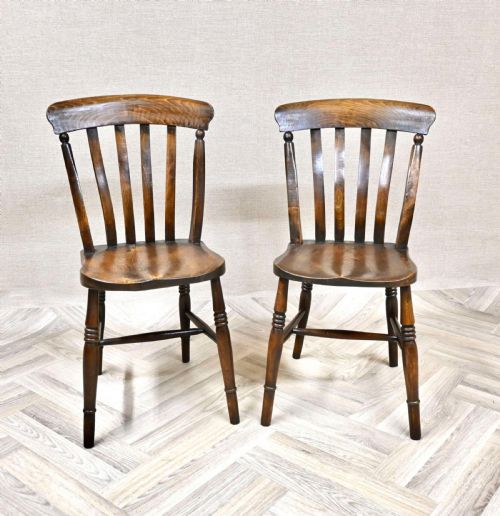
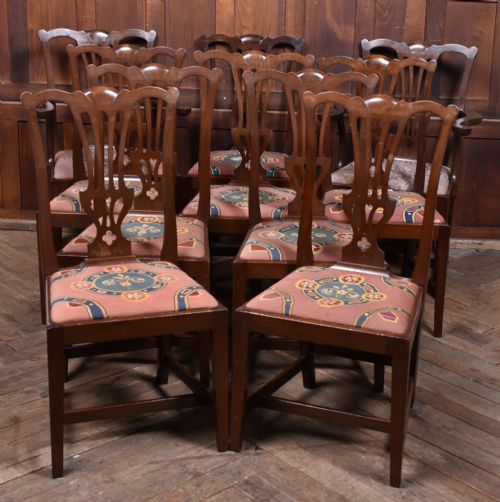
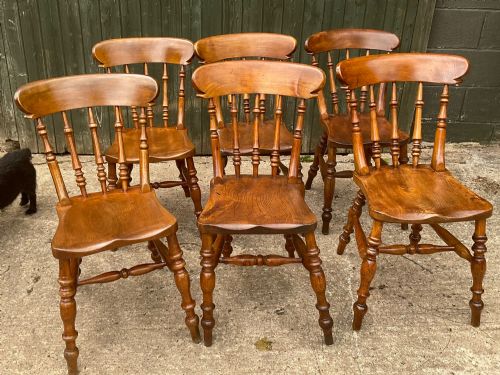
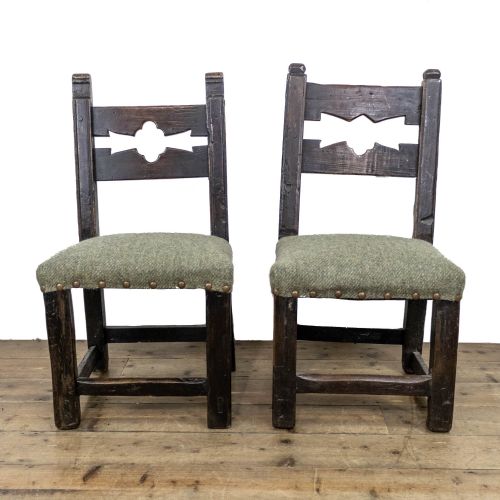
When you search for antique regional side chairs, you are looking at utilitarian seating born from distinct local traditions across the British Isles. These pieces range from sturdy country farmhouse chairs to robust spindlebacks and substantial oak backstools.
The examples you will most frequently meet on this page hail from the nineteenth century, alongside earlier seventeenth-century forms and later revival pieces. They serve primarily as dining chairs or hall chairs, shaped by the specific timber resources and design habits of their home regions.
How they were made
Local makers utilised readily available regional timbers such as oak, elm, ash, beech, and alder to construct these frames. Turned spindles, ladder backs, and solid timber seats demonstrate traditional green woodworking and joinery techniques.
Seating areas frequently incorporate woven rush inserts or simple wooden boards rather than complex upholstery. These methods produced durable, unpretentious furniture designed for daily domestic use.
Several chairs arrive with original rush seating that has absorbed generations of rural comfort and country house tea.
What varies in quality
The distinction between standard utility seating and superior regional pieces lies in the crispness of the turning and the integrity of the timber. Original surface patination and tight structural joints elevate an ordinary farmhouse chair into a more desirable example of vernacular design.
Consistency across a matched set heavily influences the standing of these chairs, particularly when dealing with larger groups of dining chairs. Single pieces rely entirely on their individual proportions, regional quirks, and untouched condition to command attention.
Wheelers of Arncroach·Worksop
The Antique Regional Side Chairs Glossary
- Backstool
- An early form of seating without arms, essentially a precursor to the modern side chair. These seventeenth-century pieces usually feature solid oak construction and panelled backs.
- Spindle-back
- A chair back constructed with multiple thin, turned wooden uprights between the top rail and the seat. This method lightened the frame whilst maintaining structural rigidity.
- Rush seat
- A seating surface woven from dried marsh rushes around a wooden frame. This traditional technique provides a resilient and comfortable base for country chairs.
- Vernacular
- Furniture designed and built by local craftsmen using traditional regional methods rather than following metropolitan stylistic trends. These pieces reflect the practical needs of their immediate locality.
Antique Regional Side Chairs: Frequently Asked Questions
What defines an antique regional side chair?
These chairs are defined by their unpretentious domestic origins and the distinct stylistic traits of their home regions. They reflect local vernacular building methods rather than standardised factory production.
Builders utilised local woods like elm, ash, and oak, resulting in honest furniture designed for daily utility in farmhouses, cottages, and country homes.
How were these chairs used originally?
They served primarily as practical seating around the farmhouse dining table or positioned in hallways and kitchens. Their durable construction meant they endured generations of heavy domestic use.
Unlike formal parlour furniture, their purpose was purely functional, shaped by the everyday routines of rural households.
How do I care for rush-seated chairs?
Rush seats require a stable indoor environment with moderate humidity to prevent the natural fibres from becoming brittle. Regular dusting with a soft brush keeps the weave clean without damaging the material.
Avoid placing them in direct sunlight or damp areas, as extreme conditions will cause the dried rushes to weaken over time.
How can I tell a seventeenth-century chair from a later revival?
Early pieces display genuine age-related wear, traditional joinery marks, and patination accumulated through centuries of handling. The timber density and construction methods match the period of origin rather than later imitation.
Revival furniture, such as twentieth-century Derbyshire style pieces, often exhibits machine-tooled elements and cleaner joints that lack the organic irregularities of genuine early work.