
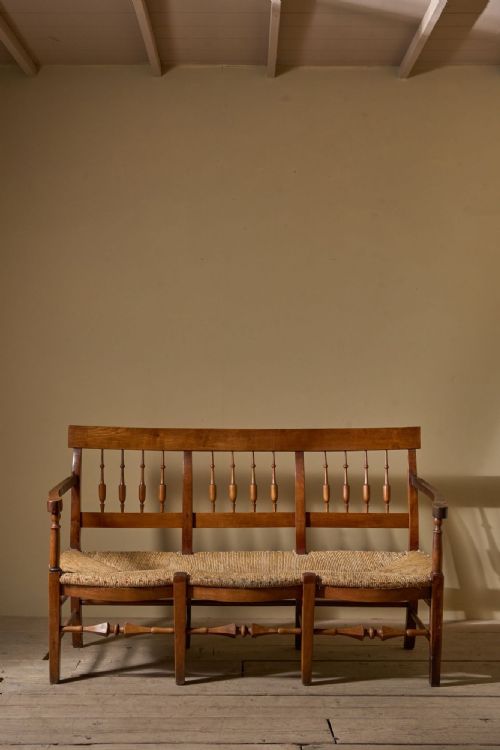
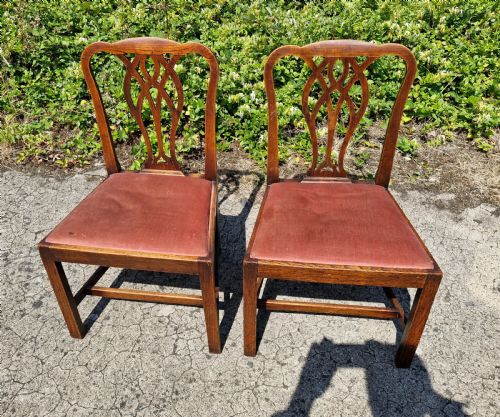
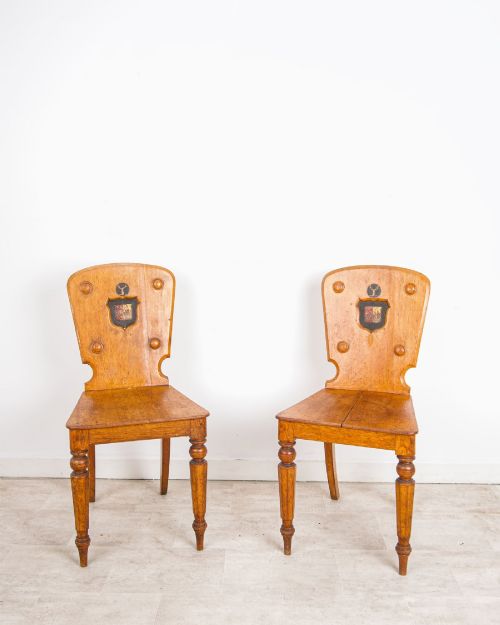


Country Hall Chairs
Country hall chairs are robust, vernacular seats forged for domestic passage, offering buyers honest utility and grounded period character.
Country Hall Chairs
When you search for country hall chairs, you look at utilitarian seating fashioned for entranceways, corridors, and large domestic spaces. The pieces appearing here span centuries from the seventeenth through the interwar period, capturing regional domestic life.
You will most frequently meet elm, oak, and pine examples originating from English, Welsh, Scottish, and continental workshops. These forms range from single side chairs and armchairs to settles, benches, and window seats.
The aesthetic leans towards regional vernacular rather than urban sophistication, showing sturdy construction intended for practical daily use. Makers utilised local timbers available to them, resulting in distinctive provincial interpretations of mainstream furniture styles.
Materials and construction methods
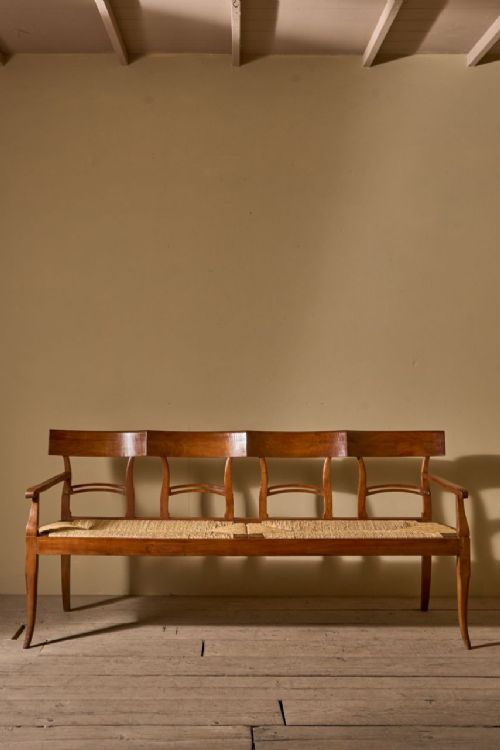
Carpenters constructed these seats primarily from domestic hardwoods such as oak, elm, cherrywood, and walnut, often pairing different woods within a single frame for structural strength. Seats frequently feature solid timber panels, woven rush, or simple fabric coverings.
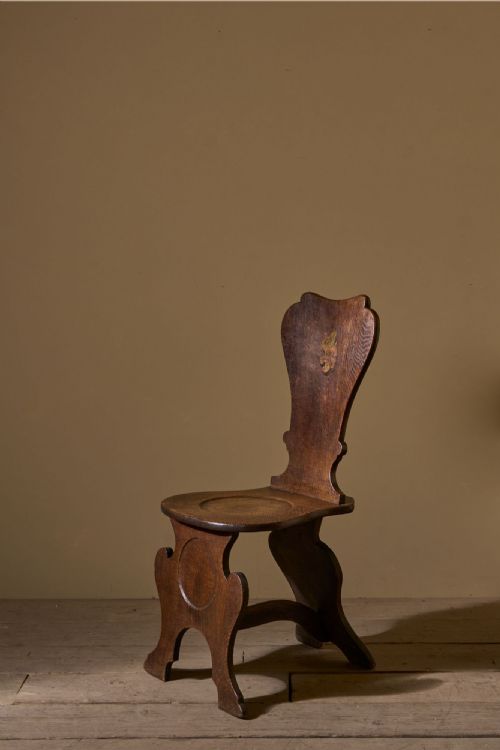
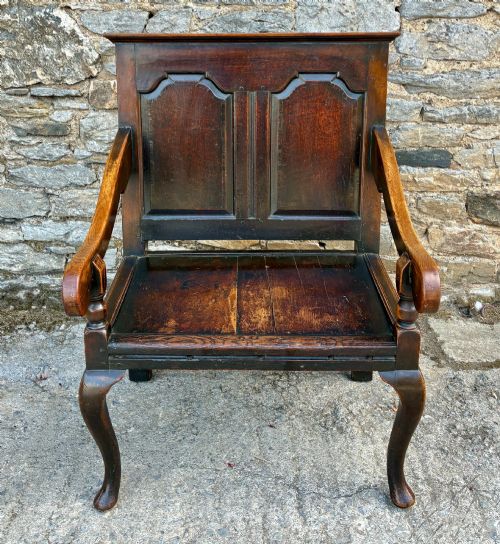
Joinery techniques relied on pegged mortise and tenon joints, turning, and occasional hand carving or painted decoration. Makers shaped backs from solid planks, shield motifs, or ladderback designs, securing them to heavy timber underframes.
Certain Welsh spinning chairs feature low profiles specifically designed for fireside textile work.
Distinctions in quality and execution
The upper tier of these pieces demonstrates superior timber selection, where dense grain patterns and matched woods elevate simple utilitarian forms into accomplished regional art. Lower grades rely on utilitarian utility alone with basic softwood construction and crude repairs.
Carved heraldic shields, crisp turned elements, and integrated decorative painting separate ambitious provincial commissions from everyday domestic seating. The integrity of the original joints and surface patination further distinguish higher survival grades from heavily altered examples.
The Country Hall Chairs Glossary
- Settle
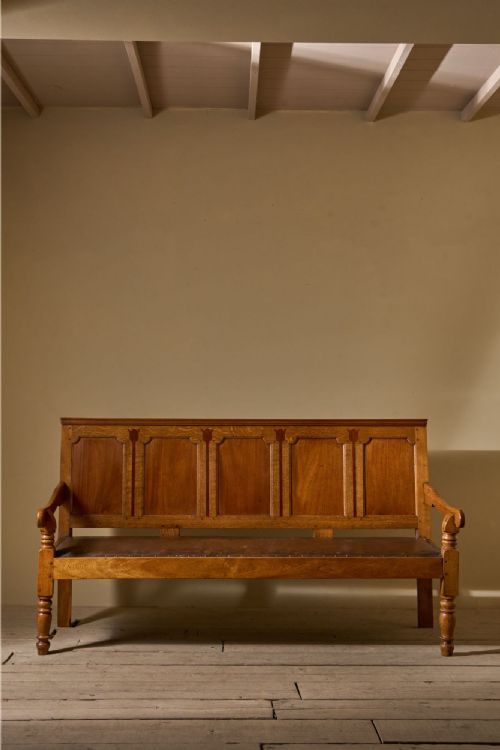
- A wooden bench with a high back, solid arms, and a box compartment beneath the seat. This form provided draught protection in large entrance halls.
- Shield back
- A chair back shaped in the outline of a heraldic shield, frequently embellished with carved crests. This design appeared widely in late Georgian seating.
- Rush seating
- A woven seat base made from dried marsh grasses twisted into cords. This traditional method offers flexible support within wooden chair frames.
- Vernacular furniture
- Domestic objects made by local tradesmen using regional traditions rather than formal academic designs. These pieces reflect the specific materials available in their immediate locale.
- Armorial
- Bearing heraldic arms or family crests. Such decoration denoted the lineage or estate of the original owner.
Country Hall Chairs: Frequently Asked Questions
Where did people place hall chairs?
Households placed these seats in entrance passages, hallways, and reception rooms where visitors waited before entering domestic quarters.
Their robust construction resisted heavy outdoor garments and frequent daily passage.
How do I care for antique wood?
Maintain timber surfaces by applying natural beeswax sparingly and buffing with a soft cloth to preserve the historic patina.
Keep wooden seating away from direct heat sources and sudden humidity shifts to prevent timber splitting.
What defines a country house style?
Country house style combines utilitarian function with collected vernacular pieces accumulated over generations.
This aesthetic values honest materials, regional craftsmanship, and unpretentious domestic utility over formal symmetry.
Are rush seats durable?
Rush seats offer surprising strength and resilience when kept dry and maintained with occasional light dampening.
Avoid placing these chairs in damp environments where dried marsh grasses can weaken or rot.