


Vernacular Oak and Elm Chairs
Vernacular oak and elm chairs are honest country seating shaped by regional hands, offering sturdy rustic charm and lasting utility for everyday living.
Vernacular Oak and Elm Chairs
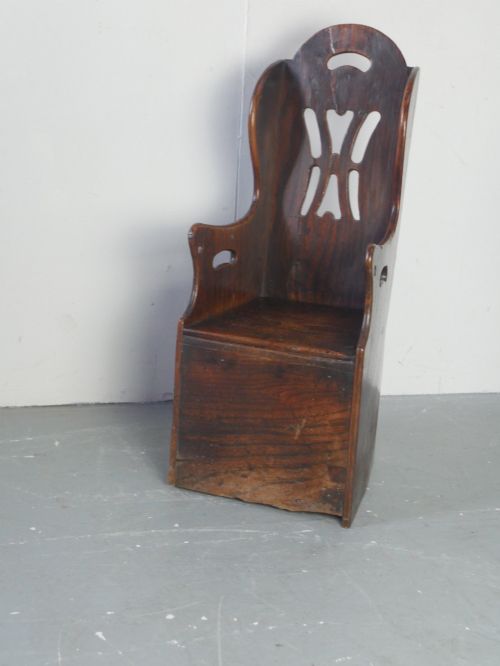
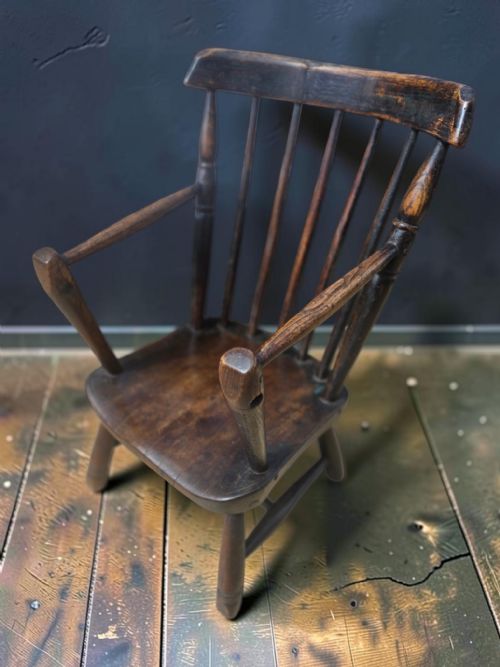
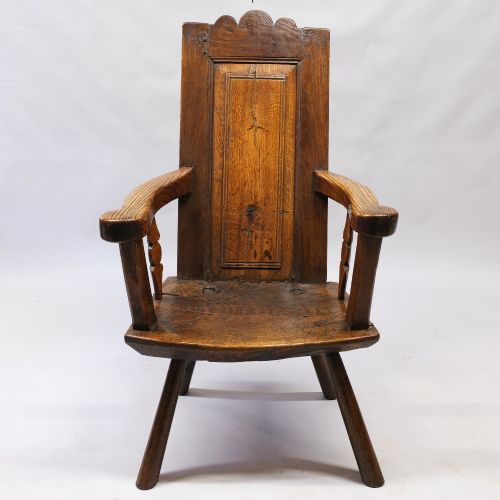
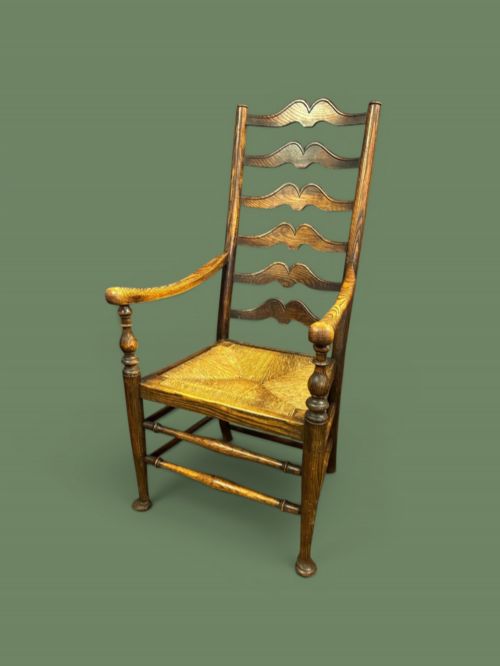
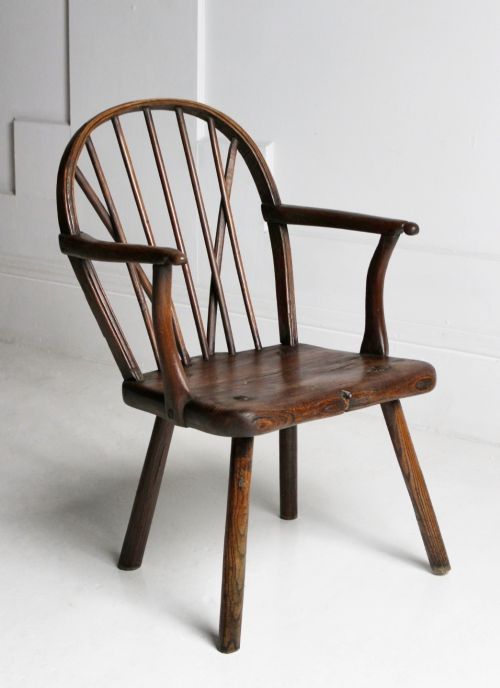
Vernacular oak and elm chairs comprise country seating made across regional workshops, spanning the eighteenth and nineteenth centuries. These domestic pieces include spindlebacks, stickbacks, and Windsor forms designed for everyday use in kitchens, farmhouses, and cottages.
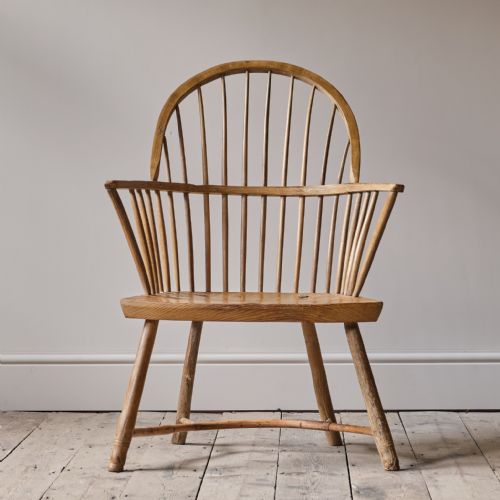
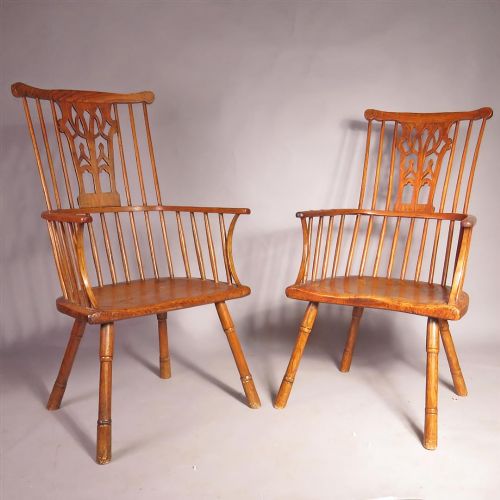
The selection on this page centres upon English country seating, ranging from low back Windsors and comb backs to child high chairs and rush seated dining chairs. Regional variations emerge from places such as Wales and Yorkshire, showing distinct local turning and bending traditions.
Makers built these chairs for practical durability rather than formal salon display, utilising local timber stocks. Buyers encounter armchairs, side chairs, and matched sets shaped by provincial joiners and chair bodgers.
What varies in quality
Quality in these country chairs rests upon the balance of proportions and the integrity of the timber selection. Superior examples display well figured elm seats and crisp turning on the spindles rather than crude replacements.
The comfort of the saddle seat and the tightness of the wedged joints distinguish better workshop production. Original surface patination and minimal timber replacement preserve the character expected by serious collectors.
Current listings demonstrate periods spanning the eighteenth and nineteenth centuries, incorporating materials such as elm, ash, oak, yew, rush, and beech across diverse regional forms.
The Vernacular Oak and Elm Chairs Glossary
- Windsor chair
- A wooden chair constructed with a solid shaped seat into which the legs and back spindles are separately bored. This form dominates country seating traditions.
- Comb back
- A Windsor variation where the top rail resembles the teeth of a comb, extending the vertical spindles upwards. It provides extra head support in regional armchairs.
- Spindleback
- A chair style utilising multiple turned vertical wooden rods to form the backrest. These pieces often feature rush or wooden plank seats.
- Penny seat
- A saddle shaped wooden seat base finished with a shallow central depression resembling a large coin. It offers ergonomic comfort in utilitarian kitchen chairs.
- Stick back
- A primitive seating form where plain round sticks are tenoned directly into the seat slab. Regional versions reflect local Welsh and English country designs.
Vernacular Oak and Elm Chairs: Frequently Asked Questions
How do I date an elm chair?
Dating relies upon observing the construction marks, tool traces, and the wear patterns on the seat and feet. Earlier eighteenth century examples often display broader proportions and hand cleft components.
Later nineteenth century pieces tend to show more standardised turning and machine assisted production methods. Comparing the timber shrinkage and joinery style helps clarify the period.
Are these chairs suitable for daily use?
Country chairs were originally built for hard domestic service, making them remarkably robust for modern dining or study use. Solid elm seats and pegged joints withstand everyday sitting when checked for stability.
Placing them away from direct heat sources prevents timber shrinkage and loose joints. Regular gentle care preserves both the structure and the aged surface.
What is a Welsh stick chair?
A Welsh stick chair is a distinct regional vernacular form featuring a thick plank seat and splayed legs. These pieces often incorporate a bentwood arm bow and simple stick spindles.
Originating from areas like Carmarthenshire, they demonstrate local timber traditions using native woods. Their stark construction represents honest provincial craftsmanship.
Why use elm for chair seats?
Elm possesses a twisted, interlocking grain that prevents it from splitting when bodgers drove green wood legs and spindles into the seat. This natural resilience made it the preferred timber for solid saddle seats.
Over centuries, elm develops a rich, undulating surface texture through wear and shrinkage. This distinctive grain pattern enhances the visual character of country seating.