
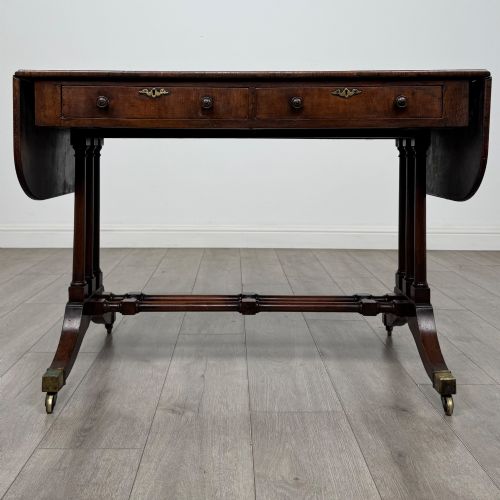
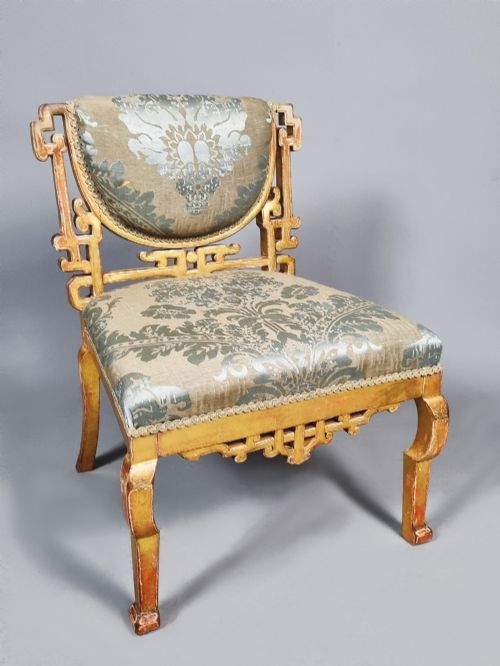
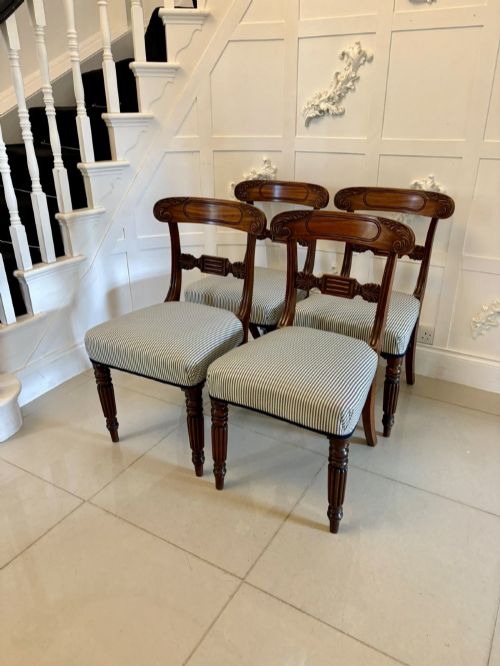
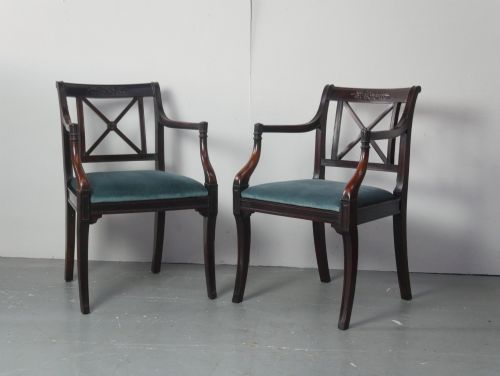


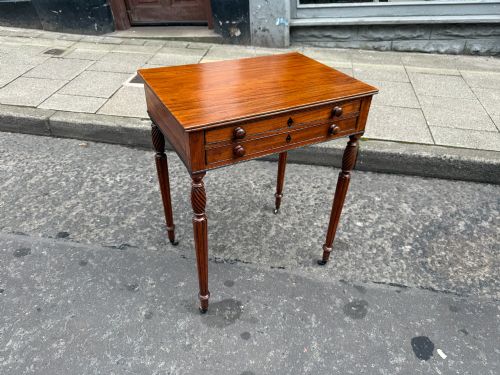
Antique Regency Desk
When you search for an antique regency desk, you are looking at early nineteenth-century mahogany and rosewood writing furniture designed for libraries and studies.
Antique Regency Desk
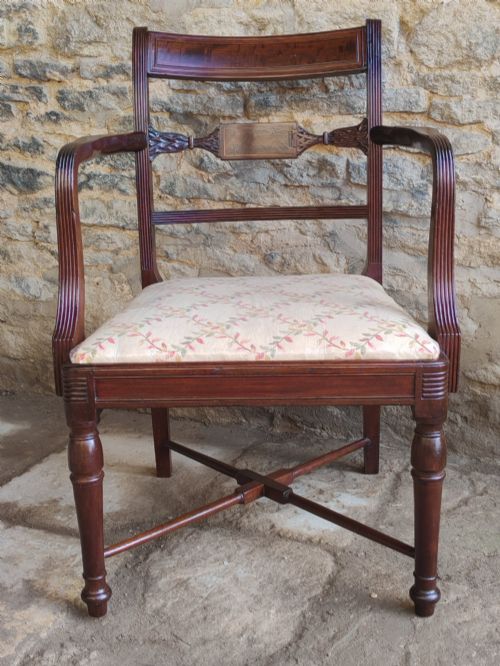
An antique regency desk encompasses freestanding writing tables, secretaire bookcases, and Davenport forms produced during the early nineteenth century and later revival periods. The listings here frequently present mahogany and rosewood writing surfaces alongside specialised chairs designed for library use.
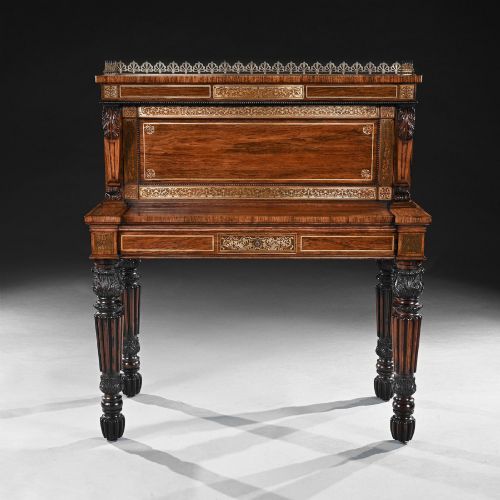
Makers and workshops of the period utilised rich timbers such as flame mahogany and satinwood, often incorporating brass inlay and leather writing inserts. Buyers encounter both compact slope desks and large partners desks designed to stand away from the wall.
The selection extends from strict Regency items to Georgian precursors and later Edwardian interpretations sharing the same aesthetic vocabulary. These pieces served the scholarly and administrative needs of polite society with refined proportion and functional internal fittings.
What varies in quality
The distinction between standard examples and top-tier pieces lies in the selection of timber figures and the precision of brass inlay work. Grain alignment across drawer fronts and the depth of hand-carved details elevate certain pieces above routine production items.
Construction integrity, including original fittings, working locks, and secondary timber selection, determines the standing of a desk. Attributions to documented workshops or makers add another layer of distinction to surviving library furniture.
Listings feature mahogany, rosewood, and satinwood alongside brass inlay and leather writing surfaces across nineteenth-century periods.
Gillows Oxford Street Workshop·James Mein of Kelso
The Antique Regency Desk Glossary
- Secretaire
- A desk form featuring a pull-out or drop-front drawer that conceals a fitted interior of small drawers and pigeonholes. This arrangement allows a writing surface to remain hidden when not in use.
- Davenport
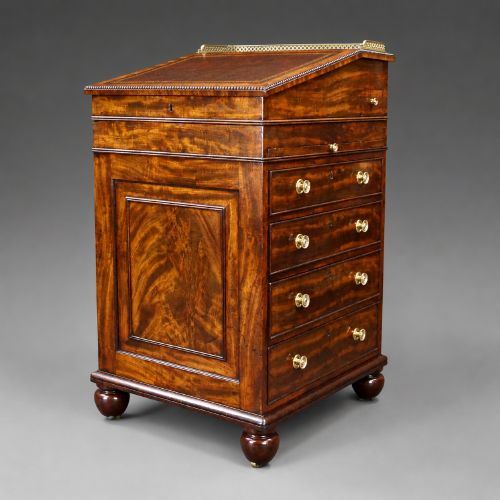
- A compact desk type comprising a sloped writing box mounted over a pedestal of drawers. It typically includes a hinged lid and side storage compartments.
- Partners desk
- A large freestanding double-sided desk designed for two people to work opposite one another. These pieces feature drawers and cupboards on both faces.
- Flame mahogany
- A veneer cut from the fork of the mahogany tree where the branches join the trunk. This technique produces a distinctive, highly figured flame-like pattern across the wood.
- Brass inlay
- The practice of recessing thin strips or motifs of brass into the solid wood surface of a desk. It creates crisp geometric or floral patterns against dark rosewood and mahogany.
Antique Regency Desk: Frequently Asked Questions
How do I identify a true Regency desk?
Look for architectural proportions, classical Neoclassical motifs, and specific timber choices such as figured mahogany or rosewood. Genuine pieces from the period often display restrained brass inlay and particular structural joinery.
Compare the internal drawer construction and secondary woods with documented examples from the early nineteenth century. Revival pieces from later decades typically reveal different construction markers and minor stylistic variations.
Where should I place a freestanding desk?
Freestanding writing tables and partners desks are finished on all sides, allowing them to sit centrally within a room rather than against a wall. This placement showcases the polished rear panels and decorative timber grain.
Ensure adequate clearance around the piece for chairs and movement while maintaining a safe distance from direct heat sources. Proper positioning highlights the deliberate craftsmanship visible from every angle.
What is the difference between a writing table and a Davenport?
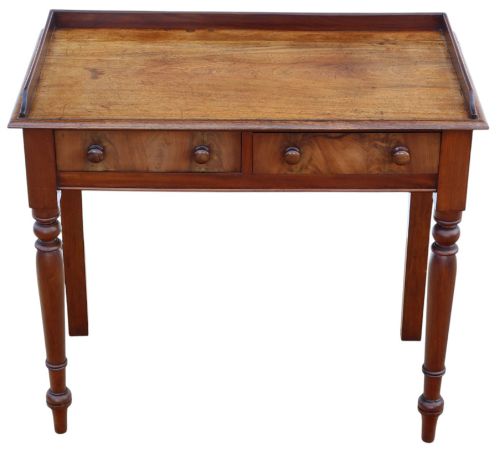
A writing table provides an open, flat surface supported by legs or pedestals, prioritizing broad workspace. These tables often include slim side drawers beneath the top.
A Davenport is a much more compact, enclosed desk featuring a sloping writing lid above a built-in set of drawers. It was originally designed for ladies or small study spaces.
How do I care for antique leather writing surfaces?
Maintain leather inserts by keeping them away from direct sunlight and excessive moisture to prevent cracking. Gentle dusting with a dry cloth preserves the surface without stripping the original finish.
Avoid standard household chemical cleaners, which can damage aged leather and surrounding timber. Specialised leather balms may be applied sparingly by professionals to maintain suppleness.