

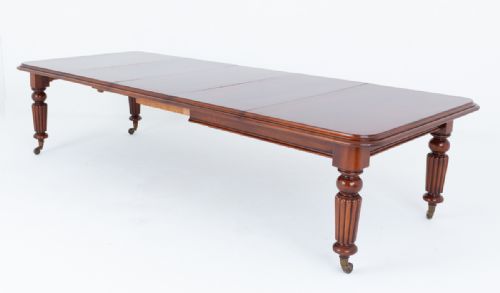


Antique Pull Out Table
An antique pull out table is a clever mechanism for expanding surface space, and these period pieces combine daily practicality with fine cabinet-making.
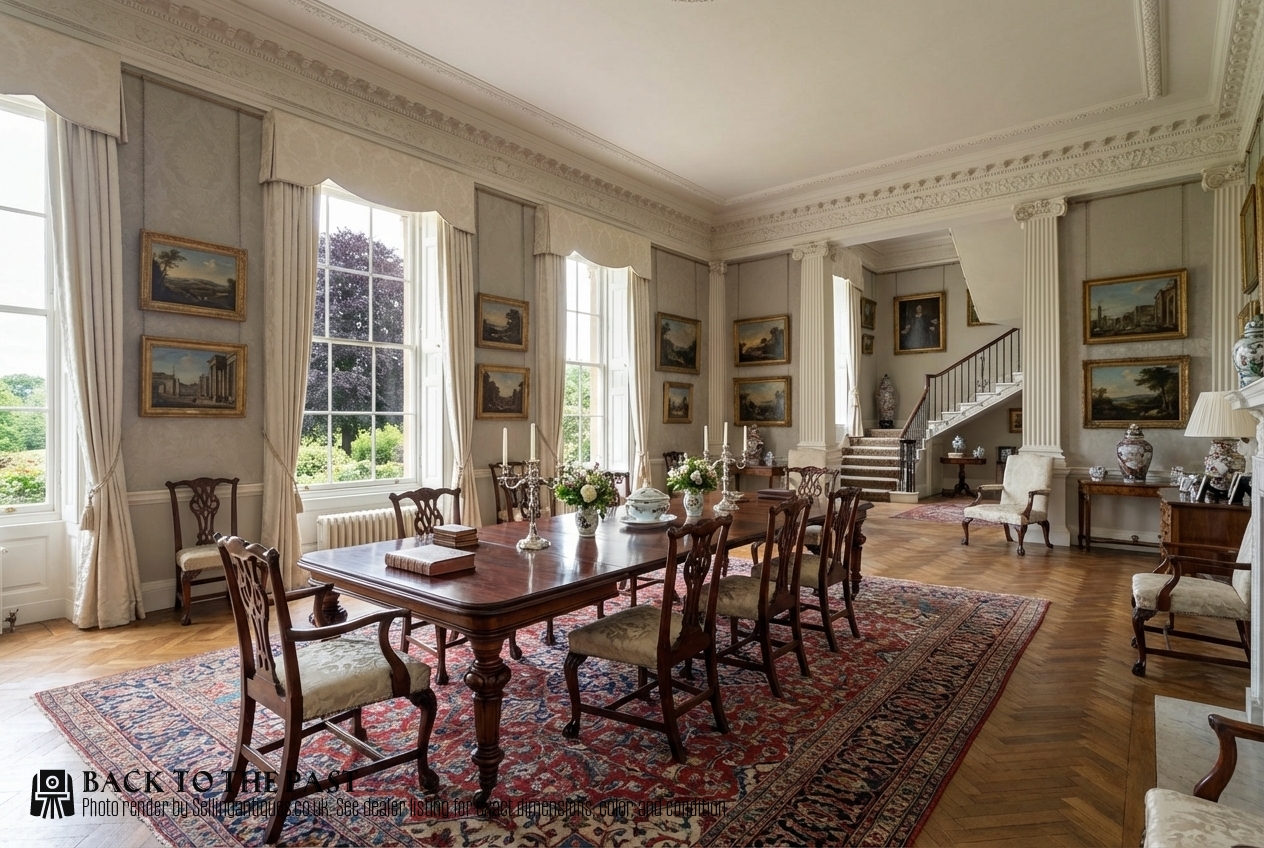
Antique Pull Out Table
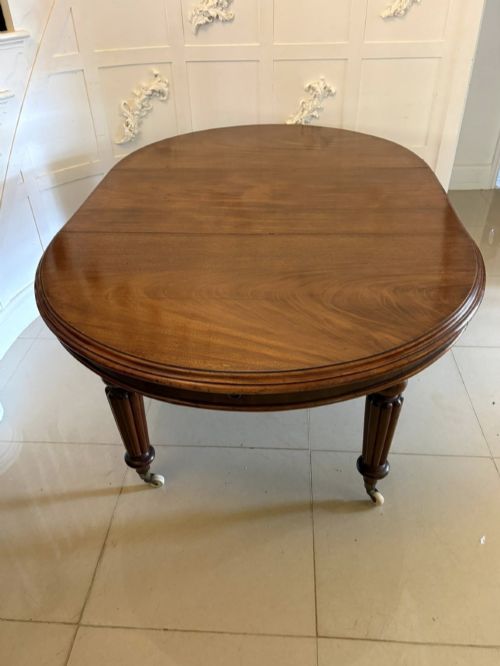
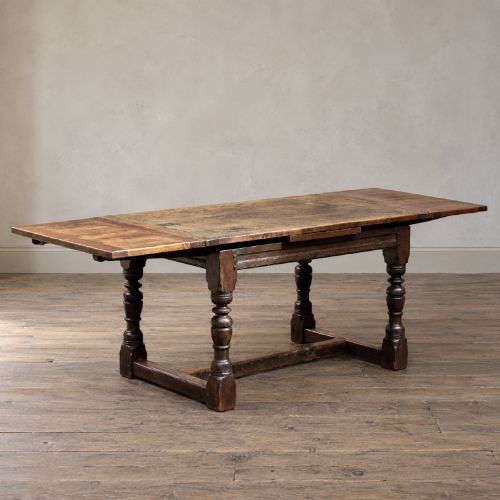
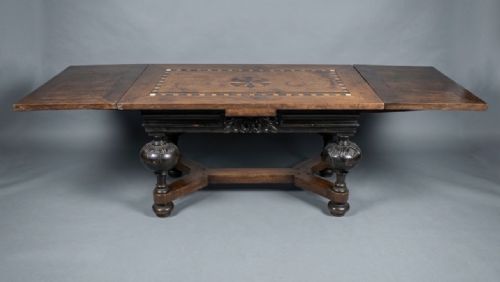
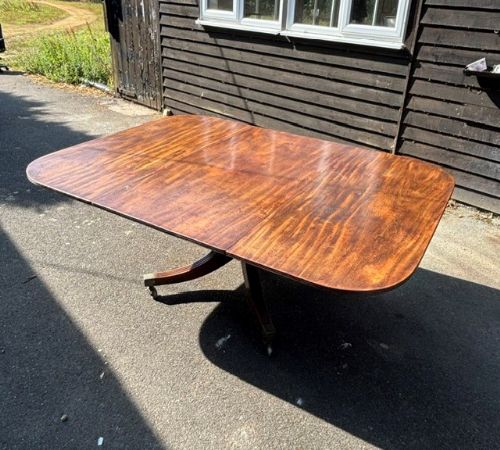
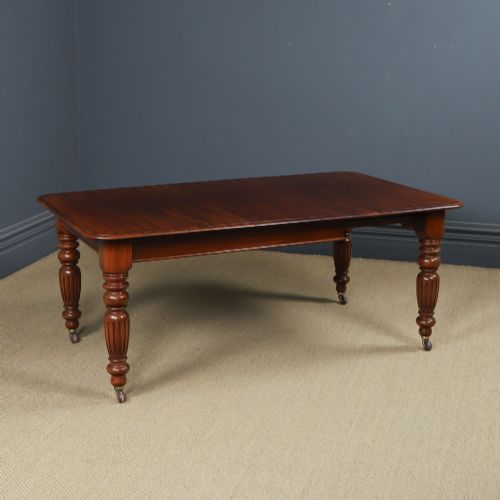
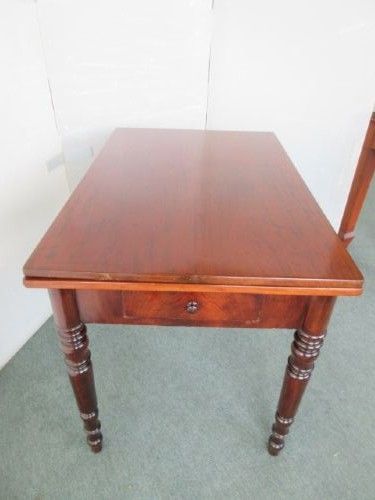
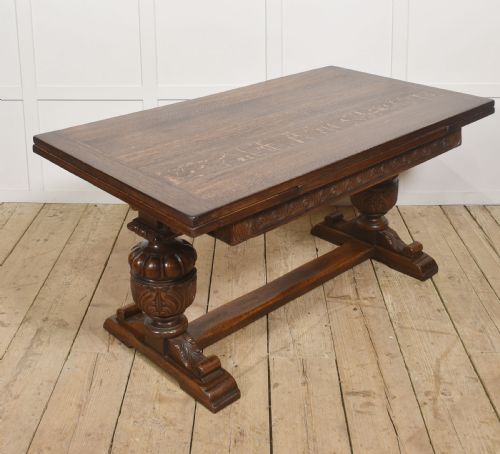
When you search for an antique pull out table, you encounter ingenious surfaces designed to expand for dining or work. The selection ranges from robust 17th century oak draw leaf formats to grand 19th century mahogany extending dining tables.
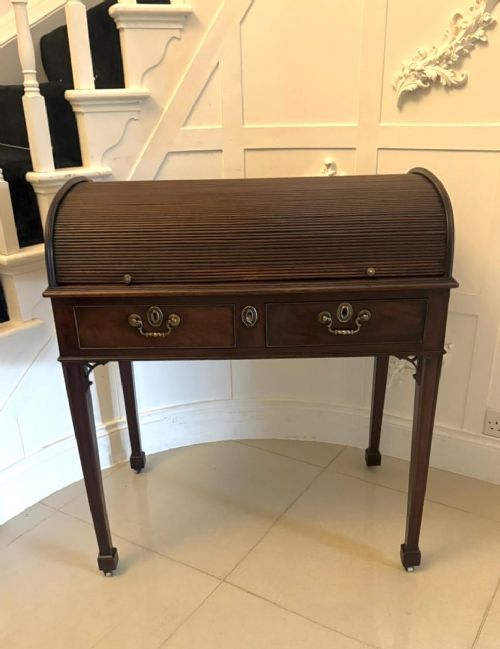
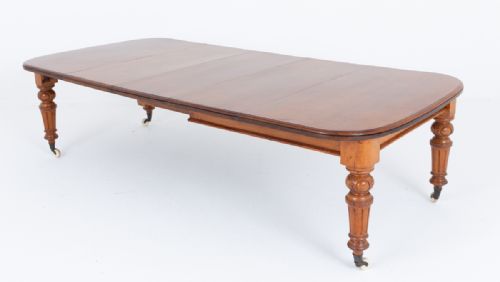
Victorian and William IV examples dominate the available forms, often featuring multiple extra leaves and sturdy castors. Dining tables and desks with clever pull-out slides or tambour tops appear frequently across the periods.

How they were made
Cabinet-makers relied heavily on dense timbers such as mahogany, oak, and occasional fruitwood, ensuring structural integrity for moving mechanisms. Brass fittings and castors frequently support the weight of extending leaves and heavy pedestals.
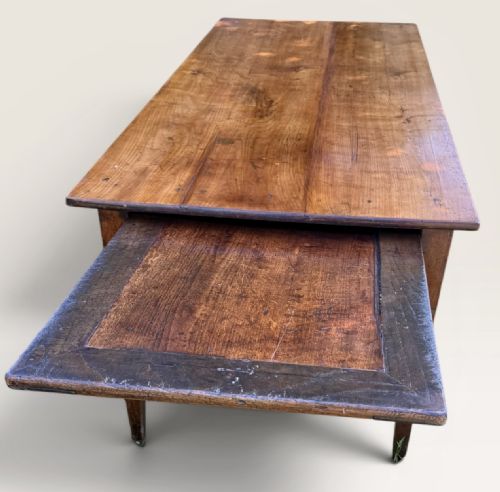
Draw leaf and wind-out actions require precise joinery to allow wooden leaves to glide smoothly on runners without binding. Solid construction methods ensure that sliding components maintain alignment through centuries of use.
Antique Pull Out Table Retail Price Guide 2026
Typical asking prices for pull out table among the pieces listed under this phrase on Sellingantiques today, from the lower quarter to the upper quarter. They describe what is for sale here now, not the wider market.
Mahogany is the most frequently recorded primary material across these extending tables, supplemented by oak and occasional walnut.
What varies in quality
The sophistication of the extending mechanism dictates much of the distinction between standard items and exceptional workshop output. Smooth operation of leaves and the seamless alignment of timber grain when fully opened indicate superior craftsmanship.
Choice of primary timber also sets pieces apart, moving from standard regional oak and fruitwoods to finely figured Cuban mahogany and pollard oak. Maker attribution, particularly to esteemed firms, elevates the standing of an individual table.
Thomas Butler·Gillows
The Antique Pull Out Table Glossary
- Draw leaf table
- A table equipped with concealed leaves stored beneath the main top that pull out to extend the surface length. This clever mechanism allows rapid adaptation for larger gatherings without storing separate loose leaves.
- Wind out table
- An extending dining table operated by a detachable crank handle that turns an internal screw mechanism to separate the halves. This innovation became especially popular during the Victorian period.
- Tambour
- A flexible shutter made of narrow vertical strips of wood glued to canvas backing, allowing it to slide smoothly around a curve. It frequently conceals writing surfaces and pigeonholes in desks.
- Bread slide
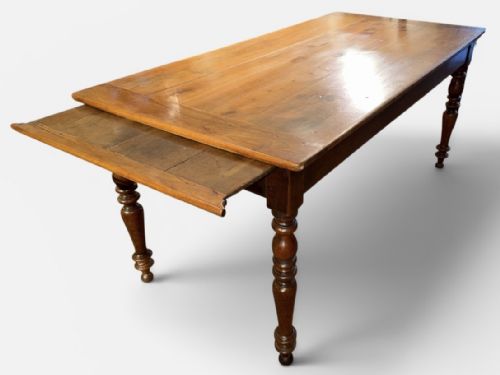
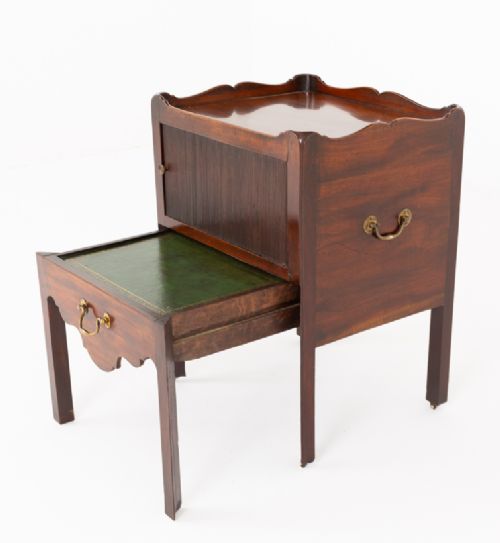
- A pull-out wooden shelf integrated into furniture to provide temporary additional surface area. These practical additions are commonly found in farmhouse tables and bedside cabinets.
- Quadrapartite base
- A heavy central pedestal branching out into four feet, often fitted with castors. This configuration provides robust support for large extending dining tables.
Antique Pull Out Table: Frequently Asked Questions
How do extending mechanisms work?
Most antique extending tables rely on either draw-leaf runners hidden beneath the main surface or a central screw mechanism operated by a winding handle. These clever systems allow the top to part evenly so that extra leaves can be inserted.
Heavier dining tables often incorporate sturdy wooden runners and brass castors to bear the additional weight when fully opened.
Where were these tables used?
These pieces served primarily in formal dining rooms, country kitchens, and private libraries where flexible surface space was essential. Larger extending formats accommodated expanding households and dinner parties.
Smaller variants with pull-out slides functioned effectively as writing desks or bedside cabinets in private chambers.
How do I care for the wood?
Regular dusting with a soft, dry cloth helps maintain the polished finish of mahogany and oak surfaces. Direct sunlight and sudden changes in temperature should be avoided to prevent the timber from splitting.
Applying a traditional beeswax periodically nourishes the grain and protects historical finishes.
How are different periods distinguished?
Early pieces from the 17th and 18th centuries typically feature heavy oak construction with simple draw-leaf actions. Later 19th-century examples showcase rich mahogany, complex winding mechanisms, and turned or pedestal bases.
Stylistic markers such as Regency curves or Victorian proportions help assign approximate dates when documentation is absent.