
Traditional Kitchen Table
A traditional kitchen table grounds the room, offering heavy timber construction and honest working surfaces built for daily use.
Traditional Kitchen Table
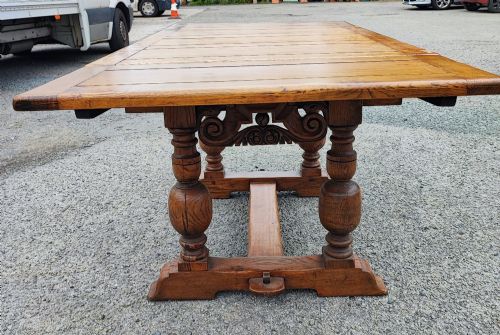
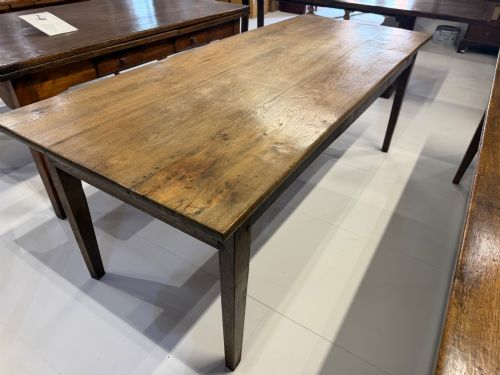
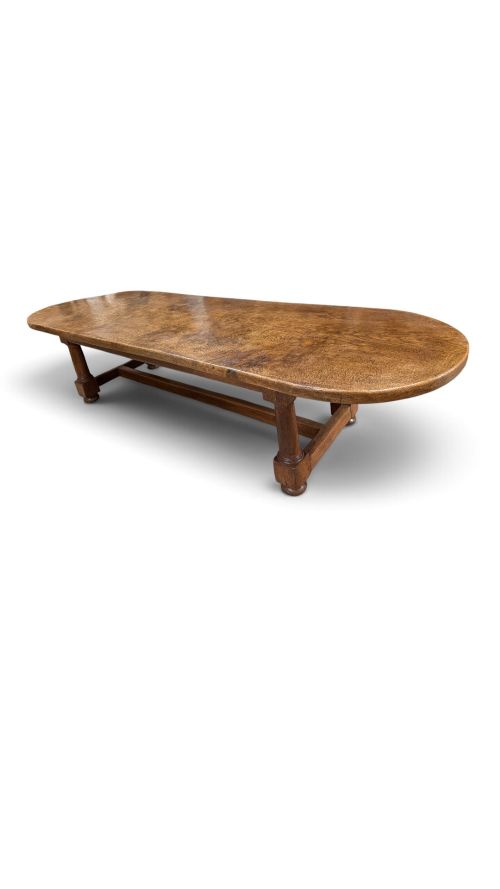
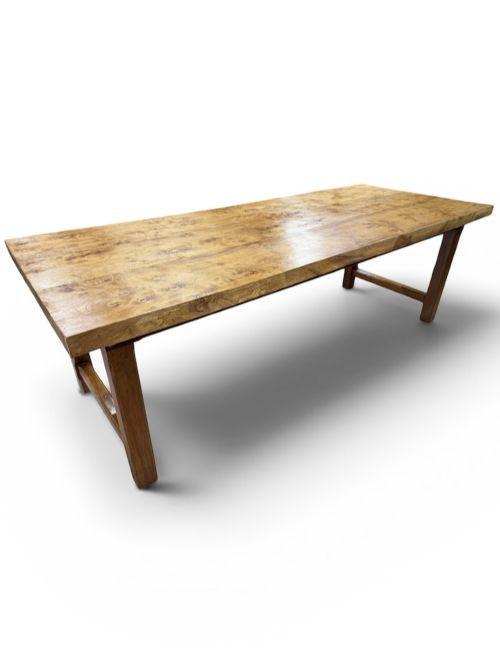
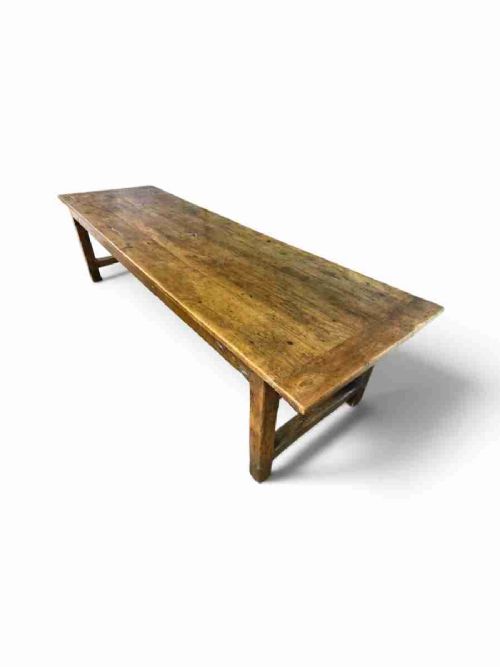
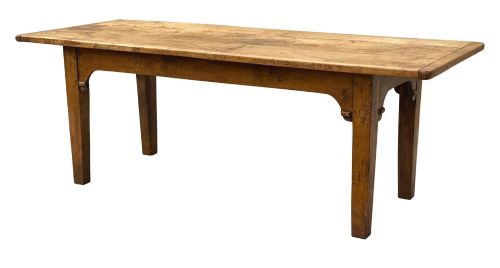
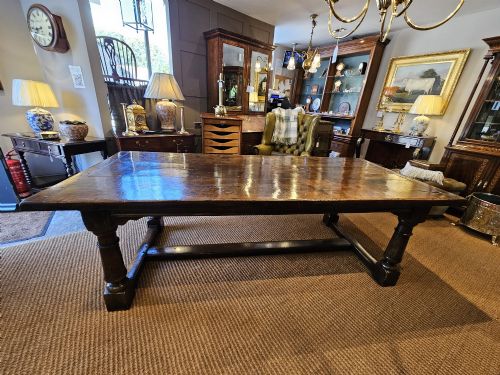
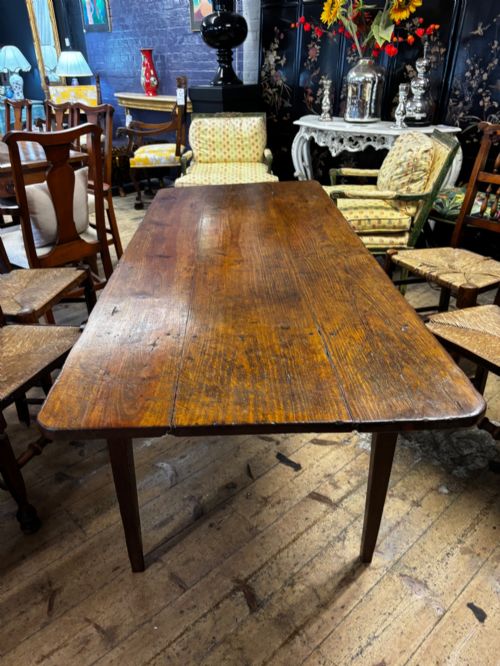
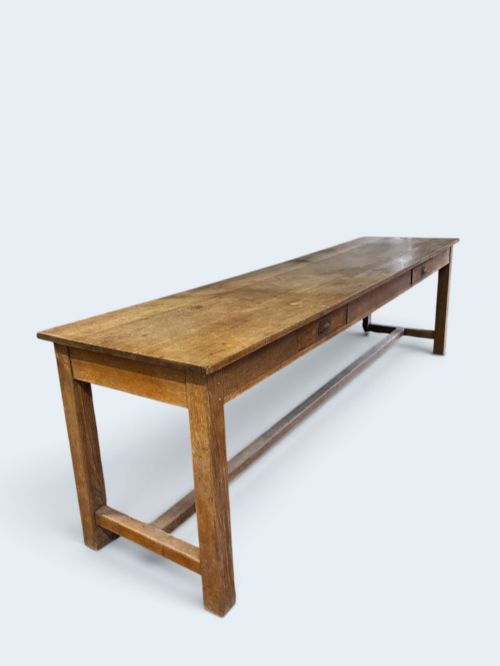
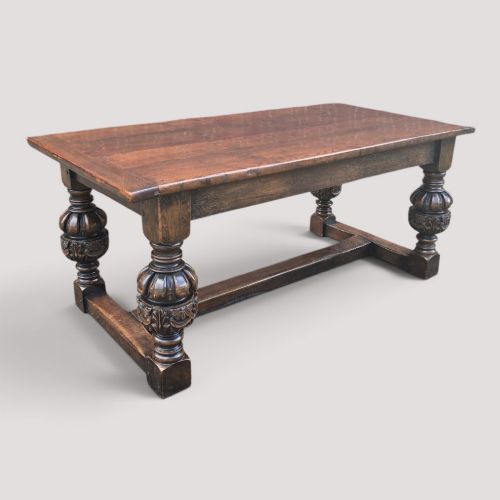
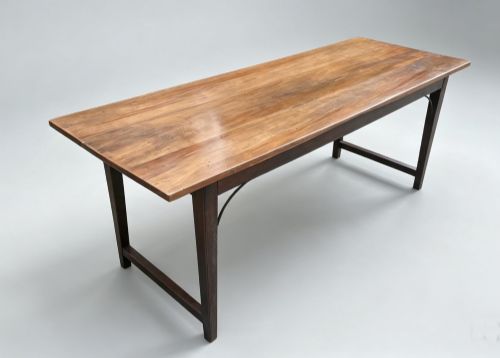
A traditional kitchen table spans centuries of domestic use, appearing most frequently in sturdy oak or pine across this selection. These pieces range from simple scrub-top pine surfaces to substantial refectory designs built to seat large households.
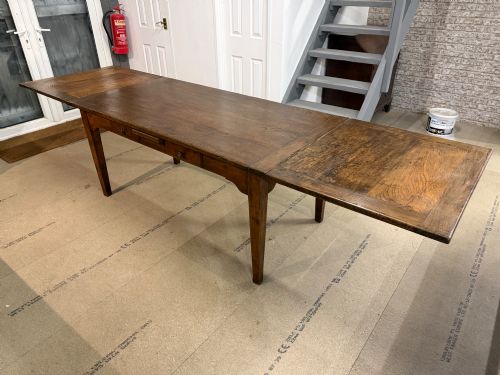
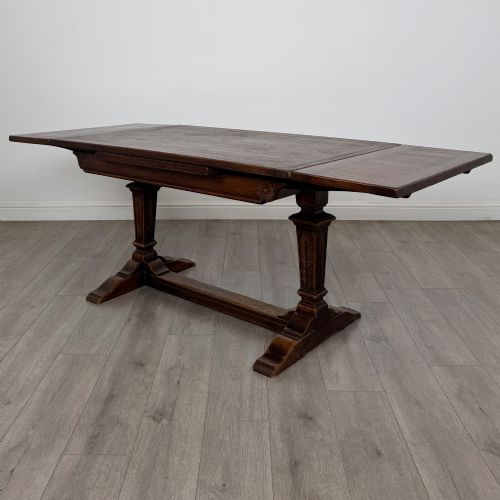
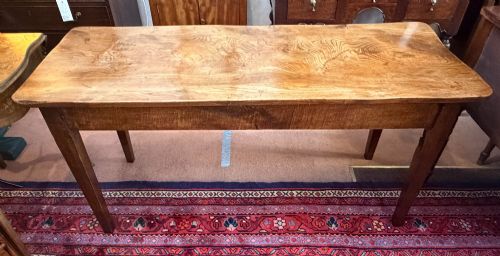
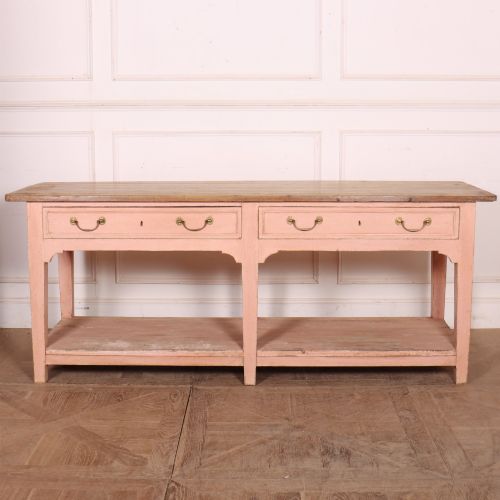
The materials reflect practical origins, utilising solid oak, beech, fruitwood, elm and sycamore alongside pine. Forms vary from draw-leaf and extending formats to fixed single plank tops and potboard dresser bases.
Period examples stretch from the eighteenth century through the Victorian and Edwardian eras into the early twentieth century. Regional styles include French Provincial and rustic farmhouse interpretations alongside Jacobean revival pieces.
How they were made
Makers relied on solid hardwoods and softwoods, selecting oak and beech for durability and pine for utility. Joinery methods prioritised stability, employing pegged mortise and tenon joints to withstand heavy domestic tasks.
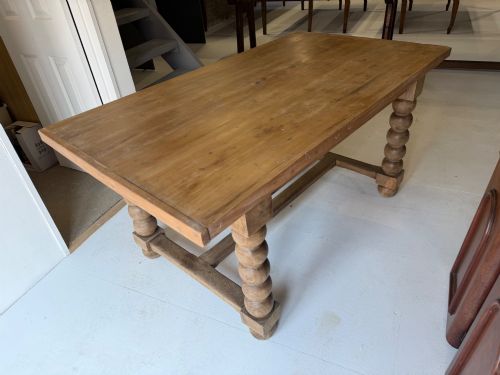
Surfaces were shaped using hand tools, resulting in single plank tops or joined boards showing the natural grain. Legs range from tapered and bobbin styles to heavy trestle ends and turned supports.
Some tables retain flour dust compacted into the grain from decades of pastry making.
What varies in quality
The grade of timber dictates the presence of dense grain patterns and sound structural integrity in the top boards. Heavier scantling timber and older growth wood provide superior weight and resistance to warping.
The complexity of the base construction, from plain tapered legs to carved trestles or potboards, indicates the original maker's ambition. Original surface patination accumulated through decades of use separates honest examples from overly restored ones.
The Traditional Kitchen Table Glossary
- Refectory table
- A long narrow dining table originally used in monastic dining halls. These examples often feature stretcher rails connecting the legs for added stability.
- Draw-leaf table
- An extending table with two leaves stored beneath the main top that slide out to lengthen the surface. This mechanism allows the table to accommodate extra diners when needed.
- Scrub top
- A bare wooden tabletop designed to be scrubbed clean with water and sand or soap. This finish is typical of utilitarian pine kitchen tables.
- Potboard base
- A lower shelf fitted beneath a table or dresser base used for storing pots and pans. It provides structural bracing and open storage close to the floor.
- Bobbin leg
- A turned furniture leg shaped to resemble a string of bobbins or spools. This decorative turning style appears on seventeenth-century and revival pieces.
Traditional Kitchen Table: Frequently Asked Questions
How do I clean a wooden kitchen table?
Use a damp cloth with mild soap for daily cleaning and avoid harsh chemical sprays that strip the finish. Regular waxing helps protect the wood from moisture.
Ensure spills are wiped promptly to prevent staining, particularly on unsealed pine or scrub-top surfaces.
What is the difference between oak and pine?
Oak is a hard, dense timber with prominent grain patterns suited to heavy-use refectory and draw-leaf designs. Pine is a softer wood that yields lighter tables often finished with painted bases or scrub tops.
Both materials offer durability, but oak provides greater resistance to dents and structural movement over centuries.
How do I seat eight people comfortably?
Look for refectory tables measuring over two metres in length or extending models with draw leaves. Trestle bases often allow more legroom along the sides compared to four-legged tables.
Check the clearance between the table apron and the floor to ensure standard dining chairs fit underneath.
Can I use a antique table daily?
These pieces were originally built for heavy domestic labour and family meals, making them well-suited to contemporary kitchen use. Using placemats and coasters protects the historic surface from heat and moisture.
Minor marks accumulated through daily use add to the character and honest patination of older timber.