
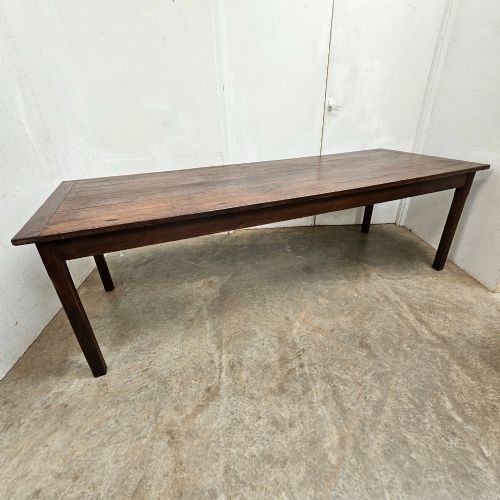

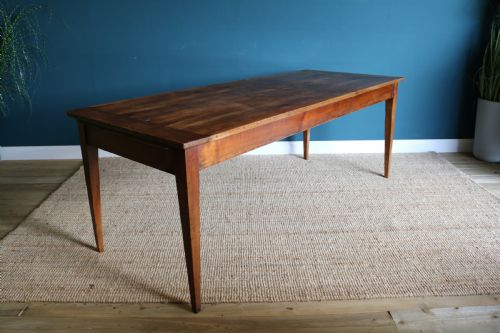


Vintage Provincial Refectory Table
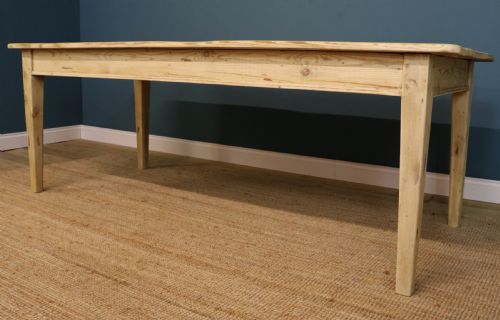
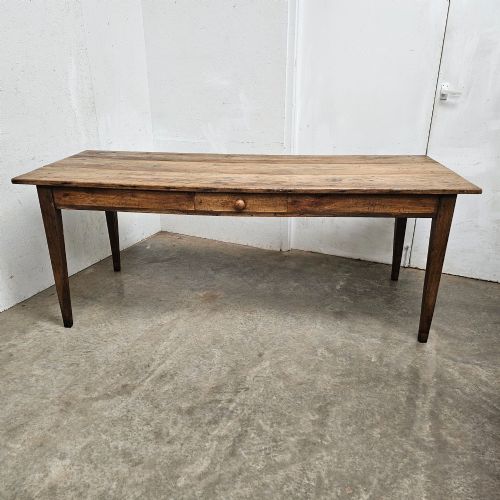
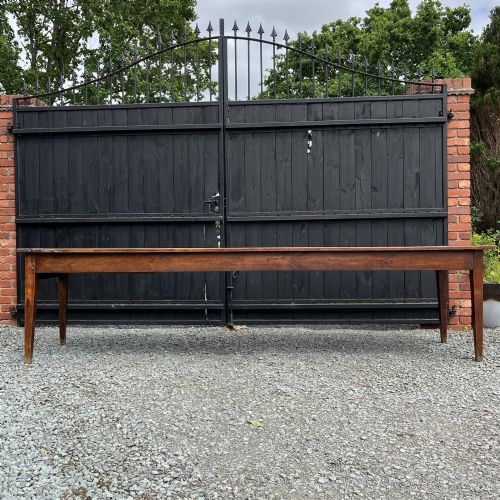
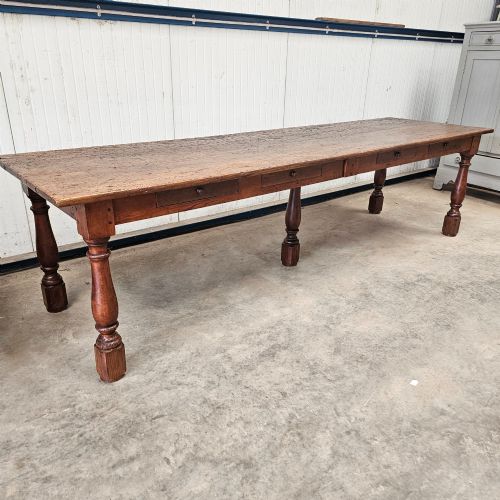
A vintage provincial refectory table anchors a room with honest construction, offering robust timber surfaces shaped by generations of daily domestic use.
Vintage Provincial Refectory Table
When you search for a vintage provincial refectory table, you encounter substantial dining furniture built primarily for communal meals in European country kitchens and monastic spaces. These pieces span the eighteenth century through to the early decades of the twentieth century, bringing utilitarian forms into modern domestic interiors.
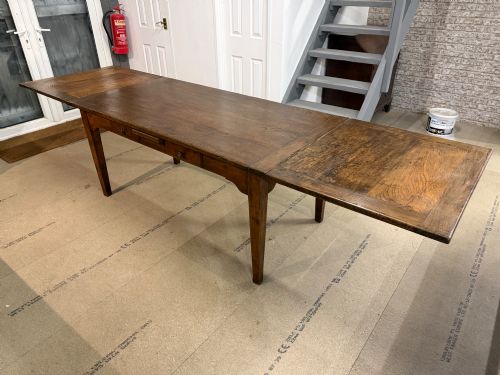
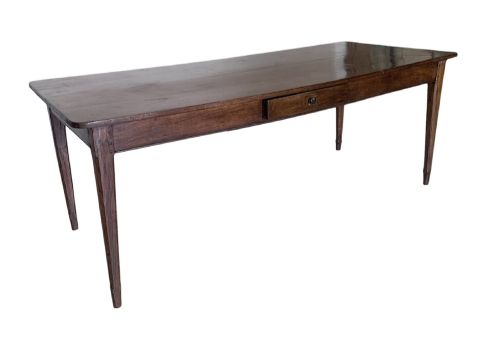
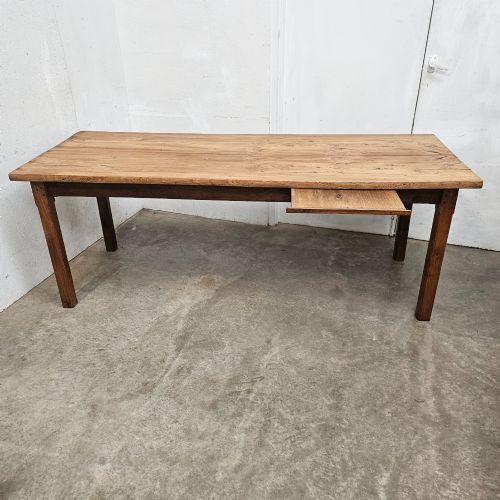
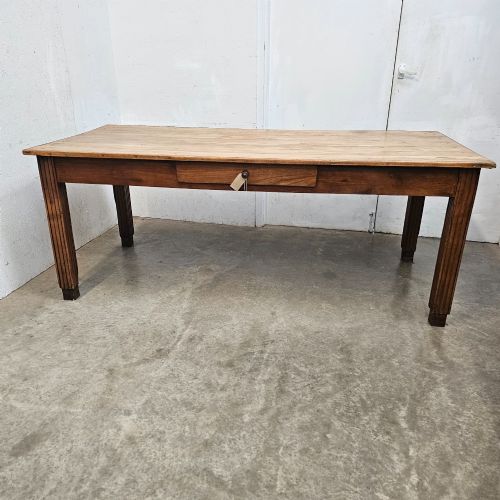
The selections available here lean heavily toward French provincial styles, including regional farmhouse tables and monastery tables. You will frequently find long rectangular formats, often equipped with practical additions such as bread slides, drawers or extending leaves designed for functional flexibility.
Materials and construction methods
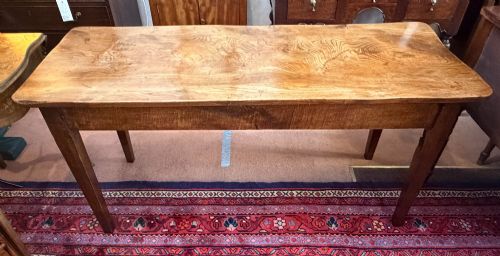
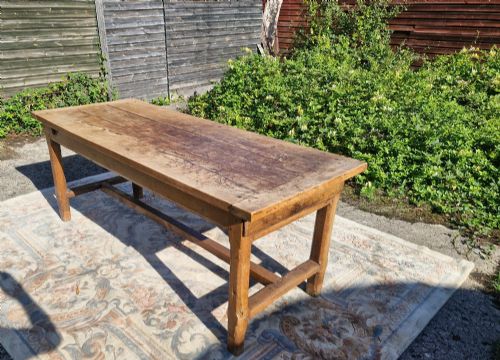
Cabinet makers relied on durable domestic hardwoods and softwoods sourced locally, utilising solid oak, fruitwood, cherrywood, elm, chestnut and pine. Tops are constructed from single planks, two-board assemblies or parquetry arrangements, supported by sturdy framing and traditional joinery.
Tables frequently exhibit working mechanisms like double draw leaves or extending slide frames. Surface finishes range from raw, bleached pine and oak to warm polished cherry and fruitwood that display natural grain movement and age-related patination.
Differentiating quality across examples
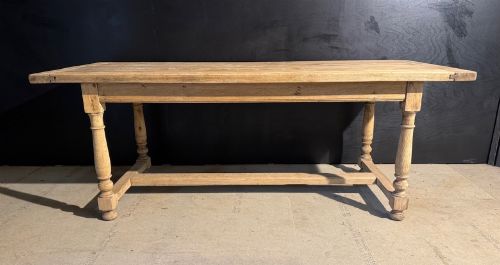
The proportion of the base relative to the top dictates visual success. Refined leg turning, subtle carving on skirts, and smoothly functioning mechanical extensions distinguish master workshop output from basic regional carpentry.
The Vintage Provincial Refectory Table Glossary
- Refectory table
- A long dining table traditionally utilised for communal dining in monasteries or large country houses. They provide generous seating capacity along both flanks.
- Bread slide
- A pull-out shelf housed beneath the table top, historically used for slicing bread or cooling loaves. It adds functional depth to provincial kitchen tables.
- Draw leaf table
- A dining table featuring concealed leaves beneath the main top that pull out to extend the surface length. This mechanism allows rapid adjustment for larger gatherings.
- Parquetry
- Geometric wood inlay work arranged in patterns across the table top. This technique demonstrates elevated decorative joinery in provincial furniture.
Vintage Provincial Refectory Table: Frequently Asked Questions
How do I clean a wooden farmhouse table?
Wipe surfaces down using a damp cloth without harsh chemical detergents. Regular application of natural beeswax nourishes the timber and preserves the historical patina.
Avoid placing timber furniture directly against heat sources or in intense sunlight. Consistent indoor temperatures prevent the solid wood boards from splitting.
What is a bread slide used for?
Bread slides functioned historically as auxiliary work surfaces for food preparation in busy provincial kitchens. They pull out smoothly from beneath the main table top.
Modern owners utilise these sliding extensions to hold condiments or provide extra space during large meals. They remain a key indicator of traditional kitchen table design.
How do I date an antique refectory table?
Examine the underside and joints for hand-cut tool marks, pegged joinery, and timber shrinkage patterns. Eighteenth-century and nineteenth-century examples display construction methods distinct from later mass production.
Hardware components, such as hand-forged drawer pulls or wooden runners, offer further clues regarding age. Comparing the wood species and wear patterns against documented regional styles confirms the period.
Can I use a refectory table daily?
These tables were originally engineered for heavy domestic service and withstand regular family meals easily. The sturdy timber construction handles everyday activity without structural strain.
Using placemats and coasters protects the aged finish from moisture rings and thermal shock. Embracing minor surface marks ensures the table retains its authentic character.