
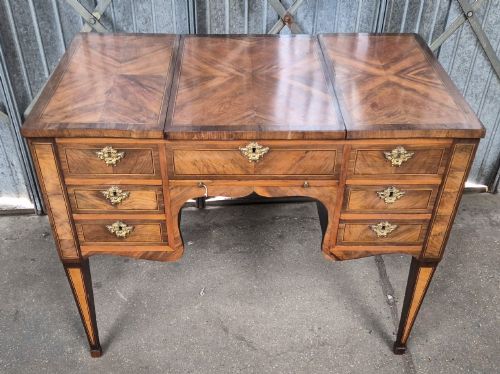

Antique Powder Table
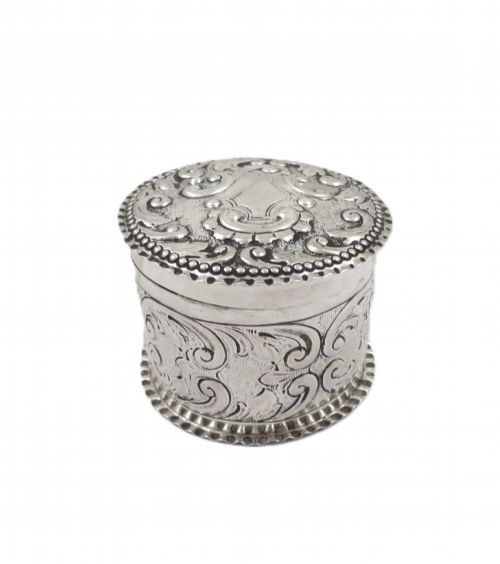
An antique powder table or associated dressing vessel brings tangible craftsmanship to the morning routine through decorated glass, ceramic, and precious metal containers.
Antique Powder Table
When searching for an antique powder table, buyers encounter related vanity furnishings, ceramic powder boxes, and dressing table jars from periods spanning the Georgian era through the Art Deco epoch.
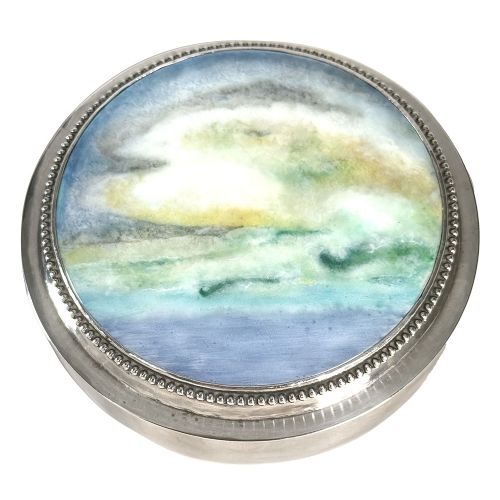
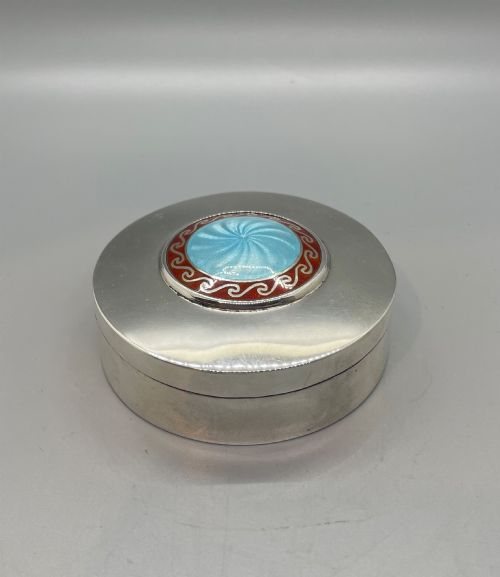
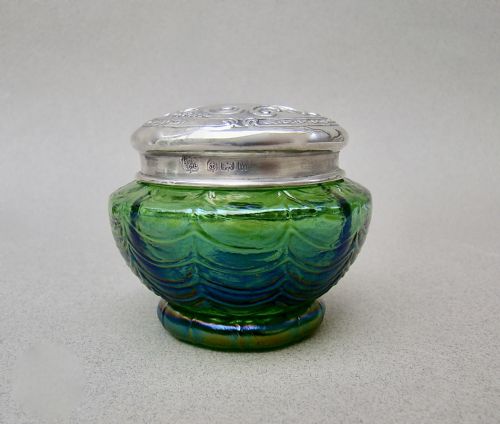
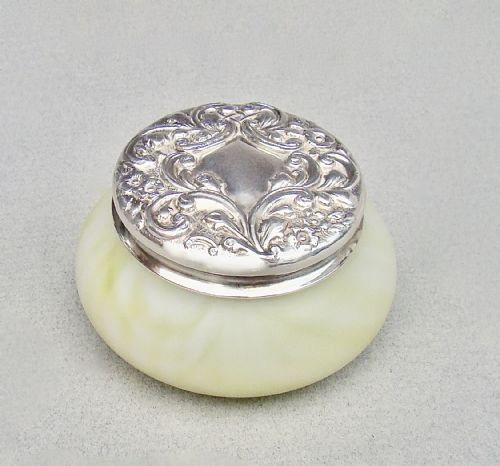
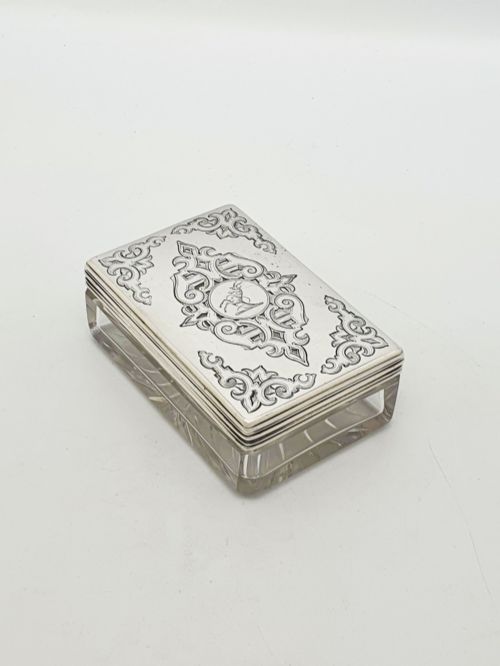
The objects most frequently met on this page include sterling silver-lidded glass jars, enamel-decorated powder boxes, and porcelain containers produced during the Edwardian and George V periods.
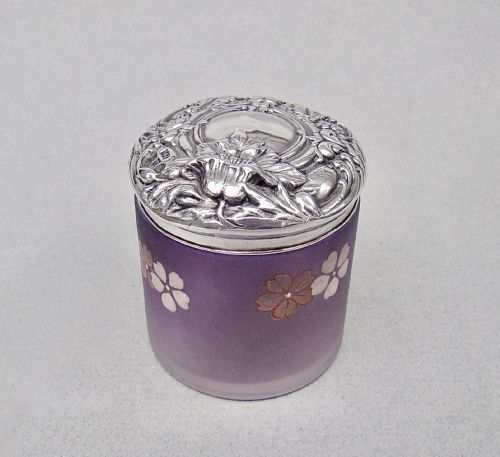
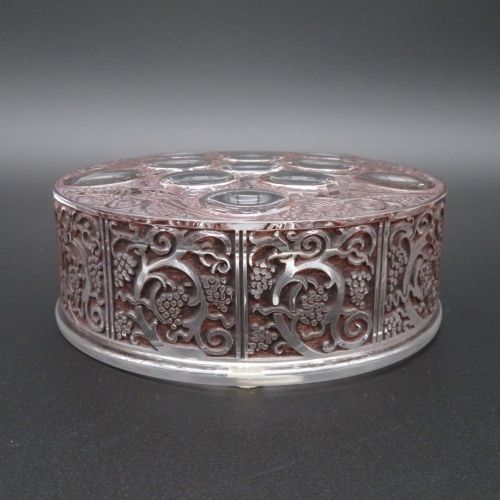
These vessels range from French nineteenth-century coloured glass jars to British silver and cut-glass boxes utilised for cosmetics and dressing table storage.
Materials and construction methods
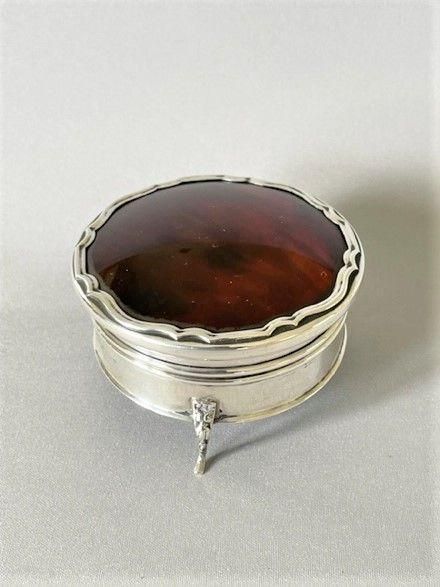
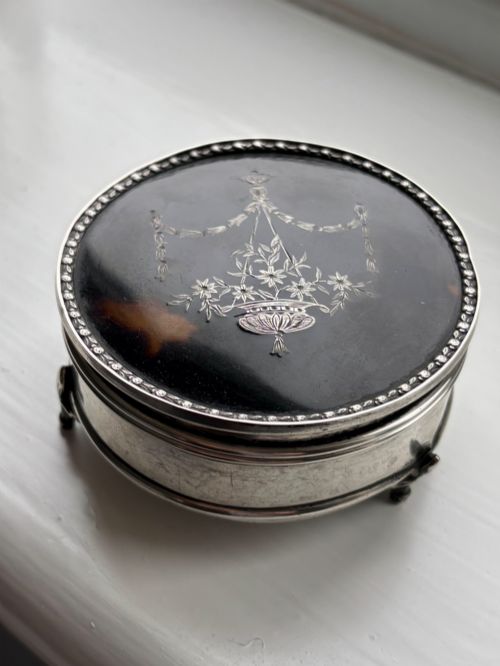
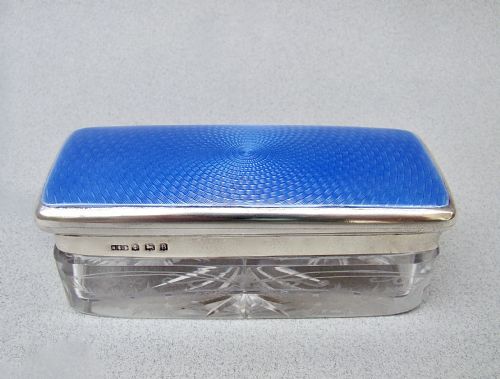
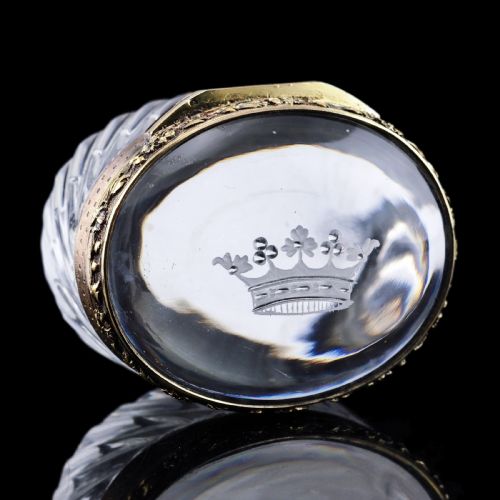
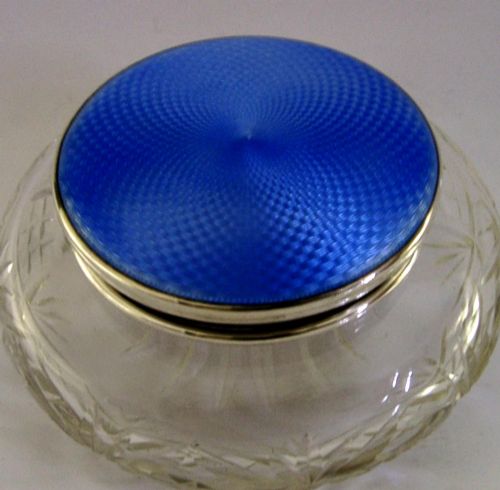
The pieces combine sterling silver, gold, or silver-gilt mounts with blown, cut, or frosted glass bodies, frequently incorporating guilloché enamel or faux tortoiseshell panels.
Makers utilised techniques such as silver hallmarking, hand-etched glass ornamentation, and intricate pique work to secure metal mounts directly onto ceramic or glass receptacles.
Listings incorporate materials spanning sterling silver, cut glass, porcelain, enamel, horn, and tortoiseshell across the Georgian, Victorian, and Art Deco periods.
Distinctions in quality
Superior examples display crisp hallmarks from recognised makers alongside heavy-gauge sterling silver mounts and flawless enamel work free from chipping or restoration.
The refinement of the glass cutting, the weight of the crystal, and the integration of specialised materials like tortoiseshell or carved mother-of-pearl separate standard containers from finer productions.
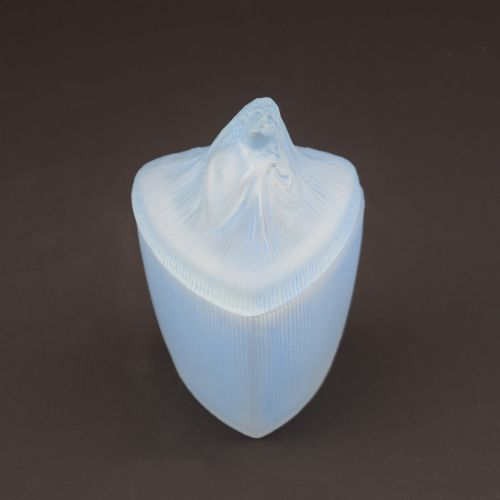
A. J. Pepper & Co·Ollivant & Botsford·Henry Clifford Davis·A. Bromet & Co·Paul Storr·Rene Lalique·Asprey & Co·Elkington & Co·Hasset & Harper·Posen·Henry Williamson Ltd·Cartier London·Fasold & Stuach
The Antique Powder Table Glossary
- Guilloché enamel
- A decorative technique where an intricate geometric pattern is engine-turned into a metal substrate before being covered with translucent coloured enamel.
- Sterling silver
- An alloy consisting of ninety-two point five percent silver and seven point five percent other metals, traditionally indicated by standard hallmarks.
- Silver-gilt
- Silver that has been coated with a thin layer of gold on its exterior surface.
- Piqué work
- The detailed insertion of tiny gold or silver pins and strips into tortoiseshell or ivory to form geometric or floral motifs.
- Kralik glass
- Art glass produced by the Bohemian factory known for organic forms and iridescent finishes during the early twentieth century.
Antique Powder Table: Frequently Asked Questions
How were antique powder jars used?
These vessels held loose face powder, scented talc, or cosmetic pastes upon dressing tables and washstands in private bedchambers.
Ladies utilised them during daily grooming routines before they were sealed with fitted lids to keep the contents clean.
How do I date a silver mounted jar?
British pieces carry assay office marks, date letters, and maker stamps directly on the sterling silver rims or hinged mounts.
Matching these stamped symbols against official hallmarking records provides the exact year of manufacture.
Are glass powder boxes fragile?
The thick cut glass and pressed crystal utilised in Edwardian and Art Deco jars offer substantial durability for everyday display.
Care must still be taken with delicate enamel panels and fitted glass lids during handling.