

Antique Potteries Sculpture
These antique potteries sculpture pieces span global traditions from ancient tomb figures to Victorian Staffordshire dogs, offering tactile charm for collectors.
Antique Potteries Sculpture
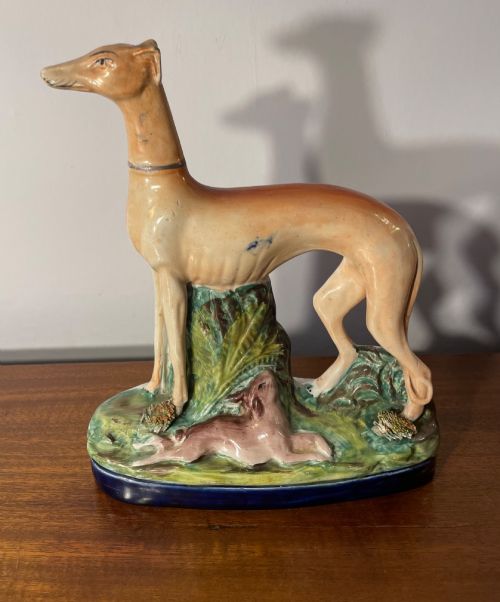
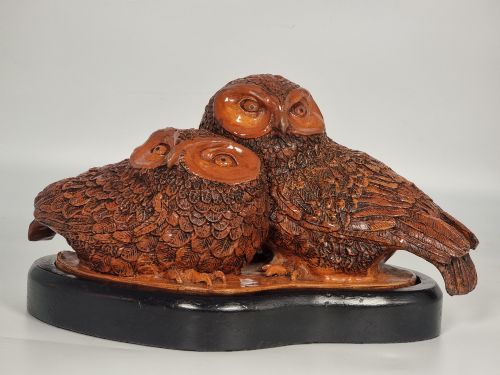
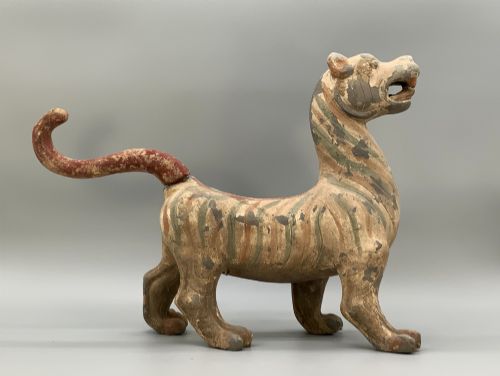
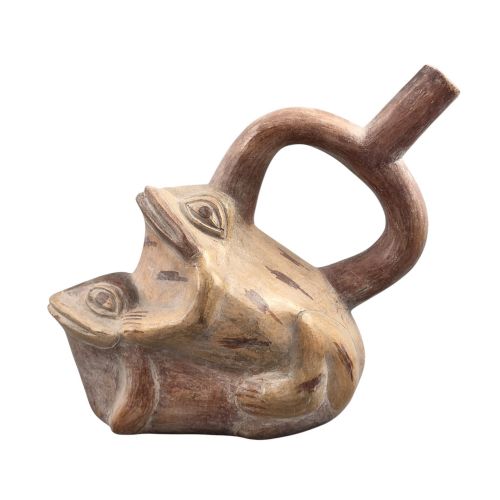
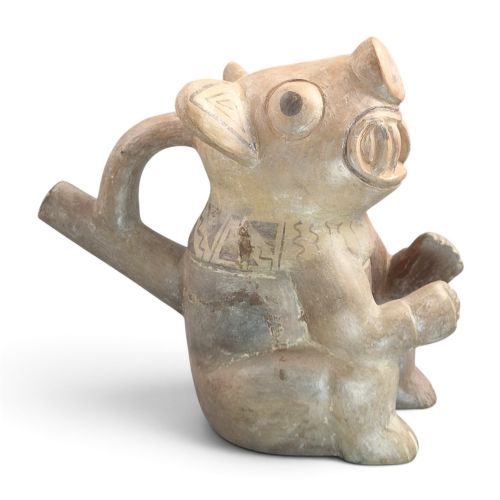
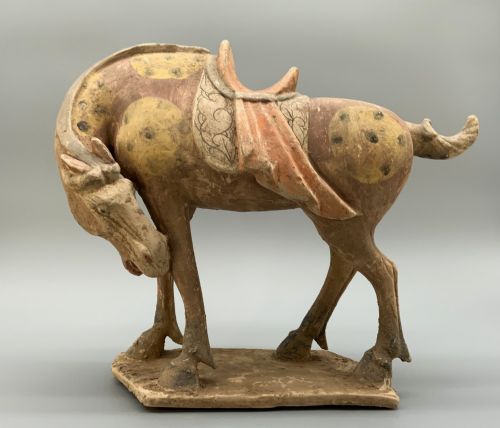
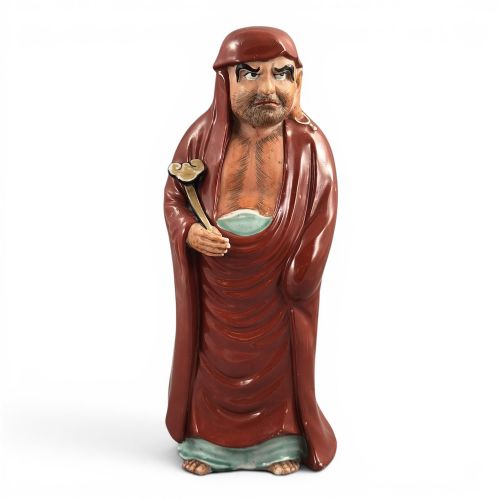
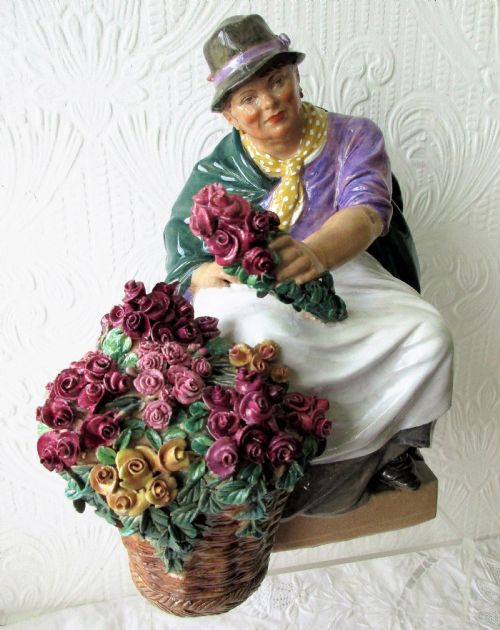
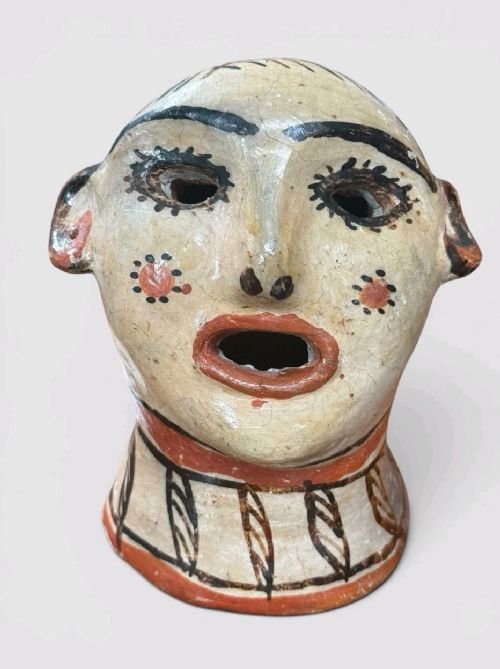
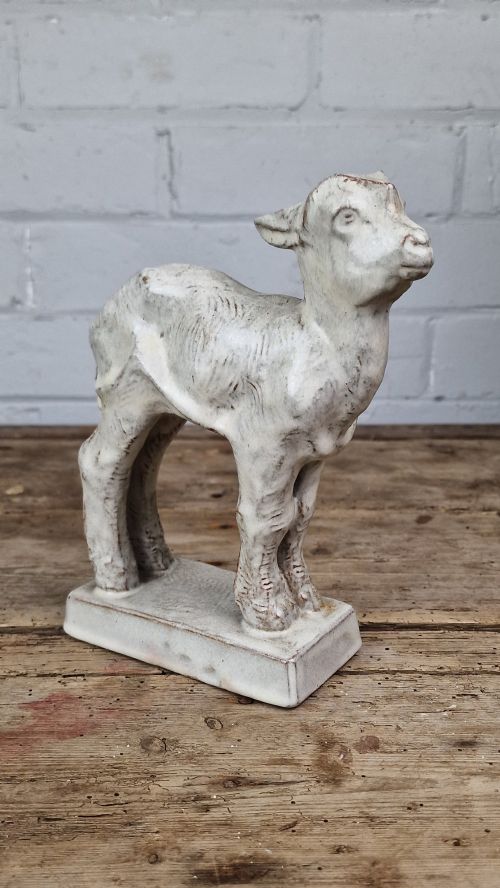
When you search for antique potteries sculpture, you encounter a diverse range of figures, animals, and decorative objects modelled in clay, earthenware, and porcelain. The selection bridges centuries of craftsmanship, taking in Chinese Han and Tang dynasty tomb figures alongside European studio pottery and Staffordshire animal models.
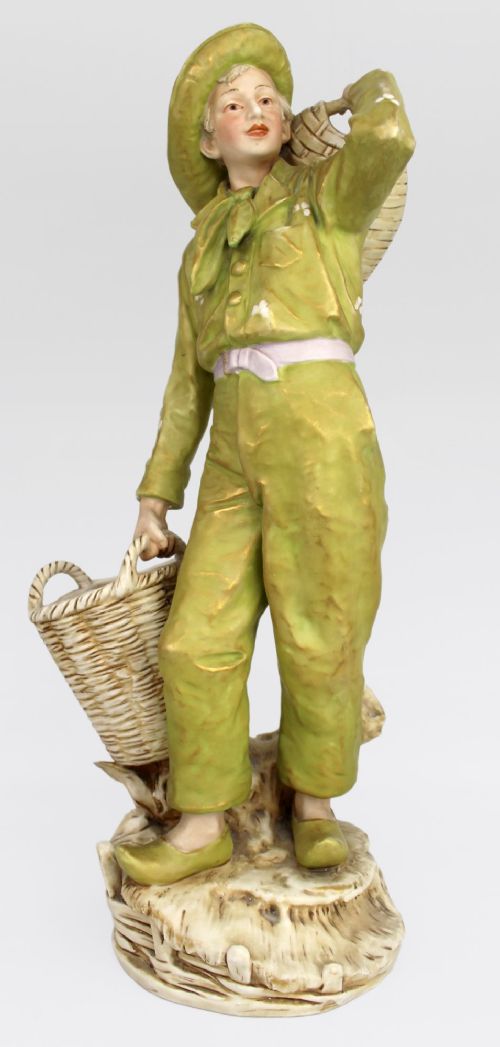
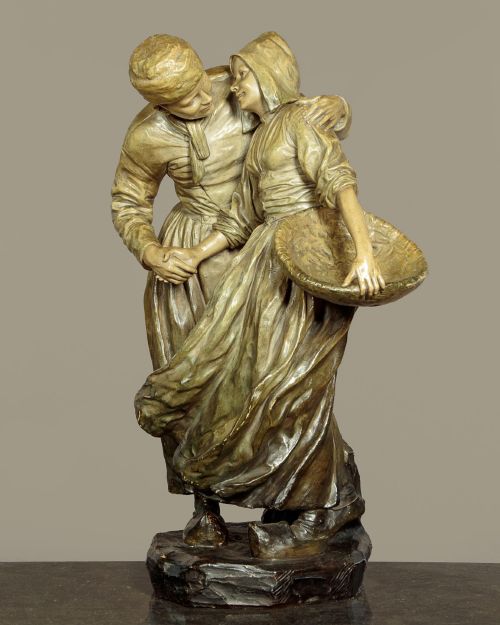
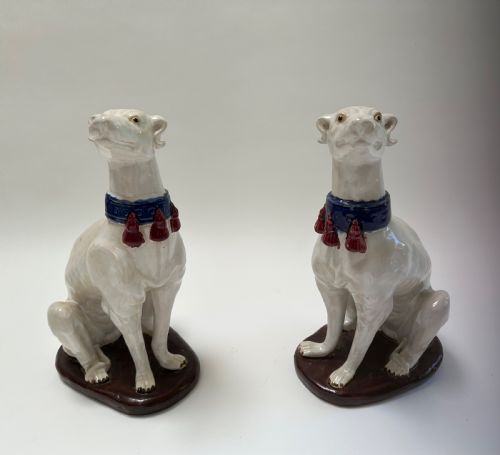
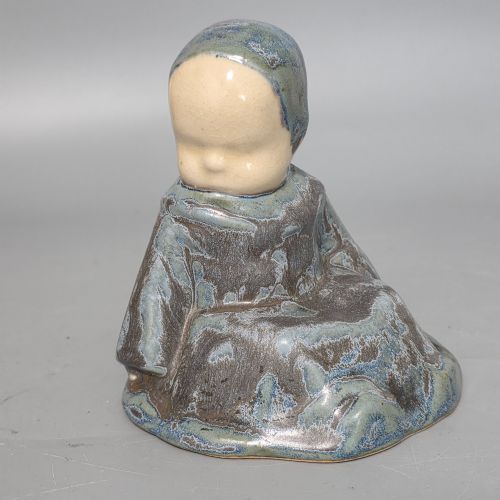
You are most likely to meet 19th-century and early 20th-century European figures, including Art Nouveau terracotta studies and English pottery dogs. Alongside these sit Asian ceramics like Japanese Satsuma okimono and Chinese glazed pottery figures, reflecting centuries of kiln traditions.
Materials and production methods
The pieces rely on earthen materials such as terracotta, stoneware, and earthenware, shaped by hand or pressed into moulds before firing. Artisans then applied glazes, enamels, and occasionally gold leaf to surface details to enhance texture and colour.
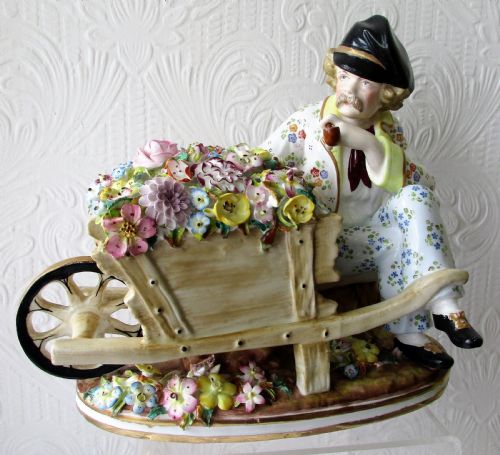
Techniques varied from the unglazed painted terracotta of ancient Chinese mingqi to the rich sancai glazes of the Tang dynasty and the glossy polychrome finishes of Victorian pearlware and studio ceramics.
Among the menagerie of ceramic creatures, French roof-tile cats and Staffordshire parrots keep a watchful eye on proceedings.
Distinctions in quality
Quality rests in the crispness of the modelling and the expression captured in the clay, distinguishing masterworks from mass-produced wares. A sensitively modelled face or fluid drapery denotes a higher grade of sculpture.
The application of glaze and enamel also dictates standing, where controlled colour flow and subtle pigment shading elevate a piece far above flat, hastily painted surfaces.
Charles Vyse·Berthe Savigny·Goldscheider·Royal Dux Bohemia·Makuzu Kozan II
The Antique Potteries Sculpture Glossary
- Terracotta
- A porous earthenware body fired in a kiln, left unglazed or painted, widely used across ancient and European figures. This material underpins many folk art and classical sculptures.
- Sancai
- A three-colour glaze tradition associated with Tang dynasty pottery, typically combining amber, green, and cream tones. These vibrant mineral coatings run naturally down the body during firing.
- Okimono
- A Japanese term for a freestanding decorative figurine or sculpture made for display. These objects showcase intricate carving and modelling in ceramic or porcelain.
- Pearlware
- A refined earthenware developed in the late 18th century featuring a bluish-white glaze that pooled in recesses. It provided a smoother surface for bright enamel painting.
- Mingqi
- Ancient Chinese spirit goods and burial figures placed in tombs to accompany the deceased. These terracotta and pottery sculptures depict animals, guardians, and dancers.
Antique Potteries Sculpture: Frequently Asked Questions
How do I identify a Tang dynasty figure?
Examine the clay body for appropriate ageing and look for characteristic sancai lead glazes in amber, green, and cream.
Compare the forms against known museum examples of court attendants, horses, and mythical beasts from early Chinese kilns.
Were Staffordshire figures meant for display?
Staffordshire pottery figures like dogs and historical groups were produced as affordable mantelpiece ornaments for Victorian homes.
They brought colour and domestic companionship to middle-class parlours across nineteenth-century Britain.
What is an okimono?
An okimono is a traditional Japanese freestanding sculpture designed for display in a domestic interior setting.
These pieces often depict figures, deities, or animals modelled in porcelain or earthenware with fine detail.
How should I clean ceramic sculptures?
Dust ceramic and terracotta sculptures gently with a soft, dry brush to prevent dirt accumulation in crevices.
Avoid using water or liquid cleaners, particularly on unglazed earthenware or painted enamel surfaces.