


Antique Porcelain Twin Handles
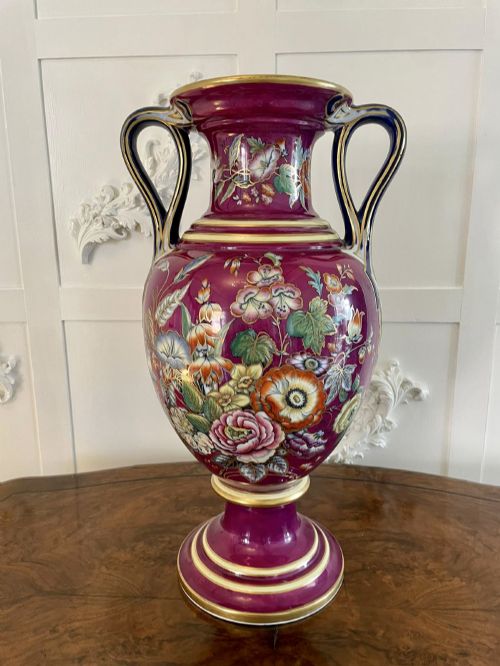
Antique porcelain twin handles bring tactile symmetry and painterly grace to a room, featuring vessels designed with pairs of lateral grips.
Antique Porcelain Twin Handles
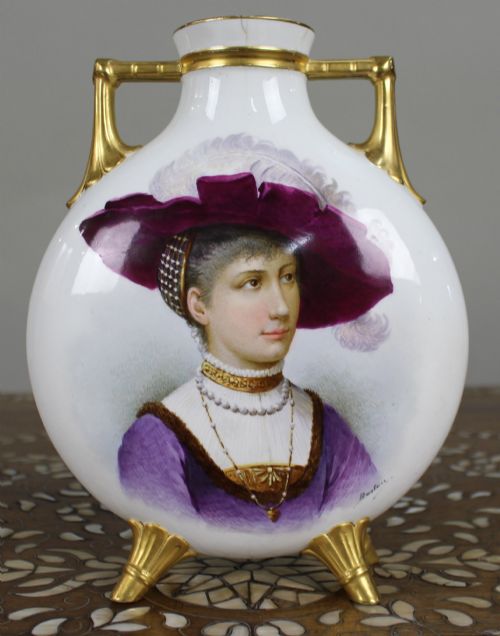
When you search for antique porcelain twin handles, you encounter vessels defined by dual lateral grips, ranging from slender urns to robust moon flasks and serving dishes.
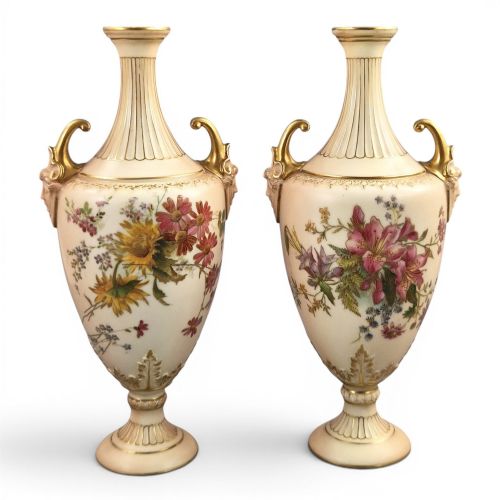
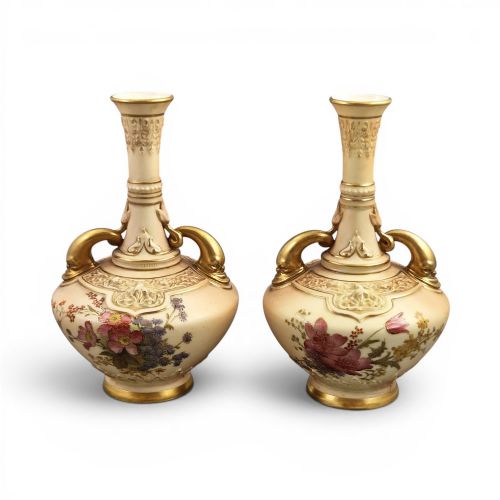
The pieces on this page span several centuries, with nineteenth-century examples and Edwardian blush ivory creations appearing most frequently among the selections.
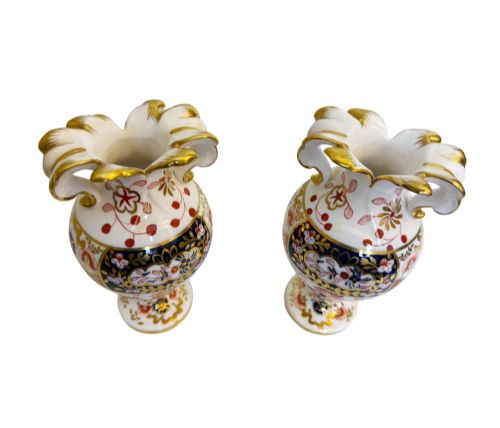
Makers utilised porcelain, bone china, and ironstone as the primary bodies, shaped into decorative vases, table lamps, and cabinet cups.
Materials and methods of construction
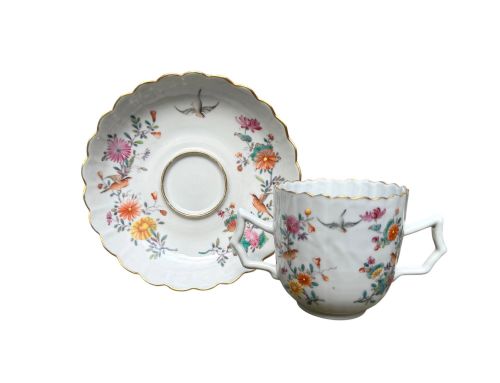
Craftsmen shaped fine porcelain and bone china bodies before applying hand-painted floral motifs, birds, and landscapes using enamel colours.
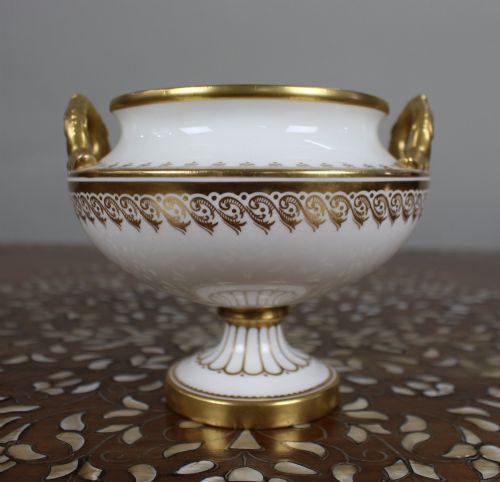
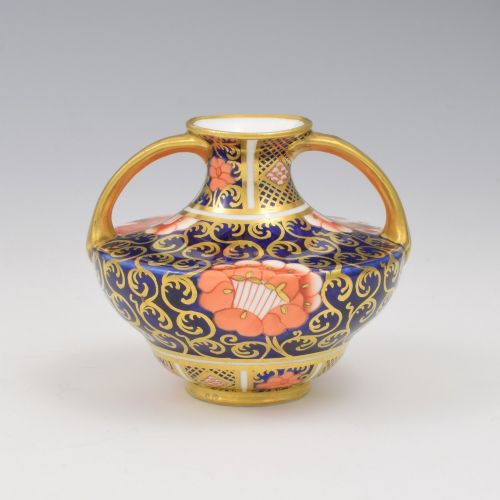
Gilt, gold leaf, and raised white enamel embellishments were meticulously added to handles, rims, and borders to accentuate the contours of each vessel.
Listings feature pieces from the eighteenth, nineteenth, and twentieth centuries, utilising porcelain, earthenware, and bone china.
Determining quality in twin-handled ceramics
Quality rests upon the crispness of the porcelain moulding and the skill evident in the hand-painted decoration, such as detailed bird studies or botanical scenes by named artists.
The finesse of the gilding and the secure integration of the twin handles into the overall architectural form distinguish superior pieces from standard production.
Royal Crown Derby·Royal Worcester·Spode·Minton·Coalport·Hadley's Worcester·Alexandra Porcelain Works Ernst Wahliss
The Antique Porcelain Twin Handles Glossary
- Porcelain
- A hard, white ceramic material fired at high temperatures, known for its translucence and strength. It forms the base body for the majority of these vessels.
- Bone china
- A type of porcelain incorporating bone ash, yielding a warm white tone and high durability. It allows for thinner walls in delicate cups and vases.
- Gilt
- A thin layer of gold applied to the surface of the porcelain. It highlights handles, collars, and decorative borders.
- Moon flask
- A flattened circular flask resting on a base, fitted with twin handles connecting the neck to the body. This form draws on ancient ceramic traditions.
- Blush ivory
- A soft cream-coloured ceramic ground popularised by English potteries, often decorated with tinted floral designs. It provides a muted backdrop for hand-painted subjects.
Antique Porcelain Twin Handles: Frequently Asked Questions
What were twin handled porcelain vessels used for?
These pieces served both decorative and functional roles in historic interiors, functioning as grand mantelpiece urns, table lamps, or vessels for serving and display.
Smaller examples, such as chocolate cups and loving cups, were designed for intimate dining or communal toasts during the eighteenth and nineteenth centuries.
How do I care for antique porcelain?
Wash porcelain gently by hand using lukewarm water and mild soap, avoiding harsh scrubbing that can damage delicate enamel and gold leaf.
Keep pieces away from direct sunlight and dramatic temperature changes to protect the glaze and prevent stress on the ceramic body.
How do I distinguish eighteenth-century pieces from Victorian ones?
Eighteenth-century items often exhibit hand-potted bodies and specific palette styles, such as famille rose or early Derby enamels.
Victorian and later pieces frequently incorporate industrial advancements, such as more uniform porcelain bodies, vibrant gilt applications, and distinct factory stamps.
Where were most of these pieces manufactured?
The selection includes prominent English factories such as Royal Worcester, Spode, and Derby, alongside continental European workshops and Asian export wares.
Each region brought distinct clay bodies, glazing techniques, and artistic styles to the production of twin-handled forms.