


Vintage Porcelain Display Vases
These vintage porcelain display vases bring together diverse global traditions, offering ornamental focal points for a room.
Vintage Porcelain Display Vases
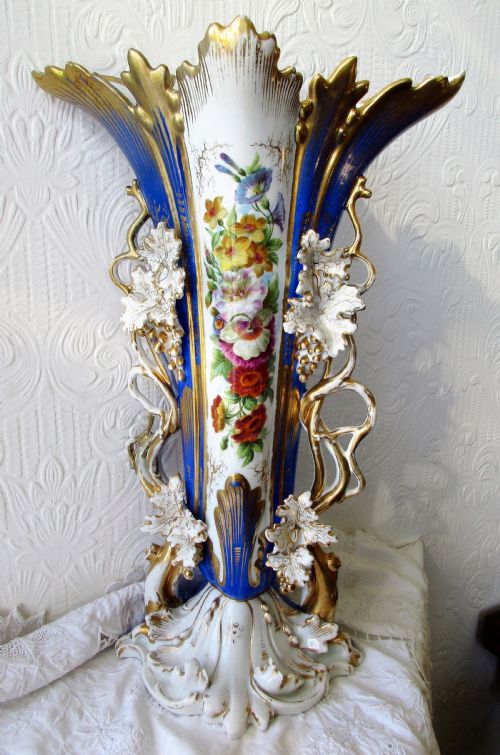
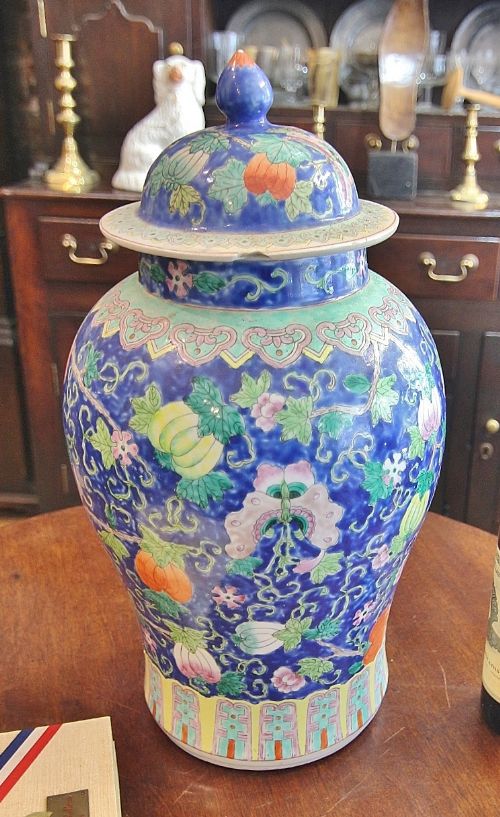
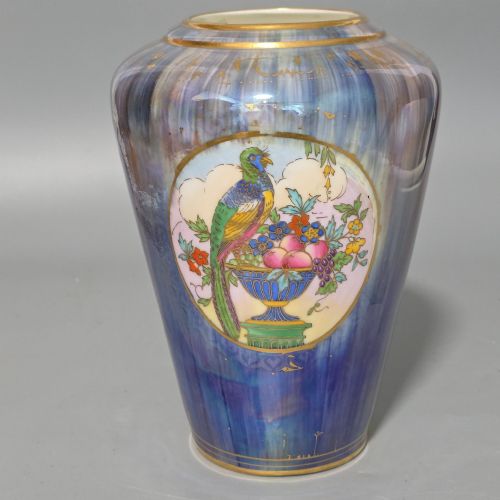
Vintage porcelain display vases encompass ornamental vessels created for visual impact rather than utilitarian use, spanning European manufactories and Asian traditions. When exploring vintage porcelain display vases, buyers encounter forms ranging from diminutive cabinet pieces to large floor-standing containers.
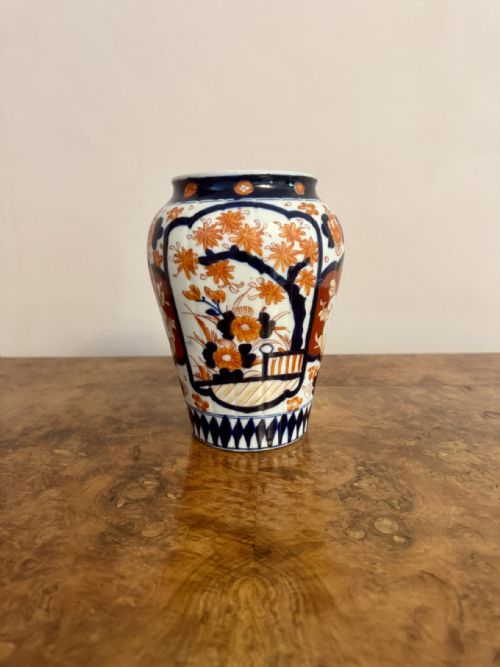
The selection includes English works from the Regency and later periods alongside Japanese export wares and Chinese productions. These decorative objects display distinct regional styles, including Victorian Neoclassical designs and Meiji period Satsuma ware.
Makers represented in these offerings include historic English potteries like Royal Worcester, alongside continental factories such as Royal Vienna. Forms vary from single decorative vases and urns to matched pairs and larger collections.
How they were made
Production relies on refined ceramic bodies shaped by hand or mould, fired at high temperatures to achieve vitrification. Artisans applied coloured glazes and enamel painting before secondary firings to fuse the decoration.
Surface ornamentation frequently incorporates gold leaf, gilt, and gilding to highlight painted scenes and patterned borders. Some variations utilise opaque glass or earthenware structures finished with intricate hand-painted detail.
Listings feature porcelain, earthenware, and opaque glass enhanced with enamel, gold leaf, and gilt across multiple historic periods.
What varies in quality
Execution of hand painting dictates the primary distinction between standard production and superior examples, particularly in figurative and landscape details. Crispness of enamelling and precision in gilt application reflect the skill of the original decorators.
Scale and ambition of the piece influence standing, with large floor-standing vessels and detailed miniature works demonstrating different technical demands. The integrity of the glaze and the preservation of surface gilding determine the overall visual retention of the object.
Royal Worcester·Royal Vienna·Minton·Wedgewood
The Vintage Porcelain Display Vases Glossary
- Imari
- A style of Japanese porcelain featuring a distinct palette of underglaze blue and iron red, often enriched with gold. This aesthetic heavily influenced European ceramic production during the nineteenth century.
- Satsuma
- A type of Japanese earthenware featuring a ivory-coloured, crackle-glaze surface decorated with fine polychrome enamels and gilt. It became highly popular for export during the Meiji period.
- Gilt
- A thin layer of gold applied to the surface of porcelain to accentuate handles, rims, and decorative panels. This technique adds reflective contrast to the fired ceramic body.
- Enamel
- Opaque or translucent glass-like material fused to the ceramic surface through firing to create colourful painted designs. It provides vibrant hues that stand out against white or coloured glazes.
- Regency
- A British architectural and decorative period dating from the early nineteenth century, characterised by classical restraint and refined ornamentation. Pieces from this era often employ neoclassical motifs.
Vintage Porcelain Display Vases: Frequently Asked Questions
Where should I display large floor vases?
Large vessels function best in reception spaces, hallways, or corners where they command attention without obstructing movement. Placing them on stable, level surfaces ensures safety for fragile ceramic bodies.
Pairing them with neutral backgrounds allows intricate surface patterns and gilt details to stand out clearly.
How do I clean antique display vases?
Dusting with a soft, dry brush removes surface particles without risking delicate painted enamels or gold leaf. Avoid liquid cleaners unless strictly necessary, as moisture can damage unglazed areas or aged repairs.
Keep pieces away from direct sunlight to prevent the fading of hand-painted pigments over time.
Are these vases meant for flowers?
Display vases are primarily decorative objects designed for visual appreciation rather than holding water. Introducing moisture can seep through unglazed interiors or harm historical ceramic bodies.
Utilising them strictly for dry arrangements or as standalone sculptural items preserves their material condition.
How can I identify the period?
Maker marks, factory stamps, and painted signatures on the base offer the most reliable indicators of origin and date. Comparing stylistic motifs, such as Meiji period Satsuma or Victorian Neoclassical details, helps narrow down the era.
Evaluating the weight, glaze characteristics, and potting technique provides further context for dating the piece.