
Antique Porcelain Teacups
These antique porcelain teacups bring tactile history to the table, offering genuine period charm and hand-painted artistry for daily use or display.
Antique Porcelain Teacups
When searching for antique porcelain teacups, collectors look at fragile domestic vessels shaped for tea service across multiple centuries. The selection ranges from early tea bowls to matched cups and saucers.
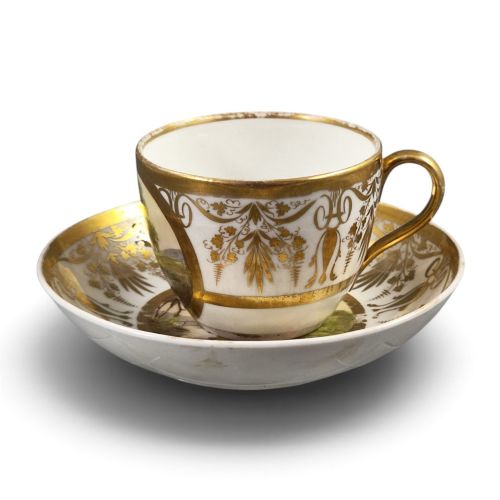
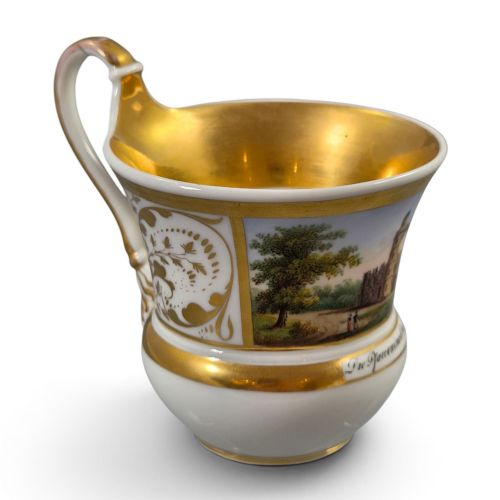
Most pieces met here belong to the nineteenth and eighteenth centuries, alongside Edwardian sets. Forms include pairs decorated with landscapes and hand-painted sets.
Origins span Georgian and Edwardian eras, reflecting changing domestic habits. Teacups and saucers dominate the listings alongside tea bowls and larger tea and coffee sets.
How they were made
Makers utilised porcelain and bone china as the primary base materials for these vessels. Firing these ceramic bodies required precise kiln temperatures to achieve vitrification.
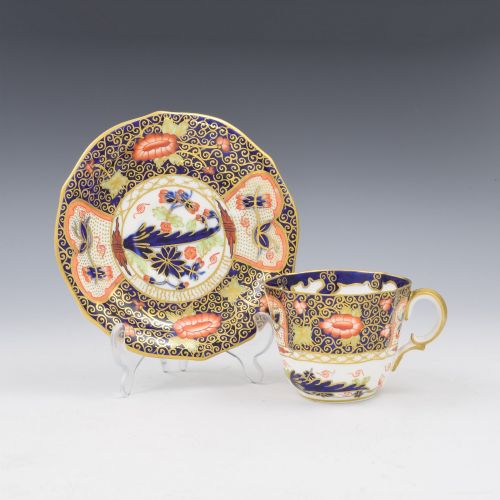
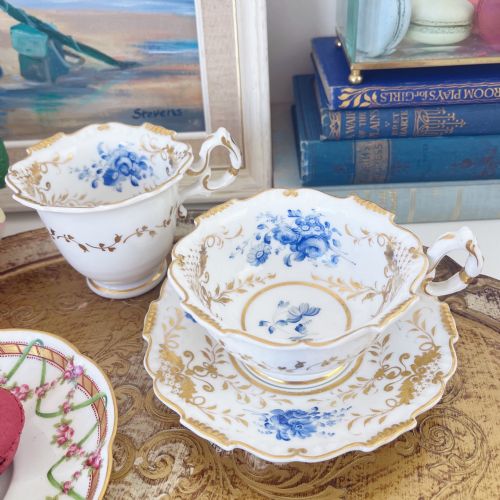
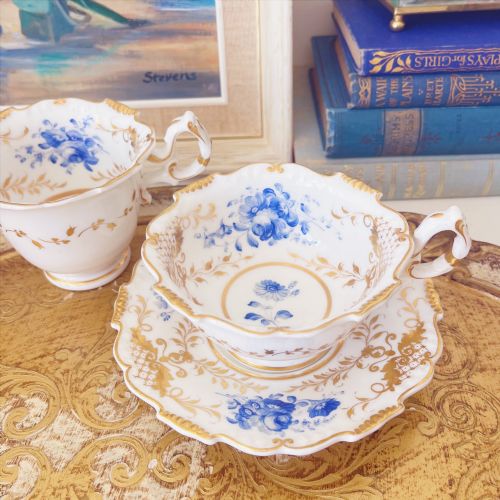
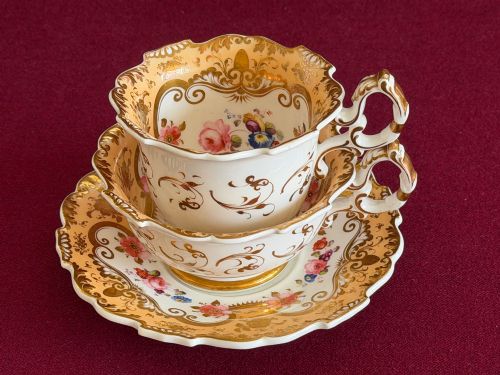
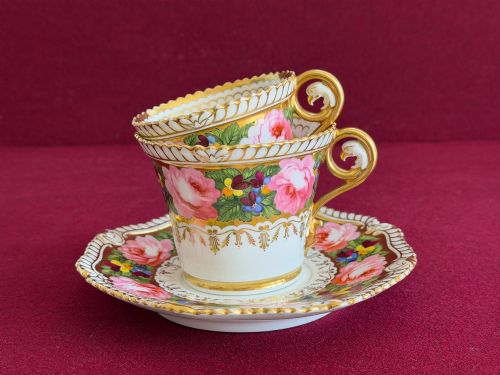
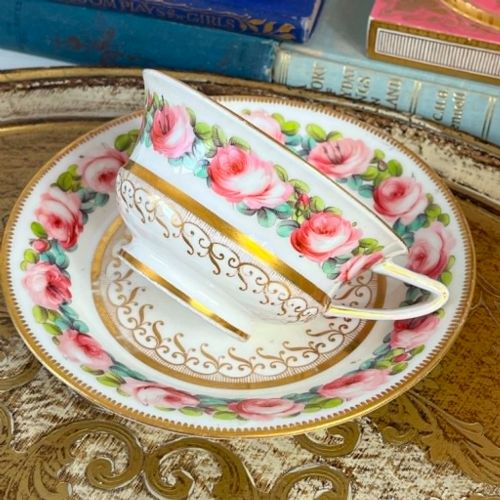
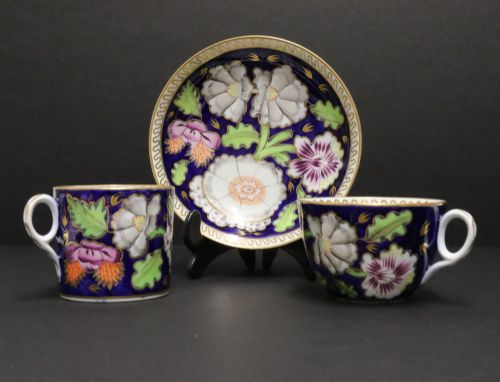
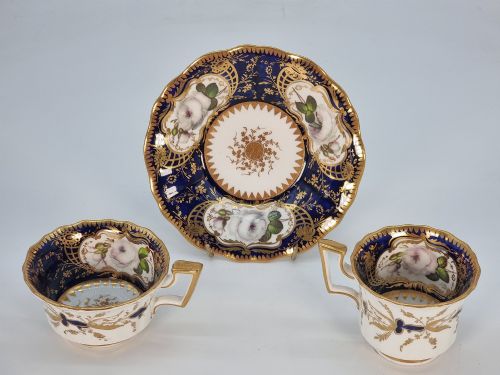
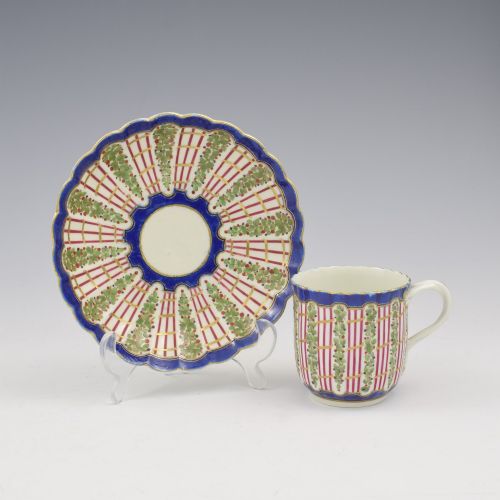
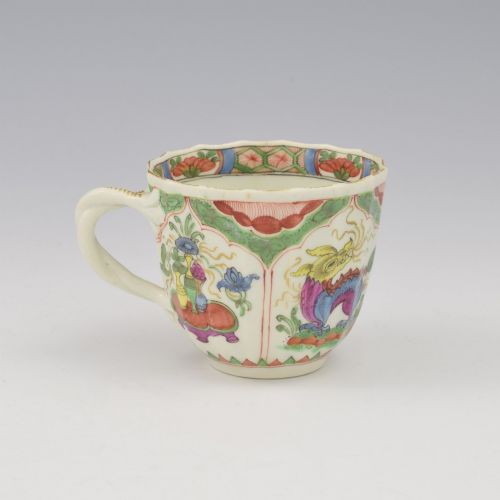
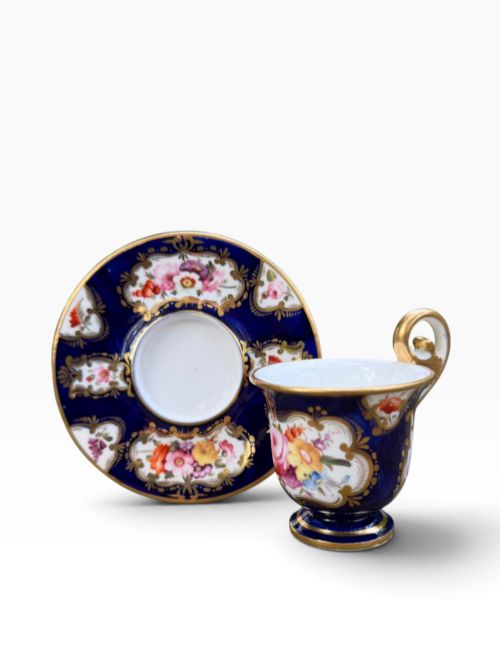
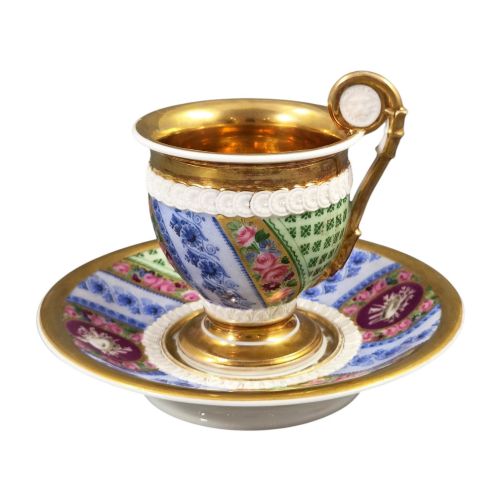
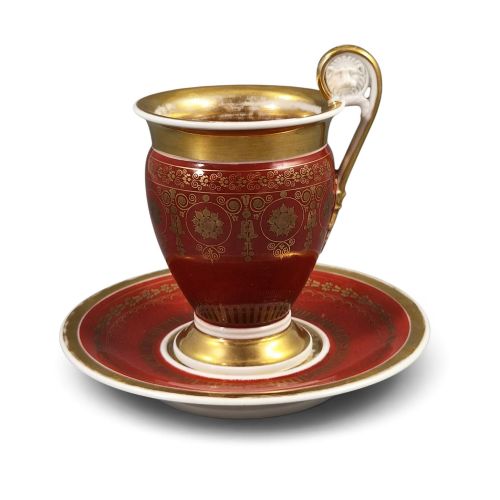
Decoration relied heavily on handpainting techniques applied directly to the glazed surface. Artisans added gold leaf, gold gilt, and simple gilt accents to enhance the rims and handles.
Antique Porcelain Teacups Retail Price Guide 2026
Typical asking prices for porcelain teacups among the pieces listed under this phrase on Sellingantiques today, from the lower quarter to the upper quarter. They describe what is for sale here now, not the wider market.
Some eighteenth-century drinkers poured their hot tea directly into saucers to cool it down faster.
What varies in quality
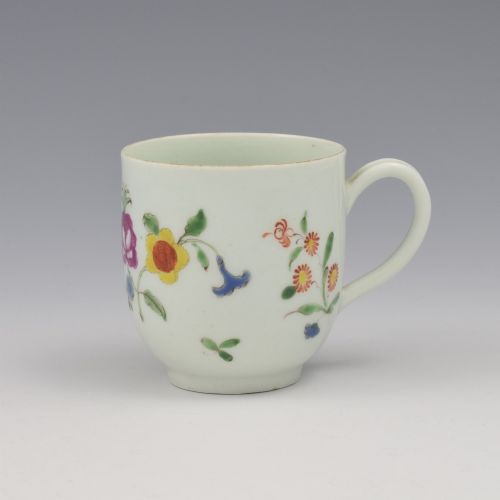
Superior examples display delicate potting combined with intricate, controlled handpainting. Lesser pieces show heavier ceramic bodies and simpler, repetitive transfer or brush work.
The application of gold leaf and gilding separates standard production from finer work. Crisp landscape details and steady hand-applied lines indicate superior workshop execution.
Royal Worcester
The Antique Porcelain Teacups Glossary
- Porcelain
- A hard, white ceramic material fired at high temperatures, prized for its translucency and strength. It forms the primary body of these teacups.
- Bone china
- A type of porcelain containing animal bone ash, creating a durable and milky-white body. It became a standard British manufacturing medium.
- Tea bowl
- A handleless cup used in early tea-drinking traditions before standard-handled teacups gained popularity. These pieces reflect eighteenth-century customs.
- Gilt
- A thin layer of gold applied to the surface of the ceramic for decoration. Gilding often highlights the rims and handles of finer teacups.
- Saucer
- A small shallow dish designed to hold a teacup. In earlier periods, drinkers occasionally poured tea into the saucer to cool it.
Antique Porcelain Teacups: Frequently Asked Questions
How do I date antique porcelain teacups?
Dating relies on stylistic clues, ceramic bodies, and any factory marks found on the base. Comparing the form to known eighteenth and nineteenth-century examples helps narrow the period.
Bone china and hard-paste porcelain also exhibit different weights and translucency under light. Hand-painted details often reflect the aesthetic trends of their specific decade of manufacture.
Are these teacups safe for drinking tea?
Many collectors use antique teacups carefully, though older glazes require gentle handling. Hand washing is essential to preserve fragile hand-painted surfaces and delicate gilding.
Sudden temperature changes can crack aged porcelain, so boiling water should be added with caution. Acidic beverages should not be left sitting in the cups for extended periods.
What is the difference between a tea bowl and a teacup?
Tea bowls lack handles and derive from early Chinese traditions imported to Britain. Drinkers held them in both hands to sip the hot liquid.
Standard teacups feature applied handles for single-handed grip, a design that emerged as European tea culture evolved during the eighteenth century.
How should I display antique teacups at home?
Displaying cups and saucers together securely requires stable shelving or dedicated cabinet space. Cabinets protect delicate porcelain from accidental knocks and dust accumulation.
Good lighting enhances the hand-painted landscapes and gilt details without exposing the pieces to direct, damaging sunlight.