
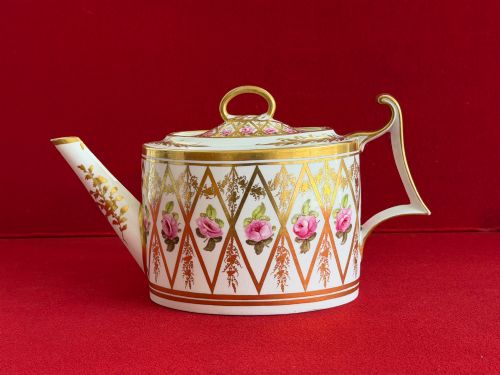
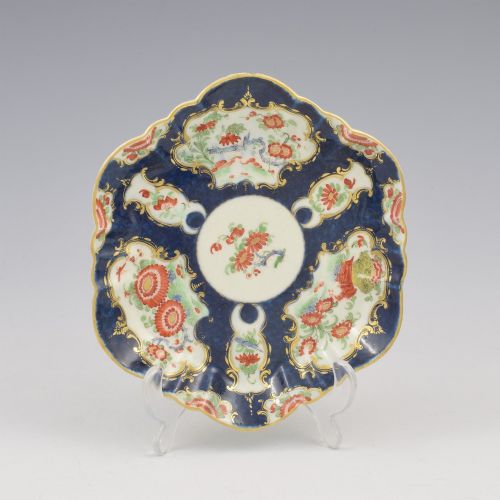
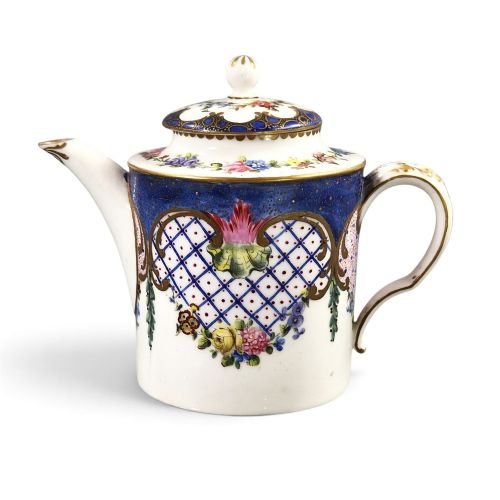
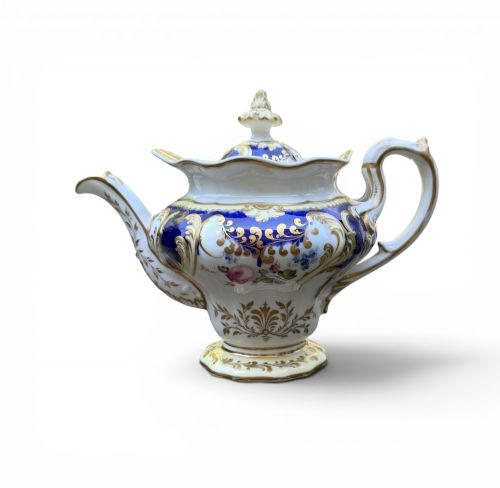



Gilded Ceramic Teapot
A gilded ceramic teapot brings the warmth of porcelain and the glint of gold leaf directly to the table.
Gilded Ceramic Teapot
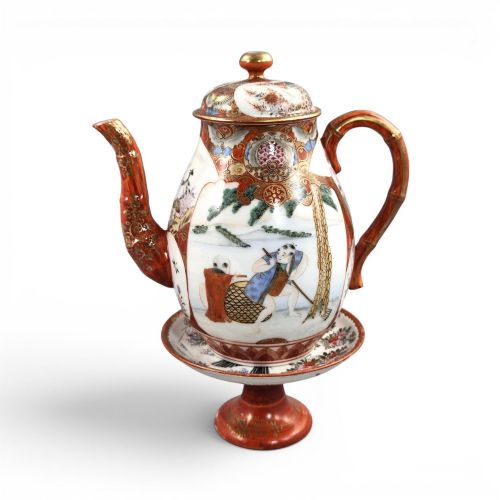
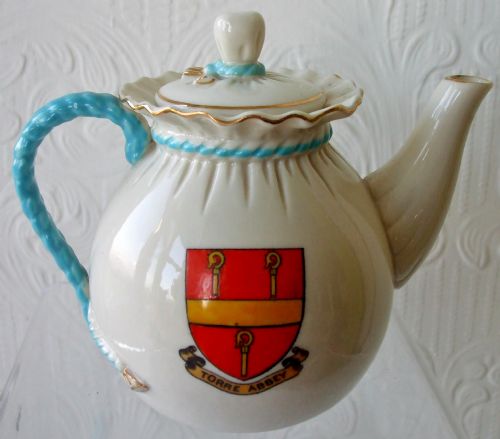
A gilded ceramic teapot unites fine porcelain, bone china, or ironstone with applied gold leaf and enamel decoration. These vessels range from intimate miniature solitaire sets to large breakfast services designed for the Victorian and Georgian table.
The versions most commonly met span the eighteenth and nineteenth centuries, taking forms from traditional English shapes to Louis XV and Rococo Revival styles. Makers from Worcester, Derby, and Sèvres shaped these pieces during periods when tea drinking was a central social ritual.
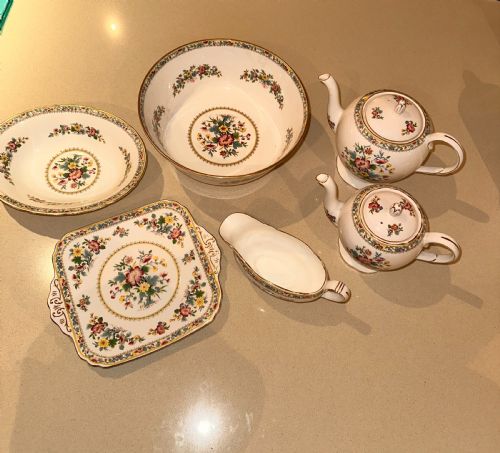
Beyond standard teapots, the selection includes related forms such as teapot stands, tea services, and decorative ewers. Each piece demonstrates the enduring appeal of combining ceramic bodies with meticulous hand-painted gilding.
How they were made
Potters formed these vessels using soft-paste porcelain, bone china, and ironstone, shaping them into standard teapots or octagonal bodies. Skilled hands then applied detailed hand-painted scenes, floral motifs, and patterns in enamel.
Gilding completed the process, using gold leaf applied to the surface to highlight spouts, handles, and borders. Firing in kilns set the glazes and fixed the metallic leaf permanently to the ceramic body.
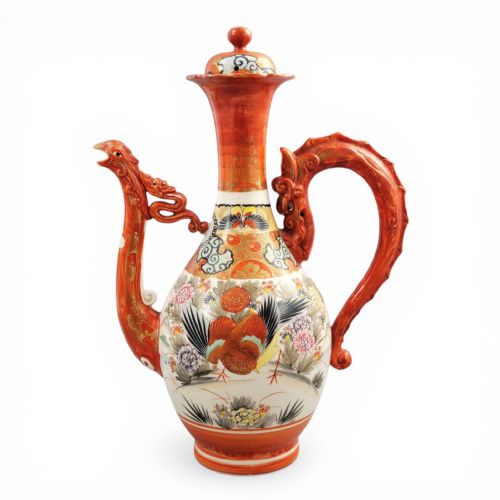
A dragon ewer meets a phoenix spout in nineteenth-century Japanese Kutani ware, proving mythical creatures make excellent tea companions.
What varies in quality
The refinement of the ceramic body and the precision of the hand-painting set individual pieces apart. Early soft-paste porcelain and delicate bone china represent a higher degree of potting skill than standard ironstone.
The execution of the gilding also defines the tier of a piece, distinguishing thick, hurried application from finely burnished gold leaf that integrates smoothly with the underlying enamel and porcelain.
Royal Sèvres·Royal Worcester·William Moorcroft for Macintyre·Royal Crown Derby
The Gilded Ceramic Teapot Glossary
- Soft-Paste Porcelain
- An artificial ceramic composition fired at lower temperatures than hard-paste porcelain. It was widely used in eighteenth-century European factories like Sèvres and early Worcester.
- Gilding
- The application of gold leaf or powdered gold to the surface of ceramic wares. This technique highlights handles, rims, and painted motifs.
- Bone China
- A type of porcelain incorporating bone ash for added strength and whiteness. It became a staple material for English tea services.
- Ironstone
- A heavy, durable ceramic body patented in the nineteenth century. It offered a robust alternative to porcelain for everyday tableware.
- Enamel
- Opaque glass used for painting colours onto fired ceramics. It requires a subsequent low-temperature firing to fuse with the glaze.
Gilded Ceramic Teapot: Frequently Asked Questions
How do I date a gilded ceramic teapot?
Dating relies on identifying factory marks stamped or painted on the base, alongside stylistic clues like Rococo curves or Victorian floral painting.
Material composition also helps narrow the period, as soft-paste porcelain points to the eighteenth century while ironstone and bone china commonly indicate the nineteenth.
Were these teapots used daily?
Many examples were created for formal drawing rooms rather than rough daily use, particularly those with delicate gold leaf and soft-paste bodies.
More robust ironstone and later bone china sets saw practical service in middle-class households during the Victorian era.
Can I still use an antique teapot?
While structurally sound, antique teapots with delicate enamels and worn gilding are generally kept for display or gentle occasional service.
Thermal shock from boiling water can stress aged ceramic bodies, so collectors often treat them as decorative objects.
What is the difference between porcelain and ironstone?
Porcelain is a vitrified, translucent ceramic fired at high temperatures, valued for its thinness and refined finish.
Ironstone is an opaque, heavy earthenware developed to withstand heavier use while mimicking the appearance of fine porcelain.