


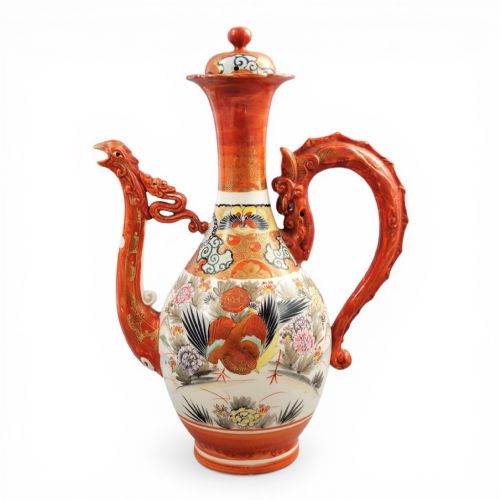


Oriental Porcelain Teapot
Oriental porcelain teapot vessels are delicate ceramic pieces from China and Japan designed for brewing tea, prized by collectors for their intricate painted decoration and historical depth.
Oriental Porcelain Teapot
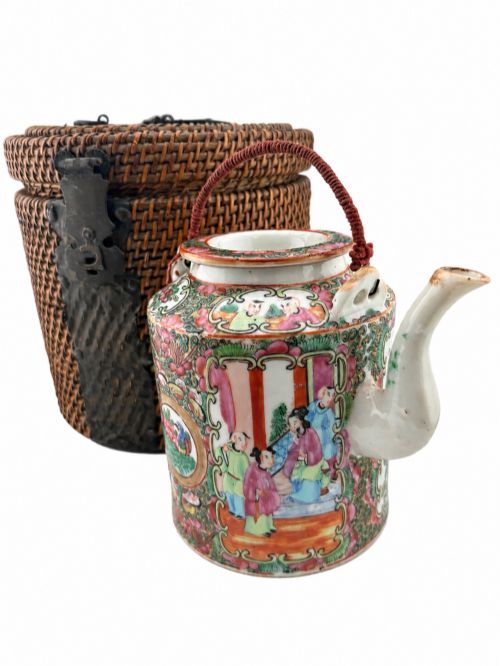
When you search for an oriental porcelain teapot, you encounter vessels spanning from the seventeenth century through to the early twentieth century. These pieces originate from distinct traditions including Chinese Export, Qing Dynasty, and the Japanese Meiji period. Forms range from traditional teapots to decorative ewers and pitchers housed in protective wicker cases.
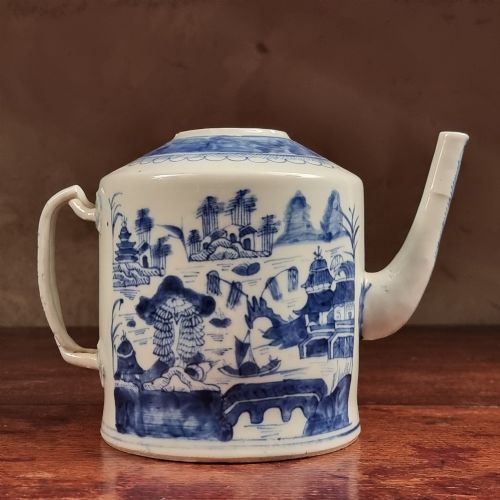
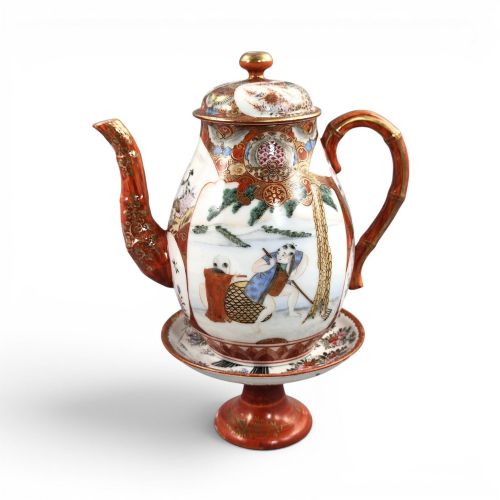
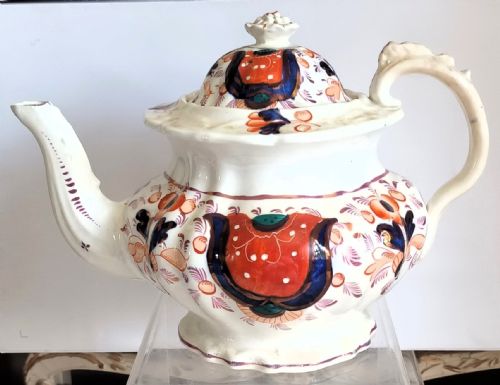
The pieces on this page represent diverse stylistic influences, such as Georgian interpretations like Gaudy Welsh patterns, Kangxi period blue and white, and Qianlong famille rose designs. You also find Japanese Kutani porcelain and Arita Imari sake ewers alongside Ming dynasty style revivals. Each example reflects the specific ceramic artistry of its region and era of production.
How oriental porcelain teapots were made
Potters shaped these vessels from fine ceramic materials, applying cobalt glaze for classic blue and white designs or utilising overglaze enamel for multi-coloured compositions. Artisans often enhanced the decorated surfaces with gold leaf detailing to highlight motifs such as dragons, phoenixes, and geometric patterns. Metal components occasionally appear on spouts or mounts, while certain pieces incorporate earthenware bodies.
Firing techniques varied across kilns in China and Japan, producing durable porcelain and ceramic structures capable of holding hot liquids. Specialised painters executed intricate hand-painted scenes directly onto the glazed surfaces before secondary firings fixed the colours. Protective elements like wicker cases were constructed to safely house fragile ceramic tea pots during transport and storage.
Oriental Porcelain Teapot Retail Price Guide 2026
Typical asking prices for oriental porcelain teapot among the pieces listed under this phrase on Sellingantiques today, from the lower quarter to the upper quarter. They describe what is for sale here now, not the wider market.
Listings feature ceramics from the 17th century through to 1920, incorporating porcelain, earthenware, enamel, and gold leaf materials.
What varies in quality
The refinement of the painted detail and the precision of the cobalt glaze or overglaze enamel work define the upper tiers of these vessels. Superior pieces display crisp brushwork in motifs like dragons and floral patterns, whereas lesser examples show hurried execution or muddied colours. The presence of intact covers, original gold leaf, and specialised accessories such as vase stands elevates a piece's standing.
The age and historical integrity of the ceramic body also influence quality, with seventeenth and eighteenth-century examples commanding greater attention than later twentieth-century interpretations. The sophistication of the form, whether a standard tea pot or an elaborate ewer with a phoenix spout, demonstrates the potter's technical ambition and skill.
The Oriental Porcelain Teapot Glossary
- Cobalt glaze
- A blue pigment applied under the glaze before firing, characteristic of classic oriental blue and white ceramics. This material produces deep, permanent blue tones that withstand high temperatures.
- Overglaze enamel
- Decorative colours painted on top of the fired glaze and fixed with a secondary, lower-temperature firing. This technique allows for vibrant red, green, and gold details on the teapot surface.
- Famille rose
- A palette of opaque pink and rose enamel colours introduced during the Qing dynasty. It defines the polychrome decoration seen on eighteenth-century export porcelain.
- Ewer
- A large pitcher or jug with a spouted mouth and handle, often used for pouring wine or water. In oriental ceramics, these share formal similarities with teapots.
- Kutani
- Japanese porcelain produced in Ishikawa prefecture known for bold pictorial designs and rich colour palettes. Kutani pieces often feature intricate figural or natural motifs.
- Imari
- Japanese export porcelain from Arita featuring a distinct palette of underglaze blue, iron red, and gilt. These wares were widely produced for European markets from the seventeenth century onward.
Oriental Porcelain Teapot: Frequently Asked Questions
How do I date an oriental porcelain teapot?
Dating relies on examining the ceramic body, the style of the cobalt glaze or enamel painting, and any recognizable period characteristics. Pieces from the Kangxi or Qianlong eras exhibit specific potting techniques and pigment hues that differ from later nineteenth-century Meiji or twentieth-century pieces.
Maker's marks or stylistic clues, such as Georgian interpretations or Ming dynasty revivals, provide further context for determining age. Comparing the form and decorative motifs against known historical examples helps narrow down the decade of manufacture.
Were these teapots used for daily brewing?
Many oriental porcelain teapots and ewers served functional roles in households for preparing tea or wine. Durable ceramic bodies and fitted covers allowed for the practical steeping of hot leaves.
Delicate export pieces and those adorned with extensive gold leaf or housed in wicker cases were frequently treated as decorative display items or prized possessions. Their survival often depends on whether they experienced active service or gentle handling.
What is the difference between a teapot and an ewer?
A teapot is specifically constructed with a lid and handle for brewing and serving tea. Ewers generally feature a pitcher-like body with a more pronounced spout, often designed for pouring liquids such as wine or water.
In historical oriental ceramics, the terms sometimes overlap, particularly when describing decorative vessels or wine ewers that share similar ceramic forms with tea pots.
How should I care for antique oriental porcelain?
Antique porcelain requires gentle handling to protect fragile spouts, handles, and delicate overglaze enamel or gold leaf decoration. Dusting with a soft, dry cloth is usually sufficient for routine maintenance.
Avoid using harsh cleaning agents or immersing pieces with metal mounts or wicker cases in water. Displaying them away from direct sunlight and extreme temperature fluctuations preserves the integrity of the ceramic and glaze.