


Edwardian Royal Worcester China
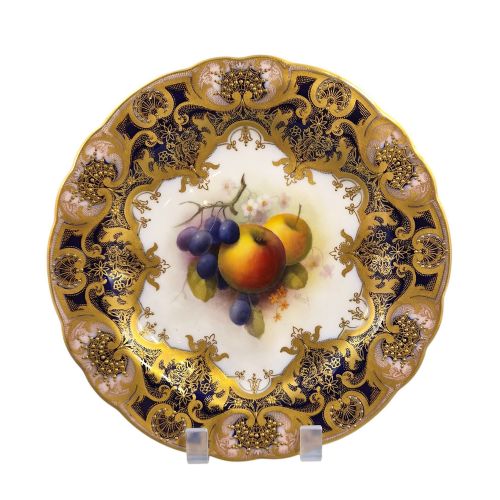
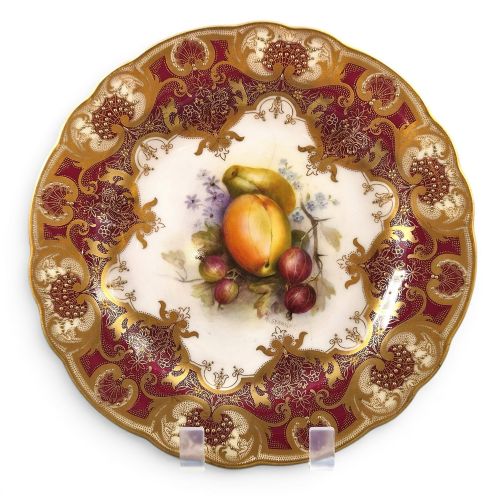
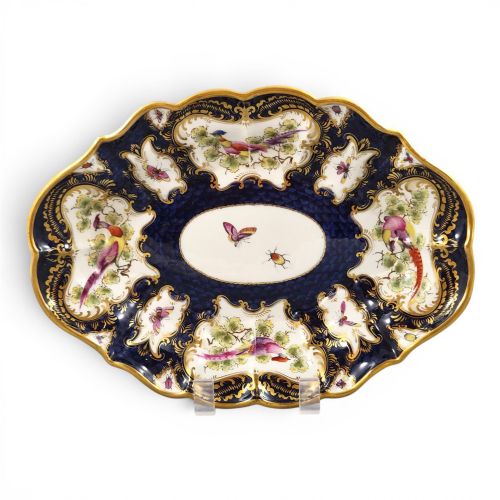
Edwardian royal worcester china brings hand-painted fruit, birds and floral scenes into domestic interiors through fine porcelain vessels and cabinet plates.
Edwardian Royal Worcester China
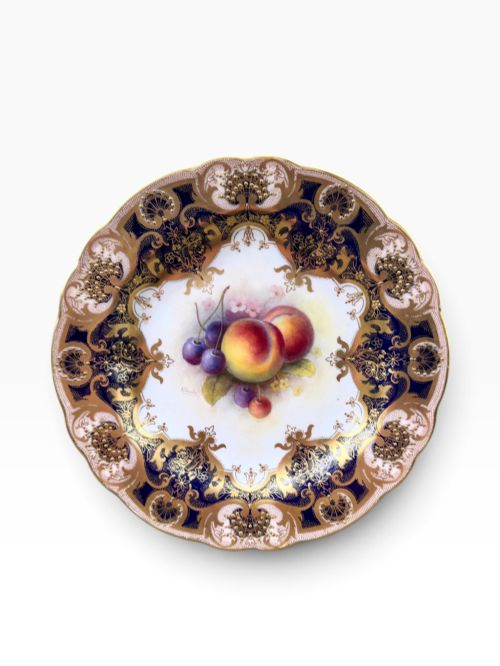
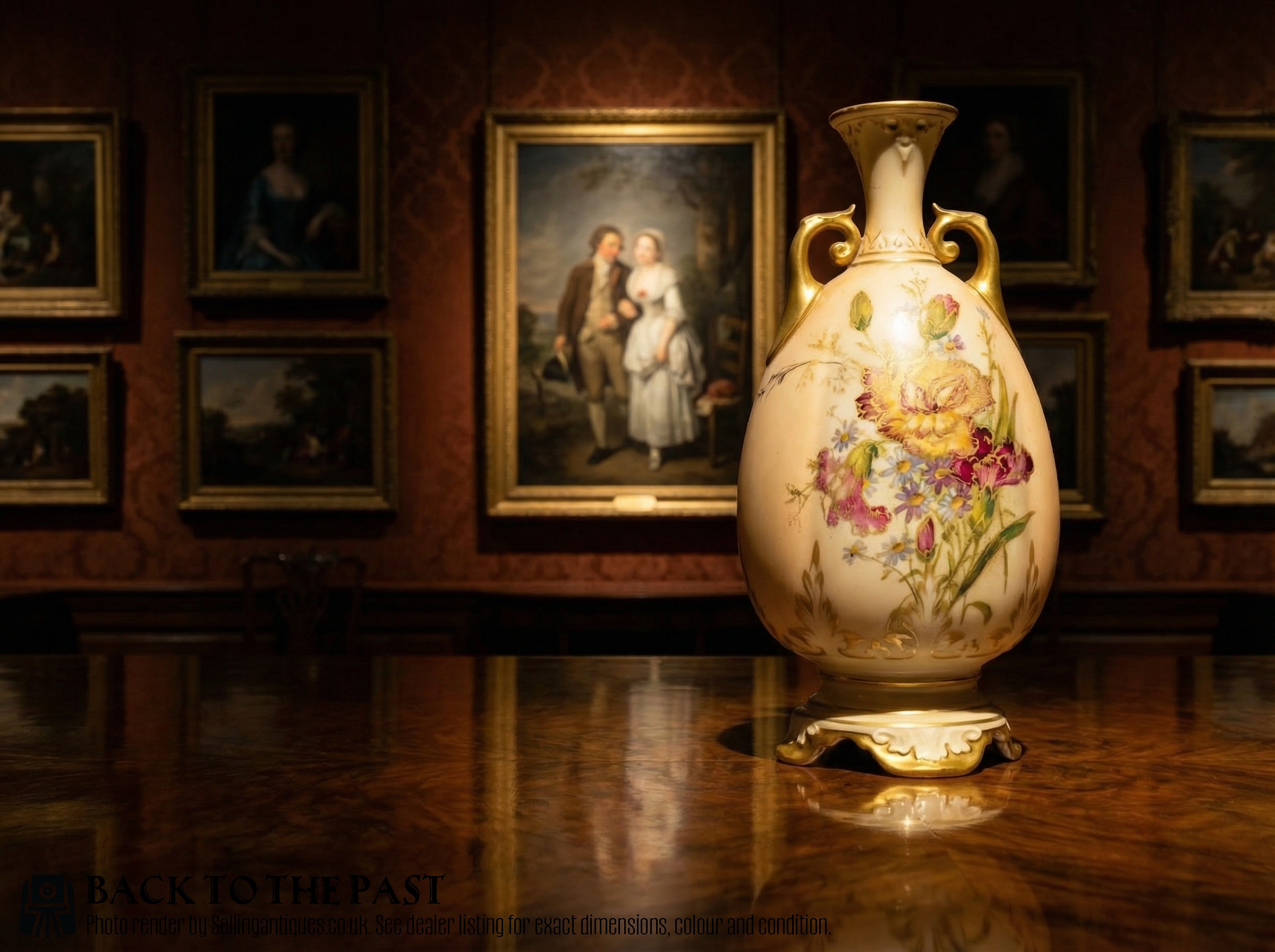
Edwardian royal worcester china comprises decorative cabinet plates, painted fruit dishes, vases and coffee cups produced around the early decades of the twentieth century. These items were designed principally for display rather than daily service, acting as focal points in period reception rooms.
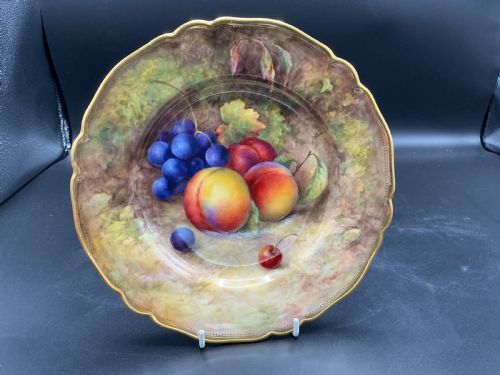
The objects frequently take the form of spill vases, comports, urns and dessert dishes. Surviving examples often display naturalistic subjects such as painted fruit, highland cattle, game birds, storks and swans.
Most pieces date from the Edwardian era through to the middle decades of the twentieth century, with styles ranging from traditional English floral decoration to neo-rococo and art deco influences.
Materials and production
Makers utilised fine bone china and standard porcelain as the primary body for these vessels and plates. This ceramic base provided a smooth white ground suited to detailed miniature painting.
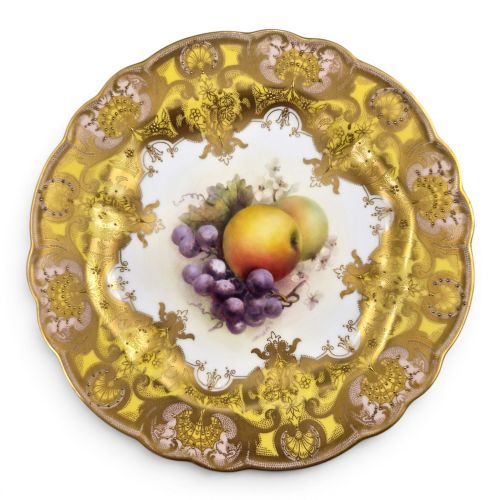
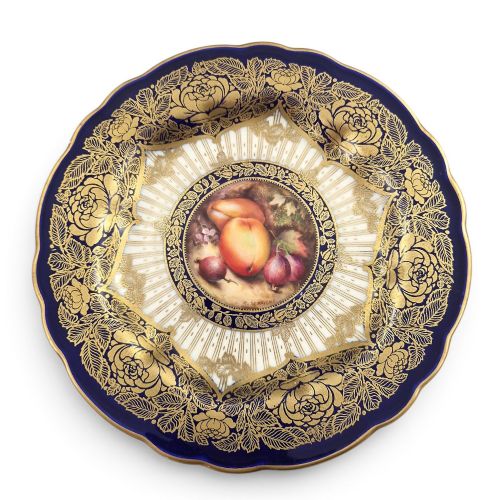
Decoration relied heavily on hand-painting by named artists, complemented by applied gold leaf, gilding and gilt accents. Certain pieces also incorporate enamel work and specialised ground colours such as blue scale.
Edwardian Royal Worcester China Retail Price Guide 2026
Typical asking prices for edwardian royal worcester china among the pieces listed under this phrase on Sellingantiques today, from the lower quarter to the upper quarter. They describe what is for sale here now, not the wider market.
Listings demonstrate a strong concentration of painted fruit motifs alongside naturalistic studies of game birds, cattle and swans.
Quality and execution
The distinction between standard production and superior examples rests upon the skill of the brushwork and the complexity of the subject. Pieces bearing the signature of notable painters command greater attention due to the individual artistry involved.
The application of tooled gilding and the richness of the enamel work further differentiate the output. Elaborate mouldings, such as rope edges or ovoid forms with covers, require higher technical proficiency during firing.
Albert Shuck·Richard Sebright·Walter Powell·H Davis·Grainger And Co·C Baldwyn·Ricketts·James Stinton·HH Price·Kitty Blake
The Edwardian Royal Worcester China Glossary
- Cabinet plate
- A decorative plate intended for display on a wall or within a cabinet rather than for dining use. These often feature elaborate hand-painted centres and gilded borders.
- Blush ivory
- A tinted cream ceramic ground developed by the factory to simulate the warmth of ivory. It served as a popular background for floral and gilt decoration.
- Gilding
- The application of gold leaf or gold paint to ceramic surfaces. Tooled gilding involves incising patterns into the gold surface to catch the light.
- Comport
- A raised dish or bowl used for serving fruit or sweetmeats. In this ceramic body, they function primarily as decorative table centerpieces.
Edwardian Royal Worcester China: Frequently Asked Questions
What are cabinet plates used for?
Cabinet plates served as decorative items for display in drawing rooms and parlours rather than functional tableware. They allowed households to showcase fine artistry and ceramic manufacturing skill.
Owners typically placed them on plate stands, hung them on walls or stored them inside glass-fronted display cabinets to protect the painted surfaces and gold leaf.
How do I identify a signed piece?
Artists working at the factory frequently signed their painted scenes directly onto the front of the porcelain near the edge of the subject. Names appear in small script alongside standard factory backstamps.
Common signatures include well-known painters of fruit, birds and cattle whose work defines this period of production.
What is blush ivory porcelain?
Blush ivory refers to a soft, warm cream-coloured ceramic body introduced to imitate natural elephant ivory. It provided a muted background for painted floral motifs.
This finish is frequently enhanced with delicate gilt highlights and coloured enamels typical of the late nineteenth and early twentieth centuries.
How should I clean these items?
These delicate porcelain objects require gentle maintenance to preserve the hand-painted enamels and gold leaf. Dusting with a soft dry cloth is usually sufficient for regular care.
Submerging them in water or using abrasive cleaners can damage the gilt and remove the fine painted details applied over the glaze.