
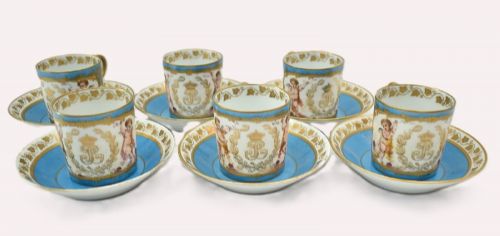


Antique Porcelain Teacup Set
An antique porcelain teacup set brings the refined social rituals of Georgian and Regency parlours directly to the modern table.
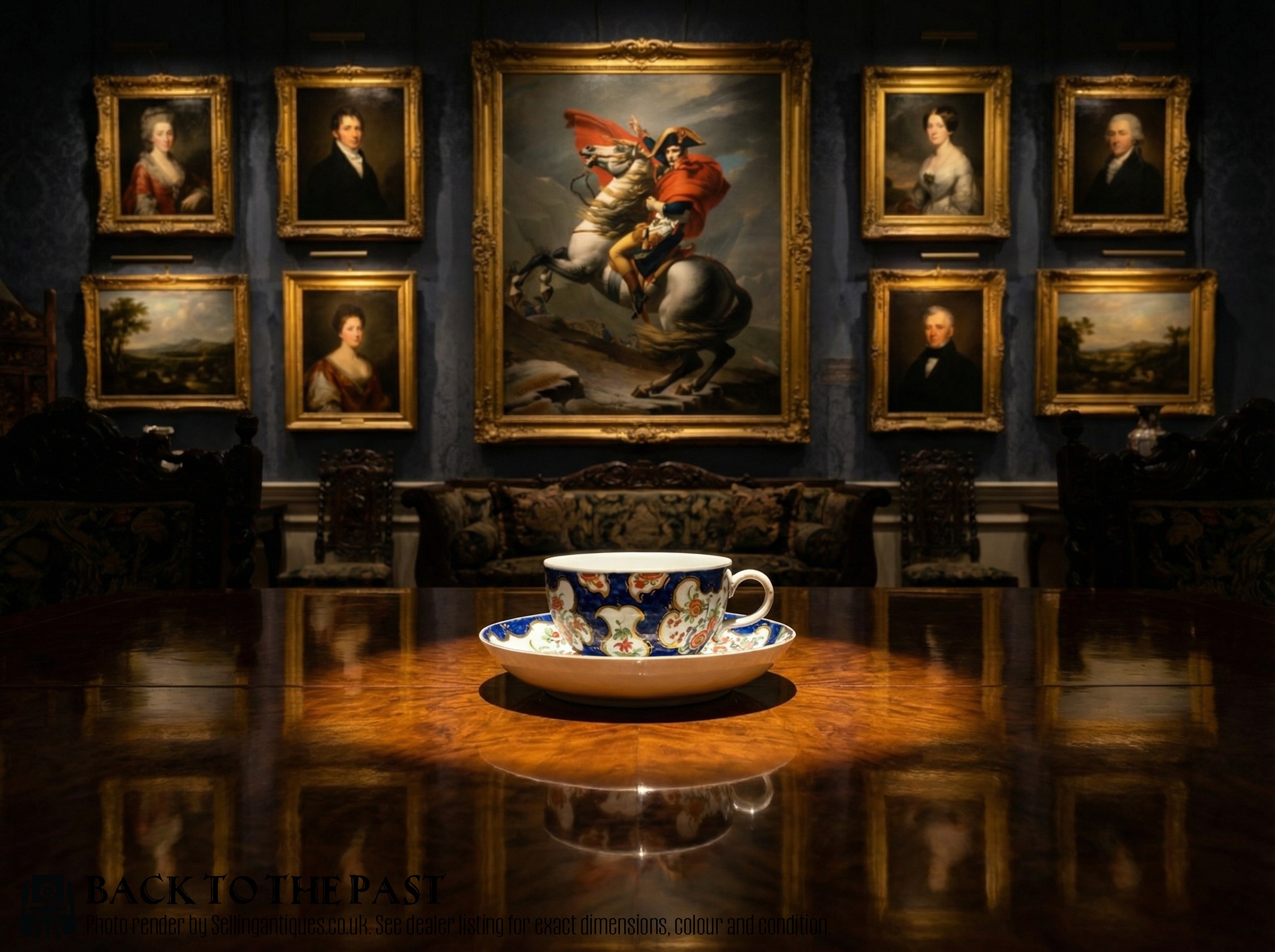
Antique Porcelain Teacup Set
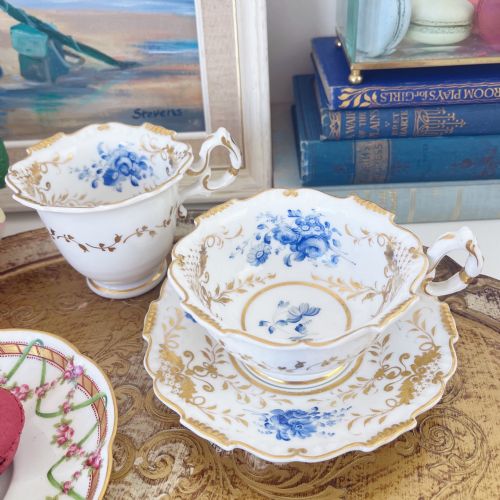
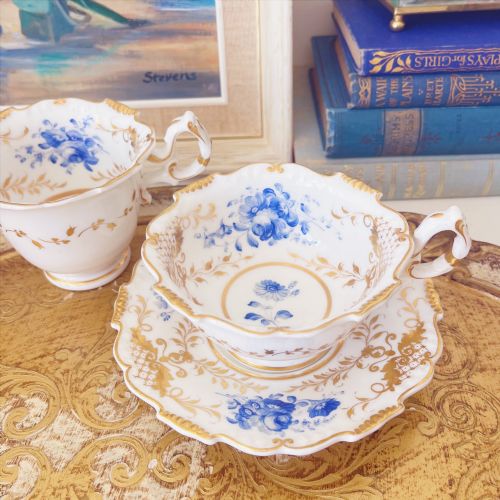
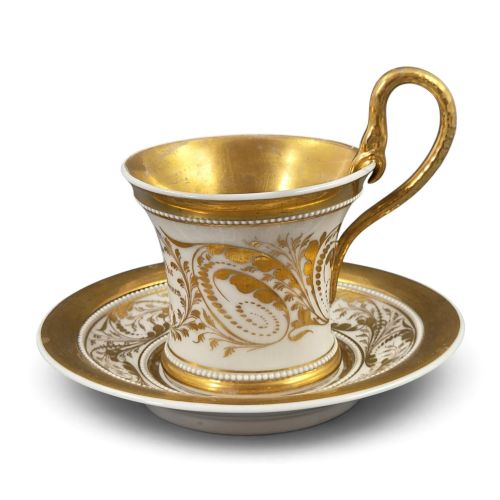
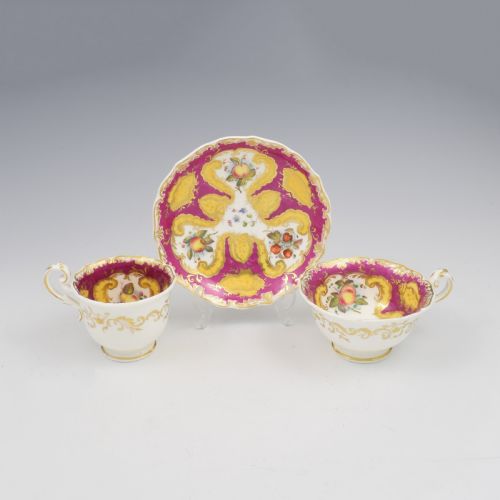
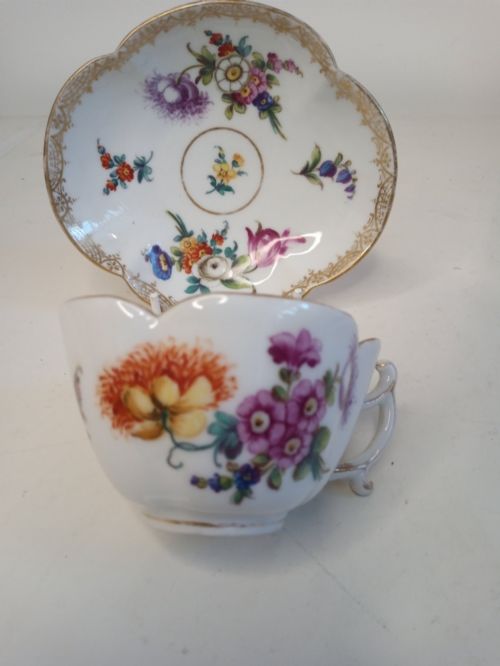
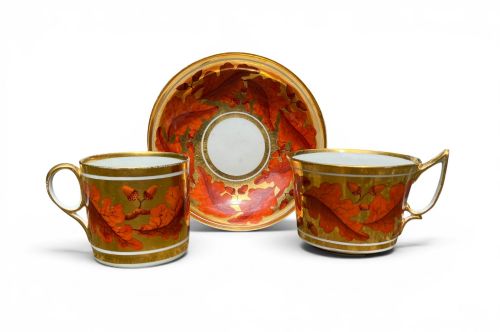
An antique porcelain teacup set comprises fine drinking vessels made during the Georgian and Regency periods, designed for the formal consumption of tea. These sets typically include matching cups and saucers, occasionally forming part of a larger cabinet trio.
The pieces available on this page reflect the craftsmanship of early English factories, utilising traditional forms from the late eighteenth and early nineteenth centuries. Collectors encounter both utilitarian teawares and decorative cabinet pieces intended for display rather than daily service.
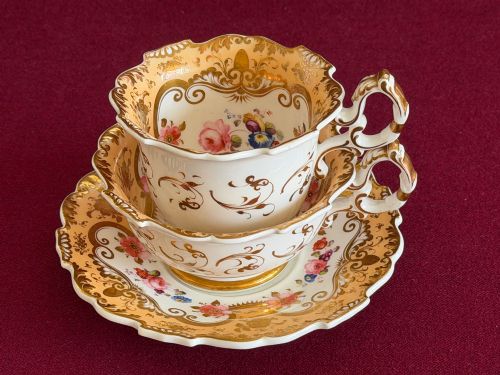
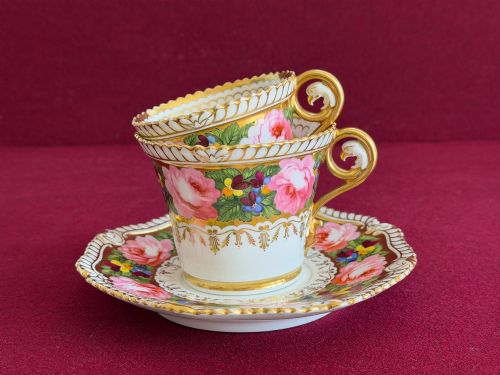
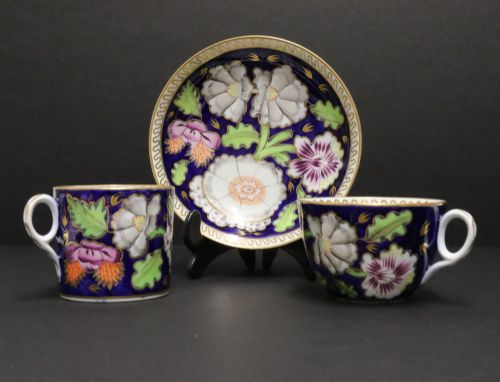
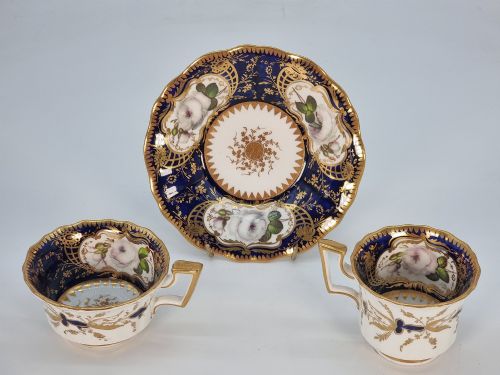
Georgian and Regency examples dominate the selection, showing the stylistic shifts from intricate underglaze blue decoration to refined early nineteenth-century polychrome enamels and gilding. Each set preserves the specific aesthetic choices of its period of manufacture.
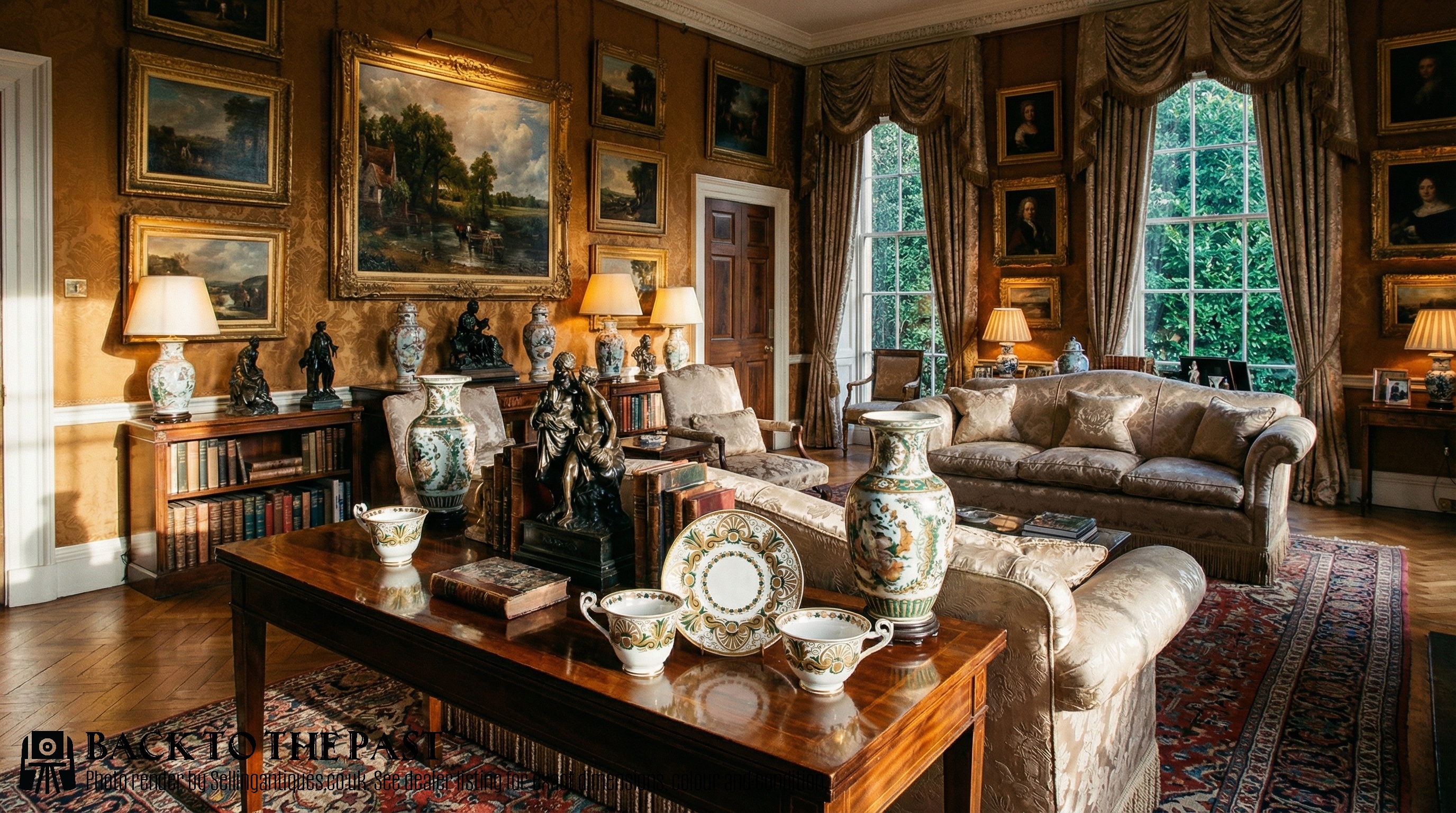
How they were made
Potters utilised soft-paste porcelain and bone china as the primary ceramic bodies for these wares, shaping them by hand or on early wheels before firing. The resulting forms required careful temperature control during the kiln process to ensure stability and smooth surfaces.
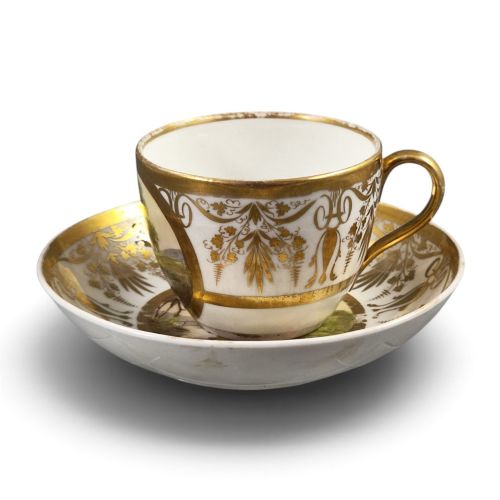
Artisans applied polychrome enamel colours and gold gilding by hand over or under the glaze, often incorporating scale-pattern grounds and intricate borders. These decorative layers were fixed with subsequent low-temperature firings to bond the metallic and pigment details permanently to the ceramic body.
Listings on this page span the Georgian and Regency periods, featuring both soft-paste porcelain and bone china bodies decorated with enamel and gold gilding.
What varies in quality
The refinement of the ceramic body and the precision of the hand-painted enamel decoration distinguish finer examples from standard production wares. Early soft-paste porcelain often displays subtle undulations in the glaze, whereas later bone china exhibits a whiter, more uniform ground.
The application of gold gilding reveals the skill of the original decorator, with hand-chased or heavily burnished gold indicating superior workshop standards. Superior sets maintain crispness in the transfer-printed or hand-painted details, particularly within complex ground patterns and floral motifs.
Spode
The Antique Porcelain Teacup Set Glossary
- Soft-paste porcelain
- An early artificial ceramic composition made from glass frit and white clay, fired at lower temperatures than hard-paste porcelain. It possesses a warm, slightly translucent body prized by collectors of eighteenth-century English ceramics.
- Bone china
- A type of porcelain incorporating animal bone ash, developed in England to create a stronger, whiter, and more translucent ceramic body. This material became standard for fine teawares during the Regency period.
- Enamel
- A vitresous composition applied to the surface of fired porcelain to provide colour and painted detail. These pigments are fused to the glaze through a secondary kiln firing.
- Gold gilding
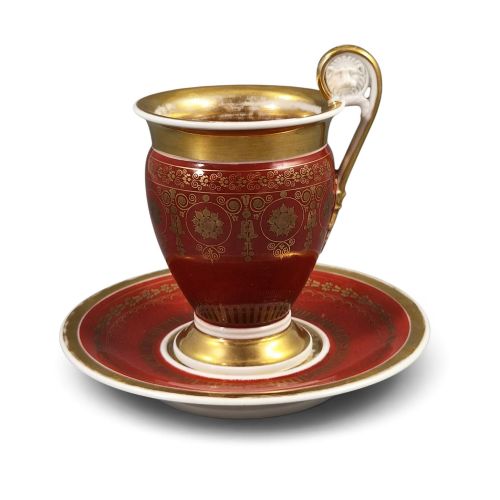
- The application of metallic gold to the rims, handles, and borders of teacups and saucers for decorative enrichment. It is frequently burnished to achieve a bright, reflective finish.
- Cabinet trio
- A matching set comprising a teacup, coffee cup, and saucer, usually intended for display in a cabinet rather than functional use. These sets showcase the highest artistic ambitions of the factory.
Antique Porcelain Teacup Set: Frequently Asked Questions
What is a cabinet trio?
A cabinet trio consists of a matching teacup, coffee cup, and saucer designed together as a decorative display set.
These pieces were often produced by prominent English factories to showcase their finest painting and gilding techniques.
How do I care for antique teacups?
Antique teacups require gentle hand washing in warm water using mild soap, avoiding abrasive sponges or modern dishwashers.
The delicate enamels and gold gilding on soft-paste porcelain and bone china can easily be worn down by harsh cleaning methods.
How do I date an old teacup set?
Dating relies on identifying the ceramic body, factory marks, decorative style, and the manufacturing techniques used on the cups and saucers.
Georgian pieces often display underglaze blue decoration, while Regency examples frequently incorporate rich enamel colours and extensive gilding.