
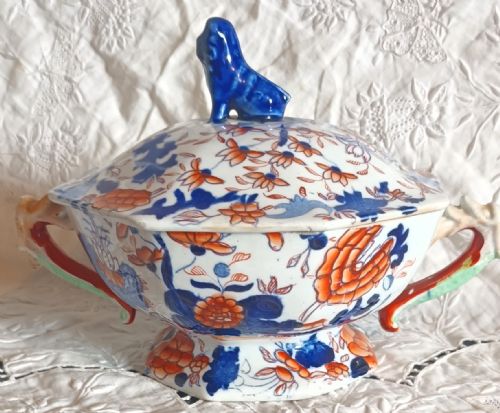


Antique Porcelain Sauce Boat
An antique porcelain sauce boat brings eighteenth and nineteenth century dining habits to the table with painted scenes and moulded handles.
Antique Porcelain Sauce Boat
An antique porcelain sauce boat is a small vessel designed for serving gravies, sauces and melted butter at the formal dining table. When searching this phrase, a buyer encounters domestic and imported tableware primarily from the eighteenth and nineteenth centuries, spanning Georgian and Victorian periods.
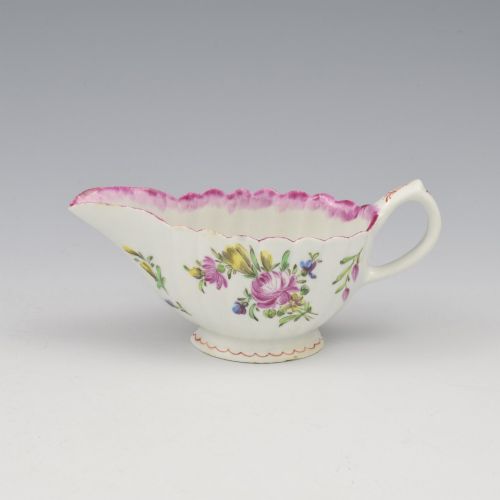
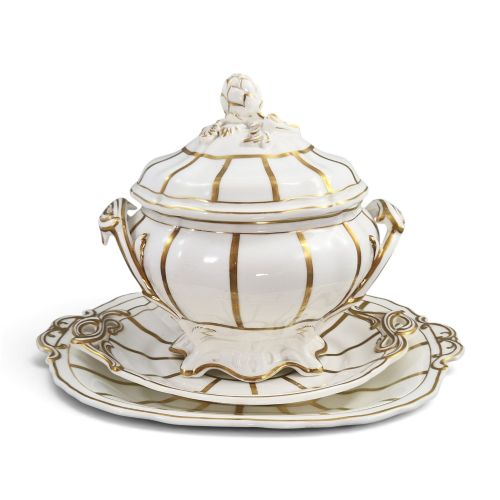
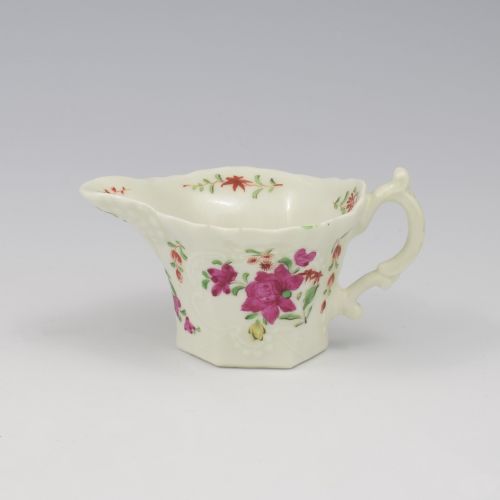
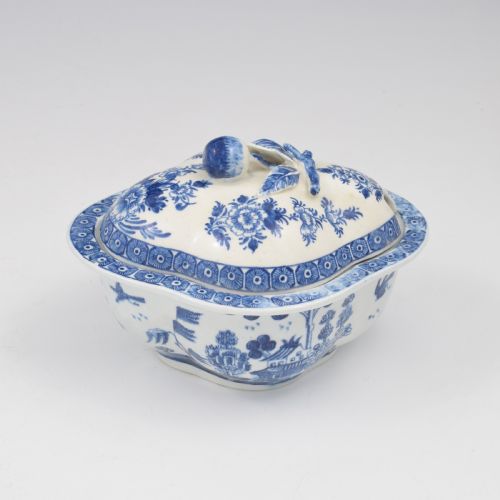
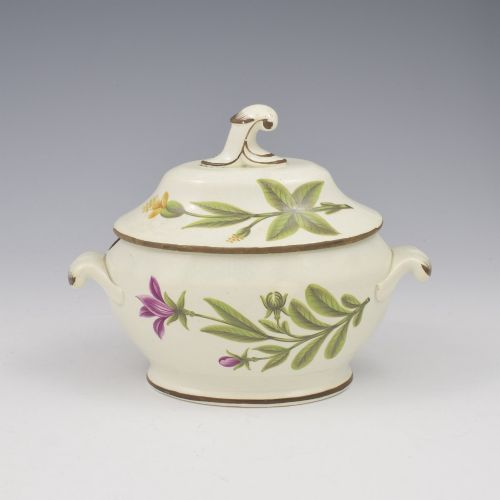
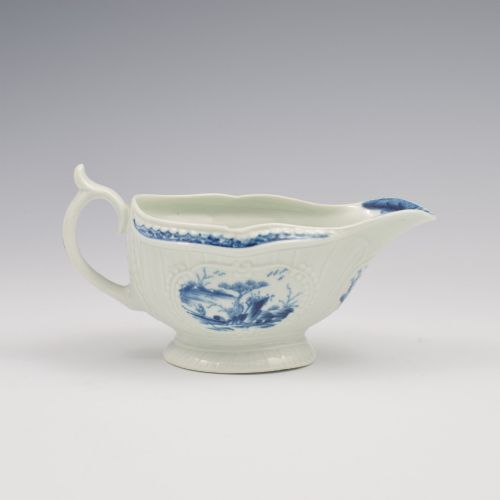
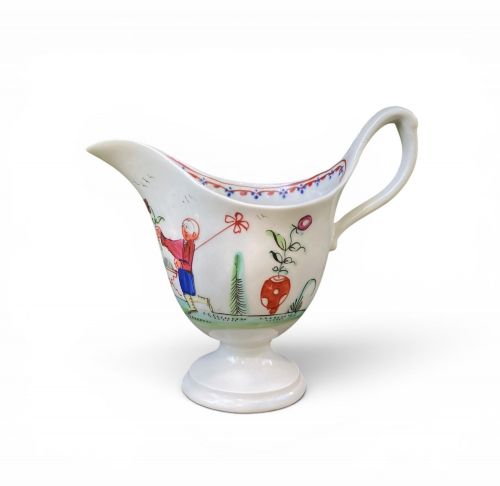
The pieces on this page appear in various forms, including fluted, quatrefoil, and hexagonal profiles, alongside covered tureens with matching ladles. Early examples often draw inspiration from Chinese export designs and rococo or chinoiserie styles, reflecting the aesthetic preferences of their era.
How they were made
Potters shaped these vessels using soft-paste porcelain, bone china, pearlware, and ironstone, applying liquid glazes before firing the ceramic body. Many factories utilised cobalt blue underglaze painting, while others decorated pieces with enamel colours and gold leaf highlights.
Moulding techniques created ribbed, fluted, and lettuce-leaf forms, with handles shaped into scrolls or rustic twigs. Artisans painted botanical motifs, armorial crests, and oriental figures by hand onto the porcelain surface.
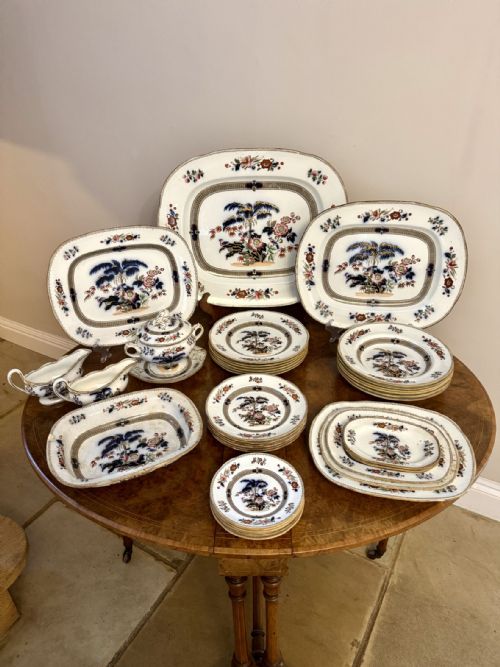
The listings span from 1750 to 1880, featuring soft-paste porcelain, bone china, ironstone, and pearlware across English and continental factories.
What varies in quality
The distinction between standard production and top tier pieces rests on the crispness of the moulding and the skill of the enamel painting. Hand-pencilled details and rich, even cobalt glazes indicate superior factory output.
The complexity of the form influences the grade of the object, as triangular platforms, intricate handles, and matching covers require advanced potting ability. Early Worcester, Bow, and Chelsea pieces demonstrate the refined standards expected by collectors.
Davenport Bone China·Dr Wall Worcester·Derby Porcelain·Swansea Pearlware·New Hall Porcelain·Mason Ironstone·Bow Porcelain·Chelsea Derby·Flight Barr And Barr·Meissen
The Antique Porcelain Sauce Boat Glossary
- Soft-paste porcelain
- A ceramic composition containing glass frit and white clay, fired at lower temperatures than hard-paste porcelain. This body produces a warm, creamy translucency found in early English wares.
- Underglaze blue
- A decorative technique where cobalt oxide pigment is painted directly onto the unfired ceramic body before glazing and firing. The colour sinks into the glaze, producing a durable finish.
- Ironstone
- A dense, heavy earthenware patented in the nineteenth century to imitate true porcelain. It offers high durability for domestic dining service.
- Quatrefoil
- A symmetrical shape composed of four overlapping circles or lobes, frequently used for the rim or foot of eighteenth-century vessels. This outline adds architectural interest to tablewares.
- Enamel
- Coloured glass powders mixed with an oily medium and painted over the fired glaze, requiring a second low-temperature kiln firing. This method allows for a vibrant palette of reds, greens, and yellows.
Antique Porcelain Sauce Boat: Frequently Asked Questions
What is a sauce boat used for?
These vessels served gravy, melted butter, and thin condiments at the dining table during formal meals. Their spouts and handles allowed easy pouring into individual plates.
Over time, many served as decorative centrepieces on sideboards when not in active use during dinner service.
How do I identify Dr Wall Worcester?
Early Worcester pieces from the Dr Wall period often feature fine soft-paste porcelain bodies with deep cobalt blue underglaze painting. Look for crescent marks or simulated Chinese characters on the base.
The potting tends to show characteristic translucency when held to the light, accompanied by delicate throwing rings.
Are these pieces safe to use?
While historic porcelain remains chemically stable, old glazes can contain trace impurities and the ceramic bodies are fragile. Hand washing in warm water preserves the enamel paints and gold leaf.
Modern dishwashers and microwaves cause thermal shock and permanent damage to antique ceramic glazes.
How do I date a porcelain sauce boat?
Dating relies on stylistic clues, paste composition, and factory marks underneath the base. Eighteenth-century pieces typically feature soft-paste bodies and hand-pencilled oriental motifs.
Nineteenth-century examples often incorporate bone china, ironstone, and stamped factory ciphers or registry diamond marks.