



Antique Porcelain Mantle Vase
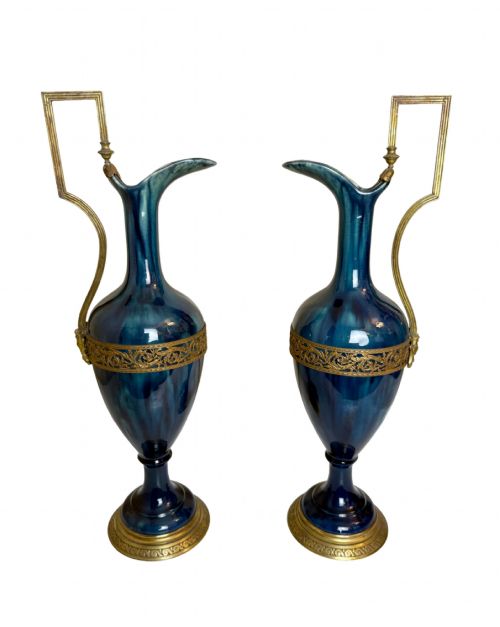
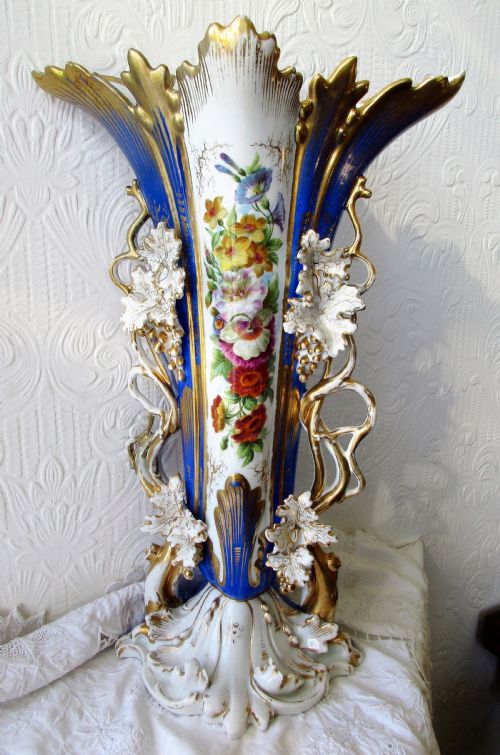
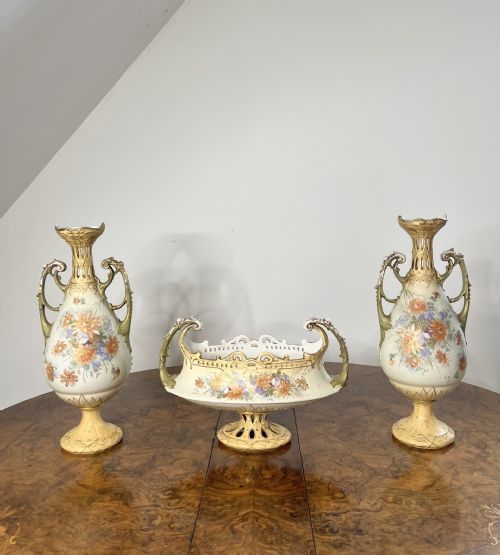
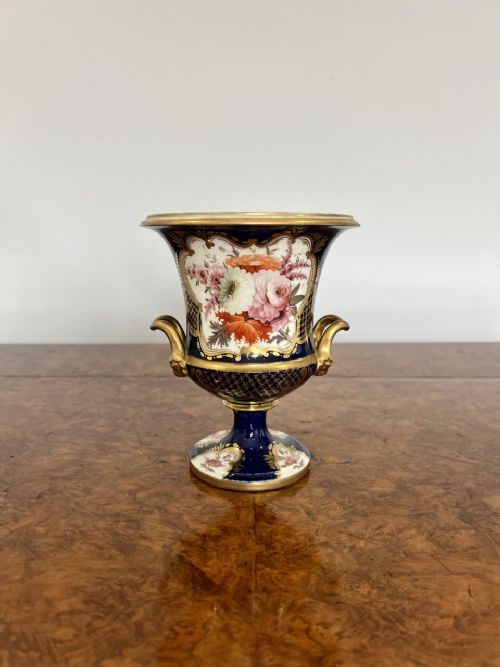
These antique porcelain mantle vases bring nineteenth-century domestic display into focus, offering everything from cabinet garnitures to hand-painted exhibition pieces.
Antique Porcelain Mantle Vase
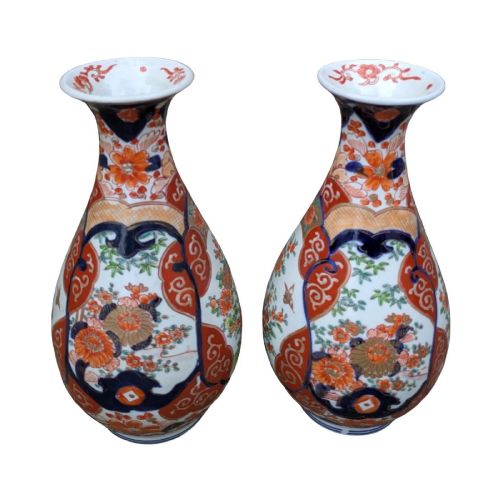
An antique porcelain mantle vase serves as a decorative focal point for a fireplace or sideboard, taking the form of single vessels, pairs, or multi-piece garniture sets. When searching for this phrase, collectors encounter various nineteenth-century expressions, including French rococo revival urns, Japanese Imari pieces, and English floral-painted designs.
The selection ranges from large lidded urns and spill vases to elaborate clock garnitures and two-handled vessels. Many pieces originate from major European potteries and Asian export kilns, spanning the eighteenth century through to the early twentieth century.
How they were made
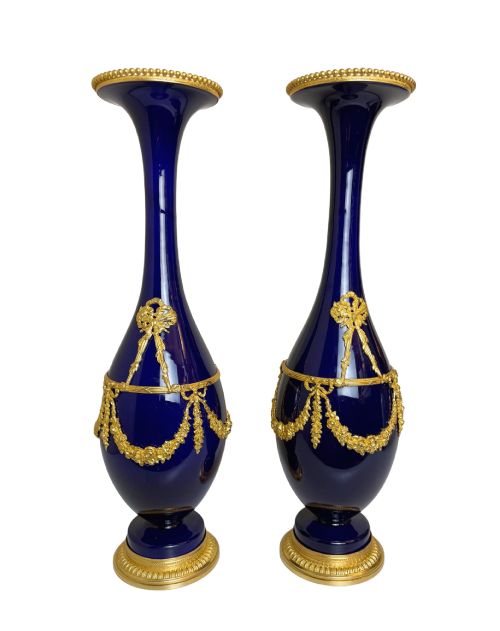
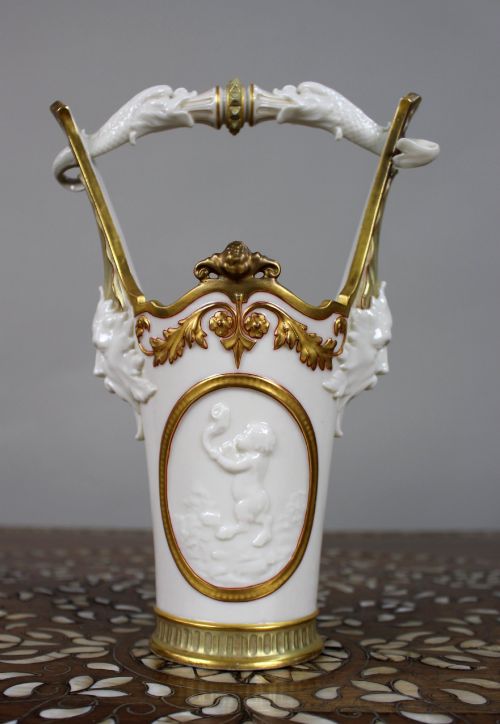
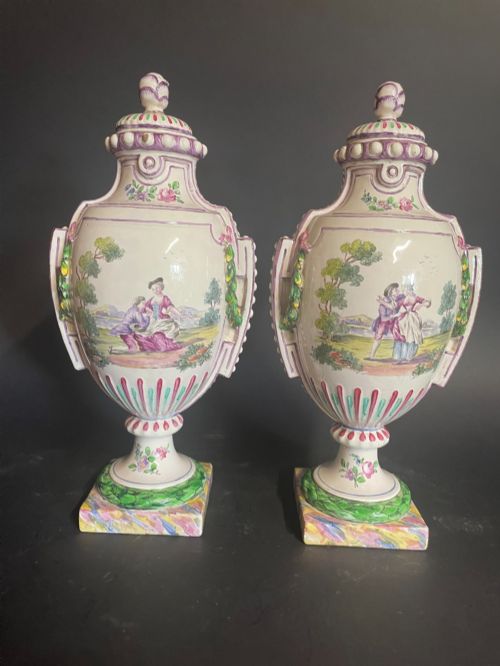
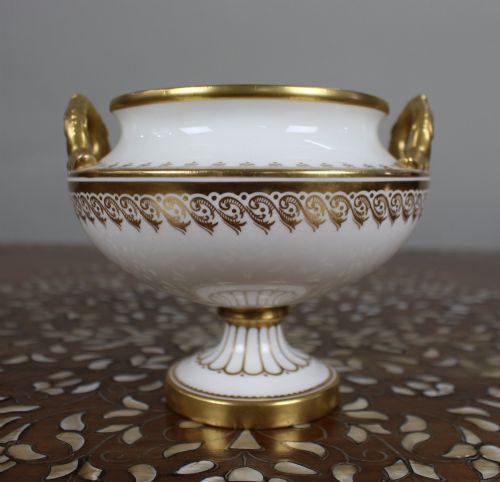
Potters shaped these vessels from fine porcelain, earthenware, or faience, often applying coloured grounds, hand-painted botanical or figurative scenes, and raised enamel decoration. Artisans then integrated gilt bronze, ormolu mounts, or gold leaf trim to accentuate the rims, handles, and bases.
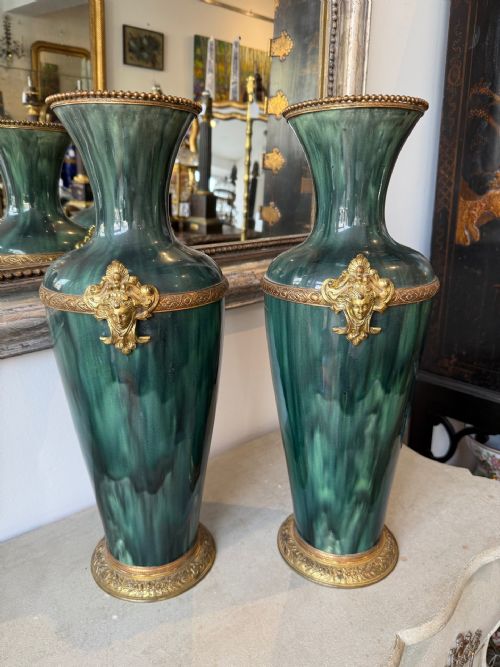
Firing techniques allowed for intricate glaze effects, such as mottled green finishes, blush ivory surfaces, and pate-sur-pate detailing. Skilled painters signed their work on porcelain bodies that ranged from crisp white biscuit to deep blue and pink grounds.
Several Victorian mantle displays feature ceramic sheep standing quietly beside floral vases.
What varies in quality
The standard of painting determines the upper tier of these pieces, distinguishing factory-standard decoration from signed artistic works by known painters. Hand-painted detail, particularly on botanical or portrait subjects, commands greater attention than stencilled or transfer-printed motifs.
The integration of metal mounts also sets pieces apart, where heavy cast ormolu and gilt bronze mounts elevate a standard ceramic body into an exhibition-grade garniture. The crispness of the porcelain moulding and the richness of the gilding complete the distinction between ordinary and exceptional examples.
Royal Worcester·Royal Vienna·Spode·Derby·Minton·Sevres·Dresden·Vion et Baury·Sceaux Faience
The Antique Porcelain Mantle Vase Glossary
- Garniture set
- A matched group of three or more vases and urns designed to sit together on a mantlepiece or sideboard. These sets usually comprise a central taller vessel flanked by matching smaller pieces.
- Ormolu
- Finely chased and gilt bronze mounts applied to the feet, rims, and handles of ceramic vases. This French technique adds architectural weight and decorative luxury to nineteenth-century porcelain.
- Pate-sur-pate
- A ceramic decorating technique where liquid white porcelain slip is built up in successive layers on a coloured clay body to create a low-relief cameo effect.
- Imari
- A traditional Japanese style of porcelain featuring a distinctive palette of underglaze blue, iron red, and abundant gold. These export wares heavily influenced European ceramic design.
- Spill vase
- A small, straight-sided cylindrical vessel designed to hold slender wooden spills used for lighting candles or fires. They frequently appear in matched pairs on period mantlepieces.
Antique Porcelain Mantle Vase: Frequently Asked Questions
What is a garniture set?
A garniture set consists of three or more matched decorative vessels designed to display symmetrically on a mantle or sideboard. These arrangements typically feature a larger central urn accompanied by matching side vases.
Cabinet makers and porcelain manufacturers produced these sets throughout the nineteenth century to anchor formal interior decoration schemes.
How were mantle vases used?
Mantle vases served primarily as ornamental centrepieces atop domestic fireplaces, often accompanied by matching clocks or side urns. While some smaller spill vases held wooden tapers for lighting fires, most larger vessels existed purely for visual display.
Victorian households utilised these porcelain pieces to demonstrate taste and social standing within the principal reception rooms.
How do I identify French ormolu mounts?
Ormolu mounts consist of cast bronze that has been mercury-gilt to produce a bright golden finish, frequently applied to nineteenth-century Sevres and Paris porcelain vases. Examine the joinery where the metal secures the ceramic body to observe the weight and chiselling of the bronze.
These metal additions often indicate luxury production destined for the French or English export markets.
What is Japanese Imari porcelain?
Japanese Imari porcelain refers to export wares decorated with a striking palette of dark underglaze blue and iron red, frequently heightened with extensive gilding. These pieces gained immense popularity in Europe during successive revival periods.
Collectors prize the crisp white porcelain bodies and complex geometric or floral panels characteristic of these traditional export kilns.