

Antique Porcelain Lady
When searching for an antique porcelain lady, you are exploring sculpted figures and decorative table pieces spanning centuries of ceramic artistry.
Antique Porcelain Lady
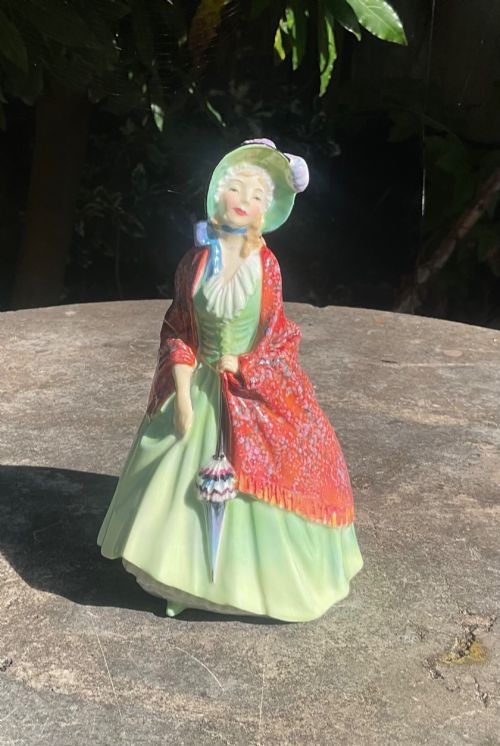
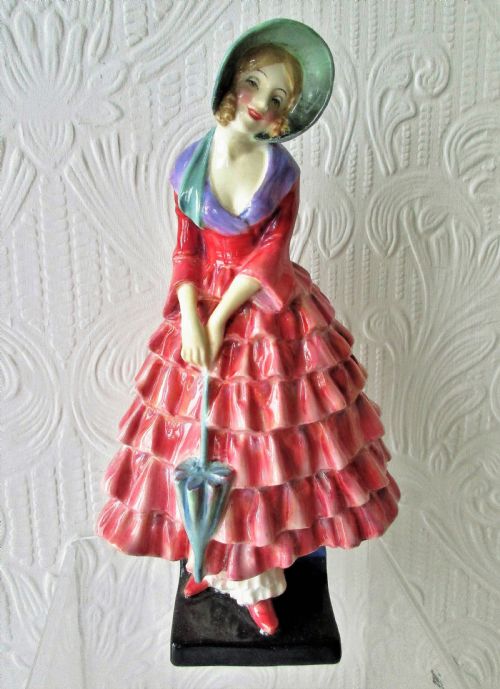
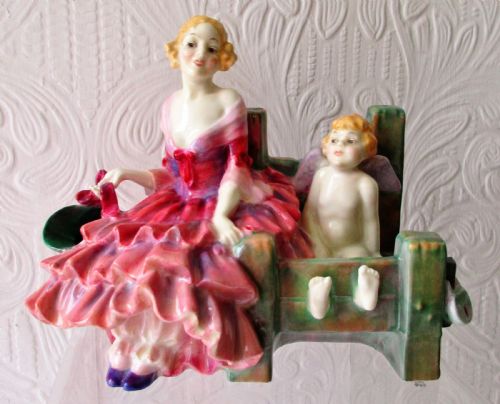
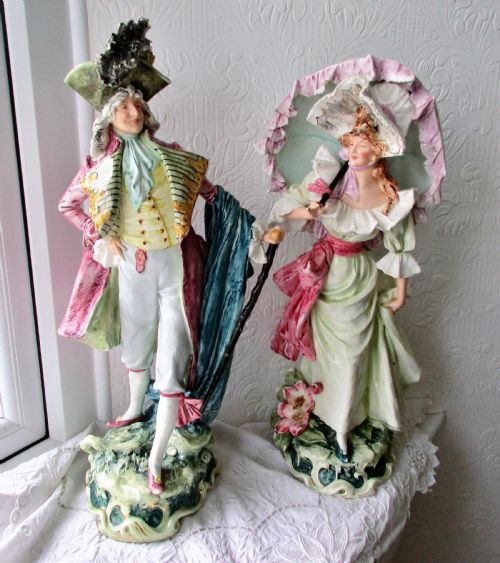
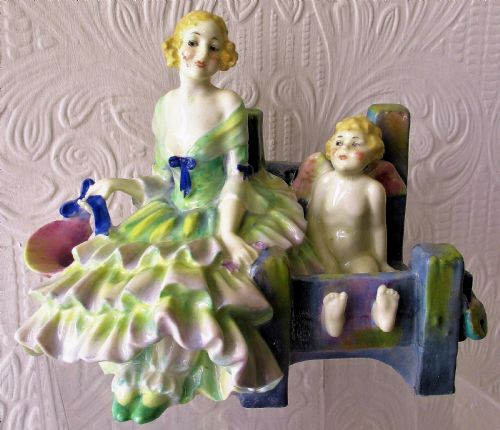
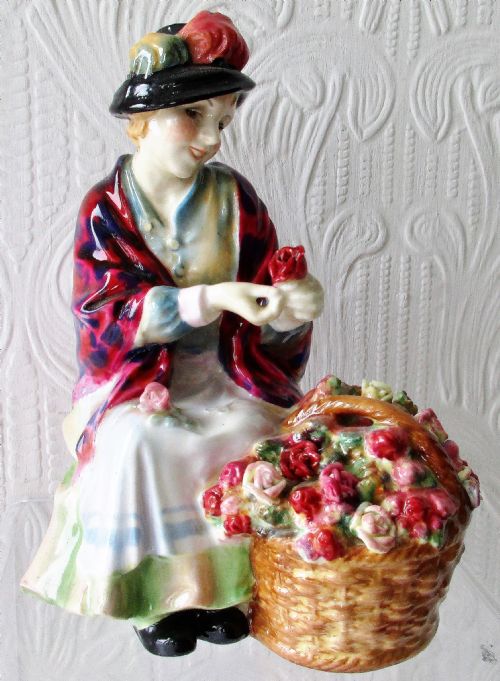
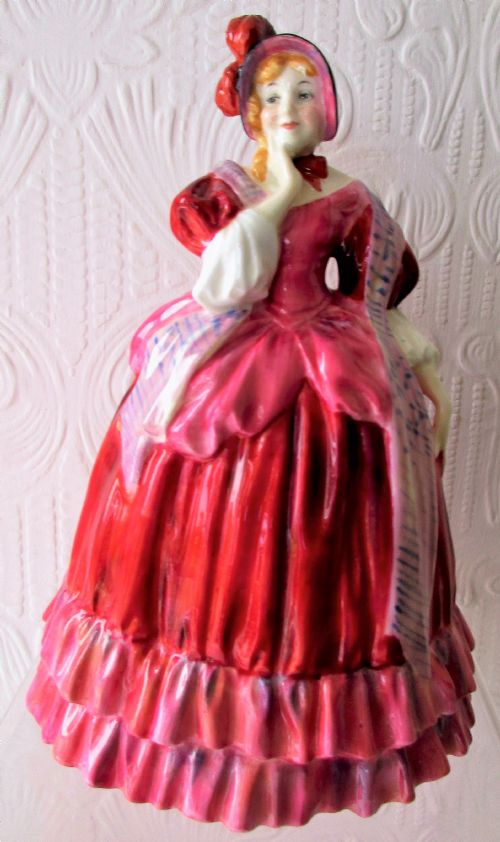
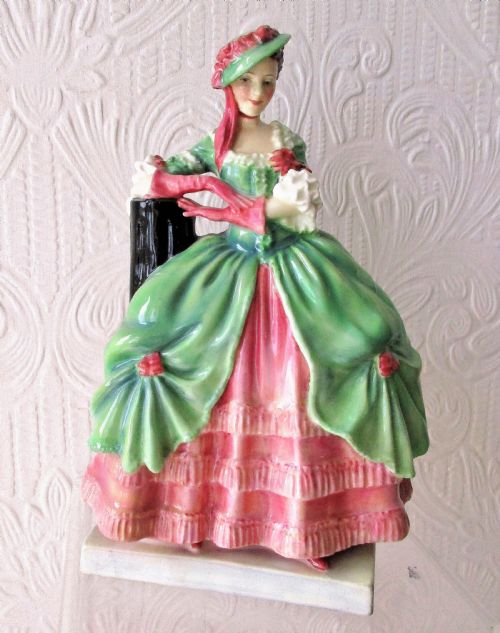
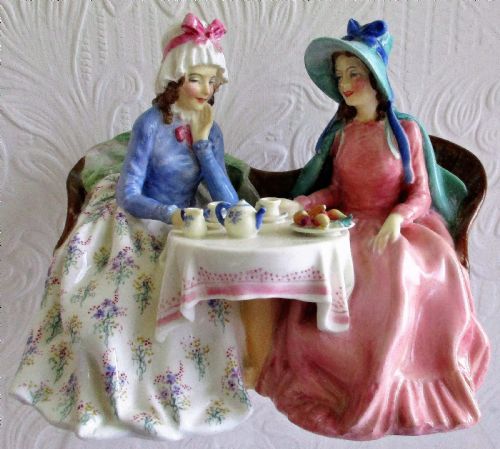
An antique porcelain lady encompasses three-dimensional ceramic representations of women, ranging from eighteenth-century Meissen and Bow court figures to twentieth-century Royal Doulton character studies and Art Deco vanity figures. These pieces capture historical attire and social scenes through modelled clay, depicting everything from eighteenth-century companions to nineteenth-century maidens and dancers.
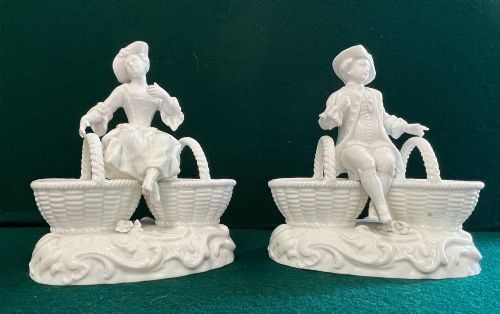
The selections available here rely heavily on English pottery works from the early twentieth century and continental European factories from the eighteenth and nineteenth centuries. You will encounter glazed figures alongside biscuit porcelain and parian ware, reflecting diverse regional tastes across different decades.
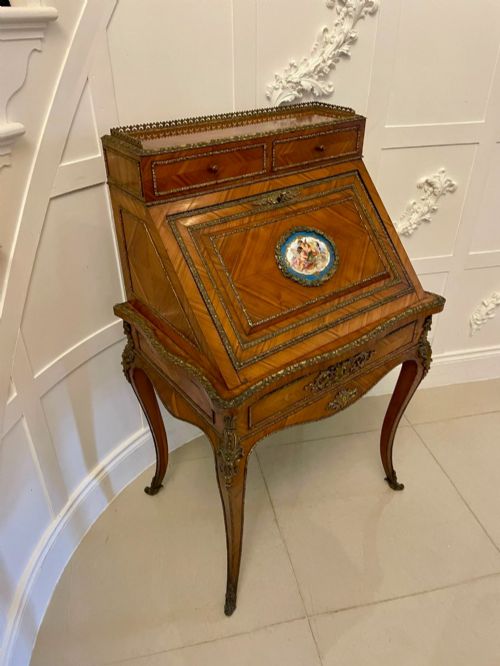
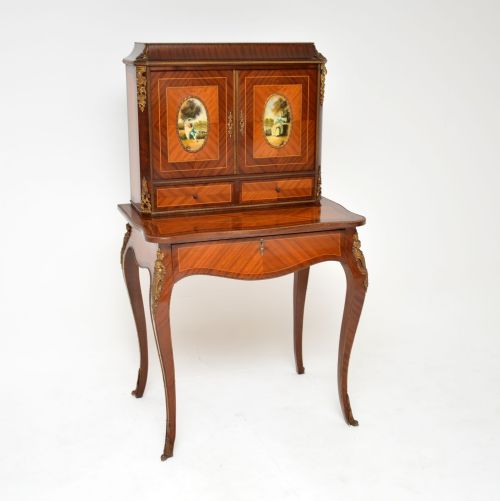
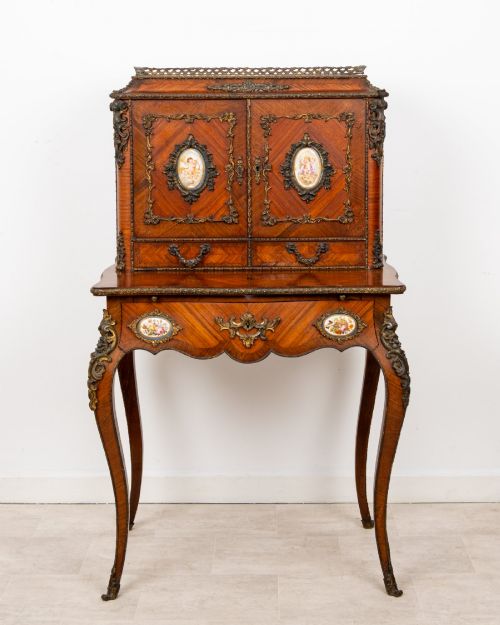
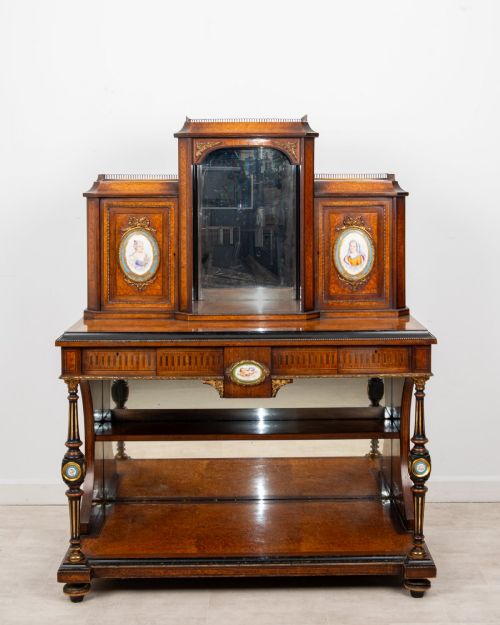
Beyond standalone figurines, the category stretches to functional items incorporating ceramic plaques, such as French writing desks and powder boxes inset with painted panels depicting female subjects. These pieces merge furniture craftsmanship with decorative ceramic arts, offering both sculptural presence and utilitarian form.
Assessing craftsmanship and execution
In furniture incorporating ceramic plaques, the integration of the porcelain panel with the surrounding kingwood or amboyna woodwork reveals the maker's precision. High-grade items display secure ormolu framing and well-preserved surface finishes across both the ceramic and wooden components.
Several ladies depicted across these centuries carry drums, lambs, baskets of grapes, or silk scarves into battle against the mundane.
Royal Doulton·Meissen·Royal Worcester·Royal Dux·Bow Porcelain·Ludwigsburg Porcelain·Samson
The Antique Porcelain Lady Glossary
- Biscuits
- Unglored porcelain fired once to a matte state, offering a texture resembling marble. This finish was widely adopted for nineteenth-century figures and parian ware.
- Ormolu
- Gilded bronze mounts applied to furniture and decorative objects. It provides structural ornamentation and metallic contrast to porcelain plaques.
- Bonheur du Jour
- A small lady's writing desk featuring a tiered cabinet superstructure with drawers and compartments. These desks frequently incorporate porcelain panels into their design.
- Parian ware
- A type of fine white biscuit porcelain developed in the nineteenth century to imitate carved marble. It is commonly found in portrait busts and classical figures.
- Enamel
- Vitrified coloured glass fused to the surface of porcelain during firing. It provides the vibrant palette seen on robes, flowers, and facial details.
Antique Porcelain Lady: Frequently Asked Questions
How do I distinguish eighteenth-century figures?
Early pieces often feature hand-modelled details, distinct paste characteristics, and specific underglaze blue or painted factory marks. Their styling reflects rococo aesthetics and contemporary court dress.
Examining the base and the weight of the ceramic paste helps identify the manufacturing era.
Where were parian ware figures made?
Parian ware was produced primarily in nineteenth-century English potteries to imitate carved marble statues. These matte white figures depict classical or romantic female subjects.
They offer a smooth, unglazed surface texture distinct from traditional glossy porcelain.
How do I care for porcelain desks?
Desks incorporating porcelain plaques require gentle dusting of the ceramic panels and regular maintenance of the surrounding wood veneers. Avoid harsh chemical cleaners on both the ormolu mounts and the glazed surfaces.
Keeping them away from direct sunlight preserves the hand-painted enamel colours over time.